
Thinking about training your dog but worried about the cost? You’re not alone.
Knowing how much you need to invest can help you plan better and avoid surprises. Whether you want basic obedience or advanced skills, understanding the price range and what affects it is key. You’ll discover the real costs behind dog training and how to get the best value for your money.
Keep reading to make the smartest choice for your furry friend and your budget.
Factors Influencing Training Costs
Several factors influence the cost of training a dog. These factors affect the price you pay and the results you get. Understanding them helps in planning your budget better.
Training costs vary widely based on the type of service and other key elements. Each factor plays a role in shaping the overall expense.
Type Of Training
Basic obedience training costs less than specialized training. Puppy classes, behavior correction, and agility training all differ in price. Some training requires specific tools or techniques, raising the cost.
Trainer Experience
Experienced trainers charge higher fees due to their skills and knowledge. Certified trainers often have more reliable methods. Beginners or less-known trainers may offer lower rates but less expertise.
Training Duration
Longer training programs cost more. Sessions lasting weeks or months add up in price. Short, intensive courses can be pricey but finish faster. Frequency and length of each session also matter.
Training Location
Training at a facility may cost more than home visits. Group classes are usually cheaper than private sessions. Travel distance for the trainer can add to the fee. Urban areas often have higher prices than rural ones.

Credit: projectupland.com
Common Training Methods
Training a dog involves various methods suited to different needs and budgets. Understanding common training methods helps you choose the right approach. Each method offers unique benefits and costs. Some focus on social interaction, while others prioritize personalized guidance or convenience.
Group Classes
Group classes offer training in a social setting with other dogs and owners. Classes usually last 6 to 8 weeks. Trainers teach basic commands, manners, and social skills. Costs range from $50 to $150 per session. Group classes provide socialization and peer learning.
Private Sessions
Private sessions give one-on-one attention from a professional trainer. Trainers tailor lessons to your dog’s needs and behavior. These sessions are flexible in timing and focus. Prices generally start at $40 and can exceed $120 per hour. Private training suits dogs with special needs or behavior issues.
Online Training
Online training offers video lessons and virtual coaching. You can learn at your own pace from home. Costs vary widely, from free videos to paid courses costing $20 to $100. Online training provides convenience and access to expert advice without travel.
Diy Training
Do-it-yourself training relies on books, videos, and practice at home. It requires patience and consistency. Costs are low, mostly for materials like books or clickers. DIY training works well for basic obedience and motivated owners. It demands time and effort but saves money.
Typical Price Ranges
Understanding the typical price ranges for dog training helps plan your budget. Training costs vary based on the type and level of training needed. Different training programs offer unique benefits at different prices.
Puppy Training Costs
Puppy training focuses on socialization and basic commands. Group classes usually cost between $100 and $200 for 6 to 8 weeks. Private sessions can range from $30 to $80 per hour.
Basic Obedience Training
Basic obedience helps dogs learn commands like sit, stay, and come. Group classes often cost $150 to $300 for a multi-week course. Private training sessions typically run $40 to $100 per hour.
Advanced Behavior Training
This training addresses specific behavior problems like aggression or anxiety. Prices vary widely depending on the issue. Expect to pay $50 to $150 per session, with multiple sessions needed.
Specialized Training
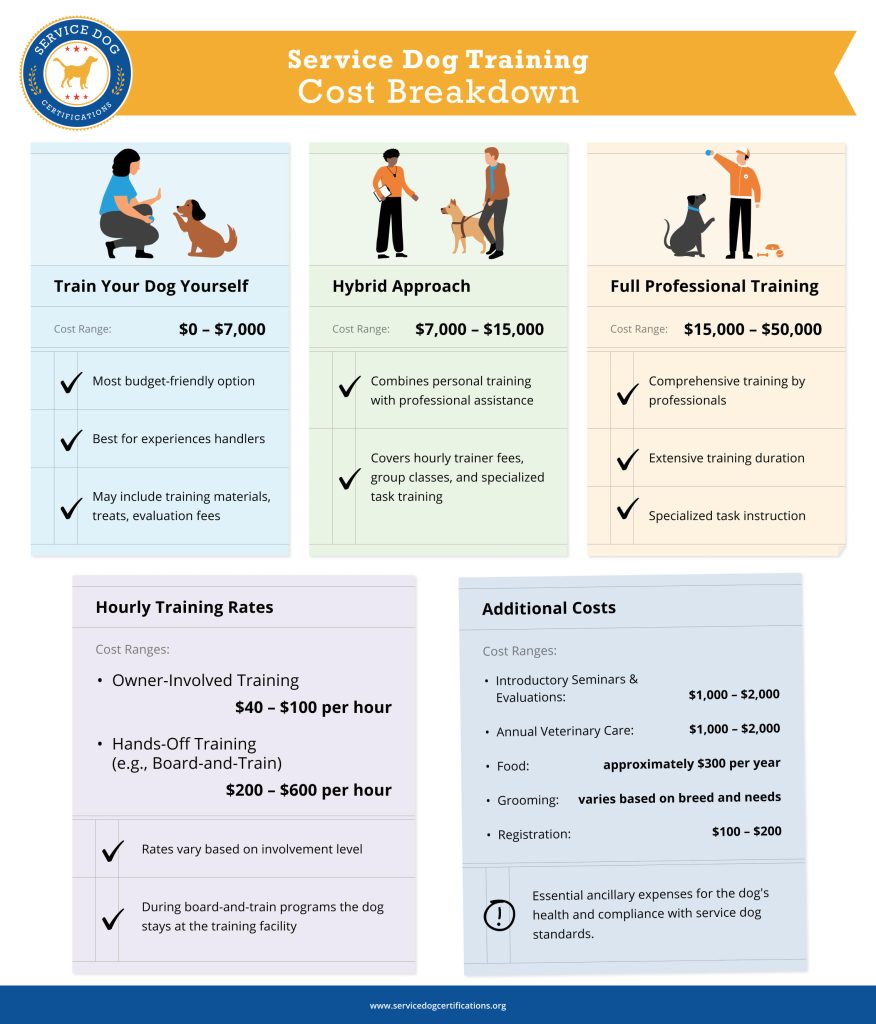
Specialized training includes service dog training or agility coaching. These programs are more intensive and expensive. Costs can range from $500 to over $2,500 depending on the service and duration.
Additional Expenses To Consider
Training a dog involves more than just paying for classes. There are various additional expenses that can add up. Understanding these costs helps in making informed decisions about your pet’s training needs.
Training Supplies
Training supplies are essential for effective dog training. Items like leashes, collars, and treat pouches are necessary. These tools help reinforce good behavior. Costs vary based on quality and brand. Budget-friendly options are available, but investing in durable items is wise.
Veterinary Checkups
Regular veterinary checkups ensure your dog stays healthy during training. Health issues can affect training progress. Vaccinations, flea treatments, and regular health assessments are important. These visits add to the overall training expenses.
Board And Train Programs
Board and train programs offer intensive training. Dogs stay at a facility and receive professional training. These programs are convenient for busy owners. However, they can be costly. Prices depend on program length and trainer expertise.
Follow-up Sessions
Follow-up sessions are crucial for maintaining training results. Dogs might need refresher courses over time. These sessions help reinforce learned behaviors. Trainers might offer package deals for follow-up lessons. This helps manage costs effectively.
Ways To Save On Training
Training your dog doesn’t have to drain your wallet. There are smart and effective ways to cut costs without sacrificing quality. Saving money on training can also deepen your bond with your dog as you take a more active role in their learning journey.
Group Classes Benefits
Joining group classes can save you a significant amount compared to private sessions. These classes offer socialization opportunities for your dog, which is crucial for their behavior and confidence.
You also get to observe other dogs and owners, learning from their experiences and mistakes. Group settings encourage consistent practice and provide a support network, which can be motivating.
Utilizing Online Resources
Online training videos and tutorials are often free or low-cost and can be accessed anytime. This flexibility allows you to learn and train at your own pace, fitting sessions into your busy schedule.
Many professional trainers offer step-by-step guides online that are easy to follow. Have you checked if your local shelter or pet stores provide online workshops or webinars? These can be hidden gems for affordable training.
Consistency And Practice
Your daily consistency plays a huge role in training success, sometimes even more than professional help. Regular short sessions reinforce commands and good behavior, making training a natural part of your dog’s life.
Practice doesn’t require fancy tools—just your time and patience. How often do you set aside moments during walks or playtime for training? Even a few minutes daily can lead to noticeable progress.
Choosing The Right Trainer
Not all trainers charge the same, and prices don’t always reflect quality. Research trainers who specialize in your dog’s breed or specific needs to avoid wasting money on ineffective methods.
Ask for recommendations, read reviews, and don’t hesitate to attend a trial class. Finding a good fit can speed up training and reduce the total cost in the long run.

Credit: www.animalbehaviorcollege.com
Budgeting Tips For Dog Training
Training a dog takes time, effort, and money. Budgeting helps manage these costs better. It ensures training fits your financial plan. Smart budgeting avoids surprises and keeps training on track. Here are some tips to budget wisely for dog training.
Setting Realistic Expectations
Training costs vary based on dog size, breed, and age. Some dogs learn faster than others. Expect expenses for classes, tools, and treats. Understand that progress takes weeks or months. Avoid rushing to save money but plan for steady investment.
Prioritizing Training Needs
Focus on essential skills first, like basic commands and socialization. This approach saves money and builds a strong foundation. Advanced training can wait until basics are mastered. Consider group classes as a cost-effective option. Use affordable tools like clickers and homemade treats.
Planning For Long-term Investment
Training is a long-term commitment that benefits both dog and owner. Set aside a monthly budget for ongoing lessons and supplies. Regular practice reduces future behavioral problems and vet visits. Think of training as an investment in your dog’s happiness and safety.

Credit: clubk9lasvegas.com
Frequently Asked Questions
How Much Does Basic Dog Training Cost?
Basic dog training typically costs between $30 and $80 per session. Group classes are cheaper, around $100 to $300 for a series. Private sessions may be more expensive but offer personalized training. Costs vary by location, trainer experience, and training duration.
What Factors Affect Dog Training Costs?
Training costs depend on session type, trainer expertise, and location. Private training is pricier than group classes. Specialized training, like behavior correction, usually costs more. The dog’s age and breed can also influence expenses. Always compare prices and services before choosing a trainer.
Are Online Dog Training Courses Affordable?
Online dog training courses often cost between $20 and $200. They provide flexible learning at home and can be more affordable than in-person sessions. However, results vary depending on your commitment and the course quality. Online training suits owners with time and patience.
Is Professional Dog Training Worth The Cost?
Professional dog training is valuable for behavior improvement and socialization. It helps prevent future costly problems. Investing in training saves money on damage repair and vet visits. Well-trained dogs are happier and safer. The initial cost is often justified by long-term benefits.
Conclusion
Training a dog involves costs that vary widely. Basic training may cost less than specialized lessons. Group classes often cost less than private sessions. Investing in training helps your dog learn good behavior. Well-trained dogs are happier and safer at home.
Budgeting for training saves money on future problems. Choose the right training type for your dog’s needs. Remember, training is an important step in pet care. Your dog will thank you with better manners and joy.