
Are you wondering how much food your adult Dachshund really needs every day? Feeding your furry friend the right amount is key to keeping them healthy and full of energy.
Too little food can leave them hungry and weak, while too much can lead to weight problems and health issues. You’ll discover simple, clear guidelines to help you get your Dachshund’s meals just right. Keep reading to learn how to make sure your loyal companion stays happy, healthy, and thriving with every bite.
Daily Calorie Needs
Understanding the daily calorie needs of adult Dachshunds is key to keeping them healthy and active. Too many calories can lead to weight gain, while too few can cause energy loss. Each dog has unique needs, influenced by various factors. Knowing these helps provide the right amount of food daily.
Factors Affecting Calorie Intake
- Age:Older Dachshunds often need fewer calories.
- Activity Level:More active dogs burn more calories.
- Weight:Overweight dogs require fewer calories to lose weight.
- Metabolism:Some dogs naturally burn calories faster.
- Health Status:Illness or conditions can change calorie needs.
- Spaying/Neutering:This can reduce energy requirements slightly.
Average Calorie Requirements For Dachshunds
Adult Dachshunds usually need between 300 and 400 calories each day. This range depends on size and activity. Smaller, less active dogs lean toward the lower end. Larger or more playful dogs require more energy.
| Dog Weight | Daily Calories Needed |
|---|---|
| 8-10 lbs | 300-350 calories |
| 11-16 lbs | 350-400 calories |
Measure food portions based on these calorie needs. Adjust amounts as the dog’s weight and activity change.
Portion Sizes By Weight
Adult Dachshunds need portion sizes based on their weight to stay healthy. Feeding the right amount prevents obesity and keeps energy levels balanced. Adjust food portions depending on activity and metabolism.
Determining the right portion size for your adult Dachshund is crucial to their health and wellbeing. Overfeeding can lead to obesity, which is a common issue in Dachshunds due to their small frame and long bodies. On the other hand, underfeeding can result in nutritional deficiencies. Let’s break down how much food your Dachshund should eat based on their weight.Recommended Food Amounts For Different Weights
Understanding your Dachshund’s ideal weight is the first step in determining how much food they need. Here’s a simple guide:| Weight (lbs) | Daily Food (cups) |
|---|---|
| 10 lbs | 1/2 cup |
| 15 lbs | 3/4 cup |
| 20 lbs | 1 cup |
Adjusting Portions For Activity Levels
Not all Dachshunds have the same energy levels. A playful and active Dachshund will burn more calories than a couch potato. If your Dachshund loves to run around and play, you might need to increase their portion sizes slightly. On the other hand, if they prefer lounging on the sofa, reducing their portions a bit might be wise. Think about your own experiences with exercise. You wouldn’t fuel a marathon with the same meals you eat on a lazy day, right? Your pup is no different. Pay attention to your dog’s body condition and adjust accordingly. Are they looking a bit too round? Perhaps it’s time to cut back slightly. Remember, you know your dog best. Keep an eye on their weight and energy levels to find the perfect balance for their diet.Choosing The Right Dog Food
Choosing the right dog food is key to keeping your adult Dachshund healthy. Their small size and unique body shape need special nutrition. Feeding them the wrong food can cause weight gain or health issues. Good dog food supports their energy, skin, coat, and joints. Quality ingredients and balanced nutrients make a big difference. Understanding the types of dog food and what ingredients matter helps you pick the best option for your pet.
Types Of Dog Food Suitable For Dachshunds
Dachshunds do well with several types of dog food. Dry kibble is popular and easy to store. It helps keep teeth clean by reducing plaque. Wet or canned food offers more moisture and taste. It suits picky eaters and dogs with dental problems. Raw food diets mimic natural eating habits. They require careful preparation to be safe. Semi-moist food is less common but can be convenient. Choose food that matches your dog’s preferences and health needs.
Nutrient Balance And Ingredients To Look For
Look for dog food with balanced protein, fat, and carbs. Protein should come from real meat like chicken or beef. Healthy fats support brain and skin health. Avoid foods with too many fillers such as corn or wheat. Ingredients like sweet potatoes and brown rice provide good energy. Omega-3 fatty acids from fish oil help joint health. Vitamins and minerals support overall body function. Avoid artificial colors, flavors, and preservatives. Clear labeling helps you understand what you feed your Dachshund.
Feeding Frequency And Schedule
Feeding frequency and schedule play a crucial role in maintaining your adult Dachshund’s health and energy levels. Setting a regular feeding routine helps regulate digestion and prevents overeating. Understanding the best times to feed and sticking to a consistent schedule can make a noticeable difference in your dog’s behavior and well-being.
Best Feeding Times For Adult Dachshunds
Most adult Dachshunds thrive on two meals per day. Feeding them once in the morning and once in the evening mirrors their natural eating habits and keeps their metabolism steady.
You might find your Dachshund seems more energetic and less prone to begging when meals are spaced about 8 to 12 hours apart. Avoid feeding late at night to reduce the risk of digestive issues or discomfort during sleep.
Think about your daily routine—does feeding your dog before your own meals help with training and bonding? Setting meal times around your schedule can make mealtime more predictable and stress-free for both of you.
Benefits Of Consistent Meal Timing
Consistency in meal timing helps your Dachshund develop a healthy appetite and reduces anxiety related to food. Dogs are creatures of habit, and knowing when to expect their meals provides comfort.
Regular feeding times also make it easier to monitor your dog’s health. Sudden changes in appetite can be an early sign of illness, and a steady schedule helps you spot these changes quickly.
Furthermore, predictable meal times support proper digestion and reduce the risk of obesity. When your Dachshund learns that food comes at specific times, they’re less likely to scavenge or overeat out of stress or boredom.
Signs Of Overfeeding And Underfeeding
Feeding an adult Dachshund the right amount is crucial for its health. Overfeeding and underfeeding show clear signs. Recognizing these signs early helps maintain your dog’s well-being. Watch closely for changes in weight and behavior. Both extremes affect energy and mood.
Recognizing Weight Gain And Loss
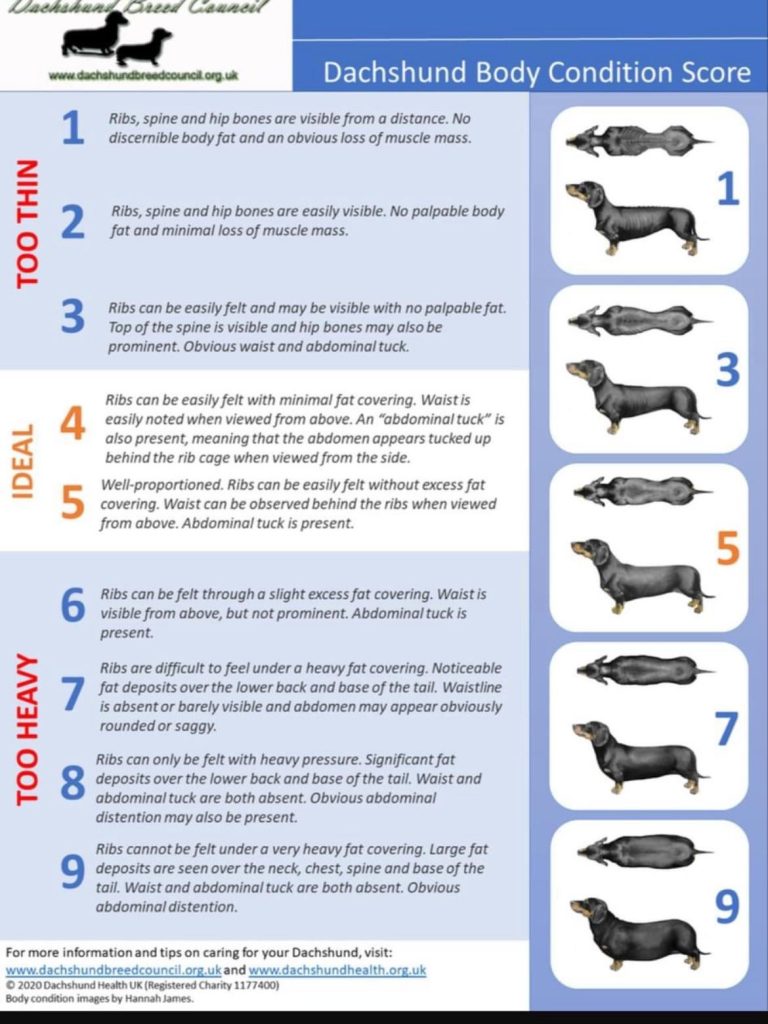
Weight gain often appears as extra fat around the ribs and belly. Your Dachshund may seem rounder or struggle to move easily. Notice if the ribs become harder to feel under the skin. Weight loss shows as visible ribs and a thinner body shape. Lack of muscle and energy can also signal underfeeding. Check your dog’s body regularly to track these changes.
Health Risks Associated With Improper Feeding
Overfeeding can cause obesity, leading to joint pain and heart problems. Excess weight stresses bones and can reduce your dog’s lifespan. Underfeeding weakens the immune system and causes nutrient deficiencies. This can lead to poor coat quality and low energy. Both overfeeding and underfeeding increase the risk of serious health issues. Balanced feeding keeps your Dachshund active and healthy.
Credit: dogsauce.co
Special Considerations
Adult dachshunds need specific care in their diet to stay healthy. Their small size and unique body shape require attention when feeding. Special considerations help meet their nutritional needs and support overall well-being.
Feeding For Senior Dachshunds
Older dachshunds have slower metabolism and less activity. They need fewer calories but more nutrients to keep strong. Protein helps maintain muscle, while fiber supports digestion. Feeding smaller, frequent meals can ease digestion and prevent weight gain. Choosing food designed for seniors can improve health and energy.
Adjustments For Health Issues
Dachshunds may face health problems affecting their diet. Conditions like obesity, diabetes, or allergies need special food choices. Consult a vet for diet plans tailored to these issues. Low-fat food helps with weight control. Hypoallergenic food reduces allergy symptoms. Avoid foods high in sugar or fillers that can worsen health problems.
Tips For Monitoring And Adjusting Diet
Monitoring and adjusting your adult Dachshund’s diet is key to keeping them healthy and happy. You need to watch their weight and body condition closely to know if the current amount of food is right. Small changes in feeding habits can make a big difference in your dog’s overall well-being.
Tracking Weight And Body Condition
Regularly weighing your Dachshund helps you see if they are gaining or losing weight unexpectedly. You can do this at home with a simple scale or during vet visits. Keep a record to spot any trends over time.
Feel your dog’s ribs; you should be able to feel them without pressing hard, but they shouldn’t be overly visible. Look at their waist from above—there should be a noticeable tuck behind the ribs. If the ribs are hard to feel or the waist is missing, it’s time to reduce food portions.
Think about activity levels too. If your Dachshund is more active, they might need a little more food. Less active dogs often require less to avoid weight gain.
When To Consult A Veterinarian
Is your Dachshund suddenly losing or gaining weight without a clear reason? Or do they show signs of lethargy, vomiting, or changes in appetite? These are signals to talk to your vet as soon as possible.
Your vet can help adjust your dog’s diet based on their health status, age, and lifestyle. They may recommend special food or supplements if your pet has specific needs. Don’t hesitate to ask questions; your vet is a valuable partner in your dog’s health journey.
Remember, diet isn’t just about feeding but about caring. How often do you check in on your dog’s eating habits and health? Keeping a close eye can prevent many common health problems before they start.

Credit: www.youtube.com

Credit: dogsauce.co
Frequently Asked Questions
How Much Food Does An Adult Dachshund Need Daily?
Adult Dachshunds typically need 1/2 to 1 cup of high-quality dog food daily. This depends on their weight, age, and activity level. Divide the food into two meals for better digestion and energy maintenance throughout the day.
What Factors Affect Dachshund Food Portions?
Food portions depend on your Dachshund’s age, weight, metabolism, and activity level. Health conditions or pregnancy also influence feeding amounts. Always adjust portions according to your dog’s specific needs and consult your vet for personalized advice.
Can Overfeeding Harm Adult Dachshunds?
Yes, overfeeding can cause obesity, joint problems, and decreased lifespan in Dachshunds. Maintaining proper portion control helps keep your dog healthy and active. Monitor weight regularly and adjust food amounts to prevent overeating.
How To Choose The Right Food For Dachshunds?
Select dog food with balanced nutrients, suitable for small breeds. Look for high protein, moderate fat, and essential vitamins. Avoid fillers and artificial additives. Quality food supports your Dachshund’s health and energy.
Conclusion
Feeding your adult Dachshund the right amount keeps them healthy. Watch their weight and adjust food as needed. Quality dog food supports energy and overall well-being. Small changes make a big difference in their health. Always keep fresh water available alongside their meals.
Regular vet visits help track their nutrition needs. A happy Dachshund is one with balanced meals daily. Simple steps lead to a longer, active life for your dog.