
If you have an adult male Shepherd, you probably wonder how much food is just right for him. Feeding your dog too little can leave him hungry and low on energy.
Too much, and you risk health problems like obesity. Finding the perfect balance can feel tricky. But don’t worry—you’re about to learn exactly how much dog food your Shepherd needs to stay healthy, active, and happy every day. Keep reading to discover simple, practical tips that make feeding time easy and stress-free for both you and your loyal companion.
Daily Calorie Needs
Understanding the daily calorie needs of an adult male Shepherd is essential to keep him healthy and active. Calories fuel every movement, from playful fetch games to peaceful naps. If you don’t meet these energy needs accurately, your dog might either gain unwanted weight or lack the energy for daily activities.
Factors Influencing Calorie Requirements
Not all Shepherds require the same amount of calories. Several factors come into play when determining your dog’s daily energy needs.
- Activity Level:A highly active Shepherd burns more calories than a couch-loving companion. Think about how often your dog exercises or plays.
- Age:Older dogs usually need fewer calories because their metabolism slows down.
- Weight and Size:Larger dogs generally require more calories, but excess weight means you need to adjust their intake carefully.
- Health Status:Dogs with health issues or those recovering from illness may have different calorie needs.
Have you noticed changes in your dog’s energy or weight? That’s a clear sign you might need to reevaluate his calorie intake.
Calculating Calories For Adult Male Shepherds
Calculating the right amount of calories for your Shepherd starts with knowing his ideal weight. Once you have that, you can estimate his daily caloric needs.
The general formula to estimate daily calories is:
| Weight (lbs) | Calories Needed Per Day |
|---|---|
| 50 | 1,200 – 1,400 |
| 70 | 1,600 – 1,900 |
| 90 | 2,000 – 2,300 |
Remember, these are starting points. If your Shepherd is very active, add about 10-20% more calories. If he’s mostly sedentary, reduce the calories slightly.
One time, I underestimated my Shepherd’s calorie needs after switching to a new food. He lost weight fast and seemed low on energy. Adjusting his food portion based on these calculations brought him back to his lively self within weeks.
Portion Sizes By Weight
Knowing the right portion size for an adult male German Shepherd keeps him healthy and energetic. Portion sizes depend mainly on the dog’s weight. Feeding too much can cause obesity. Feeding too little may lead to weakness and poor health.
Each dog is unique. Weight gives a good starting point to decide how much to feed daily. Adjustments may be needed based on other factors.
Recommended Food Amounts Based On Weight
Use this simple guide for daily food portions by weight:
| Weight (lbs) | Food Amount (cups/day) |
|---|---|
| 50 – 60 | 2.5 – 3.0 |
| 61 – 75 | 3.0 – 3.5 |
| 76 – 90 | 3.5 – 4.0 |
| 91 – 110 | 4.0 – 4.5 |
These amounts are approximate. Use your dog’s current weight to choose the right portion. Check the dog food package for calorie info. Adjust the cups accordingly.
Adjusting Portions For Activity Level
Activity affects how much food a German Shepherd needs. More exercise means higher energy needs. Less activity means less food to avoid weight gain.
- Active dogs: Increase food by 10-20% above the base amount.
- Moderately active dogs: Follow the recommended portion closely.
- Less active or senior dogs: Reduce food by 10-15% to prevent weight gain.
Monitor your dog’s weight and energy. Change portions as needed to keep him fit.
Types Of Dog Food
Understanding the types of dog food is crucial for your shepherd’s health. Each type offers unique benefits and challenges. Choosing the right one helps maintain your dog’s energy and health. Let’s explore the different types of dog food available.
Dry Kibble Vs Wet Food
Dry kibble is a popular choice among dog owners. It’s affordable and easy to store. The crunchy texture helps clean teeth, reducing plaque buildup. On the other hand, wet food offers more moisture. This can be beneficial for dogs with hydration issues. Wet food often has a stronger aroma, which can entice picky eaters. Both options offer balanced nutrition when chosen wisely. Consider your dog’s preference and dietary needs.
Raw And Homemade Diets
Raw diets mimic what wild dogs eat. They include raw meat, bones, and organs. Supporters believe it promotes better health and shinier coats. But, raw diets require careful handling to prevent contamination. Homemade diets offer complete control over ingredients. You can tailor meals to your dog’s specific needs. But, ensuring nutritional balance can be challenging. Consult a veterinarian before starting a raw or homemade diet. Each dog is unique and may require different dietary considerations.

Credit: germanshepherdshop.com
Feeding Frequency
Feeding frequency is a key part of caring for an adult male Shepherd. It affects his digestion, energy levels, and overall health. Setting a clear schedule helps manage hunger and prevents overeating. Regular feeding times create a routine that your dog can easily follow. This routine supports good behavior and makes training easier. Understanding the best times to feed and the benefits of a set schedule will improve your dog’s well-being.
Optimal Meal Times
Adult male Shepherds usually do well with two meals per day. Feeding once in the morning and once in the evening keeps their energy steady. This timing matches their natural activity patterns. Avoid feeding right before or after intense exercise to aid digestion. Try to feed at the same times every day. Consistency helps your dog feel secure and reduces anxiety around mealtime.
Benefits Of Scheduled Feeding
- Controls portion size and prevents overeating.
- Improves digestion by allowing time for food to settle.
- Reduces begging and food-related behavioral problems.
- Helps monitor your dog’s appetite and health changes.
- Supports house training by regulating bathroom breaks.
Scheduled feeding is a simple way to keep your Shepherd healthy. It creates structure that benefits both you and your dog. Feeding times become moments of bonding and care.
Signs Of Overfeeding And Underfeeding
Knowing the signs of overfeeding and underfeeding helps keep your adult male Shepherd healthy. Both conditions affect his energy, mood, and body. Watch for clear signals to adjust food portions correctly. Understanding these signs prevents serious health problems and promotes a happy life for your dog.
Weight Gain And Loss Indicators
Sudden weight gain shows overfeeding. Your Shepherd’s ribs may become hard to feel under thick fat. Look for a round belly or less waist definition. Too much food causes obesity, leading to joint pain and heart issues.
Weight loss points to underfeeding. Ribs and spine become easy to see. Your dog may look thin or weak. Not enough food means less energy and a weaker immune system. Track weight regularly to spot changes fast.
Behavioral And Health Symptoms
- Overfed dogs might be lazy or less active.
- They may also have bad breath or digestive upset.
- Underfed dogs often seem restless or anxious.
- They might cry or beg for food more than usual.
- Look for dull coat and dry skin in underfed dogs.
- Overfeeding can cause vomiting or diarrhea.
- Both conditions affect your dog’s mood and playfulness.
Credit: www.renspets.com
Special Considerations
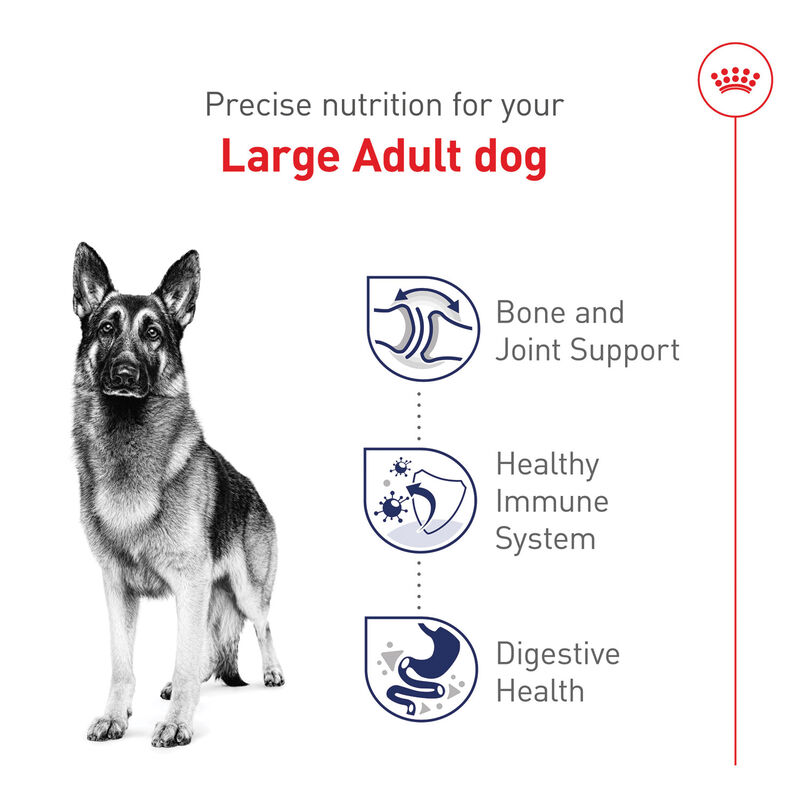
Feeding an adult male German Shepherd requires attention beyond basic portions. Special factors influence how much food he needs daily. Tailoring meals to these factors helps keep your dog healthy and happy.
Age And Health Conditions
Older German Shepherds need fewer calories than younger adults. Their metabolism slows down with age. Dogs with health issues like diabetes or allergies may require special diets. Consult a vet to adjust food amounts safely. Puppies and seniors have very different nutritional needs.
Exercise And Lifestyle Impact
Active dogs burn more energy and need more food. A working or highly active German Shepherd needs larger portions. Less active or indoor dogs require fewer calories to avoid weight gain. Monitor your dog’s weight and adjust food to match activity. Balance is key to prevent obesity or malnutrition.
Tips For Transitioning Food
Changing your adult male Shepherd’s food needs care. Sudden switches can upset his stomach. Proper food transition helps him digest new meals well. It also reduces risks of diarrhea or vomiting. This section covers key tips for smooth food changes.
Gradual Changes To Avoid Digestive Issues
Switch food slowly over 7 to 10 days. Start by mixing 25% new food with 75% old food. Increase new food by 25% every few days. Watch for signs like loose stools or gas. If any issues arise, slow down the change pace. This gradual approach helps your dog’s body adjust comfortably.
Monitoring Reactions To New Diets
Observe your Shepherd closely during the transition. Check his energy, appetite, and bathroom habits daily. Note any vomiting, diarrhea, or skin changes. Keep a journal for tracking reactions and food amounts. Consult your vet if problems persist beyond two weeks. Careful monitoring ensures your dog stays healthy and happy.
Credit: www.petsmart.com
Frequently Asked Questions
How Much Food Does An Adult Male Shepherd Need Daily?
An adult male Shepherd typically needs 3 to 4 cups of high-quality dog food daily. This amount supports his energy and health.
Does Activity Level Affect A Shepherd’s Food Intake?
Yes, active Shepherds require more calories. Adjust their food intake based on exercise and energy expenditure for balanced nutrition.
What Type Of Dog Food Is Best For Adult Shepherds?
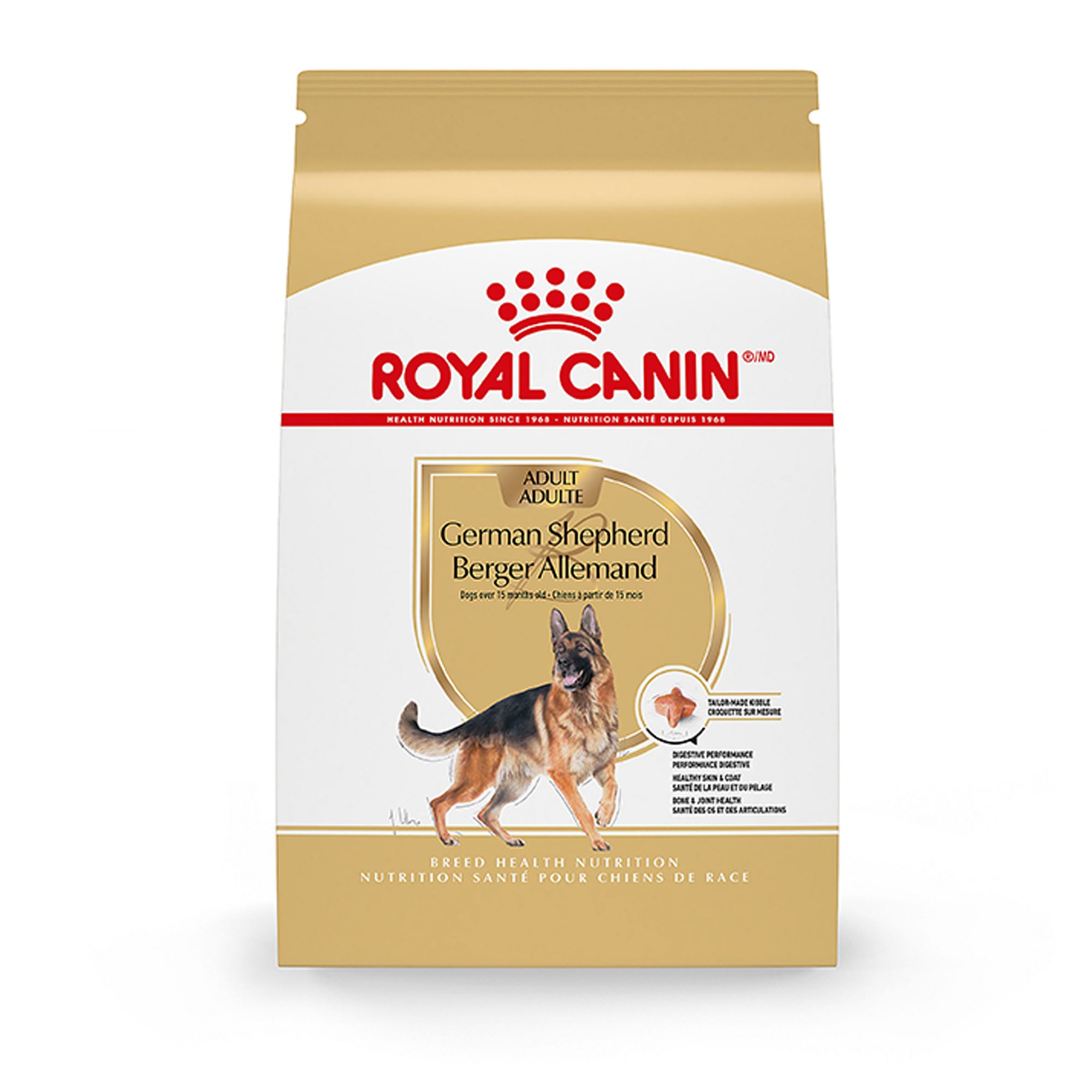
Choose high-protein, balanced dog food with essential nutrients. Look for formulas designed for large, active breeds like German Shepherds.
How Often Should I Feed My Adult Male Shepherd?
Feed your Shepherd twice daily: once in the morning and once in the evening. This routine aids digestion and energy maintenance.
Conclusion
Feeding an adult male German Shepherd the right amount keeps him healthy. Watch his weight and energy to adjust food as needed. Quality dog food supports strong muscles and shiny fur. Split meals into two servings daily to aid digestion.
Always provide fresh water alongside his meals. Consult your vet for personalized feeding advice. A balanced diet helps your dog live a happy life. Small changes can make a big difference in his health. Careful feeding shows you love and respect your loyal friend.