

Traveling by air with your dog can feel overwhelming. You want to make sure your furry friend is safe, comfortable, and happy throughout the trip.
But where do you start? What do you need to prepare? If you’ve ever wondered how to air travel with a dog without stress or surprises, you’re in the right place. This guide will walk you through everything you need to know to make your journey smooth and enjoyable for both you and your pet.
Keep reading, and you’ll discover simple steps that can turn a tricky experience into a confident adventure.

Credit: www.aol.com
Preparing Your Dog For Air Travel
Preparing your dog for air travel takes more than just booking a flight. It means ensuring your furry friend feels safe, comfortable, and ready for the journey ahead. With some thoughtful preparation, you can reduce stress for both you and your dog and make the travel experience much smoother.
Choosing The Right Carrier
Picking the right carrier is crucial for your dog’s comfort and safety. Look for one that is well-ventilated and fits your dog snugly but allows them to stand, turn, and lie down easily.
Check airline requirements carefully, as each has specific rules about carrier size and material. A soft-sided carrier might be easier for under-seat storage, while a hard-sided crate offers more protection for larger dogs.
Think about your dog’s personality too. Does your dog get anxious in tight spaces? Choosing a carrier with familiar blankets or toys can help ease their nerves.
Health Check And Vaccinations
Before you fly, schedule a vet appointment to make sure your dog is healthy and up to date on vaccinations. Airlines often require proof of vaccinations, including rabies and sometimes additional shots depending on your destination.
Your vet can also advise if your dog needs any travel-specific medications or if sedation is safe for your pet during the flight. Never give your dog medication without professional guidance.
Have a copy of your dog’s health records handy. Some airports and airlines may ask for them, and having everything ready will save you last-minute stress.
Acclimating Your Dog To The Carrier
Many dogs find travel carriers intimidating at first. Start by placing the carrier in your living area and letting your dog explore it at their own pace.
Try feeding your dog meals inside the carrier to create a positive association. Gradually increase the time your dog spends inside the carrier, so it feels like a safe space.
Practicing short trips in the carrier, like car rides, can help your dog get used to movement and confinement. How does your dog react to new spaces? Use those insights to tailor your training sessions.

Credit: wheniroam.com
Booking Flights With Your Dog
Booking flights with your dog takes careful planning. Each airline has unique rules for pets. Choosing the right flight can make the trip smooth. Preparing your reservation early helps secure a spot for your furry friend. Understanding these details makes traveling easier for both you and your dog.
Airline Pet Policies
Every airline sets its own pet travel rules. Check weight limits for in-cabin pets. Some airlines allow small dogs inside the cabin. Larger dogs may need to fly in cargo. Look for carrier size requirements and health certificates. Fees for pets vary widely between airlines. Confirm if your dog needs a pet passport or vaccinations.
Direct Flights Vs. Layovers
Direct flights reduce stress for your dog. No extra takeoffs, landings, or transfers. Layovers mean longer travel time for pets. Each stop increases risk of delays or lost pets. If layovers are necessary, ensure enough time between flights. Avoid tight connections that cause rushing or confusion. Choose flights with the shortest travel time possible.
Reservation Tips For Pets
- Book early to secure your dog’s spot.
- Call the airline to confirm pet policies.
- Inform staff about your dog when checking in.
- Use a comfortable, airline-approved pet carrier.
- Label the carrier with your contact details.
- Prepare all pet documents before arrival.
- Keep your dog calm with familiar toys or blankets.
Packing Essentials For Your Dog
Traveling with your dog requires careful packing. Prepare for a smooth journey by ensuring your pet has everything needed. Comfort and safety are key for a happy trip.
Food And Water Supplies
Bring enough food for the entire trip. Pack it in a resealable bag. Consider your dog’s regular diet to avoid stomach issues. A portable water bowl is essential for hydration. Collapsible bowls are space-saving and convenient.
Comfort Items And Toys
Your dog’s comfort is important during travel. Pack a favorite blanket or bed. Familiar scents help reduce anxiety. Include a few toys for entertainment. Chew toys can keep them occupied.
Important Documents And Tags
Ensure all necessary documents are packed. Include vaccination records and health certificates. Attach an ID tag with contact details to your dog’s collar. Microchipping offers extra security if your dog gets lost.
Day Of Travel Tips
Travel day with your dog can be both exciting and stressful. Having a clear plan helps you stay calm and keep your pet comfortable. The following tips focus on making the day of travel smoother for you and your furry friend.
Feeding And Exercise Before The Flight
Feed your dog a light meal about four hours before the flight. This reduces the chance of an upset stomach during travel.
Give your dog plenty of exercise before heading to the airport. A good walk or play session helps burn off energy and can make your dog more relaxed during the flight.
Think about how your dog reacts to new environments. If your pet is anxious, exercise might also help ease their nerves.
Arriving Early At The Airport
Arrive at the airport well ahead of your flight time. This gives you extra time to handle check-in and any unexpected delays without rushing.
Early arrival helps your dog adjust to the busy airport atmosphere gradually. You can find a quiet spot to settle your dog before boarding.
Have all documents, such as vaccination records and travel permits, ready to avoid last-minute stress.
Security Screening Procedures
Understand the security rules for traveling with pets. Typically, you will carry your dog through the metal detector while the carrier is scanned separately.
Remove your dog from the carrier only if asked by security staff. Keeping your dog calm and close helps prevent any escape attempts.
Prepare your dog by practicing quick carrier entries and exits at home. This training will reduce stress during the actual screening process.
During The Flight
Flying with your dog can be a challenging experience, but what happens during the flight itself is crucial to ensuring a smooth journey for both of you. Your dog’s comfort and safety depend largely on how you manage their needs while airborne. Let’s dive into some practical tips to help you handle this part of air travel effectively.
Managing Anxiety And Stress
Dogs can pick up on your emotions, so staying calm is vital. Speak softly to your dog and offer gentle reassurance throughout the flight. Bringing familiar items like a favorite blanket or toy can help ease their anxiety by providing a sense of security.
If your dog tends to get nervous, try simple calming techniques such as gentle petting or using a calming spray designed for pets. Have you noticed your dog reacts to certain sounds or movements? Preparing for these triggers in advance can make a big difference.
In-cabin Vs. Cargo Travel
Deciding whether your dog should fly in the cabin or cargo depends on their size, temperament, and airline policies. Small dogs generally do better in-cabin, where you can keep an eye on them and provide comfort.
For larger dogs that must travel in cargo, make sure the kennel is sturdy and well-ventilated. Label it with your contact info and any special instructions. Remember, cargo compartments are temperature-controlled, but it’s important to check with the airline about their specific conditions.
Monitoring Your Dog’s Comfort
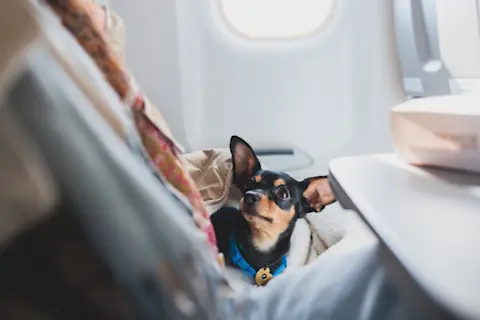
During the flight, regularly check on your dog if they’re in the cabin. Watch for signs of distress like excessive panting, pacing, or whining. If your dog is in cargo, alert the flight attendants to check on them if possible.
Make sure your dog has had enough water before boarding and offer small sips during the flight if allowed. Avoid feeding a large meal right before flying to prevent nausea. How will you know if your dog needs extra attention mid-flight? Staying observant is your best tool.
Credit: www.discovermagazine.com
After Arrival Care
After a long flight, your dog needs gentle care to adjust well. The new environment can feel strange and stressful for them. Taking time to help your dog settle is key. Check your dog’s health right after arrival. Time zone changes can affect their behavior and energy. Paying attention to these areas improves your dog’s comfort and happiness.
Settling Your Dog Into A New Environment
Give your dog a quiet space to relax. Bring familiar items like their bed or toys. Keep noise and activity low at first. Let your dog explore slowly. Offer fresh water and a small meal. Stay close and calm to reduce anxiety. Avoid forcing interactions or long walks initially. Patience helps your dog feel safe and secure.
Post-flight Health Check
Watch for signs of stress or illness. Look for vomiting, diarrhea, or excessive panting. Check paws and coat for injuries or ticks. Ensure your dog drinks water to stay hydrated. Take your dog to a vet if you notice unusual symptoms. Keep any flight documents and health certificates handy. Early health checks prevent complications.
Adjusting To Time Zone Changes
Shift your dog’s feeding schedule gradually. Follow local daylight patterns for walks and play. Avoid late-night activity to help reset their body clock. Keep routines consistent to reduce confusion. Use short outdoor breaks to encourage normal sleep. Patience is important as your dog adapts. Time adjustments can take several days.
Frequently Asked Questions
How Do I Prepare My Dog For Air Travel?
Start by visiting the vet for a health check and vaccinations. Use a comfortable, airline-approved crate. Practice crate training weeks before flying. Pack your dog’s essentials like water, food, and a leash. Stay calm and keep your dog hydrated during the trip.
What Are Airline Rules For Flying With Dogs?
Each airline has specific rules for pet travel. Check crate size, weight limits, and fees. Some allow small dogs in the cabin; others require cargo travel. Always book your pet’s spot in advance. Carry required documents like health certificates and vaccination records.
Can I Bring My Dog In The Cabin?
Many airlines allow small dogs in the cabin. Your dog must fit in a carrier under the seat. Check the airline’s size and weight restrictions. Book early, as cabin spots for pets are limited. Keep your dog calm and quiet during the flight.
What Documents Do I Need To Fly With My Dog?
You need a health certificate issued within 10 days before travel. Vaccination records, especially for rabies, are required. Some destinations require additional permits or microchip information. Always check airline and destination regulations in advance. Carry multiple copies for safety.
Conclusion
Traveling with your dog can be smooth and safe. Plan ahead and follow airline rules carefully. Bring your dog’s favorite items to keep them calm. Check your pet’s health and paperwork before the trip. Stay calm and patient during the journey.
Your dog will appreciate your care and attention. A little preparation makes all the difference. Enjoy your trip together with peace of mind.


