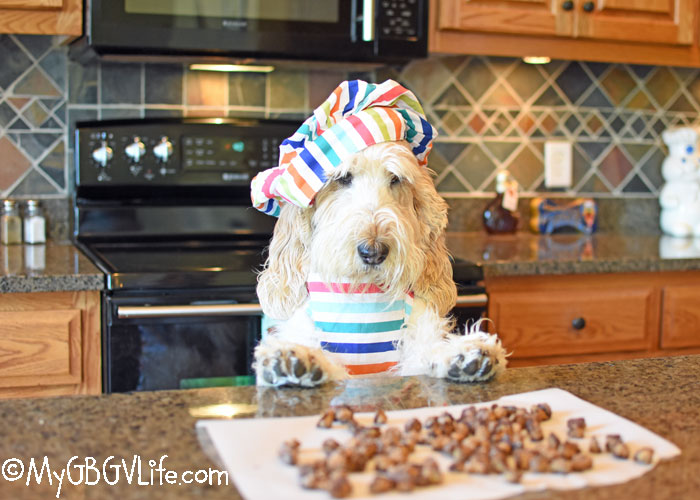

If you want to boost your dog’s training sessions, homemade treats can be your secret weapon. Making dog treats for training is easier than you think, and it lets you control exactly what your furry friend is eating.
Imagine having tasty, healthy rewards that your dog loves, made right in your kitchen. Ready to discover simple recipes and tips that will make training more fun and effective for both you and your dog? Keep reading—you’re just a few steps away from becoming your dog’s favorite treat maker!
Benefits Of Homemade Dog Treats
Making dog treats at home offers more than just a fun cooking project. It gives you the power to decide exactly what goes into your dog’s snacks, which is crucial for their health and happiness. Plus, it’s a smart way to keep training rewarding without breaking the bank.
Control Ingredients
When you make treats yourself, you know every ingredient inside. You can avoid artificial preservatives, fillers, or allergens that might upset your dog’s stomach. This control helps you keep treats healthy and safe, especially if your dog has special dietary needs or sensitivities.
Have you ever checked the label on store-bought treats and wondered what some ingredients really are? By making your own, you never have to guess.
Cost-effective Options
Homemade treats often cost less than buying premium commercial ones. You can use everyday kitchen staples like oats, peanut butter, or pumpkin to create tasty rewards. This saves money, especially if you need lots of treats for frequent training sessions.
Think about how many treats you go through during just one training class. Making them yourself can add up to big savings over time.
Tailored To Your Dog’s Preferences
Every dog has unique taste preferences. By making treats at home, you can experiment with flavors and textures your dog loves most. Whether your dog prefers chewy bites or crunchy snacks, you can customize recipes until you find the perfect match.
Have you noticed how your dog reacts differently to various treats? Use that insight to create something they’ll be excited to earn every time.

Credit: thewoksoflife.com
Essential Ingredients For Dog Treats
Choosing the right ingredients is key to making dog treats that your furry friend will love and benefit from. Quality ingredients not only ensure taste but also support your dog’s health during training sessions. Let’s break down what essentials you should focus on to create tasty and nutritious treats.
Healthy Proteins
Proteins build and repair muscles, making them vital in dog treats. Lean meats like chicken, turkey, and beef are great choices. You can also use eggs or fish, which offer omega-3 fatty acids that promote a shiny coat and brain health.
Have you ever noticed your dog’s excitement when you use meat-based treats? That’s because protein-rich snacks feel rewarding and keep their energy levels stable during training.
Dog-safe Grains And Vegetables
Grains like brown rice and oats provide fiber and energy without causing stomach upset. Vegetables such as sweet potatoes, carrots, and green beans add vitamins and minerals. These ingredients also add texture, making treats more interesting for your dog.
Always ensure the grains and veggies you choose are safe and easy to digest. Some dogs have sensitivities, so start with small amounts and observe how your dog reacts.
Natural Flavor Enhancers
To make treats irresistible, add natural flavor enhancers like parsley, cinnamon, or a small amount of peanut butter. These ingredients boost taste without harmful additives. Avoid artificial flavors, which can cause allergies or digestive issues.
Think about what smells and tastes your dog reacts to most. Using these natural enhancers can turn a simple treat into a powerful training reward.
Tools Needed For Treat Making
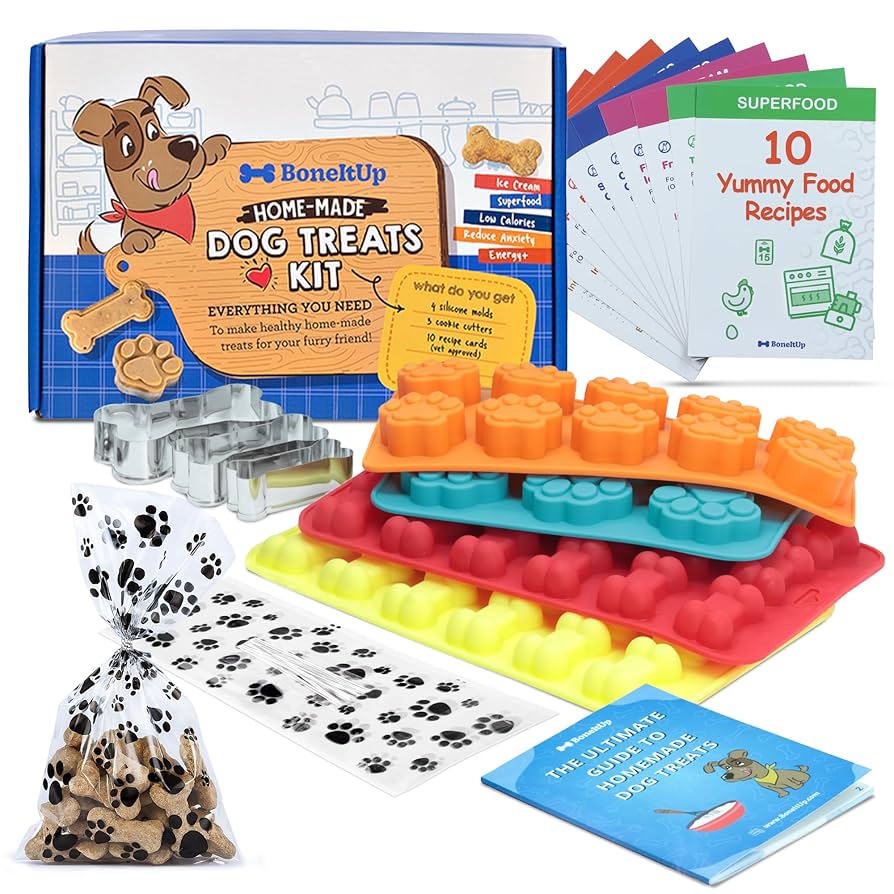
Basic kitchen tools like mixing bowls, measuring cups, and spoons help prepare dog treats easily. A baking sheet and parchment paper are useful for shaping and baking. Simple tools make treat making quick and fun.
When diving into the delightful world of homemade dog treats for training, having the right tools can make all the difference. You don’t need a professional chef’s kitchen to whip up something your furry friend will love. With a few basic items and some specialty tools, you can create a variety of treats that will keep your dog eager and attentive during training sessions.Basic Kitchen Equipment
To start, you’ll need some everyday kitchen tools that you likely already have. Mixing bowls are essential for combining ingredients. Choose a size that allows you to mix without spilling. A baking sheet is necessary for baking treats. A non-stick option or lining it with parchment paper can save you a lot of cleanup time. Don’t forget a spatula for mixing and transferring dough, which is far more efficient than using your hands. Measuring cups and spoons ensure your recipe turns out just right. Precision can be the difference between a chewy treat and a crumbly one. Have you ever tried baking without them? It’s like navigating without a map!Specialty Baking Tools
While basic tools are sufficient for simple treats, some specialty items can take your treat-making to the next level. Cookie cutters in fun shapes can add a touch of whimsy to your treats. Imagine the joy on your pup’s face when they see a bone-shaped snack! A food processor can be incredibly handy for blending ingredients smoothly. Whether you’re making a liver paste or grinding oats, this tool can save time and effort. Lastly, a dehydrator is excellent for making longer-lasting treats. It allows you to create crunchy snacks like jerky or dried fruits that dogs love. Plus, these treats can be stored for weeks, making them perfect for ongoing training. What tools do you find indispensable in your treat-making adventures? Embrace the process, experiment, and most importantly, have fun creating treats that will make your dog’s tail wag with joy!Simple Treat Recipes
Simple treat recipes make training fun and effective. They use common ingredients and take little time. Making treats at home ensures freshness and controls what your dog eats. You can try these easy recipes to keep your pup motivated and happy.
Peanut Butter And Oat Bites
These bites are a tasty and healthy reward. Use natural peanut butter without xylitol. Mix peanut butter with oats and a little water. Roll the mixture into small balls. Bake at 350°F (175°C) for about 10 minutes. Let them cool before giving to your dog. These treats are soft and perfect for quick training.
Pumpkin And Carrot Cookies
Pumpkin and carrot add vitamins and flavor. Combine canned pumpkin, grated carrots, and whole wheat flour. Add an egg to bind the dough. Shape into small cookies on a baking sheet. Bake at 350°F (175°C) for 15-20 minutes. Cool completely. These cookies are crunchy and healthy for your dog.
Chicken And Sweet Potato Chews
Chicken and sweet potato provide protein and fiber. Slice sweet potatoes thinly and cook chicken breast. Mix shredded chicken with mashed sweet potatoes. Form small chew shapes and place on a baking tray. Bake at 300°F (150°C) for 30-40 minutes until firm. Let them cool. These chews are chewy and great for training sessions.
Tips For Baking And Storage
Baking and storing your homemade dog treats properly can make all the difference in keeping them fresh, tasty, and safe for your furry friend. Paying attention to baking time and temperature helps maintain the treats’ texture and nutrients. Proper cooling and storage prevent mold and spoilage, while knowing the shelf life and freezing options ensures you always have treats ready for training sessions.
Baking Time And Temperature
Set your oven to the right temperature—usually between 325°F and 350°F works best for dog treats. Baking too hot can burn the treats on the outside while leaving the inside doughy. Too low, and they may dry out or take forever to bake.
Keep an eye on the treats as they bake. Depending on size, most treats take between 15 to 25 minutes. If your first batch comes out too soft, increase baking time slightly next time. If they’re too hard, reduce it.
Cooling And Storing Treats
Let your treats cool completely on a wire rack before storing. Warm treats can create condensation, causing sogginess or mold. Patience here means longer-lasting freshness.
Store treats in an airtight container at room temperature if you plan to use them within a week. For longer storage, consider a sealed jar or plastic bag. Avoid places with direct sunlight or high humidity.
Shelf Life And Freezing
Most homemade dog treats last about one week at room temperature. You can extend this to two weeks if refrigerated. Have you ever noticed treats going stale or smelling off? That’s a sign they’ve passed their prime.
Freezing treats is a great option for longer storage. Place them in a freezer-safe bag or container, and they’ll stay fresh for up to three months. When it’s training time, just thaw a few at a time—no need to defrost the whole batch.

Credit: food52.com
Training Tips Using Homemade Treats
Homemade dog treats are great for training. They are fresh, healthy, and your dog will love them. Using these treats effectively helps your dog learn faster and stay motivated. Here are some simple tips to make training with homemade treats successful.
Reward Timing
Give the treat immediately after your dog does the right action. Dogs link the reward with the behavior this way. Delay confuses them and slows learning. Keep treats ready before training starts. Quick rewards make your dog eager to repeat the action.
Portion Control
Use small pieces of treats during training. Big treats can distract or fill up your dog too fast. Tiny bites keep your dog focused and willing to work longer. You can break a treat into many small parts. This helps keep training sessions fun and effective.
Combining Treats With Praise
Say “good job” or give a gentle pet along with the treat. Dogs respond well to both food and kind words. Praise builds trust and makes training more enjoyable. Use a happy tone. This shows your dog they did well and encourages them to keep trying.
Safety Considerations
Keeping your dog safe while making treats for training is crucial. Not every ingredient that tastes good to humans is safe for dogs. You need to think carefully about what goes into those little rewards to avoid health issues and ensure your pup stays happy and healthy.
Avoiding Harmful Ingredients
Some common foods can be toxic to dogs. Ingredients like chocolate, grapes, raisins, onions, garlic, and artificial sweeteners like xylitol should never be in your homemade treats. Even small amounts can cause serious problems.
Stick to dog-safe options like plain chicken, pumpkin, or peanut butter without xylitol. Double-check every ingredient label to avoid surprises. Have you ever looked closely at what’s in your dog’s store-bought treats? It might shock you.
Allergy Awareness
Dogs can have food allergies just like people. Watch for signs like itching, redness, or upset stomach after trying a new treat. If your dog shows any of these symptoms, stop feeding that ingredient immediately.
Common allergens include beef, dairy, wheat, and soy. Start with small batches and introduce new treats slowly. This way, you can spot any reactions early and keep your dog comfortable.
Consulting Your Vet
Your vet is your best resource when planning homemade treats. They can advise you on safe ingredients and portion sizes based on your dog’s age, size, and health condition. Don’t hesitate to ask about special diets or restrictions.
Sometimes, what works for one dog might not work for another. I once made sweet potato treats for my dog, only to find out he needed a low-fat diet. A quick vet chat saved me from making treats that could harm him.
Credit: www.amazon.com
Frequently Asked Questions
What Ingredients Are Best For Homemade Dog Treats?
Use simple, natural ingredients like peanut butter, oats, pumpkin, and chicken. Avoid toxic items like chocolate, onions, and garlic for safety.
How Do I Store Homemade Dog Treats Properly?
Store treats in an airtight container at room temperature. Refrigerate if using fresh ingredients to keep them fresh longer.
Can Homemade Dog Treats Help With Training Effectiveness?
Yes, tasty homemade treats motivate dogs during training. They act as positive reinforcement, encouraging good behavior consistently.
How Often Should I Give Dog Treats During Training?
Give small treats frequently during training sessions. Limit total treats to avoid overfeeding and maintain a balanced diet.
Conclusion
Making dog treats at home helps keep training fun and healthy. You control the ingredients, so treats stay fresh and safe. Simple recipes save money and let you try new flavors. Your dog will enjoy treats made with love and care.
Keep treats small and tasty to keep your dog focused. Training becomes easier with rewards your dog truly likes. Give homemade treats a try and watch your dog learn happily. Small steps lead to big training success.