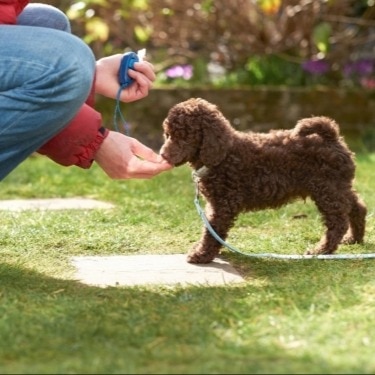

If you have an older dog who isn’t yet pad trained, you might feel it’s too late to teach them new habits. But here’s the good news: your dog can learn at any age.
Imagine a cleaner home, fewer accidents, and less stress for both you and your furry friend. You’ll discover simple, effective steps to pad train your older dog with patience and care. Keep reading, and you’ll find out how to make this process smooth and rewarding for both of you.
Benefits Of Pad Training Older Dogs
Pad training an older dog can bring a surprising number of benefits, both for you and your furry friend. It offers a practical solution to common challenges that come with aging pets, such as reduced mobility or health issues. Understanding these benefits can help you decide if pad training fits your dog’s unique needs and lifestyle.
Improves Comfort And Convenience
Older dogs might struggle with going outside frequently due to arthritis or other health problems. Providing a pad inside your home gives them a comfortable, accessible spot to relieve themselves without the stress of long walks.
This convenience also makes your daily routine easier. You won’t have to rush outside in bad weather or late at night, which can be a relief for both you and your dog.
Supports Health Management
Pad training can be a valuable tool if your dog has incontinence or other medical conditions. It helps you manage accidents in a clean, controlled way.
By monitoring how often your dog uses the pad, you can also keep track of their health and notice any changes early. Have you noticed your dog’s habits changing recently? A pad can make it easier to spot those shifts.
Reduces Stress For Your Dog
Older dogs can feel anxious about getting outside quickly or navigating stairs. A designated pad area reduces this stress by offering a reliable place to go when needed.
This sense of security can improve their overall mood and comfort, making their golden years more enjoyable.
Helps Maintain Cleanliness In Your Home
Accidents can be frustrating and hard to clean, especially with an older dog. Pads contain messes and make cleanup straightforward.
Keeping your home clean benefits everyone, including guests who visit. It also protects your floors and furniture from damage.
Promotes Independence
Older dogs often rely more on their owners for care, but pad training encourages them to take some responsibility for their bathroom needs.
This independence can boost their confidence and reduce feelings of helplessness as they age.

Credit: www.amazon.com
Choosing The Right Pads
Choosing the right pads is key to successful pad training for an older dog. The right pad not only keeps your home clean but also makes your dog feel comfortable and confident. Understanding the options available helps you pick what works best for your dog’s unique needs.
Types Of Pads
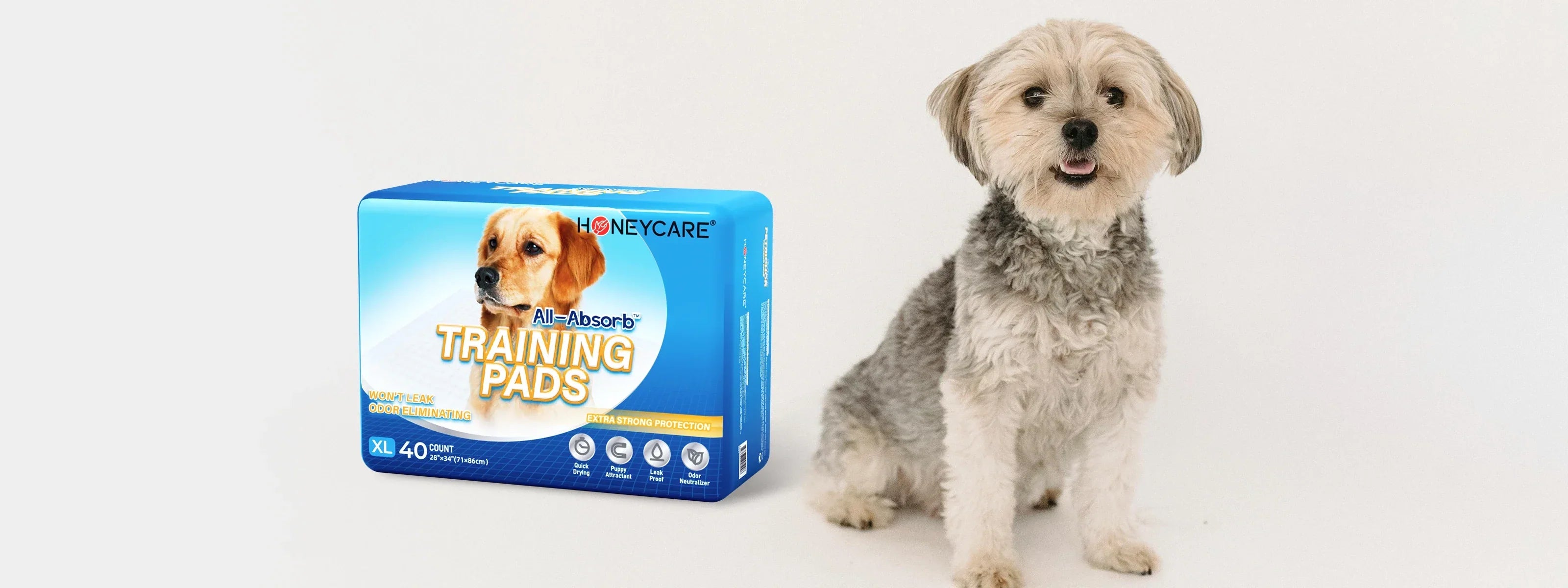
There are several types of pads designed for different situations. Disposable pads are convenient and highly absorbent, making cleanup easy. Reusable pads are eco-friendly and cost-effective but require washing after use.
You might also find scented pads that help attract your dog to the spot or odor-neutralizing pads that keep your home smelling fresh. Consider your dog’s preferences—some dogs respond better to certain textures or scents.
Size And Absorbency
Choosing the right size is crucial. Pads that are too small won’t contain accidents effectively, leading to messes and frustration for both you and your dog.
Absorbency is equally important. Older dogs may have less control, so picking pads with high absorbency can prevent leaks. If your dog is large or produces a lot of urine, look for extra-large or heavy-duty pads.
Placement Tips
Where you place the pad influences how quickly your dog learns. Pick a quiet, low-traffic area that’s easy for your dog to access. Avoid placing pads near food or sleeping areas, as dogs prefer to keep these separate.
Try placing pads where your dog has previously had accidents—this can encourage them to use the pad instead. Moving the pad gradually closer to the door can help transition your dog to outdoor potty habits if that’s your goal.
Preparing Your Dog For Training
Older dogs need patience and gentle guidance before training begins. Create a calm space and gather all training supplies nearby. Building trust and using positive rewards help your dog adjust and learn effectively.
Preparing your dog for training is crucial for successful pad training. Creating a supportive environment makes the process smoother. Older dogs might face challenges, but a little patience goes a long way.Assessing Your Dog’s Needs
Understanding your dog’s personality is vital. Some dogs may need more encouragement. Observe their habits and behavior. This helps tailor the training approach. Consider any health issues that might affect training. Consult your vet if needed. Knowing your dog’s needs ensures effective training sessions.Setting A Routine
Establish a consistent schedule for your dog. Regular feeding and bathroom breaks are essential. A routine helps them understand expectations. Consistency reduces anxiety and confusion. Stick to the routine even on weekends. This builds a habit and improves training success.Creating A Comfortable Space
Designate a specific area for pad training. Make it inviting and calm. Use a soft pad and ensure easy access. Remove distractions to keep focus. A comfortable space encourages your dog to use the pad. Reward them for successful attempts. Positive reinforcement boosts confidence. Creating a supportive environment lays the groundwork for effective training.Step-by-step Training Process
Training an older dog to use pads requires patience and a clear approach. You’ll want to guide your dog gently through each stage while keeping their comfort and habits in mind. The process involves introducing the pad, encouraging its use, and rewarding your dog’s success to build positive associations.
Introducing The Pad
Start by placing the pad in a quiet, accessible area where your dog already spends time. Let your dog sniff and explore the pad without pressure. Older dogs might be wary of new objects, so give them space to get familiar.
You can also place some of your dog’s scent on the pad by rubbing a cloth on their fur and then on the pad. This helps your dog connect the pad to their personal space. Have you noticed how your dog reacts to new items in their environment? Use that reaction to adjust your approach.
Encouraging Use
Encourage your dog to use the pad by observing their natural bathroom habits. When you see signs they need to go, gently lead them to the pad. Timing is crucial; older dogs might take longer to adapt their schedule.
Use clear, consistent commands like “go potty” when guiding your dog to the pad. If your dog seems hesitant, try placing a small amount of their urine on the pad to create a familiar smell. Have you tried following your dog’s cues closely to catch the right moment?
Rewarding Success
Every time your dog uses the pad, offer immediate praise and a treat. Positive reinforcement helps your dog understand what you want from them. Keep rewards high-value—something your dog loves but doesn’t get all the time.
Avoid scolding if accidents happen outside the pad; instead, clean the area thoroughly to remove any lingering scent. Consistency in your response will build your dog’s confidence. What rewards have worked best for your dog before? Tailoring rewards can make a big difference.
Common Challenges And Solutions
Training an older dog to use pads can bring unique challenges. These issues might slow progress or cause frustration. Knowing common problems and how to solve them helps keep training on track. Patience and clear strategies make the process easier for both you and your dog.
Accidents Outside The Pad
Older dogs may have accidents outside the pad due to confusion or health issues. Watch for signs like sniffing or circling. Gently guide your dog back to the pad each time. Clean accidents with an enzyme cleaner to remove odors. This stops repeat accidents in the same spot.
Reluctance To Use Pads
Some dogs resist using pads because of unfamiliar smells or textures. Make the pad inviting by placing treats or toys nearby. Praise your dog every time they use the pad correctly. Keep the pad in a quiet, easy-to-access spot. Change the pad brand if your dog dislikes the material.
Maintaining Consistency
Consistency is key to successful pad training. Set a regular schedule for bathroom breaks. Use the same command words every time. Keep all family members following the same rules. Consistent routines help older dogs understand what is expected. Patience pays off with steady practice and encouragement.
Credit: honeycarepets.com
Maintaining Hygiene And Cleanliness
Keeping your home fresh and your older dog comfortable goes hand in hand with maintaining hygiene and cleanliness during pad training. It’s not just about swapping out pads—it’s about creating an environment where your dog feels secure and you feel confident. Let’s look at some practical ways to keep things clean and odor-free.
Cleaning Tips
Accidents happen beyond the pads. Clean any spots on the floor immediately with a pet-safe cleaner to prevent stains and smells. Using an enzymatic cleaner breaks down urine proteins, which helps stop your dog from re-marking the same spot.
Wash your dog’s paws regularly to reduce bacteria and keep them from spreading messes around the house. You’ll notice your floors stay cleaner, and your dog will feel more comfortable, especially if they have sensitive skin.
Replacing Pads
Change pads frequently, even if they don’t seem fully soiled. Leaving a pad too long can make it less effective and uncomfortable for your dog. A good rule is to replace the pad as soon as it’s wet or soiled to maintain hygiene and encourage your dog to use it consistently.
Keep extra pads handy in different rooms or near your dog’s favorite spots. This makes it easier to replace them quickly and helps your dog associate the pad with a clean, inviting place to go.
Odor Control
Odor can quickly become a problem if not addressed. Sprinkle baking soda around the pad area to neutralize smells without harsh chemicals. This simple trick keeps your space smelling fresh and your dog more willing to use the pad.
Ventilate the room regularly to keep air circulating and reduce lingering odors. You might also consider an air purifier designed for pet owners to help manage any stubborn smells.
Have you noticed how your dog reacts differently in clean versus smelly areas? Keeping the training spot fresh can actually speed up their learning process.
When To Seek Professional Help
Knowing when to seek professional help during pad training is important. Some signs show you need expert guidance to avoid frustration and setbacks.
Older dogs might have special needs that require a trained professional’s approach. Acting early can save time and stress for both you and your dog.
Signs Your Dog Needs Professional Support
- Your dog shows no progress after consistent training efforts.
- Accidents happen frequently despite following all instructions.
- Your dog displays anxiety or fear during training sessions.
- There are sudden changes in your dog’s bathroom habits.
- Medical issues may be causing difficulty with house training.
Types Of Professionals To Consult
- Certified dog trainers with experience in older dogs.
- Veterinarians to rule out health problems.
- Animal behaviorists for complex behavioral issues.
What To Expect From Professional Help
- Personalized training plans tailored to your dog’s needs.
- Hands-on support and clear instructions for you.
- Strategies to address specific problems like anxiety or medical concerns.
Credit: www.chewy.com
Frequently Asked Questions
How Long Does Pad Training Take For Older Dogs?
Pad training duration varies by dog. Consistency and patience speed up progress. Older dogs may take longer due to established habits. Training can last from a few weeks to several months. Regular praise and scheduled potty times improve success.
What Supplies Do I Need For Pad Training?
You need puppy pads, a designated potty area, and cleaning supplies. Use attractant sprays to encourage pad use. Keep treats handy for rewards. Have gloves and odor removers for accidents. Consistent supplies help maintain hygiene and reinforce training.
How Can I Prevent Accidents During Pad Training?
Supervise your dog closely to prevent accidents. Take them to the pad frequently, especially after meals. Praise immediately when they use the pad. Clean accidents with enzyme cleaners to remove odors. Avoid punishment, as it can confuse your dog.
Can Older Dogs Learn To Use Pads Effectively?
Yes, older dogs can learn pad training with patience. Consistent routines and positive reinforcement are key. Adjust training to fit their mobility and health needs. Gradual transition helps reduce stress. Older dogs appreciate clear guidance and gentle encouragement.
Conclusion
Training an older dog to use pads takes time and patience. Consistency helps your dog learn faster. Praise your dog often to encourage good behavior. Keep the training area clean and inviting. Expect small accidents; they are part of learning.
Remember, every dog can improve with gentle guidance. Stay calm and keep trying each day. Soon, your dog will feel more comfortable and confident. Patience and love make the process easier for both. Enjoy the journey with your loyal friend.