

Training your Shih Tzu dog can feel like a big challenge, but it doesn’t have to be. With the right approach, you can help your furry friend learn good habits quickly and enjoy every step of the process.
Imagine having a well-behaved, happy Shih Tzu who listens to you and makes your life easier. This guide will show you simple, effective ways to train your dog, no matter their age or personality. Keep reading, and you’ll discover the secrets to building a strong bond with your Shih Tzu while turning training into a fun experience for both of you.
Choosing The Right Training Method
Choose a training method that suits your Shih Tzu’s personality and energy level. Gentle, consistent approaches work best for this small, friendly breed. Patience and positive rewards help build trust and encourage good behavior.
Choosing the right training method for your Shih Tzu sets the foundation for a happy and well-behaved companion. Each dog responds differently, so understanding what fits your pet’s personality and your lifestyle is key. Your approach shapes how quickly your Shih Tzu learns and how strong your bond becomes.Positive Reinforcement Techniques
Positive reinforcement means rewarding your Shih Tzu for good behavior instead of punishing mistakes. Treats, praise, or playtime work well to motivate them. When I used small pieces of chicken to reward my Shih Tzu, he eagerly repeated commands just to earn more. This method builds trust and encourages your dog to repeat actions that bring rewards. Keep rewards immediate and consistent to avoid confusion. Have you noticed how your dog’s tail wags faster when you say “good boy” or offer a treat?Clicker Training Basics
Clicker training uses a small device that makes a clicking sound to mark the exact moment your dog does something right. The click acts as a clear signal, followed by a treat. This technique helps your Shih Tzu connect actions with rewards faster. Start by clicking and treating several times in a row to teach your dog the sound means a reward is coming. Then, use the click to mark specific behaviors like sitting or coming when called. This creates a sharp learning moment that verbal praise alone can’t match.Avoiding Common Mistakes
One common mistake is expecting too much too soon. Shih Tzus have short attention spans, so keep training sessions brief and fun. Trying to teach multiple commands at once can overwhelm them. Another error is inconsistency—using different cues or varying rewards confuses your dog. Stick to one command word and reward system. Lastly, avoid punishment or harsh corrections; they can damage your relationship and slow progress. What challenges have you faced in training your Shih Tzu? Adjusting your method might be the key to success.Setting Up A Training Schedule
Setting up a training schedule is one of the most important steps you can take to help your Shih Tzu learn quickly and happily. A clear routine gives your dog a sense of security and helps you stay organized. Without a plan, training sessions might become inconsistent, making progress slower and more frustrating for both of you.
Ideal Training Times
Pick times when your Shih Tzu is naturally alert but not too hungry or tired. Early mornings or late afternoons often work best because your dog is usually more focused. Avoid training right after meals or during nap times to prevent distractions.
Try to observe your dog’s natural energy peaks. Does your Shih Tzu seem more playful or attentive at certain times? Use those moments to your advantage. Training during these windows increases success and keeps your dog eager to learn.
Short And Effective Sessions
Shih Tzus have short attention spans, so keep sessions brief but productive. Aim for 5 to 10 minutes at a time, two or three times a day. This avoids overwhelming your dog and keeps each session enjoyable.
Use quick rewards like treats or praise to reinforce good behavior immediately. Ending on a positive note makes your dog look forward to the next session. Have you noticed how a short, fun game can motivate your dog more than a long lecture? The same applies to training.
Consistency Is Key
Consistency helps your Shih Tzu understand what you expect. Stick to the same commands, rewards, and training times every day. This builds clear communication and faster learning.
Try to train in the same location at first to reduce distractions. Once your dog masters commands there, gradually introduce new environments. How often do you repeat a command before your dog responds? Consistency lets your dog connect the dots quickly.
Housebreaking Your Shih Tzu
Teaching a Shih Tzu where to go potty takes patience and consistency. Use a regular schedule and praise good behavior to help your dog learn quickly. Small, frequent trips outside work best for housebreaking success.
Training a Shih Tzu can be a rewarding experience, especially when it comes to housebreaking. This process requires patience and consistency, but the bond you build with your furry companion makes it worthwhile. Housebreaking your Shih Tzu involves teaching them where and when it’s appropriate to do their business, which sets the foundation for a happy and harmonious home life.Crate Training Tips
Crate training is an effective method for housebreaking your Shih Tzu. It provides a safe and comfortable space for your dog, simulating a den-like environment where they naturally avoid soiling. To begin, choose a crate that is just big enough for your Shih Tzu to stand, turn around, and lie down comfortably. Introduce the crate gradually, ensuring it is associated with positive experiences. You can place treats and toys inside to encourage exploration and make it an inviting space. Remember, never use the crate as a form of punishment; it should always be a place of comfort.Establishing Bathroom Routines
Creating a consistent bathroom routine is crucial for your Shih Tzu’s housebreaking success. Take your dog outside to the same spot every time they need to go, reinforcing the location as the designated bathroom area. Regularity is key—schedule potty breaks after meals, naps, and playtime. Praise your Shih Tzu enthusiastically when they eliminate in the right spot. This positive reinforcement encourages them to repeat the behavior. Over time, your dog will learn to associate the routine with bathroom time, reducing the likelihood of accidents indoors.Handling Accidents Calmly
Accidents are a natural part of the housebreaking process, so it’s important to handle them calmly and without frustration. If you catch your Shih Tzu in the act, gently interrupt them and take them outside immediately. This teaches them where they should go instead. Clean up accidents promptly and thoroughly to remove any lingering odors that might attract your dog back to the same spot. Use enzymatic cleaners designed for pet stains to ensure complete odor removal. Patience and understanding during these moments will help maintain your bond and support your Shih Tzu’s learning journey. Housebreaking your Shih Tzu can be challenging, but with the right approach and mindset, it is entirely achievable. Are you ready to embrace the process and strengthen your connection with your furry friend?
Credit: www.barkbusters.com
Teaching Basic Commands
Teaching your Shih Tzu basic commands lays the foundation for a well-behaved and happy companion. It helps your dog understand what you expect and builds a stronger bond between you. Starting early with simple commands also makes daily life smoother for both of you.
Sit, Stay, And Come
These three commands are essential for your Shih Tzu’s safety and manners. Begin with sitby holding a treat close to your dog’s nose, then slowly move it upward. Your dog will naturally sit to follow the treat—say “sit” clearly and reward immediately.
The staycommand teaches your Shih Tzu patience. After your dog sits, open your palm toward them and say “stay.” Take a step back slowly. If your dog stays put, return quickly and give praise and a treat. Gradually increase the distance and time.
Comeis vital for recall. Use a cheerful tone and say “come” while gently pulling on a leash or clapping your hands. When your dog comes, reward with treats and affection right away. Practice this in a safe, enclosed space first.
Leash Walking Manners
Shih Tzus are small but can pull when excited. Teach your dog to walk politely on a leash by stopping whenever they pull forward. Wait until the leash slackens, then continue walking.
Use short training sessions during daily walks to keep your dog focused. Changing directions randomly can also keep your Shih Tzu attentive to your movements. Have you noticed how your dog’s behavior changes when you control the pace?
Using Treats And Praise
Treats and praise are powerful tools for teaching your Shih Tzu. Use small, soft treats that your dog loves, so they stay motivated. Timing is key—reward immediately after the desired behavior to make the connection clear.
Don’t rely only on treats; praise your dog enthusiastically with words and petting. This builds emotional trust and makes learning enjoyable. Remember, patience and consistency turn training into a fun game for both of you.
Socializing Your Shih Tzu
Socializing your Shih Tzu is essential for raising a confident, friendly companion. Proper socialization helps your dog adapt to new people, animals, and places without fear or aggression. It’s about building positive experiences that shape your Shih Tzu’s behavior and attitude throughout life.
Introducing To New People
Start by allowing your Shih Tzu to meet different people in calm settings. Encourage gentle interaction and praise your dog for calm behavior. If your Shih Tzu seems shy or nervous, take it slow—let them approach new people at their own pace.
Have you noticed how some dogs instantly warm up to strangers while others hide? This often depends on early socialization experiences. Try introducing your Shih Tzu to people of all ages, wearing different clothes, and using varied voices to build comfort.
Meeting Other Dogs
Let your Shih Tzu meet other dogs in controlled environments, like friend’s homes or quiet parks. Watch their body language closely—tail wagging and relaxed posture are good signs. If your dog shows signs of stress, step back and try a shorter or more distant introduction.
Group puppy classes or playdates can be great for socializing. They teach your Shih Tzu how to communicate with other dogs and can prevent future aggression or fear. What kind of dog do you think your Shih Tzu will get along with best?
Exposure To Different Environments
Take your Shih Tzu to various places: busy streets, quiet trails, pet-friendly stores, or even car rides. Different sights, sounds, and smells help your dog become more adaptable. Keep these experiences positive by offering treats and praise.
Remember, sudden loud noises or crowded places can overwhelm your Shih Tzu, so monitor their reactions carefully. Gradual exposure builds resilience and curiosity. What new environment will you explore with your dog next?
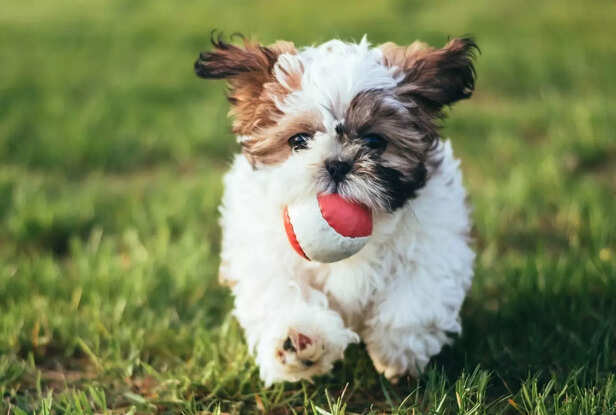
Credit: timespets.com
Addressing Behavioral Issues
Behavioral issues can make training a Shih Tzu challenging. These small dogs often show strong personalities. Addressing problems early helps build a happy, well-behaved pet. Patience and consistency are key. Understanding common behaviors guides effective training.
Managing Barking
Barking is natural but can become excessive. Identify what triggers your Shih Tzu’s barking. Common causes include boredom, fear, or attention-seeking. Use these tips to manage barking:
- Stay calm and avoid yelling back.
- Distract with toys or commands.
- Reward quiet behavior with treats.
- Provide enough exercise and mental stimulation.
- Ignore attention-seeking barks to reduce them.
Reducing Separation Anxiety
Shih Tzus love company and may feel anxious alone. Signs include whining, pacing, or destructive acts. Help your dog feel safe by:
- Giving short, frequent departures to build tolerance.
- Providing favorite toys or chew items.
- Creating a comfortable, quiet space.
- Using calming scents or sounds.
- Keeping departures calm and low-key.
Handling Chewing And Digging
Chewing and digging are natural but can damage your home. Redirect these behaviors with proper outlets. Tips include:
- Offer chew toys and rotate them regularly.
- Supervise your dog outdoors and indoors.
- Use deterrent sprays on furniture or plants.
- Increase daily exercise to reduce excess energy.
- Teach commands like “leave it” or “no.”
Maintaining Training Progress
Maintaining your Shih Tzu’s training progress takes steady effort and attention. Consistent practice keeps commands fresh in your dog’s mind. Small adjustments help match your dog’s learning pace. Celebrating achievements boosts motivation for both you and your pet. This ongoing process ensures lasting good behavior and a happy pet-owner bond.
Regular Practice Sessions
Short, frequent training sessions work best for Shih Tzus. Aim for five to ten minutes daily. Use a quiet space with few distractions. Repeat commands and exercises often to reinforce learning. Consistency helps your dog remember and obey commands easily.
Adjusting Techniques As Needed
Observe how your Shih Tzu responds to training. Change your approach if progress slows down. Use different rewards or vary your tone to keep interest high. Be patient and flexible. Every dog learns in its own way and time.
Celebrating Milestones
Recognize every small success during training. Praise your Shih Tzu with treats or affection immediately. Mark milestones like mastering a new command or staying calm during walks. Positive reinforcement encourages your dog to keep learning and behaving well.

Credit: timespets.com
Frequently Asked Questions
How Long Does It Take To Train A Shih Tzu?
Training a Shih Tzu typically takes 8 to 12 weeks. Consistency and patience are key. Short, daily sessions help reinforce commands effectively.
What Is The Best Age To Start Training A Shih Tzu?
Start training your Shih Tzu as early as 8 weeks old. Early training builds good habits and social skills. Puppies learn quickly at this age.
How Do I Potty Train My Shih Tzu Effectively?
Use a consistent schedule and positive reinforcement. Take your Shih Tzu outside frequently and reward them for success. Patience and routine are essential.
What Commands Should I Teach My Shih Tzu First?
Begin with basic commands like sit, stay, come, and down. These commands establish control and improve communication. Keep training sessions short and fun.
Conclusion
Training a Shih Tzu takes patience and love. Start with small steps and stay consistent. Use treats and praise to encourage good behavior. Keep training sessions short to hold their attention. Remember, every dog learns at their own pace. Enjoy the process and build a strong bond.
A well-trained Shih Tzu is happy and confident. Your efforts will make life easier for both of you. Keep practicing daily to see the best results. Training is a gift you give your furry friend.