Are you tired of cleaning up messes all over your yard? Teaching your dog to poop in one spot can save you time and keep your space clean.
It might seem tricky at first, but with the right steps, you can make this happen faster than you think. In this guide, you’ll discover simple tips that work, so your dog learns exactly where to go. Keep reading, and soon you’ll enjoy a cleaner home and a happier pup.
Choose The Right Spot
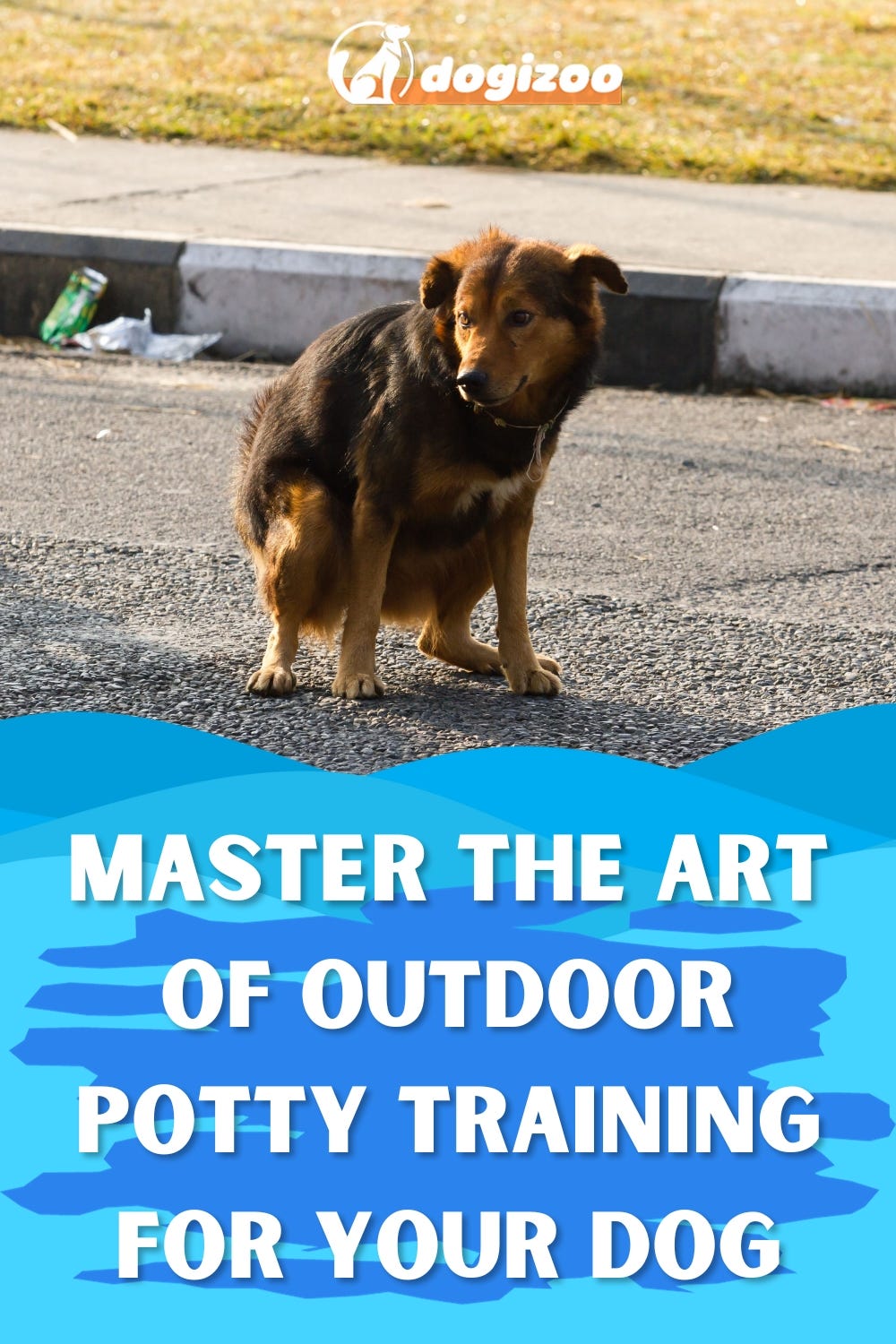
Choosing the right spot for your dog to poop is key to successful training. This place should be easy for your dog to find and feel comfortable using. Picking a spot helps your dog learn where to go, making the process faster and less stressful. The right location also keeps your yard and home clean and tidy.
Pick A Consistent Location
Always use the same spot for your dog’s bathroom breaks. Dogs learn by routine, so consistency helps them understand where to go. Pick an area with enough space for your dog to move around. The smell of previous visits encourages your dog to use the same spot again. Avoid changing locations often as this can confuse your dog.
Consider Accessibility And Safety
Choose a spot that your dog can reach easily at all times. Avoid areas with sharp objects or harmful plants. The location should be safe from busy roads or places with heavy foot traffic. Make sure the spot has good drainage to keep it dry and clean. A quiet and calm area helps your dog feel relaxed during bathroom breaks.
Credit: konstruktor.info.pl
Set A Routine
Setting a routine is key to training your dog to poop in one spot. Dogs thrive on consistency, and a predictable schedule helps them understand when and where it’s time to go. Without a routine, your dog may feel confused, making the training process longer and more frustrating.
Establish Regular Potty Times
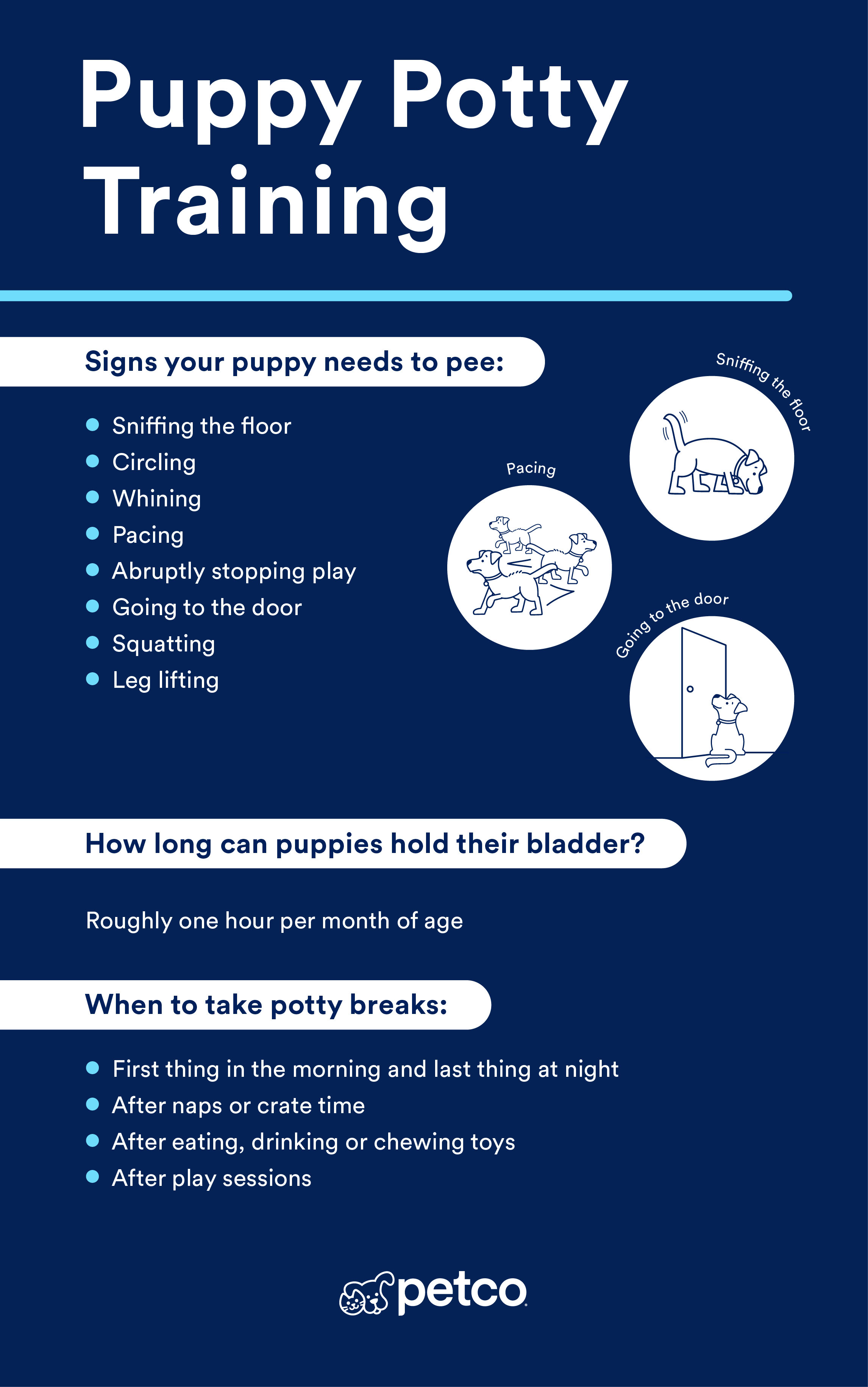
Pick specific times during the day to take your dog to the designated potty spot. Most dogs need to go shortly after waking up, after meals, and before bedtime. Sticking to these times helps your dog anticipate potty breaks and reduces accidents inside the house.
Try to be consistent even on weekends or days off. I noticed my dog started waiting by the door around the same times every day once I kept a steady schedule. That’s a clear sign your dog is learning the routine.
Use Feeding Schedule To Predict Poop Time
Your dog’s eating schedule directly affects when they need to poop. Feeding at the same times daily creates a natural rhythm for digestion and elimination. If you feed your dog at 7 AM and 6 PM, expect potty time roughly 15 to 30 minutes after each meal.
Watch how your dog reacts after eating—some dogs may need a quick walk immediately, while others take a bit longer. Adjust your potty routine based on these observations to make training more efficient.
Use Commands And Signals
Choose a simple word or phrase as a command for your dog to poop. Use this signal consistently each time you take your dog to the spot. Reward your dog after they follow the command to build a strong habit.
Training your dog to poop in one spot can make life easier. Using commands and signals is key to this training. Dogs understand cues and signals well. Consistency with these can lead to successful training. Here’s how to effectively use commands and signals for your dog’s potty training.Introduce A Potty Cue Word
Choose a simple cue word. Words like “go potty” or “do your business” work well. Use this word every time your dog goes to the bathroom. Say it in a calm, firm voice. Over time, your dog will associate the word with the action. This helps them know what you want. Consistency is crucial. Always use the same word.Recognize Your Dog’s Signals
Learn the signs your dog shows before they need to go. Common signals include sniffing around, circling, or whining. Each dog may have unique signals. Pay attention to these cues. Recognizing these signs helps you guide them to the right spot. When you see these signals, use the cue word. Lead them to the designated area. This reinforces the connection between the signal and the command.:strip_icc()/scared-of-vet-174675383-resized-56a26ace3df78cf77275634e.jpg)
Credit: www.thesprucepets.com
Positive Reinforcement
Positive reinforcement is one of the most effective ways to train your dog to poop in one spot. It focuses on rewarding good behavior rather than punishing mistakes. This approach helps your dog understand exactly what you want, making training faster and less stressful for both of you.
Reward Successful Pooping
Every time your dog poops in the designated spot, immediately offer a reward. This could be a tasty treat, enthusiastic praise, or a favorite toy. Timing is key—reward your dog right after they finish, so they connect the action with the positive outcome.
Consistency matters. Use the same reward each time to reinforce the behavior clearly. You might notice your dog starts to look for that treat or praise when they head to their spot. This shows they are learning and motivated to repeat the behavior.
Avoid Punishment For Accidents
It’s important not to punish your dog for accidents outside the spot. Dogs don’t understand punishment the way humans do, and it can create fear or confusion. Instead, calmly clean the area without making a fuss, then focus on encouraging the right spot next time.
Have you ever felt frustrated when your dog pooped in the wrong place and wanted to scold them? Try to resist that urge—it might make training take longer. Remember, your dog is learning, and patience plus positive reinforcement will get better results than punishment.
Manage Accidents Effectively
Accidents are part of the learning curve when training your dog to poop in one spot. How you handle these mishaps can either set back your progress or speed up success. Managing accidents effectively means acting quickly and thoughtfully to guide your dog without creating confusion or fear.
Clean Up Thoroughly
Cleaning up accidents properly is crucial. Any leftover scent can encourage your dog to return to the same wrong spot. Use an enzymatic cleaner designed specifically for pet messes to break down odors completely.
Regular household cleaners might mask the smell temporarily but won’t remove it. Have you noticed your dog returning to the same corner after an accident? That’s often because the scent wasn’t fully eliminated.
Also, avoid using ammonia-based cleaners. They smell similar to urine and can confuse your dog further. A clean environment helps your dog understand that the accident spot is off-limits.
Redirect To The Chosen Spot
After an accident, gently guide your dog to the designated bathroom area. Timing matters—you want to redirect immediately after you spot the accident. This helps your dog connect the right place with the need to go.
Use positive reinforcement when your dog poops in the correct spot. Praise, treats, or a favorite toy can make a big difference. Have you tried this? The more you reward the right behavior, the faster your dog learns.
If your dog starts sniffing or circling in the wrong area, calmly take them to the chosen spot. Consistency in redirection teaches your dog where they should go next time. Patience here builds long-term habits, not just quick fixes.
Be Patient And Consistent
Training your dog to poop in one spot demands patience and consistency. Dogs thrive on routine, and your steady approach will help them understand exactly what you expect. Don’t rush the process; celebrate small wins and keep a calm, positive attitude as you guide your dog.
Track Progress Over Time
Keep a simple log of your dog’s bathroom habits. Note the times they go, where they go, and any changes you notice. This helps you see patterns and recognize improvements you might otherwise miss.
Tracking progress also makes it easier to spot setbacks early. If your dog suddenly starts going outside the designated spot, you can quickly adjust your approach. Have you ever noticed your dog’s behavior change after a walk or meal? These clues can guide your training.
Adjust Techniques As Needed
No single method works for every dog. If your current routine isn’t helping your dog focus on one spot, try changing something small. Maybe move the spot slightly or reward your dog differently.
Stay flexible and open to tweaking your training. If your dog seems distracted or confused, simplify your commands or increase rewards. Remember, your goal is clear communication, not perfection on the first try.
Credit: www.petco.com
Frequently Asked Questions
How Long Does It Take To Train A Dog To Poop In One Spot?
Training usually takes 2 to 4 weeks with consistent effort. Patience and routine are key to success. Use positive reinforcement and reward your dog after they poop in the chosen spot.
What Is The Best Spot To Train My Dog To Poop?
Choose a quiet, easily accessible outdoor area. It should be away from high-traffic zones and play areas. Consistency in using the same spot helps your dog learn faster.
How Often Should I Take My Dog To The Poop Spot?
Take your dog to the spot every 2 to 3 hours initially. Regular trips after meals and naps improve success. Gradually, your dog will learn to go on cue.
Should I Use Treats To Encourage Pooping In One Spot?
Yes, treats and praise reinforce good behavior effectively. Reward your dog immediately after they poop in the designated spot. This positive reinforcement speeds up training.
Conclusion
Training your dog to poop in one spot takes time and patience. Stay consistent with your routine and rewards. Choose a quiet, easy-to-clean area for your dog’s bathroom needs. Watch your dog’s signals and guide them gently. Celebrate small successes to keep motivation high.
Remember, every dog learns at its own pace. Keep calm, be patient, and stay positive. Soon, your dog will understand where to go. This makes life cleaner and happier for both of you. Keep practicing, and enjoy a well-trained dog!