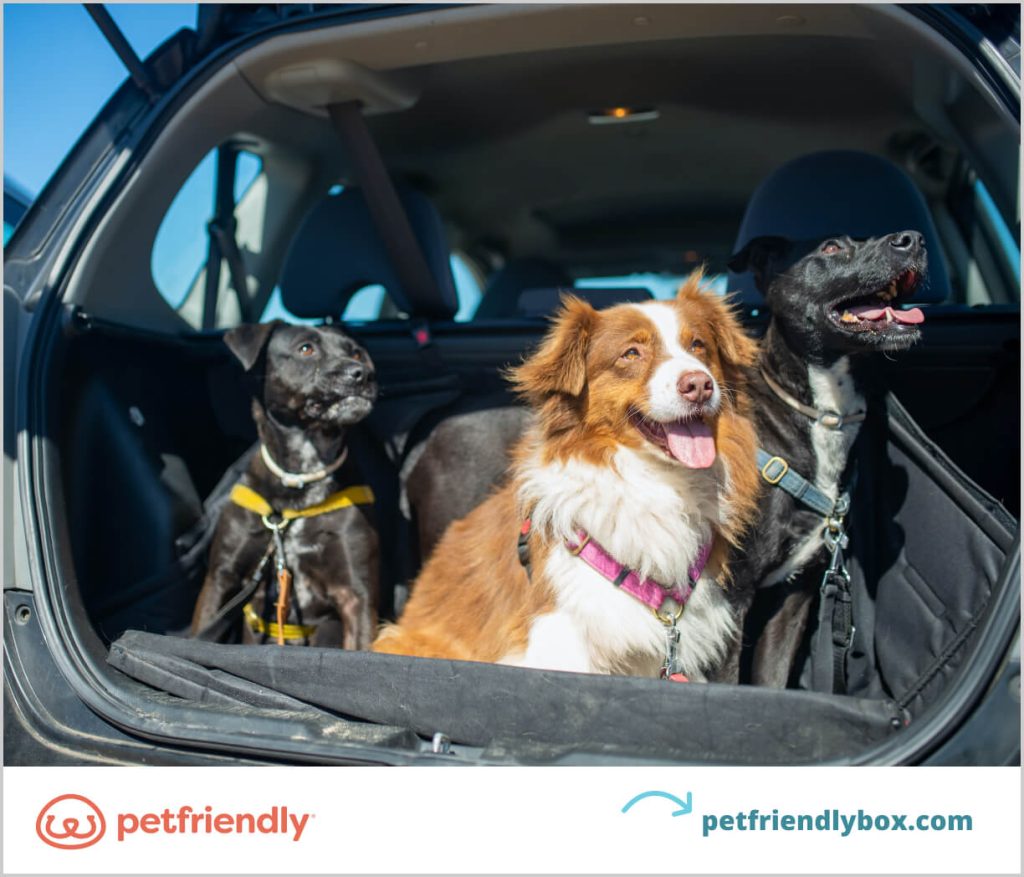

Traveling with your dog in a car can be a fun and rewarding experience—but it also comes with challenges. If you want to keep your furry friend safe, comfortable, and happy during the ride, you need the right tips and tricks.
You’ll discover simple steps to prepare your dog for the trip, choose the best gear, and handle common road trip issues. Ready to make your next car journey with your dog smooth and stress-free? Keep reading to find out how.
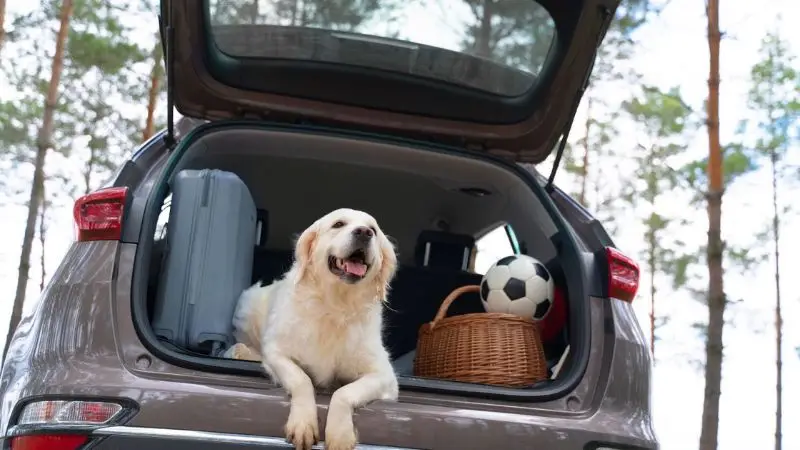
Credit: www.vevor.com
Preparing Your Dog For The Trip
Preparing your dog for a car trip helps ensure a safe and calm journey. Dogs can feel stressed during travel. Getting them ready reduces anxiety and makes the ride more enjoyable. Start the preparation well before the travel day.
Health Check And Vaccinations
Visit the vet before the trip. A health check confirms your dog is fit to travel. Update all necessary vaccinations to protect your dog from illnesses. Carry a copy of vaccination records during the trip. Ask the vet about motion sickness and any travel medications.
Packing Essentials For Your Dog
Pack all items your dog needs for comfort and care. Include:
- Food and water bowls
- Enough dog food for the trip
- Fresh water supply
- Leash and harness
- Waste bags for cleaning up
- Favorite toys and blankets
- Any medications or supplements
Keep a first aid kit made for pets. Having these essentials ready avoids last-minute stress.
Familiarizing Your Dog With The Car
Let your dog explore the car before traveling. Take short rides to help them get used to the movement. Use treats and praise to create positive feelings. Never force your dog inside the car. Make the car a safe and happy place. This helps reduce fear and motion sickness on long trips.
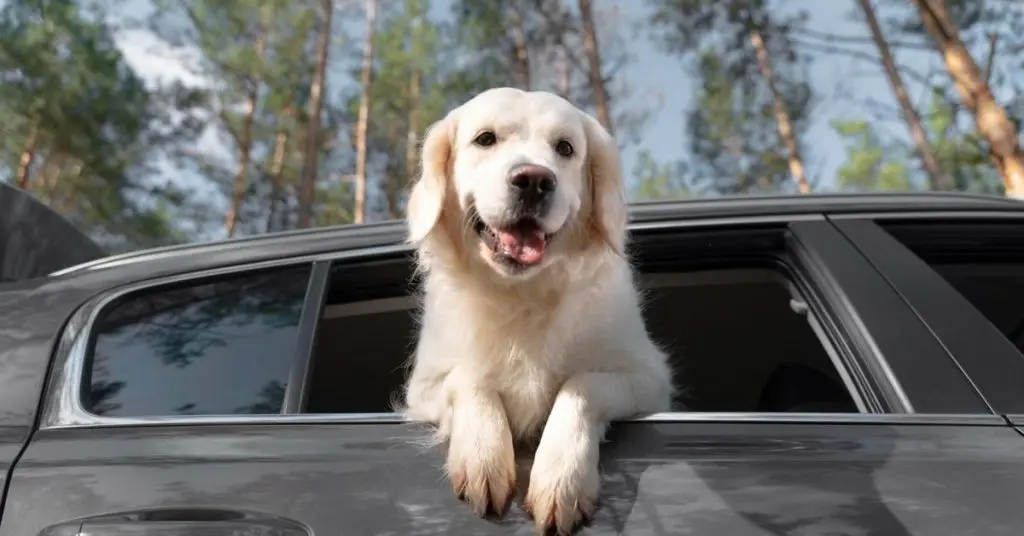
Credit: www.vevor.com
Safety Gear For Car Travel
Keeping your dog safe during car travel means using the right safety gear. This gear stops your dog from moving around too much. It also protects them in case of sudden stops or accidents. Choosing good safety gear makes the trip calm and secure for both of you.
Choosing The Right Dog Seat Belt
Dog seat belts keep your pet in one place. They attach to your car’s seat belt system. Look for seat belts made from strong materials. The belt should fit your dog’s size and weight. Adjustability helps to keep your dog comfortable. Always check for crash test certifications on the product.
Using Crates And Carriers
Crates and carriers offer a safe space for your dog. Pick a crate that fits your dog well but isn’t too tight. Hard plastic crates protect your dog better in accidents. Soft carriers are lighter but less protective. Secure the crate with the car seat belt or straps. This stops it from sliding or tipping over.
Window And Door Safety Measures
Keep windows closed or only slightly open. Dogs may try to jump out or stick their heads out. This can cause injury or distraction. Use child locks on doors to prevent accidental opening. Window guards can protect your dog’s head from sticking out. Always watch your dog’s behavior near doors and windows.
Planning The Journey
Preparing your dog for a car trip helps make the journey safe and calm. Pack water, food, and comfort items to keep your pet happy. Plan regular stops for bathroom breaks and stretching.
Planning the Journey Embarking on a road trip with your furry friend can be an unforgettable adventure. However, careful planning is crucial to ensure a smooth and enjoyable experience. Let’s dive into the essential steps you need to take when planning your journey.Scheduling Breaks For Exercise And Bathroom
It’s vital to schedule regular breaks for your dog to stretch, play, and relieve themselves. Aim for a stop every two to three hours. This helps prevent restlessness and keeps your dog comfortable throughout the trip. Consider using a dog park or a safe, open area for these breaks. If you ever find yourself unsure, a quick search on your smartphone can reveal nearby parks or pet-friendly rest stops. Remember, a happy dog means a happy journey. How will you ensure your pet stays active on the road?Choosing Dog-friendly Stops
Research and choose stops that welcome dogs. Many national parks and attractions have pet-friendly areas where your dog can join in on the fun. This not only enriches your trip but also makes your dog feel included. Plan meals at restaurants with outdoor seating that allows pets. Websites and apps can help identify these spots along your route. Have you ever discovered a hidden gem of a dog-friendly stop? Those surprises can make your journey even more special.Managing Travel Time And Weather
Consider your dog’s comfort when planning travel times. Avoid traveling during peak heat hours in summer, as hot cars can be dangerous for pets. Early morning or late afternoon drives are often more comfortable. Check the weather forecast for your entire route. Sudden changes in weather might require adjustments, like carrying extra water or blankets. Traveling with a dog in varying weather conditions can be challenging. How will you adapt your plans to keep your pet cozy and safe?During The Drive
The time spent on the road can be the most challenging part of traveling with your dog. Keeping your furry friend calm, hydrated, and comfortable will make the drive smoother for both of you. Paying attention to their needs during the journey helps prevent stress and unexpected issues.
Keeping Your Dog Calm And Comfortable
Start by securing your dog safely with a harness or in a crate to prevent distractions. Bring along familiar items like their favorite blanket or toy to provide comfort.
Speak softly and offer gentle pats during stops to reassure them. If your dog tends to get anxious, try playing calming music or use pheromone sprays designed to reduce stress.
Hydration And Feeding Tips
Keep fresh water accessible throughout the drive, and offer small amounts regularly to prevent dehydration. Avoid giving large meals right before or during the trip to reduce the risk of an upset stomach.
Plan for short breaks every couple of hours where your dog can stretch and have a drink. Carry portable bowls and bottled water to stay prepared for any stop.
Handling Motion Sickness
Some dogs experience nausea during car rides, which can make the trip miserable for everyone. Watch for signs like drooling, whining, or excessive licking of lips.
Try feeding your dog a light meal a few hours before the drive and avoid heavy foods. If motion sickness is a problem, talk to your vet about possible remedies or medications that can help.
Legal And Ethical Considerations
Traveling with your dog in a car is more than just packing their favorite toys and treats. You need to think about the legal rules and the impact your trip has on others. Ignoring these can lead to fines or even put your dog and others in danger.
Laws About Pets In Vehicles
Every place has different laws about pets in cars. Some states require dogs to be restrained with seat belts or in carriers. Others forbid pets from sitting on the driver’s lap or blocking their view.
Failing to follow these laws can result in tickets or worse—accidents. For example, in California, a dog must be secured in a way that doesn’t distract the driver. Have you checked the specific rules where you’re heading?
It’s smart to use a harness or a travel crate to keep your dog safe. Not only does this protect your pet, but it also keeps you focused on the road. Safety isn’t just about you; it’s about everyone sharing the road.
Respecting Other Travelers And Public Areas
Your dog’s behavior affects more than just your trip. Barking or jumping around can distract other drivers and cause stress. Think about how your actions impact those around you.
When stopping at rest areas, clean up after your dog. Leaving waste behind isn’t just rude—it harms the environment and annoys other visitors. Bringing extra bags and wipes can save you from awkward situations.
Also, control your dog during stops. Not every traveler is comfortable around pets, and crowded places can overwhelm your dog. Have you noticed how some dogs react differently outside their usual space?
Traveling with respect means planning for your dog’s needs and the comfort of others. It’s about sharing the road and public spaces responsibly so everyone enjoys the journey.

Credit: www.flywithmypet.com
Frequently Asked Questions
How Do I Prepare My Dog For A Car Trip?
Start with short drives to get your dog comfortable. Bring water, treats, and a familiar toy. Secure your dog safely using a harness or crate to prevent distractions and ensure safety during the trip.
What Are The Best Safety Measures For Dogs In Cars?
Use a crash-tested harness, pet seat belt, or secured crate. Never let your dog ride unrestrained. Keep windows closed enough to prevent escape but open slightly for ventilation.
How Often Should I Stop During A Road Trip With My Dog?
Plan breaks every 2-3 hours for bathroom and exercise. This helps reduce stress and prevents restlessness. Use these stops for hydration, walks, and checking on your dog’s comfort.
Can I Feed My Dog Before Or During Car Travel?
Feed your dog 2-3 hours before the trip to avoid nausea. Bring light snacks and water for longer drives. Avoid heavy meals to prevent motion sickness and discomfort.
Conclusion
Traveling with your dog in a car can be fun and safe. Plan breaks for your dog to stretch and drink water. Always use a pet seatbelt or crate for safety. Keep the car cool and comfortable during the trip.
Watch your dog for signs of stress or discomfort. With simple steps, your journey will be smooth and happy. Enjoy the adventure together and create great memories. Safe travels with your furry friend!
