
Traveling with your dog on a plane can feel overwhelming. You want to keep your furry friend safe and comfortable, but there are so many rules and details to consider.
What should you pack? How do you prepare your dog for the flight? And what can you expect at the airport? If you want smooth, stress-free travel with your dog, this guide is for you. Keep reading to discover simple tips and expert advice that will help you and your dog fly with confidence.
Preparing For Air Travel
Preparing for air travel with your dog requires more than just packing a bag. It involves careful planning to ensure a smooth and stress-free journey for both you and your furry companion. From choosing the right airline to making sure your dog’s health paperwork is in order, every detail counts.
Choosing Pet-friendly Airlines
Not all airlines treat pets the same way. Some allow small dogs in the cabin, while others require pets to travel in the cargo hold. Check each airline’s pet policy carefully, including weight limits, carrier dimensions, and fees.
Look for airlines with a good reputation for pet care. Reading reviews from other pet owners can reveal which airlines handle pets gently and which ones might cause unnecessary stress.
Booking Your Dog’s Ticket
Booking your dog’s ticket early is crucial. Many airlines limit the number of pets allowed per flight, so securing a spot as soon as possible helps avoid disappointment.
When booking, provide accurate details about your dog’s size and weight. Some airlines require this information to determine if your dog can fly in the cabin or must go under the plane.
Health Checks And Vaccinations
Before flying, your dog needs a thorough health check. Visit your vet to ensure your dog is fit to fly and up-to-date on vaccinations.
Some destinations require specific vaccinations or health certificates issued within a certain timeframe. Don’t risk last-minute issues—get these documents well in advance.
Selecting The Right Carrier
Your dog’s carrier should be comfortable and airline-approved. It must fit under the seat in front of you if your dog is flying in the cabin.
- Choose a carrier with good ventilation and enough space for your dog to stand and turn around.
- Soft-sided carriers are often more flexible and fit better under seats.
- Practice using the carrier before your trip to help your dog get familiar with it.
Have you tested the carrier for comfort during short walks? This simple step can ease your dog’s anxiety on travel day.
Credit: www.discovermagazine.com
Packing Essentials For Your Dog
Packing the right items for your dog ensures a smooth and safe flight. Prepare essentials that meet your dog’s basic needs. Think about food, comfort, and important documents. This makes the journey less stressful for both of you.
Food And Water Supplies
Bring enough food for the trip and a little extra. Choose dry kibble or sealed wet food to avoid spills. Pack a collapsible water bowl for easy drinking. Keep treats handy to reward good behavior. Avoid feeding your dog right before the flight to prevent upset stomach.
Comfort Items And Toys
Familiar items calm your dog during travel. Include a favorite blanket or bed for comfort. Soft toys or chew items help reduce anxiety. Avoid noisy toys that might disturb others. Make sure items fit inside the carrier without crowding.
Medical And Identification Documents
Carry your dog’s health records and vaccination certificates. Some airlines require a health certificate issued within days of travel. Include ID tags with your contact information. A recent photo of your dog helps in emergencies. Keep all documents in a waterproof folder for easy access.
Airport Procedures
Traveling with a dog on a plane requires checking airline pet rules and booking early. Prepare a comfortable carrier and bring your pet’s health documents for smooth airport procedures.
Traveling with your dog on a plane can be a rewarding experience, but understanding airport procedures is crucial for a smooth journey. Navigating through the airport can be overwhelming, especially when you’re also managing your furry friend. Knowing what to expect and how to prepare can make the process seamless for both you and your pet.Check-in Tips
Arriving early is key. Airlines often require additional paperwork for pets, and you’ll need extra time to handle it. Make sure your dog’s documentation, like vaccination records and health certificates, is up-to-date and easily accessible. Some airlines offer online check-in for pets, which can save time. However, you may still need to visit the counter for a physical check. Always confirm your airline’s pet policy before your travel date to avoid last-minute surprises.Security Screening For Pets
Security screening with a pet can be tricky but manageable. Remove your dog from its carrier before the checkpoint. You’ll carry your pet through the scanner while the empty carrier goes through the X-ray machine. Be prepared for possible additional screening. Patience is crucial here. Officers are trained to handle pets gently, but your calm demeanor will help ease your dog’s anxiety.Navigating Airport Pet Relief Areas
Familiarizing yourself with the airport’s layout is essential. Most airports have designated pet relief areas, but finding them quickly can be challenging. Use airport maps or apps to locate these areas in advance. Once you’ve found the pet relief area, give your dog ample time to relieve itself. This helps avoid mid-flight accidents. Remember to clean up after your pet to maintain a pleasant environment for other travelers. Are you ready to embark on your journey? With these insights, you and your dog are prepared to tackle any airport procedures with confidence. Safe travels!
Credit: www.aol.com
In-flight Tips
Flying with your dog can be a smooth experience if you prepare well for the time spent in the air. The in-flight portion is often the most stressful for both you and your furry friend. Handling this part with care helps keep your dog calm and comfortable, making the journey pleasant for everyone around.
Keeping Your Dog Calm
Dogs pick up on your emotions quickly, so staying calm yourself sets the tone. Bring familiar items like a favorite blanket or toy; the scent and texture can soothe anxiety.
Try gentle petting or soft talking to reassure your dog during the flight. If your dog tends to get nervous, consider using calming sprays or treats designed for pets, but consult your vet first.
Managing Space In The Cabin
Cabin space is limited, so organize your dog’s carrier efficiently. Place absorbent pads at the bottom in case of accidents.
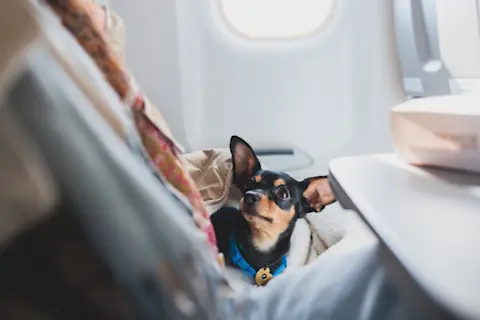
Keep your dog’s carrier under the seat in front of you as required, but ensure there’s enough room for them to turn around and lie down comfortably.
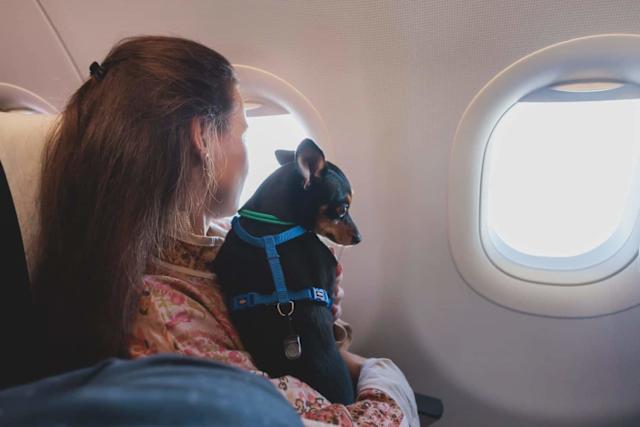
Try to book a window seat to minimize foot traffic near your dog’s carrier, reducing stress from constant disturbances.
Dealing With Turbulence And Noise
Turbulence can be unsettling for dogs. Use noise-canceling headphones for yourself to stay calm, as your mood influences your dog’s reaction.
Covering the carrier lightly with a breathable cloth can help reduce visual stimuli and noise, creating a cozy environment.
Distract your dog with gentle massages or soft toys during bumpy moments. Have you noticed how your dog reacts to sudden sounds? Watching their cues helps you respond faster and more effectively.
Post-flight Care
After your plane touches down, the journey isn’t over for your dog. Post-flight care is essential to help your furry friend recover from the stress and discomfort of air travel. Paying close attention to their needs right after landing ensures they settle in quickly and comfortably.
Immediate Needs After Landing
The first thing your dog will need is a chance to stretch and relieve themselves. Find a quiet, safe spot outside the airport or nearby where they can take a break.
Offer fresh water as soon as possible to rehydrate your pet. Avoid feeding a large meal right away; instead, give small portions to prevent an upset stomach.
Check your dog for any signs of distress or injury. Look for limping, excessive panting, or unusual behavior and be ready to consult a vet if needed.
Handling Jet Lag In Dogs
Dogs can experience jet lag just like humans. Watch for symptoms such as lethargy, irritability, or changes in appetite.
Adjust their feeding and walking schedule gradually to match your new time zone. Consistency helps reset their internal clock faster.
Keep your dog active during daylight hours with short walks and playtime. This exposure to natural light supports their adjustment to the new environment.
Settling Into Your Destination
Make the new space feel familiar by bringing along their favorite blanket, toys, or bed. Familiar scents and objects provide comfort.
Create a quiet, cozy corner where your dog can retreat and rest undisturbed. This helps reduce anxiety in an unfamiliar place.
Spend quality time with your dog exploring the new area slowly. This builds confidence and helps them feel at home.
Special Considerations
Traveling with a dog on a plane requires special care and attention. Different dogs have different needs. Some may need extra help or special arrangements. Understanding these needs makes the trip safer and more comfortable for your pet. Below are key points to consider for certain types of dogs and travel situations.
Traveling With Puppies Or Senior Dogs
Puppies and senior dogs need gentle handling and more care. Puppies may get scared by loud noises and new places. Senior dogs might have health issues or less stamina. Plan short trips and bring familiar items like a blanket or toy. Carry water and snacks to keep them hydrated and fed. Consult your vet before flying to ensure your dog is fit to travel.
International Travel Regulations
International flights have strict rules for pets. Each country sets its own pet import laws. Paperwork like vaccination records and health certificates is usually required. Some countries need quarantine periods. Airlines may have limits on pet size and breed. Check the rules well before booking. Prepare all documents to avoid delays or denied entry.
Service And Emotional Support Animals
Service and emotional support dogs have special rights on planes. Airlines may allow them to fly in the cabin for free. You must provide proof of their status and training. Rules vary among airlines, so check policies before travel. Keep your dog calm and well-behaved during the flight. Respect other passengers and the flight crew at all times.

Credit: www.aol.com
Frequently Asked Questions
How Do I Prepare My Dog For Plane Travel?
Start by visiting the vet for a health check and vaccinations. Use a comfortable, airline-approved carrier. Acclimate your dog to the carrier before the flight. Pack essentials like food, water, and a leash for the trip.
What Are Airline Pet Policies For Dogs?
Each airline has different pet policies, including size limits and carrier requirements. Check the airline’s website for specific rules. Some allow small dogs in the cabin, while larger dogs must travel in cargo.
Can My Dog Stay With Me In The Cabin?
Small dogs under a specific weight usually can stay in the cabin. They must fit in an approved carrier under the seat. Larger dogs typically need to be checked as cargo.
What Documents Are Required To Fly With A Dog?
You need a health certificate from a vet dated within 10 days of travel. Vaccination records and proof of rabies vaccination are often required. Some destinations may require additional permits or quarantine.
Conclusion
Traveling with your dog on a plane can be simple and stress-free. Plan ahead and check the airline’s pet rules carefully. Pack your dog’s favorite items for comfort. Keep your dog calm and safe during the trip. Remember to give your pet plenty of water and bathroom breaks.
Enjoy your journey together and create happy memories. Safe travels for you and your furry friend!