Traveling with large dogs can feel overwhelming. You want your furry friend to be safe and comfortable, but the logistics can seem tricky.
What’s the best way to prepare? How do you keep your dog calm during long trips? If you’ve ever wondered how to make traveling with your big dog easier, you’re in the right place. This guide will walk you through simple, effective tips to ensure both you and your dog enjoy the journey.
Keep reading—your next adventure with your large dog just got a whole lot better.
Choosing The Right Transport
Choosing the right transport for traveling with large dogs is crucial for a smooth trip. The mode of transport affects your dog’s comfort and safety. It also impacts your travel plans and budget. Consider your dog’s size, temperament, and health before deciding.
Each transport option has unique rules and requirements. Some methods are more suitable for long trips, while others fit short journeys better. Preparing ahead reduces stress for both you and your dog.
Car Travel Tips
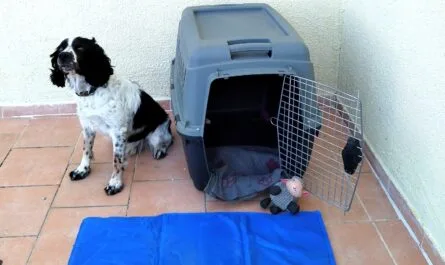
Car travel offers flexibility and control over your dog’s environment. Use a large, sturdy crate or a harness seatbelt for safety. Stop every two hours to allow exercise and bathroom breaks. Keep the car cool and never leave your dog alone inside. Bring familiar toys and blankets to reduce anxiety.
Flying With Large Dogs
Air travel can be challenging for big dogs. Check airline policies about size and crate requirements early. Choose direct flights to minimize stress and handling. Book your dog’s spot in the cargo hold or cabin if allowed. Use a well-ventilated, airline-approved crate with proper labeling. Arrive early for smooth check-in and security checks.
Train And Bus Options
Train travel may allow large dogs but rules vary by company. Some trains require dogs to be leashed or crated. Buses often restrict large pets or have strict policies. Contact the service provider to confirm pet rules and fees. Prepare your dog for a calm ride with training and comfort items. Pack water, treats, and waste bags for the journey.

Credit: www.poochmate.com
Preparing Your Dog
Preparing your dog for travel is key to a smooth and safe journey. Large dogs need special care before hitting the road or sky. Taking time to prepare helps reduce stress for both you and your pet. Start by making sure your dog is healthy and ready for travel. Training and packing the right items will make the trip easier. Proper preparation keeps your dog comfortable and happy during travel.
Health Checks And Vaccinations
Visit the vet to ensure your dog is fit to travel. Check for any health issues that could cause problems on the trip. Make sure vaccinations are up to date, especially for contagious diseases. Ask the vet for a health certificate if required by airlines or countries. Discuss any medications your dog might need during travel. This step prevents health emergencies while on the move.
Training For Travel
Train your dog to stay calm during travel. Practice car rides or crate time before the trip. Teach your dog to enter and exit vehicles smoothly. Use positive reinforcement to reduce anxiety in new places. Help your dog get used to travel sounds and movements. This training helps avoid stress and makes travel safer.
Packing Essentials
Pack all necessary items for your dog’s comfort and safety. Include:
- Food and water bowls
- Enough dog food for the trip
- Leash and harness
- Favorite toys and blankets
- Waste bags for clean-up
- Health records and identification tags
- Any medications or supplements
Keep these items easily accessible during travel. Being prepared makes the journey smoother for both of you.
Safety Measures On The Road
Traveling with large dogs requires secure restraints to keep them safe in the car. Using harnesses or crates prevents distractions and protects both pets and passengers. Regular breaks help dogs stay calm and comfortable during long trips.
Traveling with large dogs requires extra attention to ensure their safety and comfort on the road. It can feel daunting, especially if your furry friend takes up a significant amount of space. However, with the right preparations and safety measures, road trips can become an enjoyable experience for both you and your canine companion.Using Carriers And Seat Belts
Securing your dog in the car is crucial for their safety and yours. Consider using a sturdy dog carrier that fits comfortably in your vehicle. If carriers aren’t an option, dog seat belts are a viable alternative. Make sure the seat belt harness is the right size for your dog to prevent injury. Research different brands and read reviews to find the best fit. Remember, a loose seat belt can be just as dangerous as no seat belt at all.Keeping Dogs Comfortable
Comfort is key during long drives. Lay out a soft blanket or dog bed in the backseat to give your dog a cozy spot. Keep their favorite toys nearby to provide a sense of familiarity and comfort. Consider the temperature inside the car as well. Use sunshades to block excessive heat or consider slightly cracking windows for fresh air. Hydration is also critical, so always have a water bottle and a portable bowl ready.Managing Anxiety And Stress
Long car rides can be stressful for some dogs. If your pet shows signs of anxiety, such as excessive panting or restlessness, consider a few calming strategies. Playing soothing music can help create a relaxed atmosphere. Sometimes, a calming pheromone spray or a special anxiety vest can work wonders. Try these methods ahead of time to see what best suits your dog. Additionally, frequent breaks for short walks can help release pent-up energy and reduce stress. Have you ever noticed how your dog reacts differently in various environments? Understanding your dog’s triggers can help you anticipate and manage their anxiety more effectively.
Credit: www.poochmate.com
Finding Dog-friendly Accommodations
Finding accommodations that welcome your large dog can make or break your travel experience. Not every place is ready for a big furry guest, so knowing where to look and what to expect is key. Your dog’s comfort and your peace of mind depend on choosing the right spot.
Hotels And Rentals
Many hotels now advertise as pet-friendly, but policies for large dogs vary widely. Some limit weight or breed, while others charge extra fees or require deposits. Look for hotels that offer spacious rooms and easy access to outdoor areas where your dog can stretch and relieve itself.
Vacation rentals can be a great option. Platforms like Airbnb and Vrbo allow you to filter for pet-friendly homes. You can read previous guest reviews to see if large dogs were welcomed and treated well. A fenced yard or nearby park can be a huge plus for your dog’s freedom and safety.
Camping With Large Dogs
Camping offers a unique way to bond with your dog, but not all campgrounds accept large pets. Check campground rules ahead of time and look for sites with plenty of shade and water sources. Your dog will appreciate a spot where they can roam safely off-leash.
Bring a sturdy leash and dog-friendly gear like a portable water bowl and a comfortable bed. Think about your dog’s temperament—will they handle the sounds and smells of the outdoors? If your dog loves nature, camping might be the perfect fit for your trip.
Local Pet Services
Knowing where to find local pet services can relieve a lot of stress. Search for nearby vets, pet supply stores, and groomers at your destination. This is especially important if your dog has special needs or emergencies arise.
Many towns have dog parks, doggy daycare, or even pet-friendly cafes. These can offer a break for both you and your dog during long travel days. Have you checked if your destination offers any special dog events or meet-ups? They can be fun social opportunities for your big dog.
Handling Pit Stops And Breaks
Handling pit stops and breaks during travel with large dogs requires careful planning to keep your furry friend comfortable and happy. These moments are crucial not only for your dog’s physical needs but also for their mental well-being. Knowing how to manage exercise, hydration, feeding, and calming techniques will make your journey smoother for both of you.
Exercise And Bathroom Breaks
Large dogs need ample time to stretch their legs and relieve themselves during breaks. Aim for at least 10-15 minutes outside the vehicle to allow your dog to walk and sniff around. This helps reduce restlessness and prevents accidents in the car.
Choose safe, quiet spots away from heavy traffic for bathroom breaks. If you’re traveling through unfamiliar areas, carry biodegradable bags and clean up after your dog to keep the environment clean.
Hydration And Feeding
Keeping your dog hydrated is essential, especially during long trips. Offer small amounts of water regularly instead of large gulps to avoid nausea.
Plan feeding times around your breaks to prevent motion sickness. Feeding your dog at least an hour before hitting the road can reduce discomfort, but always keep some light snacks handy for quick energy boosts.
Keeping Your Dog Calm
Large dogs can get anxious during travel, especially when stopped in unfamiliar places. Bring familiar items like a favorite blanket or toy to help soothe them during breaks.
Use calm, reassuring tones and gentle petting to ease their nerves. Sometimes a short walk combined with quiet time in the shade can help your dog relax before you continue your journey.
Legal And Documentation Needs
Traveling with a large dog requires careful attention to legal and documentation needs. These requirements can vary widely depending on your destination and mode of travel. Ensuring you have the correct paperwork not only keeps your trip smooth but also protects your furry friend from unexpected issues.
Travel Permits And Regulations
Different regions and countries have specific rules about bringing pets across their borders. You might need special travel permits to enter certain areas, especially if you’re crossing international borders or visiting national parks.
Check with transportation providers like airlines or train companies about their pet policies. Some require advance notification or specific crate sizes for large dogs. Have you ever faced last-minute travel hiccups because you missed a permit requirement? Planning ahead can save you from that stress.
Health Certificates
Most places require a recent health certificate from a licensed veterinarian. This certificate usually confirms your dog is free from contagious diseases and up-to-date on vaccinations. Typically, the certificate must be issued within 10 days before travel, but this timing can vary.
Keep multiple copies of this document with you. It’s better to have it on hand than scramble for it at checkpoints. Think about a trip where you forgot your dog’s health papers—would you want to risk being turned away or quarantined?
Id Tags And Microchips
Proper identification is crucial when traveling with large dogs. ID tags with your contact details should be securely attached to your dog’s collar. Microchips add an extra layer of security by providing a permanent ID linked to your information.
If your dog gets lost in an unfamiliar place, these IDs can make all the difference. Make sure your contact information is current, especially if you’re traveling far from home. Have you ever updated your pet’s microchip info before a trip? It’s a small step that offers big peace of mind.
Credit: thefidotrail.com
Frequently Asked Questions
What Are The Best Travel Crates For Large Dogs?
Choose sturdy, well-ventilated crates that fit your dog comfortably. Look for airline-approved models with secure locks. Size matters; your dog should stand and turn easily inside. Lightweight crates with wheels ease transport during travel.
How Can I Prepare My Large Dog For A Long Trip?
Start with short practice trips to build comfort. Bring familiar bedding and toys to reduce stress. Keep your dog hydrated and take regular breaks. Consult your vet for any health or sedation advice before traveling.
What Are Essential Items To Pack For Large Dog Travel?
Pack enough food and water for the journey. Include a leash, waste bags, and a first aid kit. Bring grooming supplies and any medications your dog needs. Don’t forget identification tags and vaccination records for safety.
Can I Travel With My Large Dog By Airplane?
Yes, but follow airline rules strictly. Large dogs usually travel in the cargo hold. Book in advance and use an airline-approved crate. Check temperature policies and plan flights during mild weather to ensure safety.
Conclusion
Traveling with large dogs takes planning and care. Choose the right vehicle and pack their favorite items. Keep your dog comfortable and take breaks often. Follow safety rules to protect both you and your pet. Enjoy the journey and create happy memories together.
Traveling can be fun and stress-free with good preparation. Your dog will appreciate your effort and love the adventure. Safe travels and happy tails!