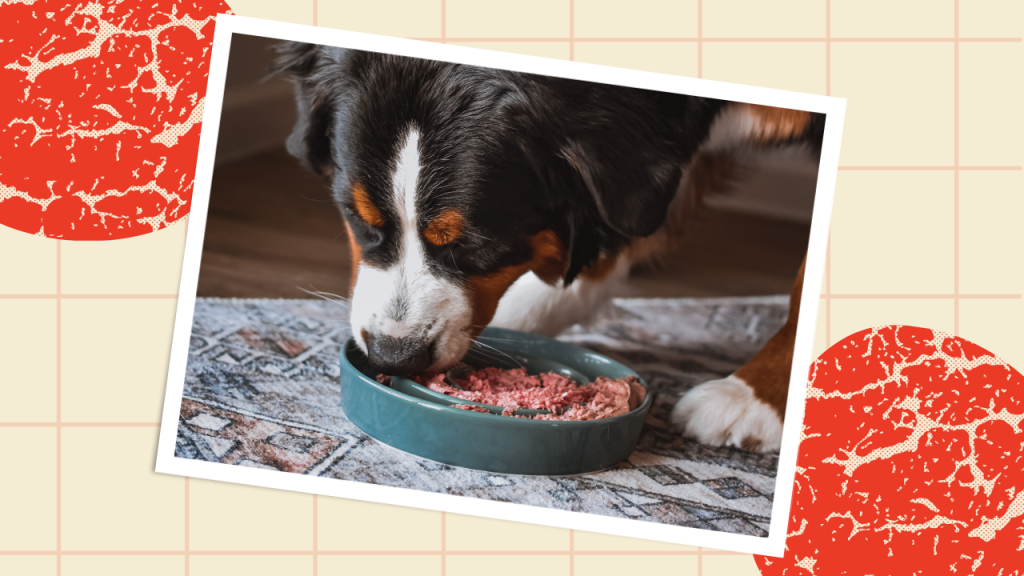

Are you wondering if a grain free diet is really good for your dog? You’ve probably heard mixed opinions and seen plenty of labels promising the best nutrition.
But what’s the truth behind grain free dog food? Could it actually harm your furry friend instead of helping? Keep reading to uncover what you need to know before making this important choice for your dog’s health. Your pet’s well-being depends on it.
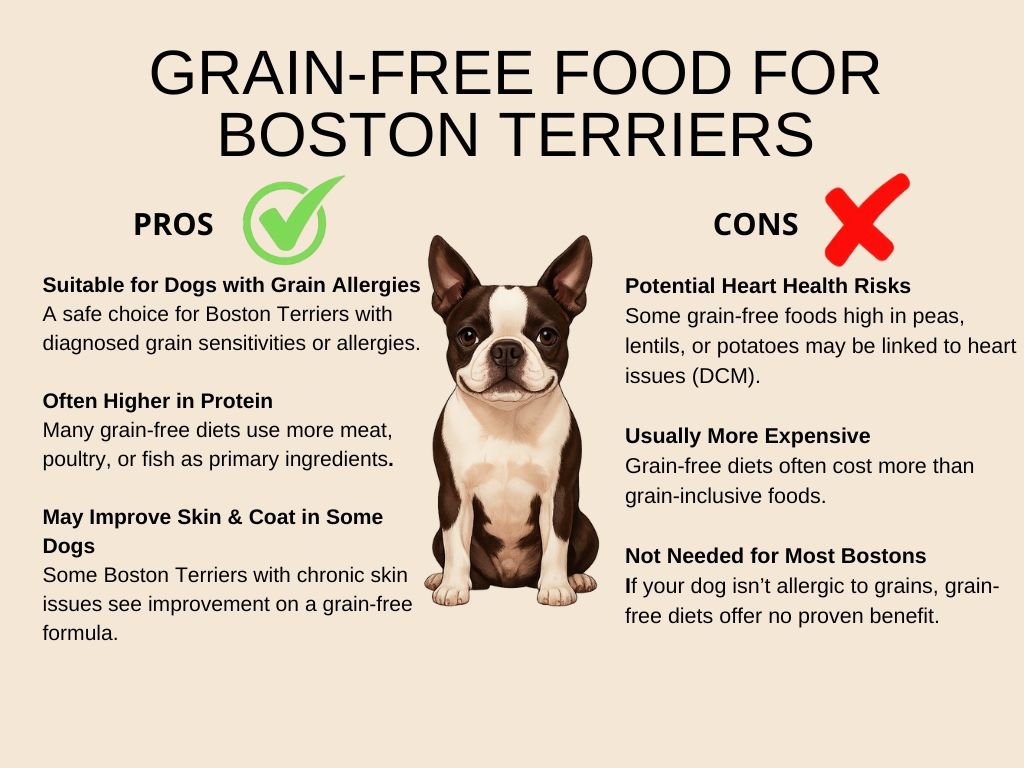
Credit: bostonterrierblog.com
Grain Free Diet Basics
Understanding the basics of a grain free diet is essential if you’re considering this option for your dog. Many pet owners switch to grain free dog food hoping to improve their pet’s health, but do you really know what it means? Let’s break down what grain free dog food is and what ingredients are commonly used instead of grains.
What Is Grain Free Dog Food
Grain free dog food is formulated without common grains like wheat, corn, or rice. Instead, it focuses on other sources of carbohydrates and nutrients. This type of diet aims to reduce potential allergens or digestive issues linked to grains.
Some dogs may benefit from this diet, especially those with grain allergies or sensitivities. However, not all dogs need to avoid grains, and removing them without a clear reason might leave gaps in essential nutrients. Have you noticed any signs in your dog that might suggest a grain sensitivity?
Common Ingredients Used Instead Of Grains
When grains are removed, manufacturers add other ingredients to keep the food balanced and nutritious. These alternatives provide energy and fiber just like grains do.
- Potatoes:A popular source of carbohydrates, potatoes are easily digestible and provide energy.
- Sweet Potatoes:Rich in fiber and vitamins, they help support digestion and overall health.
- Peas:High in protein and fiber, peas add bulk and nutrition to the diet.
- Lentils and Chickpeas:These legumes offer protein and fiber but can be harder to digest for some dogs.
- Beans:Another source of protein and carbs, but they should be included in moderation.
Choosing the right grain free food means checking the ingredient list carefully. Some substitutes might be better for your dog than others, depending on their health and digestion. Have you checked what ingredients your dog’s food contains lately?
Reasons For Choosing Grain Free
Many dog owners choose grain free diets for their pets for specific reasons. These diets exclude grains like wheat, corn, and rice. Some believe grain free options offer better health benefits for dogs. Understanding these reasons helps pet owners make informed choices.
Allergies And Sensitivities
Some dogs develop allergies or sensitivities to grains. Symptoms include itching, skin rashes, and digestive upset. Grain free diets can reduce exposure to these allergens. This may ease discomfort and improve coat quality. Owners often switch diets after veterinary advice or testing.
Digestive Health Claims
Grain free diets are believed to aid digestion for some dogs. Grains can be hard to digest for certain pets. Removing grains may reduce gas and diarrhea. Some dogs show better stool quality on grain free food. Owners seek diets that support smoother digestion and gut health.
Marketing And Trends
Grain free dog food has gained popularity in recent years. Marketing highlights natural ingredients and grain exclusion. Many pet owners follow trends influenced by social media and advertisements. Grain free products often appear as premium options. This drives demand, even without strong scientific proof for all dogs.
Potential Risks Of Grain Free Diets
Considering a grain-free diet for your dog might seem like a healthy choice, especially if you’ve heard about potential benefits. However, it’s crucial to be aware of the potential risks associated with this diet. Understanding these risks can help you make an informed decision about what’s best for your furry friend.
Dilated Cardiomyopathy (dcm) Concerns
Recent studies have linked grain-free diets to an increased risk of Dilated Cardiomyopathy (DCM) in dogs. DCM is a serious heart condition that can affect your dog’s quality of life. Veterinarians have observed a rise in DCM cases, prompting further investigation into the connection between grain-free diets and heart health.
If your dog is on a grain-free diet, it’s important to monitor their health closely. Regular veterinary check-ups can help catch any issues early. Have you noticed changes in your dog’s energy levels or appetite? These could be signs to discuss with your vet.
Nutritional Imbalances
Grain-free diets may lead to nutritional imbalances in dogs. While grains are often seen as fillers, they can provide essential nutrients that your dog needs. Removing grains without proper replacements can result in deficiencies.
Consider whether the grain-free diet is offering enough protein, fiber, and essential fatty acids. How can you ensure your dog is getting a balanced diet? Working with a veterinarian or a canine nutritionist can provide guidance tailored to your dog’s specific needs.
Lack Of Long Term Studies
One of the main concerns with grain-free diets is the lack of long-term studies. Many of the potential risks are based on recent findings, and more research is needed. Without comprehensive long-term data, it’s challenging to understand the full impact of these diets on dogs over time.
Are you willing to take a chance on a diet that might have unknown future consequences? Staying informed and weighing the pros and cons can help you make a decision that aligns with your dog’s health and well-being.

Credit: www.houndsy.com
Benefits Of Grain Free Dog Food
Grain free dog food offers unique benefits for certain dogs. It can improve digestion, avoid allergens, and boost protein intake. These advantages help some dogs feel better and stay healthier.
Improved Digestion For Some Dogs
Some dogs struggle to digest grains like wheat or corn. Grain free diets remove these ingredients. This can lead to less stomach upset and fewer digestive problems. Dogs with sensitive stomachs may find grain free food easier to handle.
Avoidance Of Common Allergens
Grains are common allergens for many dogs. Grain free food removes these triggers. This can reduce itching, redness, and skin problems. It helps dogs with food allergies stay comfortable and happy.
Increased Protein Content
Grain free dog food often contains more meat or fish. This raises the protein levels in the diet. Higher protein supports strong muscles and energy. Dogs that are active or growing benefit from this boost.
Comparing Grain Free With Grain Inclusive Diets
Choosing between grain free and grain inclusive diets for dogs involves understanding their differences. Both diets offer unique benefits and challenges. Grain free diets exclude grains like wheat, corn, and rice. Grain inclusive diets contain these grains as part of the recipe. Knowing how these diets compare helps make better feeding choices for your dog’s health and happiness.
Nutritional Value Differences
Grain inclusive diets provide carbohydrates, vitamins, and minerals from grains. They often include fiber that supports digestion. Grain free diets replace grains with vegetables, legumes, or potatoes. These ingredients also supply nutrients but differ in type and amount. Protein content can vary based on the main ingredients. Each diet meets basic nutritional needs but in different ways.
Energy And Fiber Content
Grains offer a steady source of energy through complex carbohydrates. Dogs digest these carbs slowly, which helps maintain energy levels. Grain free diets rely on alternative carbohydrates that may digest faster. Fiber in grain inclusive diets aids digestion and bowel health. Grain free foods may have less fiber or different fiber types. Fiber content impacts stool quality and gut health in dogs.
Cost And Availability
Grain inclusive dog foods tend to be more affordable. Grains are common, easy to source, and cost less. Grain free dog foods often cost more due to alternative ingredients. These diets might be harder to find in some stores. Availability depends on location and brand. Pet owners should consider budget and access when choosing a diet.
Veterinary Perspectives And Research
Veterinarians and researchers study grain free diets closely. Their insights help pet owners make smart feeding choices. Research shows mixed results about grain free dog food. Some dogs benefit, others may face risks. Understanding expert views helps balance pet nutrition.
Recent Studies On Grain Free Diets
Studies explore links between grain free diets and heart health in dogs. Some research suggests a possible risk of dilated cardiomyopathy (DCM). Researchers examine ingredients like peas and lentils in grain free foods. Findings remain inconclusive and call for more investigation. The science is evolving, and caution is advised.
Expert Recommendations
Veterinarians recommend balanced diets tailored to each dog’s needs. Whole grains can provide fiber and nutrients beneficial for dogs. Experts advise checking food labels for quality ingredients and nutrient balance. Grain free diets suit some dogs with allergies or intolerances. Veterinary advice ensures diet choices support overall health.
When To Consult Your Vet
- If your dog shows signs of fatigue or weakness.
- When sudden changes in appetite or weight occur.
- If you consider switching to or from a grain free diet.
- When your dog has a history of heart problems.
- For regular health check-ups and diet reviews.
Professional guidance helps prevent nutritional gaps and health issues. Early vet consultation supports your dog’s wellbeing and longevity.
Choosing The Right Diet For Your Dog
Choosing the right diet for your dog can feel overwhelming. With so many options available, including grain-free, low-carb, and traditional diets, it’s important to focus on what truly suits your dog’s unique health needs. Your goal should be to provide balanced nutrition that supports their energy, digestion, and overall well-being.
Assessing Your Dog’s Needs
Every dog is different. Age, breed, activity level, and health conditions all influence dietary needs. For example, a young active Labrador may require more carbs and calories than a senior dog with a sensitive stomach.
Have you noticed any allergies or digestive issues in your dog? These signs can guide your choice. Sometimes, a grain-free diet helps dogs with grain sensitivities, but it’s not necessary for all dogs.
Reading Pet Food Labels
Labels can be confusing, but focusing on key ingredients helps. Look for named protein sources like chicken or lamb as the first ingredient. Avoid foods with vague terms like “meat meal” or excessive fillers.
Check for essential nutrients such as vitamins, minerals, and fatty acids. Also, be cautious about added sugars or artificial additives that don’t benefit your dog’s health.
Transitioning Diets Safely
Switching your dog’s food too quickly can cause stomach upset. To avoid this, mix the new food gradually over 7-10 days, increasing the new food’s amount each day.
Watch for any changes in your dog’s stool, energy, or appetite during this time. If issues arise, slow the transition or consult your vet to ensure your dog’s diet change is smooth and effective.

Credit: wefeedraw.com
Frequently Asked Questions
Is A Grain Free Diet Safe For All Dog Breeds?
A grain free diet is generally safe but may not suit every dog breed. Some dogs require grains for balanced nutrition. Consult your vet before switching to ensure it meets your dog’s specific health needs.
Can Grain Free Diets Cause Heart Problems In Dogs?
Some studies link grain free diets to canine heart disease (DCM). However, the cause is unclear. Always monitor your dog’s health and consult a vet if you notice symptoms after switching diets.
What Are The Benefits Of A Grain Free Dog Diet?
Grain free diets can reduce allergies and improve digestion in sensitive dogs. They often contain more protein and fewer fillers, promoting better overall health and energy levels.
Should I Consult A Vet Before Changing My Dog’s Diet?
Yes, consulting a vet ensures dietary changes suit your dog’s health. Vets provide tailored advice based on breed, age, and medical history, preventing nutritional imbalances and health issues.
Conclusion
Choosing the right diet for your dog is important. Grain-free diets are not always bad or good. Some dogs need them, while others do not. Watch your dog’s health closely. Talk to your vet about what suits your dog best.
A balanced diet keeps dogs happy and healthy. Remember, every dog is different. Make choices based on your dog’s needs and vet advice. Keep your dog’s well-being as the top priority. Simple, healthy food helps dogs live longer and feel better.


