Are you wondering if freeze-dried raw food is safe for your dog? Choosing the right food for your furry friend can feel overwhelming.
You want to give your dog the best, but you also worry about their health and safety. Freeze-dried raw food sounds like a great option, but is it really safe? You’ll discover the truth behind freeze-dried raw diets and what you need to know before making a decision.
Keep reading to find out how this food could impact your dog’s health and happiness.
What Is Freeze-dried Raw Food?
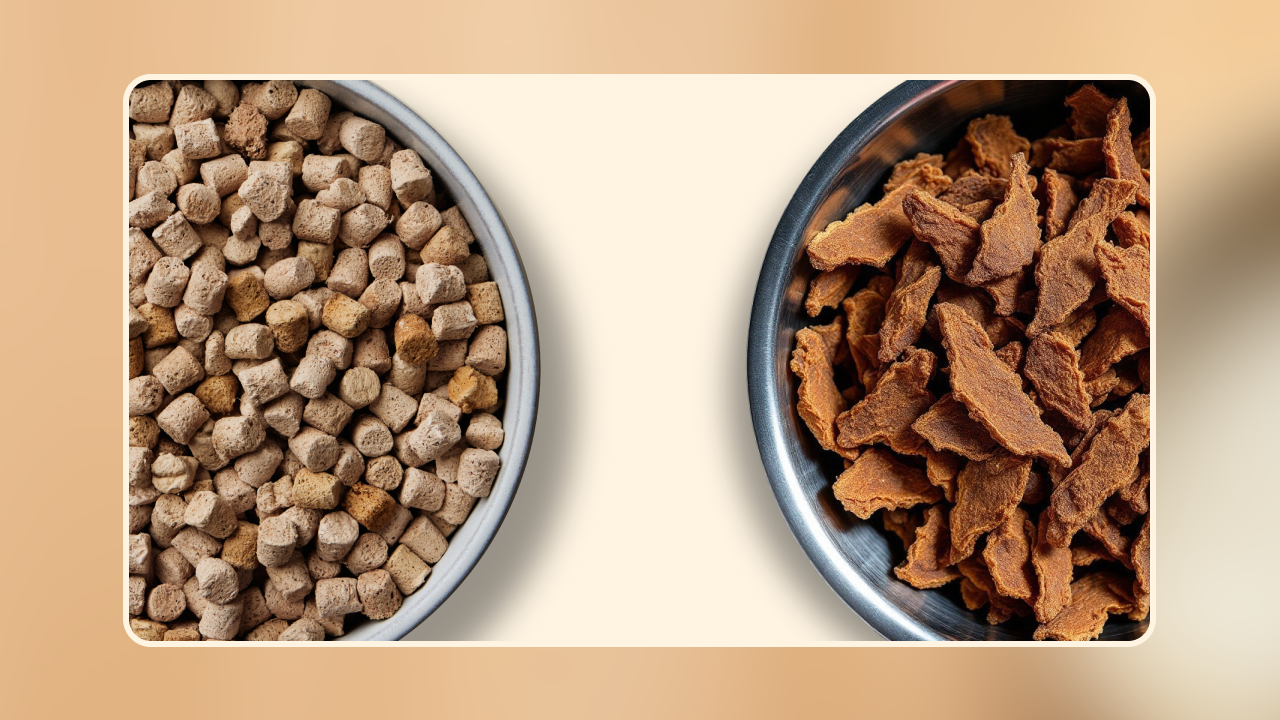
Freeze-dried raw food for dogs is a popular choice among pet owners. It offers a way to feed dogs a diet closer to what nature intended. This food type retains most nutrients and flavors without refrigeration. It is light, easy to store, and quick to prepare.
Understanding what freeze-dried raw food is helps in choosing the right diet for your dog. It combines raw nutrition with long shelf life and convenience.
Process Behind Freeze-drying
Freeze-drying removes water from raw food while keeping nutrients intact. The food first freezes solid at very low temperatures. Then, it enters a vacuum chamber where ice turns directly into vapor. This process is called sublimation.
Removing water stops bacteria and mold growth. It also keeps enzymes and vitamins from breaking down. The food remains raw and fresh in nutrition.
After freeze-drying, the food becomes light and crunchy. It can be stored without refrigeration for months or years. Before feeding, pet owners add water to rehydrate the food.
Common Ingredients Used
Freeze-dried raw dog food often includes:
- Meat: chicken, beef, lamb, turkey, or fish
- Organs: liver, kidney, heart for extra nutrients
- Vegetables: carrots, peas, spinach for vitamins and fiber
- Fruits: apples, blueberries for antioxidants
- Supplements: calcium, omega oils, probiotics
These ingredients provide a balanced diet with proteins, fats, and essential nutrients. The focus is on natural, whole foods that support a dog’s health.
Credit: wefeedraw.com
Benefits Of Freeze-dried Raw Food
Freeze-dried raw food offers many benefits for dogs. It maintains the natural qualities of raw ingredients while being easy to store and serve. This type of food supports your dog’s health with essential nutrients and fits well into busy lifestyles. Understanding its advantages helps pet owners make informed choices.
Nutritional Advantages
Freeze-drying preserves most nutrients in the food. Vitamins, minerals, and enzymes stay intact during processing. This means dogs get nutrition similar to fresh raw food.
Protein quality remains high, supporting muscle health and energy. Natural fats are retained, which helps with skin and coat condition. Freeze-dried food usually lacks fillers and artificial additives, making it a cleaner option.
Convenience And Shelf Life
Freeze-dried raw food is lightweight and easy to store. It does not require refrigeration until rehydrated. This makes it perfect for travel or busy homes.
The long shelf life reduces food waste. You can keep it for months without spoiling. Preparing meals takes just minutes by adding water. This saves time and effort while feeding your dog a healthy diet.
Safety Concerns For Dogs
Freeze-dried raw food offers dogs a taste of a natural diet. Yet, safety concerns may arise with this feeding option. Understanding these concerns helps in making informed decisions for your pet’s health. Let’s delve into some potential risks and considerations.
Potential Contamination Risks
Raw food can carry harmful bacteria like Salmonella and E. coli. These pathogens can lead to illness in dogs and humans. Handling raw food requires strict hygiene practices. Always wash hands and surfaces thoroughly after contact. Freeze-drying reduces moisture, but doesn’t kill all bacteria. Check for product recalls and choose reputable brands. Ensuring safety minimizes contamination risks significantly.
Digestive Considerations
Dogs transitioning to freeze-dried raw food may face digestive changes. Some dogs may experience loose stools or upset stomachs. Introduce the new diet gradually to ease the transition. Monitor your dog’s reaction to the new food closely. Provide plenty of fresh water to aid digestion. Each dog is different, so adjust the diet as needed. A slow change helps in avoiding digestive issues.
Credit: wefeedraw.com
Expert Opinions On Safety
Experts have studied the safety of freeze-dried raw food for dogs closely. They focus on ingredients, preparation, and health effects. Their views help pet owners decide if this diet suits their dogs. Insights from veterinarians and nutritionists reveal important safety points.
Veterinarian Perspectives
Many veterinarians find freeze-dried raw food safe when handled properly. They stress the need for clean preparation to avoid bacteria. Some warn about risks of pathogens if food is not stored well. Veterinarians recommend choosing brands that test for harmful germs.
They also highlight watching dogs for any digestive issues. Sudden diet changes can upset sensitive stomachs. Vets suggest introducing freeze-dried food slowly and observing reactions. Regular vet checkups help monitor overall health on this diet.
Nutritionist Insights
Animal nutritionists focus on balanced nutrients in freeze-dried raw food. They appreciate that freeze-drying keeps most vitamins and minerals intact. Nutritionists warn against diets lacking essential nutrients. They advise selecting products with clear nutrient profiles.
Experts emphasize variety in a dog’s diet to meet all nutritional needs. They recommend combining freeze-dried food with other foods for balance. Nutritionists also caution about the risk of nutrient deficiencies without proper formulation.
Choosing Quality Freeze-dried Food
Choosing quality freeze-dried food for your dog matters more than you might think. Not all products labeled “freeze-dried” are created equal, and the safety and nutrition of your pet depend heavily on what you pick. It’s worth spending a bit more time reading labels and researching brands to ensure your dog gets the best.
Key Labels And Certifications
Look for certifications that guarantee safety and quality. These might include:
- AAFCO (Association of American Feed Control Officials)– Ensures the food meets nutritional standards.
- USDA Organic– Indicates ingredients are grown without harmful pesticides and chemicals.
- Non-GMO Verified– Shows that the product doesn’t contain genetically modified organisms.
- FDA-Approved Facilities– Confirms the manufacturing process follows strict hygiene and safety regulations.
Pay attention to ingredient lists too. Are whole meats the first ingredient, or fillers like corn and soy? This can tell you a lot about the food’s real value.
Trusted Brands To Consider
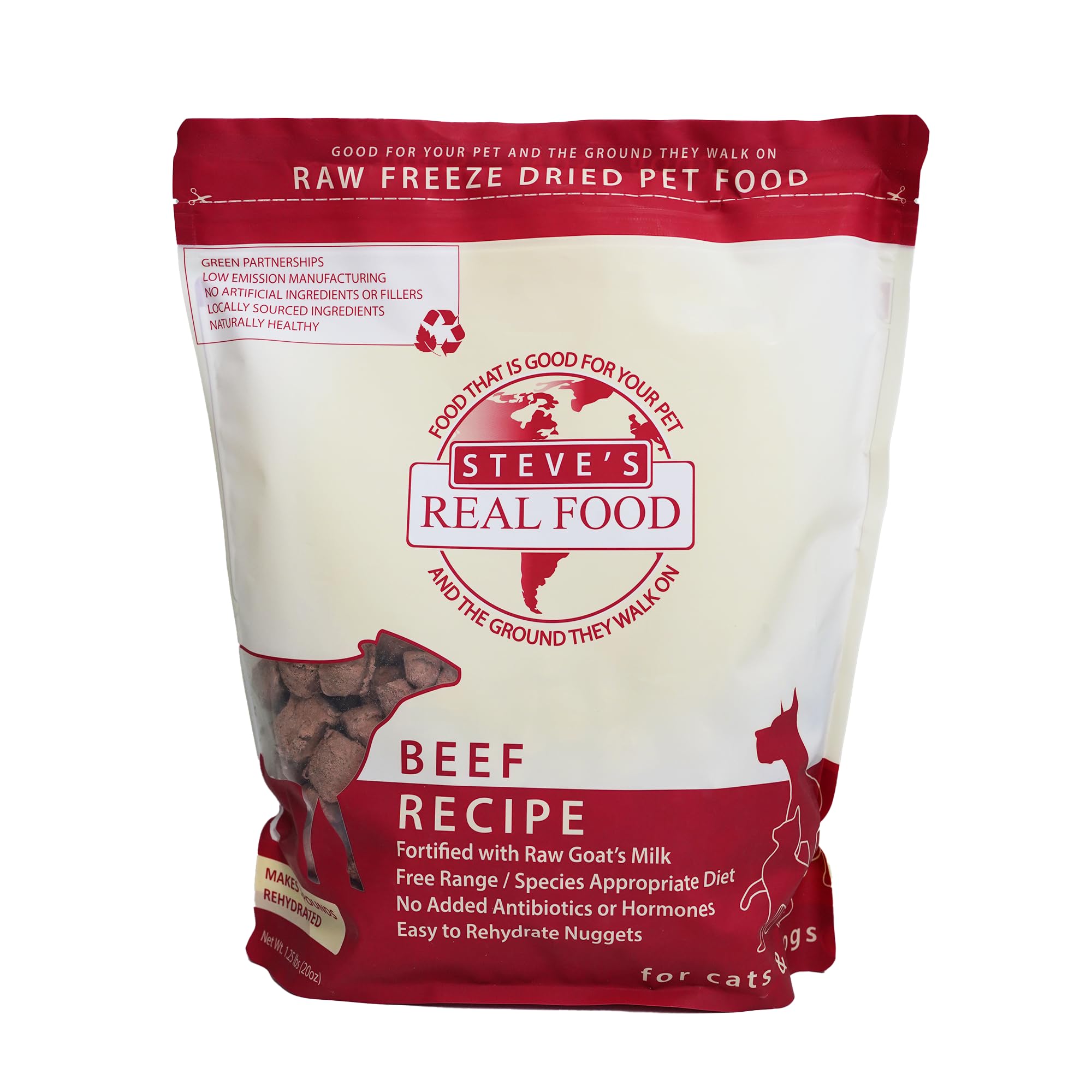
Some brands consistently deliver safe and nutritious freeze-dried options. Brands like Stella & Chewy’s, Primal Pet Foods, and The Honest Kitchen have earned trust through transparent sourcing and rigorous testing.
Have you noticed how these brands often share their ingredient sourcing stories? That transparency gives you confidence in what you’re feeding your dog.
Don’t hesitate to check customer reviews and veterinary recommendations. Real-world feedback often reveals how well a product works for dogs with sensitivities or health issues.
Credit: www.amazon.ca
How To Introduce Freeze-dried Food
Introducing freeze-dried raw food to your dog requires a thoughtful approach. Sudden changes in diet can upset your dog’s stomach or cause picky eating. Taking small, careful steps helps your dog adjust comfortably and enjoy the new food.
Transition Tips
Start by mixing a small amount of freeze-dried food with your dog’s current meal. Gradually increase the portion of freeze-dried food over 7 to 10 days. This slow change allows your dog’s digestive system to adapt without stress.
Pay attention to the texture and flavor your dog prefers. Some dogs may like the freeze-dried food rehydrated with water, while others enjoy it dry. Experiment with both to see what makes your dog more excited about mealtime.
Monitoring Your Dog’s Reaction
Watch for any changes in your dog’s digestion, such as diarrhea or constipation. If you notice any discomfort, slow down the transition or pause it for a few days. Your dog’s comfort is more important than rushing the switch.
Also, observe your dog’s energy levels and mood. If they seem lethargic or less interested in food, it could signal intolerance. Have you noticed your dog reacting differently to new foods before? This experience can guide how carefully you introduce freeze-dried meals.
Comparing Freeze-dried With Other Diets
Choosing the right diet for your dog can feel overwhelming, especially with so many options available. Freeze-dried raw food is gaining popularity, but how does it stack up against other diets? Let’s break down how freeze-dried compares to fresh raw food, as well as traditional kibble and canned options, so you can make an informed decision for your furry friend.
Fresh Raw Vs Freeze-dried
Fresh raw food offers a natural, nutrient-rich diet but requires careful handling and refrigeration to keep it safe. Freeze-dried raw food keeps most of those nutrients intact without the need for refrigeration, making it more convenient for you.
Think about the last time you traveled with your dog. Did you struggle to keep fresh raw food cold? Freeze-dried can be a game changer in those situations, allowing you to provide a raw diet on the go.
However, some owners notice a slight difference in texture and aroma with freeze-dried food. Your dog might take a little time to adjust if they’re used to fresh raw meals. Still, many dogs find freeze-dried just as tasty once you add a bit of warm water to rehydrate it.
Kibble And Canned Food Comparison
Kibble is the most common dog food, praised for its convenience and long shelf life. But it often contains fillers, preservatives, and undergoes high-heat processing that can reduce nutrient quality.
Canned food holds more moisture than kibble and can be more palatable. Yet, it still undergoes cooking processes that might degrade some vitamins and enzymes your dog needs.
Freeze-dried raw food offers a middle ground: it avoids fillers and harsh cooking methods while being shelf-stable and easy to store. Plus, it often contains whole, minimally processed ingredients that better mimic a natural diet.
- Would you prefer feeding your dog something closer to their natural diet or the convenience of processed food?
- How much does convenience matter to you compared to nutrient retention?
Answering these questions helps you decide if freeze-dried raw food fits your lifestyle and your dog’s needs better than other options.
Frequently Asked Questions
Is Freeze-dried Raw Food Safe For All Dog Breeds?
Freeze-dried raw food is generally safe for all dog breeds. However, always consult your vet for breed-specific dietary needs and allergies.
How Does Freeze-dried Raw Food Preserve Nutrients?
Freeze-drying removes moisture without heat, preserving vitamins and minerals. This method maintains the food’s nutritional value better than cooking.
Can Freeze-dried Raw Food Cause Bacterial Infections In Dogs?
Properly freeze-dried raw food has minimal bacteria due to moisture removal. Always buy from reputable brands to ensure safety and hygiene.
What Are The Benefits Of Freeze-dried Raw Dog Food?
It offers balanced nutrition, convenience, long shelf life, and better taste. Freeze-dried raw food supports healthy skin, coat, and digestion.
Conclusion
Freeze-dried raw food can be safe for dogs with proper care. Always check the ingredients and sourcing before buying. Store the food correctly to keep it fresh. Consult your vet to ensure it fits your dog’s needs. Watch your dog’s health and behavior closely after feeding.
Balanced nutrition remains key to your dog’s well-being. Safe feeding habits help prevent illness and digestive problems. Choose quality products and feed in moderation. Your dog’s safety and health come first.