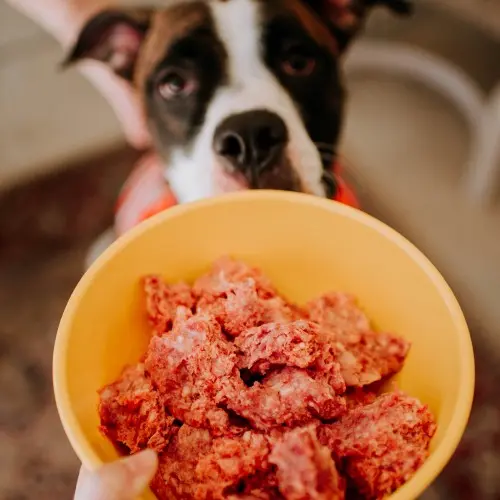

Are you worried about your dog’s dental health? If you’re feeding your dog raw food, you might be wondering: Is raw food bad for your dog’s teeth?
You want to make sure your furry friend has a strong, healthy smile, but there’s a lot of mixed advice out there. This article will clear up the confusion and give you the facts you need. Keep reading to discover how raw food really affects your dog’s teeth and what you can do to keep their mouth healthy and pain-free.
Your dog’s smile depends on it!
Raw Food And Dog Teeth
Feeding your dog raw food has become a popular choice for many pet owners. But how does this diet impact your dog’s teeth? Understanding the relationship between raw food and dental health can help you make the best decisions for your furry friend’s smile.
How Raw Food Affects Teeth
Raw food often includes bones, which can naturally help clean your dog’s teeth. Chewing on raw bones scrapes away plaque and tartar, reducing the risk of buildup.
However, not all raw foods are equal in dental benefits. Soft raw foods like ground meat don’t provide the same cleaning action. You need to balance textures to support healthy teeth.
Have you noticed your dog’s teeth looking cleaner after switching to raw food? Many owners share this positive experience, but it’s important to monitor for any signs of dental problems.
Common Dental Issues In Dogs
Even with a raw diet, dogs can suffer from dental issues such as:
- Gingivitis – inflammation of the gums causing redness and pain
- Tartar buildup – hardened plaque that can lead to bad breath and infections
- Tooth fractures – especially if dogs chew on very hard bones or inappropriate items
Regular dental checkups are essential to catch these problems early. You should also watch for symptoms like bad breath, difficulty eating, or excessive drooling.
What steps can you take to protect your dog’s dental health while feeding raw? Consider combining raw diets with regular teeth brushing and dental chews designed by vets. This multi-approach helps keep your dog’s teeth strong and healthy.
Benefits Of Raw Diet On Oral Health
Switching your dog to a raw diet can bring surprising benefits to their oral health. Many dog owners notice cleaner teeth and fresher breath shortly after making the change. But what exactly makes raw food beneficial for your dog’s teeth?
Natural Teeth Cleaning Action
Raw bones and tougher meat textures require your dog to chew more thoroughly. This chewing action naturally scrapes away plaque and tartar buildup on their teeth.
Unlike soft kibble, which can stick to teeth and encourage decay, raw food helps reduce residue. Have you observed your dog enjoying a raw meaty bone and then showing less buildup at the vet?
Chewing raw food acts like a natural toothbrush, promoting healthier gums and stronger teeth over time.
Nutritional Support For Teeth
Raw diets often contain higher levels of essential nutrients for oral health, including calcium, phosphorus, and vitamins A and D.
These nutrients support enamel strength and gum tissue repair, which keeps your dog’s mouth healthier in the long run. Think about how a balanced diet can impact your own dental health—dogs benefit similarly.
Feeding raw can provide these nutrients in their natural, bioavailable forms, improving absorption and effectiveness.
Risks Of Raw Food For Dental Health
Raw food diets for dogs have gained popularity. Yet, they pose risks to dental health. Understanding these risks helps in making informed decisions.
Potential For Tooth Damage
Raw bones can be too hard for dogs’ teeth. Chewing them might cause fractures or chips. Even small cracks can lead to pain and infections.
Not all dogs chew the same way. Some may bite down hard, risking more damage. Always monitor your dog’s chewing habits.
Bacterial Concerns
Raw food can harbor bacteria like Salmonella and E. coli. These bacteria can affect dogs’ oral health. They may cause gum infections and bad breath.
Bacterial infections can spread to other body parts. This poses a risk beyond just dental health. Proper handling of raw food reduces this risk.
Credit: wefeedraw.com
Comparing Raw Food With Commercial Diets
Choosing between raw food and commercial diets for your dog’s meals often sparks debate, especially when considering dental health. Each feeding style affects your dog’s teeth differently, shaping how you care for their oral hygiene. Understanding these differences can help you make better decisions for your pet’s smile and overall health.
Dental Health Impact
Raw food diets often include bones and tougher textures that can naturally scrape away plaque. Many dog owners notice less tartar buildup when feeding raw, which might reduce visits to the vet for dental cleanings. However, raw bones carry a risk of tooth fractures or choking if not properly selected or supervised.
Commercial diets, especially dry kibble, are designed to help keep teeth cleaner through a crunching action. Yet, some kibble can break down too quickly, offering little real cleaning benefit. Soft or wet commercial foods do not provide the same abrasion and can lead to faster plaque buildup if teeth are not brushed regularly.
Ease Of Dental Care
Feeding raw might reduce the frequency of professional cleanings, but it doesn’t eliminate the need for regular brushing. Raw diets can sometimes leave meat residues that require prompt cleaning to prevent bad breath and bacterial growth. You’ll need to stay vigilant about your dog’s oral hygiene regardless of diet.
Commercial diets, especially those formulated for dental health, can simplify care by reducing plaque formation. Still, relying solely on diet without brushing may not be enough to prevent dental disease. You might find it easier to maintain your dog’s teeth by combining a dental-focused commercial diet with routine brushing and check-ups.
Dental Care Tips For Raw-fed Dogs
Dental care for raw-fed dogs needs special attention. Raw diets can help keep teeth clean, but they do not replace regular dental care. Good habits protect your dog’s teeth and gums from problems.
Proper care keeps dogs comfortable and prevents bad breath. It also reduces the risk of plaque and tartar buildup. Use simple techniques and the right tools for daily care.
Regular Brushing Techniques
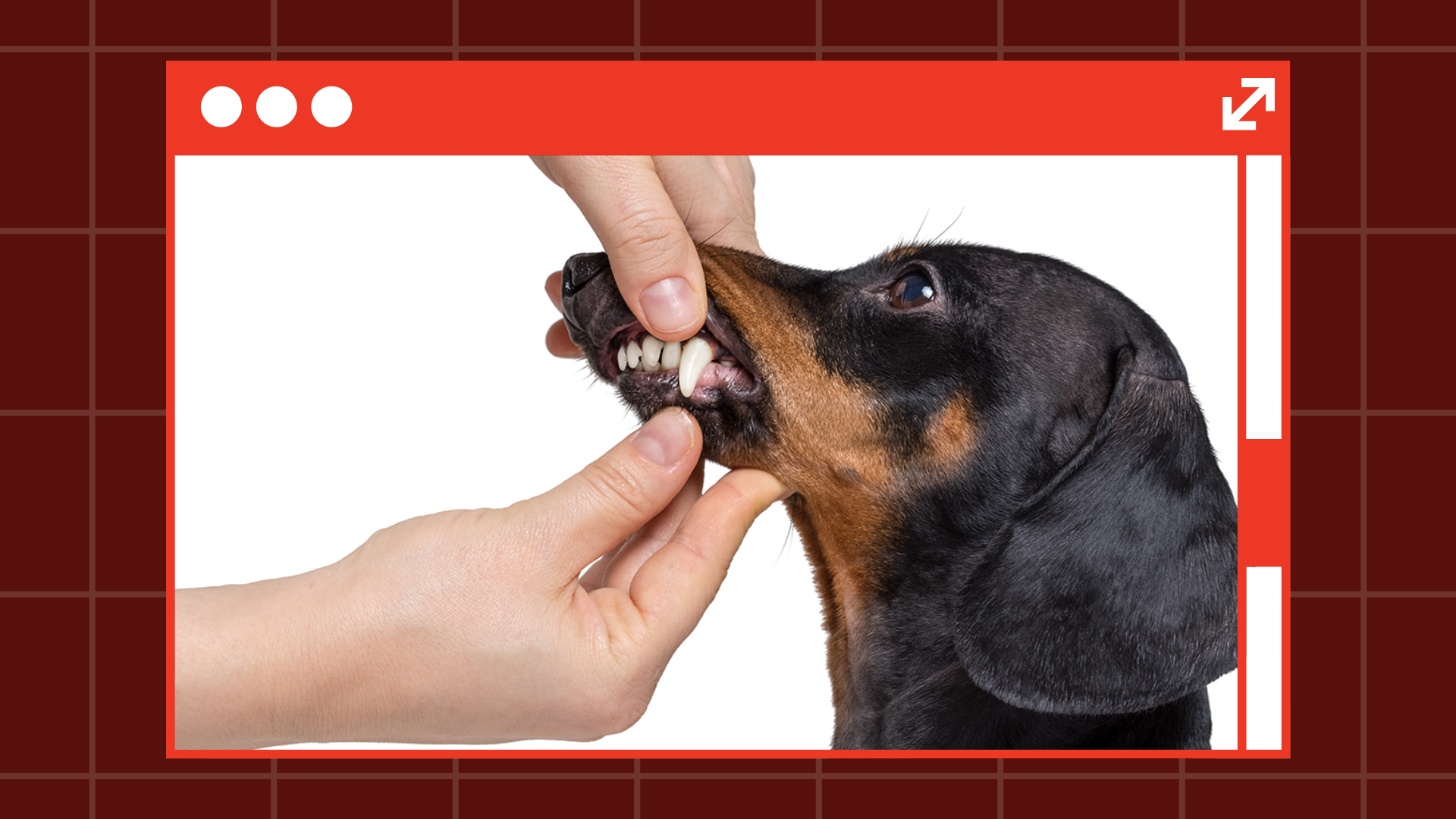
Brush your dog’s teeth gently every day or at least several times a week. Use a soft-bristled toothbrush made for dogs. Dog toothpaste is safe and comes in flavors dogs like.
- Start slowly to get your dog used to brushing.
- Lift the lips to reach all teeth surfaces.
- Use small circles and gentle strokes.
- Focus on the outside of the teeth where plaque builds up.
- Make brushing a calm and positive routine.
Choosing The Right Chews And Toys
Chews and toys help remove plaque and keep teeth strong. Select items that are safe and fit your dog’s size and chewing style. Avoid hard bones that can crack teeth.
- Look for natural chews like rawhide or bully sticks.
- Dental toys with ridges help clean teeth while chewing.
- Rotate toys to keep your dog interested.
- Supervise chewing to prevent choking or swallowing hazards.

Credit: wefeedraw.com
Signs Of Dental Problems In Dogs
Dental problems in dogs can be hard to notice at first. Teeth issues may cause pain and affect their health. Early signs help catch problems before they get worse. Watch your dog closely for any changes in behavior or physical symptoms. This helps protect their teeth and overall well-being.
Behavioral Changes
Dogs with dental pain often act differently. They may:
- Eat less or drop food while chewing
- Chew on one side of the mouth
- Become less playful or more withdrawn
- Show signs of irritability or snapping
- Rub their face or paw at their mouth
These behaviors suggest discomfort in the mouth. They should prompt a dental check by a vet.
Physical Symptoms To Watch
Physical signs of dental problems are easier to spot. Look for:
- Bad breath that does not go away
- Red or swollen gums around the teeth
- Yellow or brown buildup on the teeth
- Loose or missing teeth
- Drooling more than usual
- Bleeding from the gums
These symptoms indicate dental disease. Early treatment prevents pain and serious health issues.
When To Consult A Vet
Knowing when to consult a vet about your dog’s teeth can save your pet from discomfort and serious health problems. Raw food diets can impact dental health in various ways, so staying alert to signs that need professional attention is crucial. Here’s how to spot the right moments to seek veterinary advice.
Routine Checkups
Regular dental checkups are essential, even if your dog seems fine. Vets can spot early signs of plaque buildup, gum disease, or tooth wear that you might miss. Scheduling a dental exam at least once a year helps keep your dog’s teeth in good shape.
Don’t wait for visible problems. Sometimes, dental issues develop silently. Your vet can clean your dog’s teeth professionally and recommend care steps tailored to a raw food diet, ensuring your dog’s mouth stays healthy.
Emergency Dental Issues
Some dental problems require immediate vet attention. If your dog suddenly drops food, drools excessively, or shows signs of pain when eating, it’s time to call your vet. These symptoms might indicate a broken tooth, infection, or severe gum injury.
Swollen gums, bad breath that worsens quickly, or bleeding from the mouth are also red flags. Acting fast can prevent complications and ease your dog’s pain. Have you noticed any unusual chewing habits or reluctance to eat? Don’t hesitate to reach out to your vet.

Credit: silverwoof.com
Frequently Asked Questions
Does Raw Food Improve Dogs’ Dental Health?
Raw food can help reduce plaque and tartar buildup. Chewing raw meaty bones naturally cleans teeth and gums. However, proper supervision is necessary to avoid choking or damage. Consult your vet before changing your dog’s diet for dental benefits.
Can Raw Food Harm My Dog’s Teeth?
Improper raw feeding or hard bones may cause tooth fractures. Some dogs may struggle with chewing raw food. Balanced nutrition is essential to avoid dental problems. Always choose appropriate-sized bones and monitor chewing habits.
How Does Raw Food Compare To Kibble For Teeth?
Raw food often promotes better dental health due to natural chewing. Kibble can leave residue that contributes to plaque. However, some dental kibbles are formulated to reduce plaque. Both diets require regular dental care and vet check-ups.
Should I Give Raw Bones For My Dog’s Teeth?
Raw bones can clean teeth and strengthen jaws. Avoid cooked bones, which can splinter and cause harm. Supervise your dog to prevent choking or tooth damage. Consult your vet to choose safe bone types and sizes.
Conclusion
Raw food can affect dogs’ teeth in both good and bad ways. It may help clean teeth naturally but also risks damage if bones are too hard. Choosing the right raw food and monitoring chewing habits matters a lot. Regular dental check-ups keep your dog’s mouth healthy.
Balance and care are key to protecting your dog’s teeth. Always watch how your dog chews and adjust food if needed. Healthy teeth mean a happy dog.

