
Are you wondering if raw food is truly better for your dog than kibble? You want the best for your furry friend, and choosing the right diet can feel overwhelming.
Raw food promises natural, fresh ingredients, while kibble offers convenience and balanced nutrition. But which one really supports your dog’s health, energy, and happiness? Keep reading to discover the facts that will help you make the best choice for your loyal companion.
Your dog’s wellbeing depends on it.
Raw Food Diet Basics
Switching your dog to a raw food diet can feel like a big step. Understanding the basics helps you make the best choice for your furry friend’s health and happiness. Let’s break down what raw feeding really means and what ingredients are commonly used so you can decide if it fits your dog’s needs.
What Raw Feeding Means
Raw feeding means giving your dog uncooked food that mimics what their ancestors might have eaten in the wild. This diet usually includes raw meat, bones, organs, and sometimes fruits and vegetables.
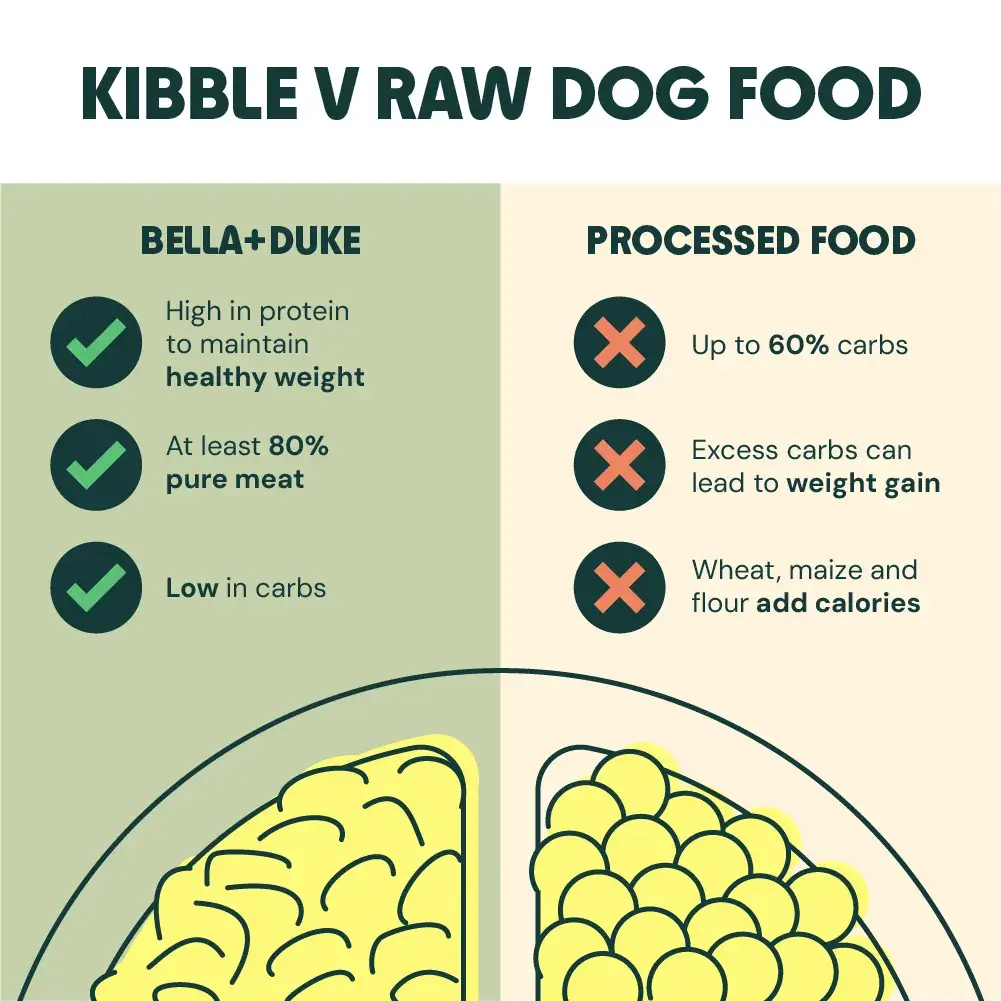
Unlike kibble, raw food avoids processed ingredients and fillers. The goal is to provide natural nutrients in their most bioavailable form. But, how do you ensure your dog gets a balanced diet without missing essential nutrients?
Common Raw Ingredients
Raw diets often consist of a mix of:
- Muscle meat:Chicken, beef, turkey, or lamb are popular choices.
- Raw meaty bones:Chicken wings, necks, and turkey necks help keep teeth clean and provide calcium.
- Organs:Liver, kidney, and heart are nutrient powerhouses that dogs need in small amounts.
- Vegetables and fruits:Carrots, spinach, apples, and blueberries add fiber and antioxidants.
Choosing quality ingredients is key. You wouldn’t want to feed your dog low-grade meat or spoiled produce. Have you checked the source of your raw ingredients recently?

Credit: gorawpetfood.com
Kibble Diet Essentials
The kibble diet remains a popular choice for many dog owners. It offers a convenient way to feed dogs balanced meals. Understanding its components and benefits can help decide if it suits your dog’s needs.
What Makes Up Kibble
Kibble is made by mixing various ingredients into small, dry pieces. The main parts include:
- Proteins from meat, fish, or plant sources
- Carbohydrates like rice, corn, or potatoes
- Fats for energy and healthy skin
- Vitamins and minerals for overall health
- Fiber to support digestion
These ingredients undergo cooking and shaping to create shelf-stable food. This process helps kill harmful bacteria and keeps nutrients intact.
Benefits Of Kibble
Kibble offers many advantages for dog owners and their pets. Key benefits include:
- Easy to store and has a long shelf life
- Convenient to measure and serve
- Helps maintain dental health by reducing tartar
- Often formulated to meet nutritional guidelines
- Available in many flavors and formulas for different needs
Kibble supports a balanced diet and can fit into busy lifestyles well. It remains a reliable option for many dog families.
Health Impacts Of Raw Food
Feeding your dog a raw food diet is a topic that sparks lively debates among pet owners. Is it a more natural way to feed your furry friend, or does it come with hidden risks? Understanding the health impacts of raw food can help you make an informed decision for your pet’s diet.
Nutritional Advantages
Raw food diets often boast high levels of natural nutrients. Unlike kibble, which can lose essential vitamins and minerals during processing, raw meals retain their nutritional integrity. Dogs may benefit from improved digestion, shinier coats, and higher energy levels when fed a balanced raw diet.
My neighbor switched her Labrador to a raw diet, and within weeks, she noticed a reduction in shedding and a more playful demeanor. Could your dog experience similar improvements?
Potential Risks
While raw food can offer nutritional benefits, it also poses potential risks. Raw meat may harbor harmful bacteria like Salmonella or E. coli. This can be dangerous not only for your pet but also for the humans handling the food.
Imagine having to constantly sanitize your kitchen and wash your hands every time you prepare your dog’s meal. Is the added effort worth the potential benefits? Moreover, an imbalanced raw diet might lead to nutrient deficiencies or excesses, affecting your dog’s long-term health.
Have you considered consulting a veterinarian or a pet nutritionist to ensure your dog’s diet is balanced and safe?
Credit: www.houndsy.com
Health Impacts Of Kibble
Kibble is the most common diet for dogs worldwide. It offers convenience and a balanced mix of nutrients. Understanding its health effects helps pet owners decide on the best food for their dogs.
Nutritional Strengths
- Kibble contains essential vitamins and minerals for dog health.
- It provides consistent, measured portions of protein and fat.
- Fortified with added nutrients to support bones, skin, and coat.
- Designed to meet standards set by pet nutrition experts.
- Long shelf life reduces spoilage and waste.
Possible Drawbacks
- Some kibble has fillers like corn or wheat, which add little nutrition.
- Highly processed, which may reduce nutrient quality.
- May contain artificial preservatives or additives that upset digestion.
- Some dogs develop allergies or sensitivities to certain ingredients.
- Dry nature can lead to less water intake without added hydration.
Digestive Differences
Dogs process raw food and kibble differently due to the unique composition of each diet. Their digestive systems handle nutrients and textures in distinct ways. Understanding these differences helps pet owners make informed feeding choices.
How Dogs Digest Raw Food
Raw food contains natural enzymes and moisture. These enzymes help break down proteins and fats more easily. Dogs chew raw meat and bones, which stimulates saliva production. Saliva contains enzymes that start digestion in the mouth. The stomach acid in dogs is very strong, aiding in breaking down raw ingredients quickly. Raw diets often include whole muscle meat, organs, and bones, which provide nutrients in their natural form. This diet mimics what wild dogs eat, supporting healthier digestion and nutrient absorption.
Kibble Digestion Process
Kibble is dry and processed at high temperatures. This process reduces natural enzymes and moisture. Dogs rely more on stomach acids and digestive enzymes to break down kibble. The dry texture means dogs often swallow kibble without much chewing. This can slow digestion and affect nutrient absorption. Kibble contains fillers and carbohydrates that require more digestive effort. Some dogs may experience gas or loose stools from kibble diets. Despite this, kibble is designed to be shelf-stable and convenient for many dog owners.
Safety Concerns
Safety is a top priority when choosing between raw food and kibble for dogs. Raw diets carry unique risks that pet owners must consider. Handling and storage mistakes can lead to health problems for pets and humans.
Bacterial Risks With Raw Diets
Raw food can contain harmful bacteria like Salmonella and E. coli. These bacteria cause serious illness in dogs and people. Dogs with weak immune systems face higher risks. Even healthy dogs can spread bacteria through saliva and feces. Bacterial contamination can happen during processing or at home. Cooking kibble kills most bacteria, making it safer in this regard.
Storage And Handling Tips
Proper storage reduces bacterial growth in raw food. Keep raw meat frozen until use. Thaw in the refrigerator, not on the counter. Use clean bowls and utensils for feeding. Wash hands thoroughly after handling raw food. Clean feeding areas and surfaces often. Avoid cross-contamination by separating raw food from other foods.
- Freeze raw food immediately after purchase
- Use airtight containers to store leftovers
- Feed dogs in a clean, dry spot
- Discard uneaten raw food quickly
- Sanitize all tools and surfaces regularly
Cost And Convenience
Cost and convenience are two major factors that influence how you feed your dog. Choosing between raw food and kibble involves more than just nutrition; it also impacts your budget and daily routine. Understanding these differences can help you decide what fits best with your lifestyle and your pet’s needs.
Expense Comparison
Raw diets usually cost more upfront than kibble. High-quality raw ingredients like fresh meat, organs, and bones tend to be pricier than processed kibble. You might spend double or even triple on raw food compared to a standard kibble brand.
However, some owners find that feeding raw reduces vet bills because of improved health. Still, you should consider your budget carefully before switching. Are you ready to invest more for potentially better nutrition?
Feeding Time And Prep
Feeding raw food takes more time and effort than kibble. You’ll need to thaw frozen meat, measure portions, and sometimes grind or chop ingredients. This extra prep can add several minutes to your daily routine.
Kibble is convenient because it’s ready to serve straight from the bag. You can quickly pour it into a bowl, making it ideal for busy days or when you’re on the go. Ask yourself if you have the time and patience to handle raw food prep regularly.
Veterinarian Opinions
Veterinarians often share varied views on feeding dogs raw food versus kibble. Their opinions shape how many dog owners choose diets. Understanding these professional perspectives can guide better feeding choices.
Support For Raw Feeding
Some veterinarians see benefits in raw diets. They believe raw food mimics a dog’s natural eating habits. Supporters say it can improve coat shine and energy levels.
They also mention fewer fillers and preservatives in raw meals. These vets warn about proper handling to avoid bacteria risks. They suggest balanced raw diets with the right nutrients.
Support For Kibble
Other veterinarians favor kibble for convenience and safety. Kibble is easy to store and serves consistent nutrition. Many vets trust kibble’s balanced formulas approved by experts.
They highlight reduced risk of infections compared to raw food. Kibble also supports dental health by reducing tartar buildup. These vets stress choosing high-quality kibble for best results.
Choosing The Right Diet
Choosing the right diet for your dog is more than just picking between raw food and kibble. It’s about understanding your dog’s unique needs and how different diets fit into your lifestyle. Making an informed choice can improve your dog’s health and happiness over time.
Considering Your Dog’s Needs
Every dog is different. Age, breed, size, and health conditions all play a role in what diet suits them best. A high-energy working dog might need more protein and fat, while a senior dog may benefit from a diet that supports joint health.
Think about your dog’s allergies or sensitivities. Some dogs do better with raw food because they have trouble digesting certain ingredients in kibble. Others might need the convenience and balanced nutrition that kibble provides.
Have you noticed how your dog reacts after meals? Their energy levels, coat condition, and digestion can give you clues about what diet works. Paying attention to these signs helps you tailor their food to meet their specific needs.
Balancing Nutrition And Lifestyle
Your daily routine matters as much as your dog’s needs. Raw food demands time for preparation and careful handling to avoid contamination. If you have a busy schedule, kibble might be a more practical option.
Consider your budget too. Raw diets can be more expensive due to fresh ingredients and supplements. Kibble often offers a cost-effective way to provide complete nutrition without extra effort.
Think about how much control you want over your dog’s diet. Raw feeding lets you choose every ingredient, which can feel rewarding but requires knowledge and commitment. Kibble offers convenience with less guesswork but less customization.
Ask yourself: What fits better into your life while meeting your dog’s health needs? Finding this balance ensures you both enjoy mealtime without stress or compromise.

Credit: pupford.com
Frequently Asked Questions
Is Raw Food Healthier For Dogs Than Kibble?
Raw food can offer more natural nutrients and enzymes than kibble. However, it requires careful preparation to avoid bacteria. Kibble is convenient and formulated for balanced nutrition. The best choice depends on your dog’s health, lifestyle, and your ability to prepare raw meals safely.
Can Raw Food Improve A Dog’s Digestion?
Yes, raw food often contains natural enzymes that aid digestion. It can reduce stool odor and improve stool quality. However, some dogs may struggle to digest raw diets initially. Always introduce raw food gradually and monitor your dog’s digestive response.
Are There Risks Associated With Feeding Dogs Raw Food?
Raw diets can carry bacteria like Salmonella and E. coli, which pose health risks. Improper handling or storage increases contamination risk. Consult your vet before switching, and ensure strict hygiene when preparing raw meals to keep your dog safe.
How Does Kibble Benefit A Dog’s Dental Health?
Kibble’s crunchy texture helps reduce plaque and tartar buildup on teeth. It can support oral hygiene better than soft or raw diets alone. Regular dental care is still essential, regardless of diet, for maintaining your dog’s oral health.
Conclusion
Choosing the right food for your dog matters a lot. Raw food offers natural nutrients and variety. Kibble provides convenience and balanced nutrition. Each dog is different and needs different care. Talk to your vet before changing your dog’s diet.
Watch how your dog reacts to new food. Healthy dogs make happy owners. Keep learning and stay informed for your pet’s best health.