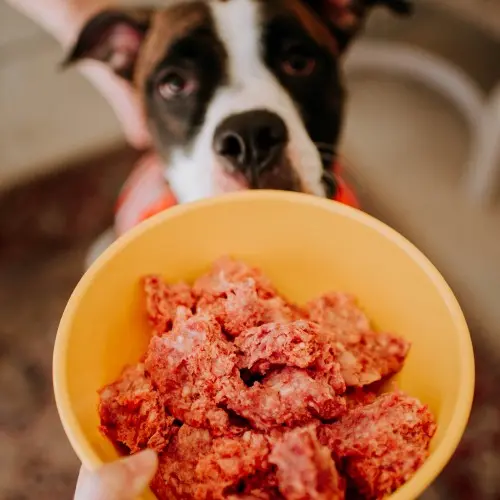

Are you wondering if a raw food diet is bad for your dog? It’s a question many pet owners face when deciding what’s best for their furry friend.
You want your dog to be healthy and happy, but with so much information out there, it’s easy to feel confused. This article will help you understand the risks and benefits of feeding raw food to your dog. By the end, you’ll have a clearer idea of whether this diet suits your pet’s needs and how to keep them safe.
Keep reading to discover what you really need to know before making a decision.
Raw Food Diet Basics
Understanding the basics of a raw food diet for dogs helps you decide if it fits your pet’s needs. This diet focuses on feeding dogs uncooked ingredients, aiming to mimic what they might eat in the wild. But what exactly goes into this type of feeding, and why do some owners choose it?
What Is A Raw Food Diet
A raw food diet for dogs consists mainly of uncooked meats, bones, fruits, and vegetables. It avoids processed kibble and canned food, aiming to provide more natural and nutrient-rich meals.
Many dog owners believe raw diets can improve coat health, energy levels, and digestion. However, it requires careful planning to ensure your dog gets the right balance of nutrients.
Common Ingredients In Raw Diets
Typical raw dog diets include a mix of:
- Raw muscle meat like chicken, beef, or turkey
- Raw meaty bones such as chicken wings or necks
- Organ meats including liver and kidney
- Vegetables like carrots, spinach, and broccoli
- Fruits such as apples and blueberries
- Supplements like fish oil or vitamins for added nutrients
Balancing these ingredients is key. Feeding too much bone or organ meat can cause health issues, while too little might lead to nutrient deficiencies.
Have you thought about how you would ensure your dog’s raw meals meet all their dietary needs? This question is crucial before switching to a raw food diet.
Benefits Of Raw Feeding
Feeding your dog a raw food diet can bring several noticeable benefits that you might not expect at first. Many dog owners share how switching to raw has made their pets livelier and healthier. Understanding these benefits can help you decide if raw feeding fits your dog’s lifestyle and needs.
Improved Digestion And Energy
Raw food tends to be easier for dogs to digest compared to processed kibble. This means your dog may experience less gas, firmer stools, and more regular bathroom habits. You might notice your dog has more energy during playtime and after walks, thanks to the natural nutrients in raw foods that support better metabolism and nutrient absorption.
Healthier Skin And Coat
Many dog owners observe a shinier, softer coat after switching to raw feeding. The natural oils and essential fatty acids found in raw meats and bones help reduce itching and dry skin. If your dog has suffered from dull fur or frequent scratching, raw feeding could be a simple change that improves their skin health significantly.
Dental Health Advantages
Chewing raw meaty bones can naturally clean your dog’s teeth and reduce plaque buildup. This reduces the risk of bad breath and gum disease without relying solely on dental treats or professional cleanings. Have you noticed your dog’s teeth looking cleaner or their breath fresher after feeding raw? This is a common and practical benefit of raw diets.
Risks Of Raw Food Diets
Feeding dogs a raw food diet can expose them to harmful bacteria and parasites. Nutrient imbalances may also cause health problems over time. Careful planning and vet advice are essential to avoid risks.
Raw food diets for dogs have gained popularity, but they are not without risks. These diets often include raw meats, bones, and organs, which can pose significant health threats to your furry friend. Understanding these risks is crucial before deciding if a raw food diet is right for your dog.Bacterial Contamination Concerns
Raw meats can be breeding grounds for harmful bacteria like Salmonella and E. coli. If these bacteria are present, they can not only make your dog sick but also pose a risk to your family’s health. Handling raw food requires strict hygiene to prevent cross-contamination in your kitchen.Nutritional Imbalance Issues
A raw food diet might not meet all of your dog’s nutritional needs. Commercial dog foods are formulated to provide a balanced diet, but raw diets often lack essential nutrients. You might find yourself needing to supplement your dog’s diet to avoid deficiencies, which can be challenging without expert guidance.Choking And Bone Hazards
Feeding bones can be particularly dangerous as they can splinter and cause choking or internal damage. I recall a friend whose dog needed emergency surgery because a bone got lodged in its throat. Consider whether the potential dangers are worth the perceived benefits of a raw diet. When choosing a diet for your dog, what factors do you prioritize? Understanding the risks of a raw food diet can help you make an informed decision. Always consult with a veterinarian before making significant changes to your pet’s diet.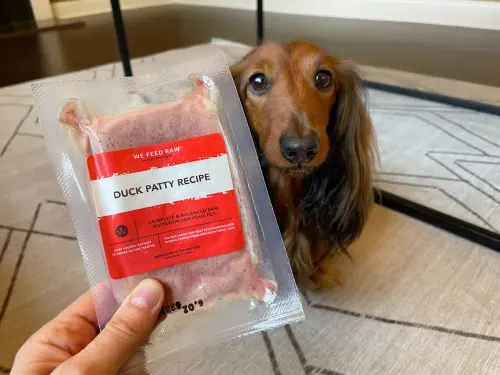
Credit: wefeedraw.com
Safety Tips For Raw Feeding
Safety is the top priority when feeding dogs a raw food diet. Proper care reduces risks of illness and contamination. These tips help keep your dog healthy and happy.
Choosing Quality Ingredients
Select fresh and clean meat from trusted sources. Avoid meat with additives, preservatives, or fillers. Include a variety of proteins, like beef, chicken, and fish. Use organic or grass-fed options if possible. Fresh fruits and vegetables add important nutrients and fiber.
Proper Handling And Storage
Wash hands thoroughly before and after handling raw food. Use separate utensils and cutting boards to prevent cross-contamination. Store raw ingredients in sealed containers at the right temperature. Freeze unused portions promptly to maintain freshness. Clean feeding bowls after every meal with hot water and soap.
Consulting Veterinarians
Talk to a vet before starting a raw food diet. Vets can check if the diet fits your dog’s health needs. They offer advice on balancing nutrients and avoiding deficiencies. Regular check-ups ensure your dog stays healthy on this diet. Share any concerns or changes in your dog’s behavior with the vet.
Alternatives To Raw Diets
Choosing the right diet for your dog is important for their health and happiness. Some pet owners prefer raw diets, but there are safe and nutritious alternatives. These options can provide balanced nutrition without the risks linked to raw food. Understanding these choices helps you make the best decision for your dog’s needs.
Commercial Balanced Diets
Commercial balanced diets come in dry kibble or canned food. They are made to meet all your dog’s nutritional needs. These foods undergo strict quality checks. Ingredients include proteins, fats, vitamins, and minerals in proper amounts. Convenience is a big plus. You save time and avoid meal prep. Many brands offer formulas for different life stages and health conditions. Always choose products with high-quality ingredients and trusted labels. This ensures your dog gets safe and nutritious meals.
Cooked Homemade Meals
Cooked homemade meals give you full control over ingredients. You can prepare fresh meals using meats, vegetables, and grains. Cooking kills harmful bacteria, making food safer than raw. It also helps digestion and nutrient absorption. Balanced recipes are important. Consult a vet or pet nutritionist to avoid nutrient gaps. Homemade meals offer variety and can suit picky eaters. Planning and portioning meals carefully keeps your dog healthy and satisfied.
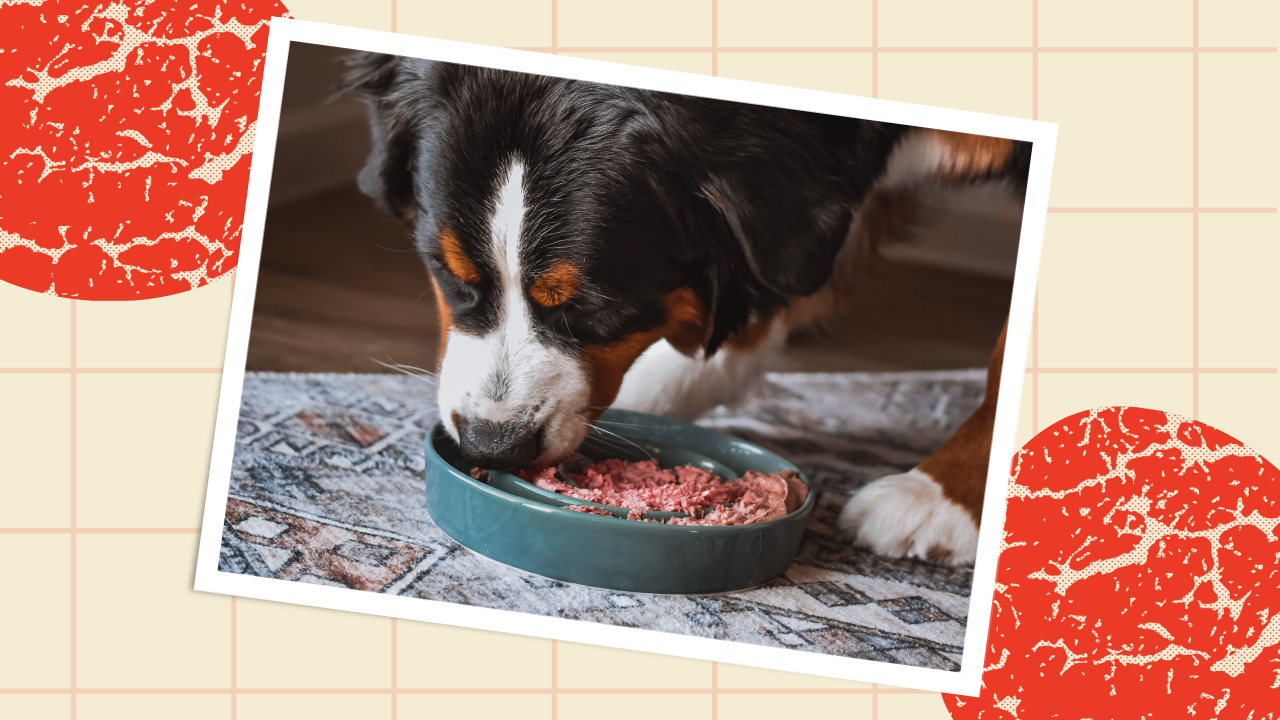
Credit: wefeedraw.com
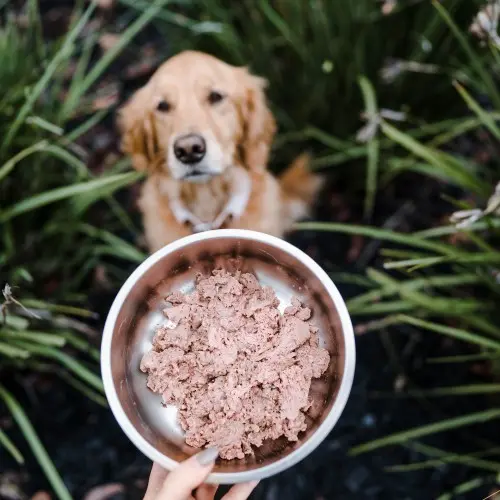
Credit: wefeedraw.com
Frequently Asked Questions
Is A Raw Food Diet Safe For All Dogs?
A raw food diet can be safe if properly balanced. Consult a vet to ensure it meets your dog’s nutritional needs. Risks include bacterial contamination and nutrient deficiencies if not prepared correctly.
What Are The Benefits Of A Raw Food Diet?
Raw diets may improve coat shine, digestion, and energy levels. They provide natural nutrients and fewer processed ingredients. However, benefits vary per dog and require careful planning.
Can Raw Diets Cause Health Risks In Dogs?
Yes, raw diets can pose risks like bacterial infections and choking hazards. Improperly balanced meals can lead to nutrient shortages. Always supervise feeding and maintain hygiene.
How To Transition Dogs To A Raw Food Diet?
Transition gradually over 7-10 days by mixing raw with current food. Monitor your dog for digestive upset or allergies. Seek vet guidance for a smooth change.
Conclusion
Feeding dogs a raw food diet has both risks and benefits. It may improve coat shine but can also cause health issues. Always talk to a vet before changing your dog’s diet. Balance and hygiene matter the most for pet safety.
Watch your dog closely for any changes or problems. Choosing the right diet takes time and care. Each dog is different and needs proper nutrition. Keep learning and stay informed to make the best choice.