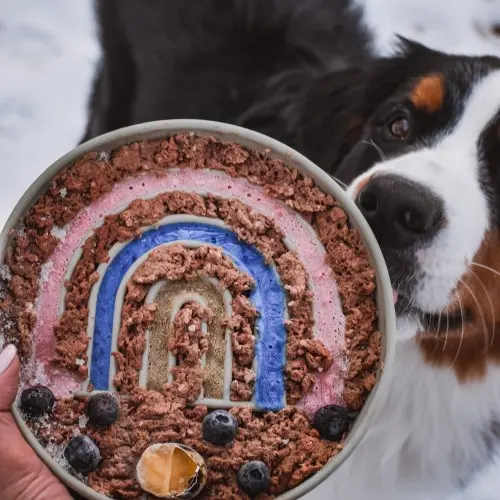

Are you wondering if raw food is the best diet for your dog? With so many opinions out there, it’s easy to feel confused.
You want what’s healthiest for your furry friend, but how do you know if raw food really makes a difference? This article will help you understand the benefits and risks of feeding your dog raw meals. By the end, you’ll have the clear facts you need to make the best choice for your dog’s health and happiness.
Keep reading to discover if raw food is right for your pet.
Benefits Of Raw Food For Dogs
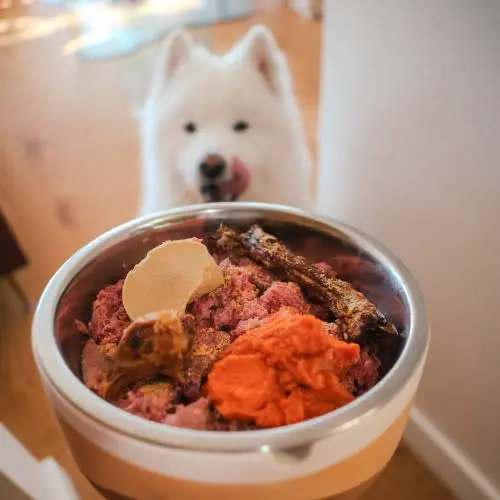
Raw food diets for dogs have gained popularity for many good reasons. This diet offers several health benefits that can improve your dog’s quality of life. Feeding raw food supplies natural nutrients that support overall wellness. Dogs often show positive changes after switching to raw meals.
Improved Digestion
Raw food is easier for dogs to digest than processed kibble. It contains natural enzymes that help break down food. This can reduce digestive issues like bloating and gas. Better digestion means your dog absorbs more nutrients from meals.
Healthier Coat And Skin
Raw diets are rich in essential fatty acids and vitamins. These nutrients promote a shiny coat and healthy skin. Dogs eating raw food often have less itching and dryness. A vibrant coat also signals good internal health.
Increased Energy Levels
Natural proteins and fats in raw food provide steady energy. Dogs tend to feel more active and playful. Raw diets avoid fillers that can cause sluggishness. Higher energy helps dogs stay fit and happy.
Stronger Immune System
Raw food supports the immune system with antioxidants and nutrients. A strong immune system fights infections better. Dogs on raw diets may have fewer illnesses. This diet helps maintain long-term health and resilience.
Credit: wefeedraw.com
Common Ingredients In Raw Diets
Understanding the common ingredients in raw diets can help you decide if this feeding style suits your dog’s needs. Each component plays a specific role in providing balanced nutrition. Let’s take a closer look at what usually makes up a raw food diet for dogs.
Raw Meats
Raw diets mainly consist of fresh meats like chicken, beef, turkey, and sometimes fish. These meats provide essential proteins and fats that fuel your dog’s energy and muscle health.
You might wonder if feeding raw meat increases risks like bacteria exposure. Proper sourcing and handling reduce these risks significantly, ensuring your dog benefits from nutrient-rich, natural protein sources.
Bones And Cartilage
Raw bones and cartilage are often included to supply calcium and phosphorus, crucial for strong bones and teeth. They also offer a natural way for dogs to clean their teeth and satisfy chewing instincts.
However, not all bones are safe. Weight-bearing bones from large animals can splinter, so softer options like chicken necks or wings are better choices for most dogs.
Fruits And Vegetables
Fruits and vegetables add fiber, vitamins, and antioxidants to the diet. Common options include carrots, spinach, apples, and blueberries—foods that support digestion and overall health.
Raw diets usually keep these in small amounts to maintain balance. Do you know which fruits and veggies are safe or harmful to dogs? For instance, grapes and onions must always be avoided.
Supplements And Additives
Some raw feeders add supplements like fish oil, probiotics, or vitamin E to fill nutritional gaps. These extras can improve coat shine, digestion, and immune function.
Still, quality control matters. Over-supplementing can cause imbalances, so you should tailor additions based on your dog’s specific health needs and vet advice.
Potential Risks And Concerns
Choosing the right diet for your dog can be challenging. Raw food diets for dogs are gaining popularity. Yet, they come with potential risks and concerns. Understanding these risks helps make informed decisions for your pet’s health.
Bacterial Contamination
Raw foods can contain harmful bacteria. Salmonella and E. coli are common threats. These bacteria can make dogs sick. They can also pose risks to humans. Handling raw food requires caution. Proper hygiene is crucial to avoid contamination.
Nutritional Imbalances
Raw diets might not provide balanced nutrition. Dogs need specific nutrients for health. A homemade raw diet might miss essential nutrients. Supplements can help, but they require careful selection. Consulting a vet ensures nutritional balance.
Choking Hazards
Raw diets include bones and chunks of meat. These can be choking hazards. Bones can splinter, causing injuries. Supervision during feeding reduces risks. Choosing the right size and type of bones is essential.
Cost And Preparation Time
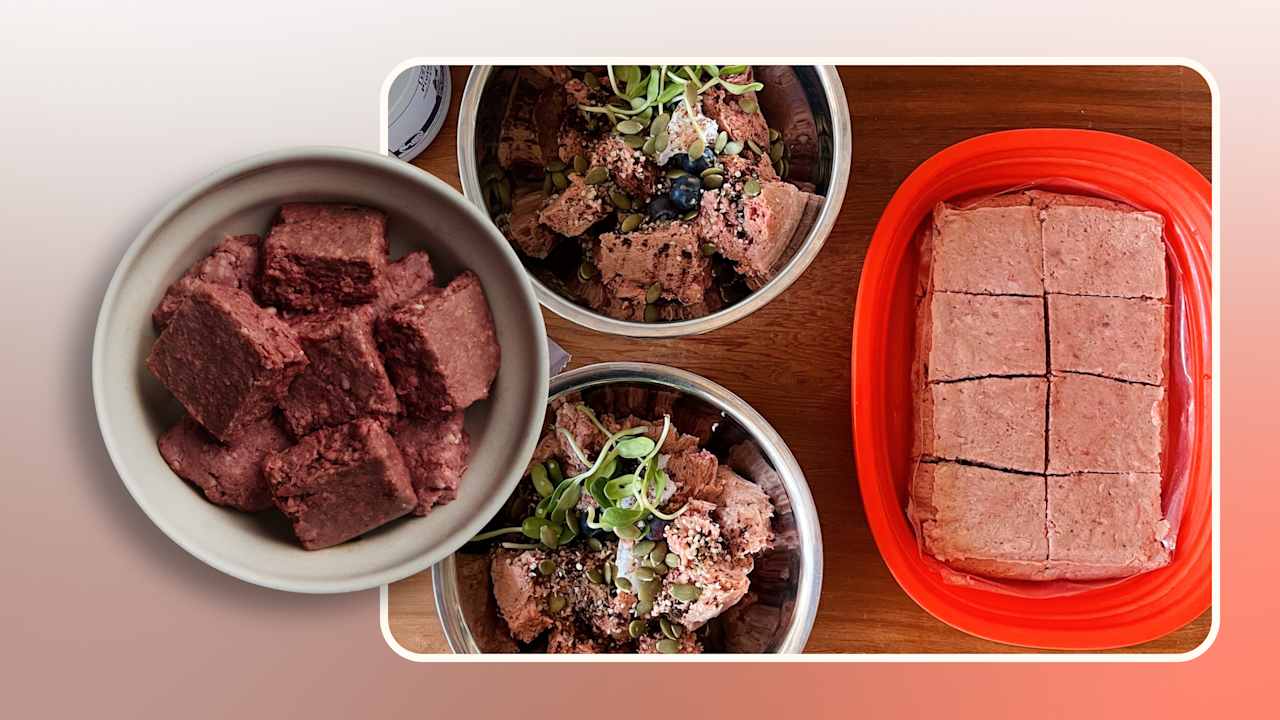
Raw diets can be expensive. Quality ingredients often cost more. Preparation takes time and effort. Busy pet owners might find it challenging. Ready-made raw food options are available but can be costly.
Credit: wefeedraw.com
Comparing Raw Food To Commercial Diets
Choosing the right diet for your dog can feel overwhelming, especially when you’re weighing raw food against commercial diets. Each option offers unique benefits and challenges that can impact your dog’s health and your daily routine. Understanding these differences can help you make a choice that fits your dog’s needs and your lifestyle.
Nutritional Differences
Raw food diets often include fresh meat, bones, and organs, which provide natural sources of protein, fat, and essential nutrients. Commercial diets, on the other hand, are formulated to meet established nutritional standards and often include added vitamins and minerals.
However, raw diets can sometimes lack balance if not carefully planned. Have you checked if your dog’s raw meals cover all their nutritional bases? Commercial diets usually offer consistent nutrient levels, reducing the risk of deficiencies.
Convenience And Accessibility
Feeding raw requires more preparation time and careful sourcing of quality ingredients. You might spend hours chopping, portioning, and storing food safely. This can be a challenge if you have a busy schedule or limited freezer space.
Commercial diets shine in convenience. You can grab a bag off the shelf and serve it immediately, which saves time and effort. But how much value do you place on convenience compared to knowing exactly what’s in your dog’s food?
Long-term Health Effects
Many owners report improved coat condition, energy levels, and digestion with raw feeding, but scientific evidence is mixed. There’s also concern about bacterial contamination and bone hazards in raw diets.
Commercial diets have been tested for safety and balanced nutrition, but some dogs may develop allergies or sensitivities to certain ingredients over time. What health outcomes matter most to you and your dog?
Tips For Transitioning To A Raw Diet
Switching your dog to a raw diet can be a rewarding journey, but it requires careful planning and attention. Sudden changes to your dog’s food can upset their stomach or cause nutrient imbalances. Taking the right steps helps your dog adjust smoothly and keeps them healthy throughout the transition.
Gradual Introduction
Start by mixing a small amount of raw food into your dog’s current diet. Increase the raw portion slowly over several weeks to give your dog’s digestive system time to adapt. This approach reduces the risk of diarrhea or vomiting and helps you observe how your dog reacts.
Try introducing one new protein source at a time, such as chicken or beef, before adding more variety. This way, you can identify any allergies or sensitivities early on.
Monitoring Dog’s Response
Watch your dog closely for changes in energy, stool quality, and appetite. Keep a journal to note any digestive upset or behavioral shifts. These details give you clues about whether the new diet suits your pet or needs adjustment.
Pay attention to your dog’s hydration and dental health as well. Raw diets often improve breath and teeth, but every dog reacts differently.
Consulting A Veterinarian
Before making significant changes, talk to your vet about the raw diet plan. They can recommend supplements or specific foods to ensure balanced nutrition. Your vet’s advice is especially important if your dog has health issues or special dietary needs.
Regular check-ups during the transition help catch any problems early. Have you discussed your dog’s diet changes with a professional to get personalized guidance?
Recipes And Meal Ideas
Feeding dogs a raw diet involves more than just meat. It requires careful planning to ensure meals are balanced and nutritious. Recipes and meal ideas help pet owners prepare food that supports health and vitality. This section shares practical tips and simple recipes for raw feeding.
Balanced Raw Meal Plans
A balanced raw meal includes protein, fat, and essential nutrients. Common ingredients are:
- Raw muscle meat (chicken, beef, turkey)
- Raw meaty bones (chicken wings, necks)
- Organ meat (liver, kidney)
- Vegetables (carrots, spinach)
- Supplements (fish oil, vitamin E)
Mix these components to meet your dog’s daily needs. A sample meal might contain:
| Ingredient | Amount |
|---|---|
| Chicken breast | 70% |
| Chicken liver | 10% |
| Raw chicken necks | 15% |
| Grated carrot | 5% |
Rotate ingredients to keep meals interesting and balanced.
Homemade Raw Treats
Raw treats are a great way to reward dogs. Simple recipes use safe, healthy ingredients. Try these ideas:
- Frozen beef liver cubes
- Dehydrated chicken strips
- Raw carrot sticks
- Small pieces of raw meaty bones
These treats support dental health and add variety to the diet.
Storage And Handling Tips
Proper storage keeps raw food fresh and safe. Follow these tips:
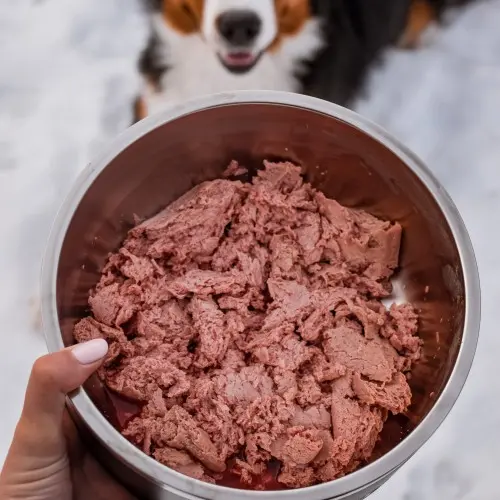
- Store raw meat in airtight containers
- Keep food in the freezer for long-term storage
- Thaw meals in the refrigerator, not at room temperature
- Clean surfaces and utensils thoroughly after use
- Wash hands well before and after handling raw food
Safe handling prevents contamination and protects your pet’s health.
Credit: wefeedraw.com
Frequently Asked Questions
What Are The Benefits Of A Raw Food Diet For Dogs?
A raw food diet can improve a dog’s coat, energy, and digestion. It provides natural nutrients and fewer additives. Many owners report healthier skin and better dental health from raw feeding.
Is Raw Food Safe For All Dog Breeds?
Raw food can be safe for most breeds but varies by individual health. Puppies, seniors, or dogs with weak immunity may need vet guidance before switching.
How Do I Transition My Dog To Raw Food?
Transition slowly by mixing raw with current food over 7–10 days. This helps avoid digestive upset and allows your dog to adjust gradually.
Can Raw Food Prevent Common Dog Health Issues?
Raw diets may reduce allergies, obesity, and dental problems. However, results vary and regular vet check-ups remain essential for health monitoring.
Conclusion
Raw food diets for dogs have both benefits and risks. Some dogs thrive with fresh, natural ingredients. Others may face health problems or nutrient gaps. Always talk to your vet before changing your dog’s diet. Watch your dog’s health and behavior closely.
Balance and safety should guide your feeding choices. Every dog is different. Choose what fits your dog’s needs best.