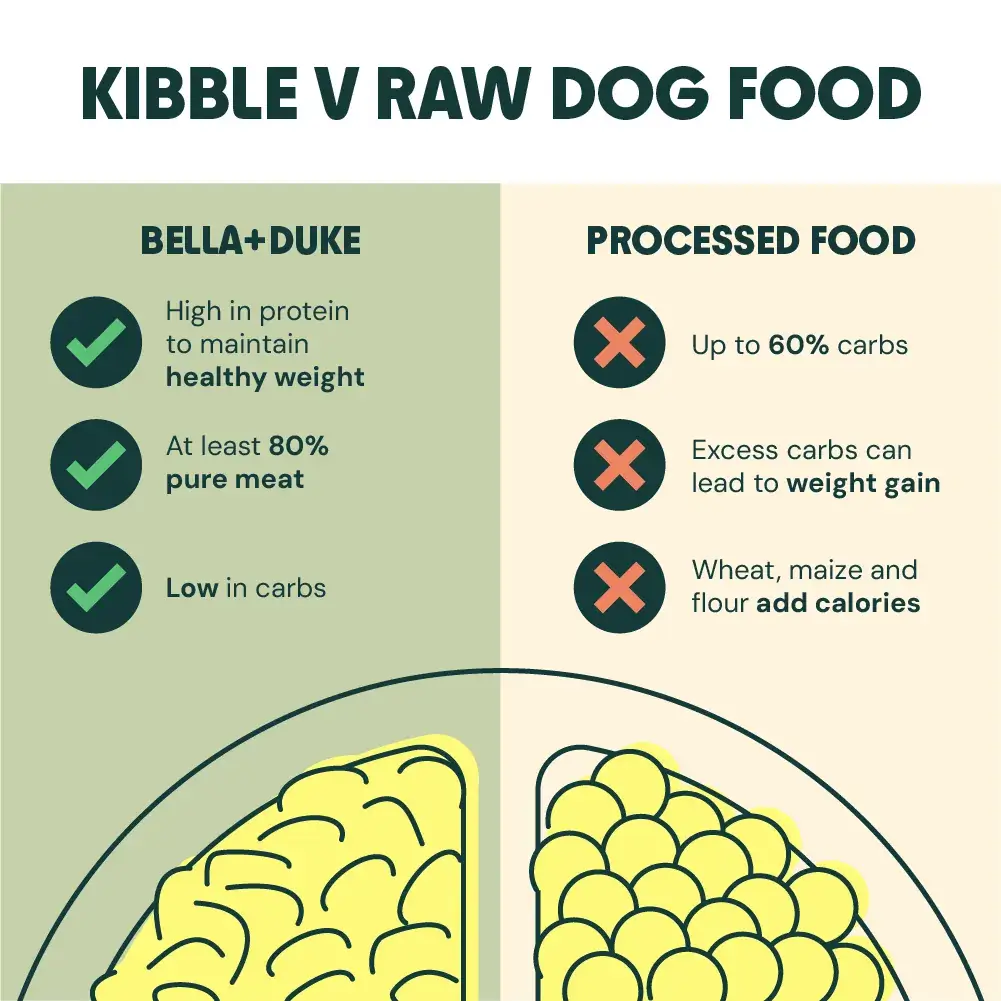

Choosing the right food for your dog can feel overwhelming. You want to give your furry friend the best, but with so many options, it’s hard to know what’s truly healthy.
Should you feed your dog raw food or stick with kibble? This decision affects your dog’s energy, health, and happiness every day. You’ll discover the real benefits and drawbacks of both options. By the end, you’ll feel confident about making the best choice for your dog’s diet.
Keep reading to find out what works best for your loyal companion.
Benefits Of Raw Food
Raw food offers many benefits for dogs that kibble cannot match. It provides natural nutrients and supports overall health. Many dog owners notice positive changes after switching to raw meals.
Nutrient Density And Digestibility
Raw food contains more natural vitamins and minerals. It has less processing, so nutrients stay intact. Dogs absorb these nutrients easier from raw food. This helps maintain strong bones and muscles.
Improved Coat And Skin Health
Raw diets often include healthy fats like omega-3s. These fats improve skin hydration and reduce itching. Dogs develop shinier, softer coats with fewer dry patches.
Enhanced Energy Levels
Raw food provides balanced proteins and fats for steady energy. Dogs feel more active and playful after eating raw meals. This diet supports endurance during exercise and daily activities.
Natural Enzymes And Probiotics
Raw food contains enzymes that aid digestion naturally. It also includes beneficial bacteria that support gut health. These elements help maintain a strong immune system and reduce digestive issues.
Advantages Of Kibble
Kibble offers many benefits for dog owners. It is easy to use and store. The nutrients are balanced for your dog’s health. It also helps keep your dog’s teeth clean. These advantages make kibble a popular choice.
Convenience And Storage
Kibble is simple to serve. It comes in bags that store well. No need to refrigerate or prepare meals. You can feed your dog anytime without fuss. Ideal for busy owners or travel.
Balanced Nutrient Formulation
Kibble is made with all needed nutrients. Vitamins, minerals, proteins, and fats are included. It supports healthy growth and energy. Each bite offers consistent nutrition every meal. Quality brands follow strict health standards.
Cost-effectiveness
Kibble usually costs less than raw food. It lasts longer without spoiling. Bulk buying saves money over time. Feeding kibble can fit tight budgets. A practical choice for many families.
Dental Health Benefits
Kibble’s texture helps clean teeth. Chewing reduces plaque and tartar build-up. It supports fresh breath and healthy gums. Regular kibble meals aid dental hygiene naturally. A benefit that raw food may lack.
Potential Risks Of Raw Diets
Choosing the right diet for your dog is crucial for their overall well-being. While raw food diets have gained popularity, they are not without risks. Understanding these potential pitfalls can help you make an informed decision about what’s best for your furry friend.
Bacterial Contamination Concerns
Raw diets can harbor harmful bacteria like Salmonella and E. coli. These pathogens pose a risk not only to your dog but also to your family. Dogs can become carriers of these bacteria, leading to possible transmission through licking or contact.
Imagine coming home to a wagging tail and thinking about the unseen germs that might be present. Proper handling and sanitation are crucial to minimizing these risks. Are you prepared to take those extra precautions every day?
Nutritional Imbalances
Formulating a balanced raw diet can be a challenge. Without professional guidance, you may miss out on essential nutrients. This could lead to deficiencies affecting your dog’s health in the long run.
A neighbor once shared that their dog developed weak bones due to an imbalanced diet. Consulting with a veterinary nutritionist can be invaluable. Are you willing to invest the time and resources to ensure nutritional adequacy?
Preparation And Handling Challenges
Preparing raw meals is time-consuming and requires meticulous attention. You’ll need to maintain a clean preparation space to prevent cross-contamination. Are you ready to dedicate this time and effort consistently?
Moreover, sourcing high-quality ingredients can become costly. Consider how this might impact your budget and daily routine. Does the potential benefit outweigh the added responsibilities?
Ultimately, weighing the risks and benefits of a raw diet is essential. Your dog’s health and safety depend on the choices you make. What steps will you take to ensure their diet is both safe and nutritious?

Credit: kafkasorganic.com
Possible Downsides Of Kibble
Kibble is a popular choice for many dog owners. It offers convenience and a long shelf life. Still, there are some downsides to consider. These issues can affect your dog’s health and well-being over time.
Processing And Additives
Kibble undergoes heavy processing to make it shelf-stable. This process can reduce nutrient quality. Many brands add preservatives, artificial flavors, and colors. These additives may cause allergies or digestive problems in some dogs.
Lower Moisture Content
Kibble contains very little water, usually around 10%. Dogs on dry food need extra water to stay hydrated. Without enough water, dogs may develop urinary tract issues or kidney problems. Moisture-rich foods help support better hydration and organ health.
Quality Variability Among Brands
Not all kibble is made equal. Ingredients and nutritional value vary widely between brands. Some use low-quality fillers like corn or wheat. Others may include meat by-products instead of real meat. Choosing a high-quality brand is essential for your dog’s health.
Factors Influencing Diet Choice
Choosing the right diet for your dog is not just about picking between raw food or kibble. Several factors shape what will work best for your furry friend. Understanding these influences helps you make a choice that supports your dog’s health and fits your lifestyle.
Dog’s Age And Health Status
Puppies, adult dogs, and seniors have different nutritional needs. Growing pups often require more protein and calories, which some raw diets can provide naturally. Older dogs might benefit from kibble formulated for joint health or weight control.
If your dog has allergies or digestive issues, certain diets might aggravate or soothe their condition. Raw food can be easier to digest for some dogs, but it may pose risks if not handled properly. Always watch how your dog responds to any diet change.
Activity Levels And Lifestyle
Active dogs burn more energy and may need a diet richer in fats and proteins. Raw diets often offer higher energy density, which can be great for working dogs or those with high activity. Less active dogs might do better on a balanced kibble to avoid weight gain.
Consider your dog’s daily routine. If you take long hikes or engage in agility training, feeding a diet that matches their energy output is crucial. Does your dog seem sluggish or overly hyper? Their diet could be a factor.
Owner’s Budget And Time
Raw feeding can be more expensive and time-consuming. You need to source quality meats and prepare meals safely. Kibble is convenient, shelf-stable, and often more affordable, which suits busy owners.
Think about how much time you can realistically dedicate to meal prep. Can you commit to thawing and portioning raw meals daily? If not, kibble might reduce stress and still keep your dog healthy.
Veterinary Recommendations
Your vet knows your dog’s health history and can guide you toward the best diet. Some vets prefer kibble due to controlled nutrition and lower contamination risk. Others support raw diets for specific health benefits.
Discuss your dog’s diet openly with your vet. Ask about risks and benefits based on your dog’s unique needs. Could a diet tweak improve your dog’s coat, energy, or digestion? Your vet’s insight is invaluable here.

Credit: gorawpetfood.com
Combining Raw And Kibble Diets
Combining raw and kibble diets can offer your dog the best of both worlds. This approach allows you to balance nutrition, convenience, and variety in your dog’s meals. Many dog owners find this mix helps meet their pet’s specific needs while keeping mealtime exciting.
Benefits Of A Mixed Feeding Approach
Mixing raw and kibble provides nutritional diversity that supports overall health. Raw food delivers natural enzymes, moisture, and fresh nutrients that kibble might lack. Kibble offers convenience, consistent nutrient balance, and long shelf life, making it easier to manage daily feeding.
This combo can also help picky eaters by adding variety without completely switching diets. You might notice improved digestion, shinier coats, and more energy as your dog enjoys different textures and flavors. Have you ever wondered if your dog could benefit from a varied diet instead of sticking to one food type?
Transition Strategies
Switching to a combined diet requires patience and care. Start by gradually mixing small amounts of raw food into your dog’s kibble over a week or two. Watch your dog’s reaction closely to avoid stomach upset.
Try feeding raw in the morning and kibble in the evening, or alternate days to help your dog adjust comfortably. If your dog resists the change, try warming the raw food slightly or adding a bit of broth to make it more appealing.
Monitoring And Adjustments
Once you begin mixing diets, keep an eye on your dog’s health. Look for changes in stool consistency, energy levels, and coat condition. These signs help you decide if the mix is working or needs tweaking.
Adjust the portions based on your dog’s weight, activity, and preferences. Regular vet check-ups ensure your dog’s nutritional needs are met. What small changes can you make today to improve your dog’s diet and well-being?
Signs Of A Healthy Diet
Recognizing the signs of a healthy diet helps ensure your dog thrives on their food. A proper diet affects many aspects of your dog’s health. Watch closely for changes in appearance, digestion, and energy levels. These signs reveal if the diet suits your pet.
Physical Appearance And Behavior
A shiny coat shows good nutrition and health. Skin should be smooth without redness or flakes. Bright eyes and clean teeth also indicate a balanced diet. Observe your dog’s behavior for alertness and calmness. Healthy dogs show steady weight without sudden gain or loss.
Digestive Health Indicators
Regular bowel movements point to good digestion. Stool should be firm and easy to pass. Excessive gas, diarrhea, or constipation suggest diet issues. Healthy digestion means your dog absorbs nutrients well. Watch for vomiting or upset stomach as signs of intolerance.
Energy And Vitality Levels
Active dogs with steady energy reflect proper nourishment. Sudden tiredness or hyperactivity may indicate diet problems. Healthy dogs enjoy playtime and rest without fatigue. Consistent energy throughout the day shows balanced meals. Notice how your dog recovers after exercise for clues.
Credit: www.houndsy.com
Frequently Asked Questions
What Are The Main Benefits Of Raw Food For Dogs?
Raw food offers natural nutrients, improves digestion, and enhances coat health. It mimics a dog’s ancestral diet, promoting overall well-being and energy levels. Raw diets often contain fewer fillers and preservatives compared to kibble.
Is Kibble Nutritionally Complete For Most Dogs?
Yes, high-quality kibble is formulated to meet dogs’ nutritional needs. It provides balanced vitamins, minerals, and proteins. Kibble is convenient, affordable, and shelf-stable, making it a popular choice for many dog owners.
Can Raw Food Cause Health Risks For Dogs?
Raw food can carry bacteria like Salmonella if not handled properly. It may also cause choking or digestive issues. Always source raw ingredients safely and consult a vet before switching diets.
How Does Kibble Affect Dental Health In Dogs?
Kibble’s crunchy texture helps reduce plaque and tartar buildup. However, it doesn’t replace regular dental care like brushing or professional cleanings. Some kibble brands add dental-specific formulas for extra benefits.
Conclusion
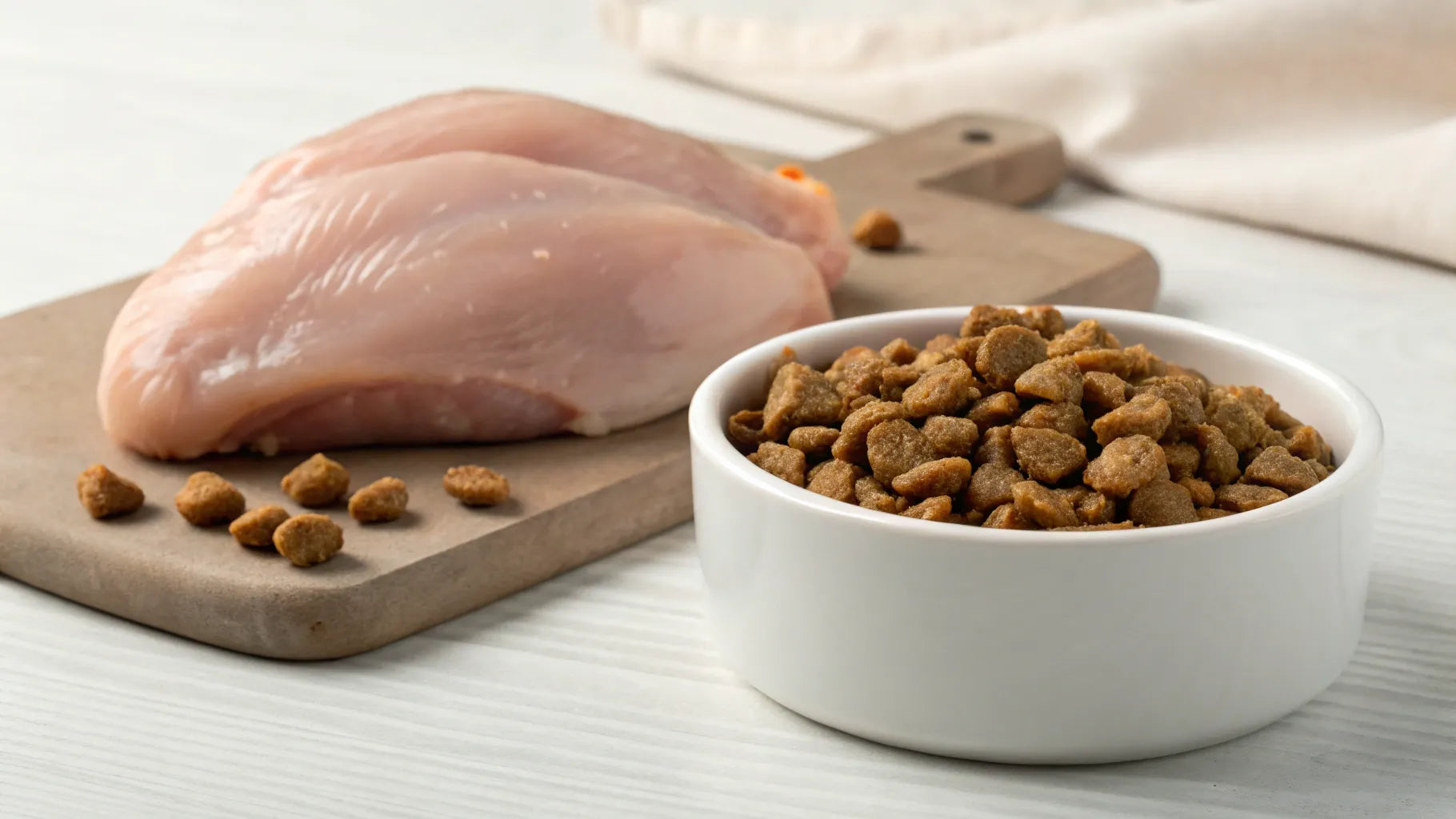
Choosing between raw food and kibble depends on your dog’s needs. Each option offers benefits and some challenges. Raw food may provide more natural nutrients but needs careful handling. Kibble is easy to store and use but may lack freshness.
Consider your dog’s health, lifestyle, and your time for preparation. Talk to a vet to find the best fit. Feeding your dog well helps keep them happy and healthy. The right choice supports their energy and overall well-being.