

Are you wondering if raw pet food is safe for your dog? You want the best for your furry friend, and choosing the right diet is a big part of that.
Raw pet food promises natural nutrition, but it also raises important questions about safety. You’ll discover what raw food really means, the risks involved, and how to decide if it’s the right choice for your dog. Keep reading to learn everything you need to know before making this important decision.
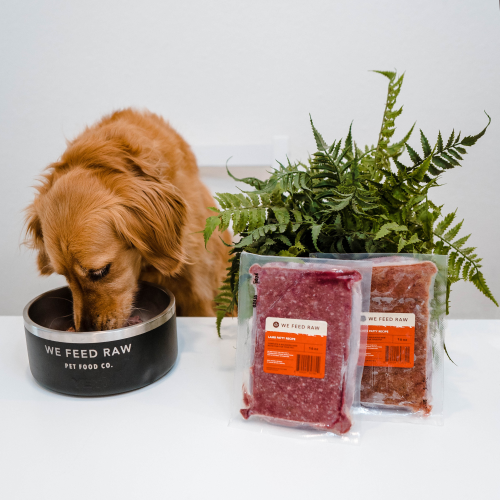
Credit: wefeedraw.com
Benefits Of Raw Diets
Choosing a raw diet for your dog can bring several noticeable benefits that affect their overall health and happiness. Many pet owners have observed positive changes after switching to raw feeding, from better digestion to shinier coats. Understanding these benefits can help you decide if this diet suits your furry friend’s needs.
Improved Digestion
Raw diets often include natural enzymes and fewer fillers, which can make it easier for your dog to digest food. You might notice less gas, firmer stools, and fewer digestive upsets when your dog eats raw. Have you ever seen how a simple change in diet can reduce your dog’s tummy troubles?
Natural enzymes in raw meat help break down food more efficiently, supporting gut health. Unlike some processed foods, raw diets avoid unnecessary additives that may irritate the digestive system. This can lead to a happier, more comfortable dog after meals.
Enhanced Coat And Skin Health
A shiny, soft coat often reflects what’s happening inside your dog’s body. Raw diets provide essential fatty acids, vitamins, and minerals that nourish your dog’s skin and fur. Owners often report less itching and shedding after switching to raw feeding.
Omega-3 and Omega-6 fatty acids found in raw meat promote healthy skin cells and reduce inflammation. If your dog struggles with dull fur or dry patches, a raw diet might improve their skin condition noticeably over time. What if the secret to your dog’s glossy coat lies in what they eat?
Increased Energy Levels
Feeding your dog raw food can lead to higher energy and vitality. Many dogs seem more playful and active after switching to a raw diet, likely because they get nutrient-dense meals that fuel their bodies better. You might find your dog eager for walks and playtime like never before.
The balanced proteins and fats in raw diets support muscle maintenance and overall stamina. If your dog seems sluggish or tired, considering their diet could be a game changer. How much more could your dog enjoy life with the right fuel?
Potential Risks To Consider
Feeding dogs raw pet food carries certain risks that owners should carefully consider. These risks can affect your dog’s health and safety. Understanding them helps you make safer choices for your pet’s diet.
Bacterial Contamination
Raw meat can contain harmful bacteria like Salmonella and E. coli. These bacteria may cause serious illness in dogs and humans. Dogs with weak immune systems are especially vulnerable. Proper handling and hygiene are crucial to reduce risks. Freezing raw food does not always kill all bacteria.
Nutritional Imbalances
Raw diets might lack essential nutrients or have too much of some. Dogs need a balanced mix of proteins, fats, vitamins, and minerals. Feeding an unbalanced raw diet can lead to health problems over time. Consulting a veterinarian or pet nutritionist can help create a proper plan. Homemade raw meals often need careful supplementation.
Choking And Bone Hazards
Raw bones can pose choking dangers or cause internal injuries. Splintered bones might puncture the digestive tract or cause blockages. Small or cooked bones are especially risky and should be avoided. Always supervise your dog while eating raw bones. Safer bone options and alternatives exist for chewing needs.
Common Myths About Raw Feeding
Feeding your dog a raw diet has become a popular trend, but it’s not without its controversies. Many pet owners are drawn to raw feeding by claims of health benefits and natural nutrition. However, misconceptions about raw diets can lead to confusion. Let’s debunk some common myths about raw feeding for dogs to help you make informed decisions.
Raw Food Is Always Safer
There’s a belief that raw food is inherently safer because it’s natural and unprocessed. While it’s true that raw diets can offer benefits, they also come with risks. Raw meat can harbor harmful bacteria like Salmonella or E. coli, which can affect both your dog and your family.
Have you ever wondered if handling raw meat in your kitchen could pose health risks? It’s essential to practice safe handling and hygiene to mitigate these dangers. A well-prepared raw diet requires careful sourcing and preparation to ensure safety.
Cooked Food Lacks Nutrients
Some argue that cooking food destroys essential nutrients, making raw diets superior. While cooking can reduce some vitamins, it also eliminates harmful pathogens. Cooking can enhance the digestibility of certain nutrients, aiding in your dog’s absorption.
If you’re concerned about nutrient loss, consider lightly cooking or steaming food. This method retains many nutrients while ensuring safety. Do you think a balanced approach could offer the best of both worlds?
All Dogs Thrive On Raw Diets
Not all dogs are the same, and neither are their dietary needs. While some dogs may thrive on a raw diet, others might not. Factors like age, breed, health status, and lifestyle all play a role in dietary suitability.
Have you observed any specific health issues or preferences in your dog that might affect their diet? Consulting with your vet can help tailor a diet plan that meets your dog’s unique needs. Remember, what works for one dog may not work for another.
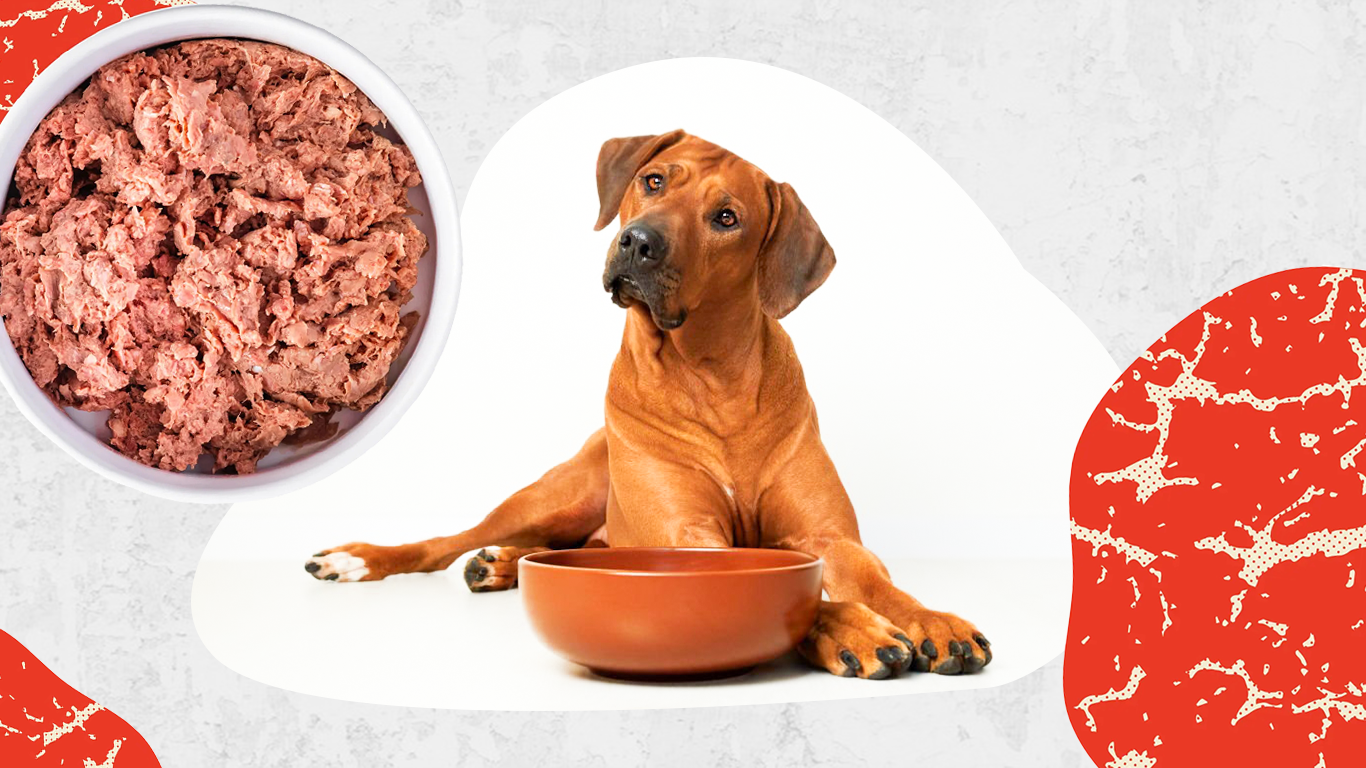
Credit: wefeedraw.com
Safe Handling Practices
Handling raw pet food safely is crucial to protect your dog’s health and your family’s well-being. Without careful practices, the risk of bacterial contamination rises significantly. Let’s look at some practical steps that ensure the food you prepare stays safe and nutritious.
Proper Storage Techniques
Keep raw pet food frozen or refrigerated immediately after purchase or preparation. Use airtight containers or sealed bags to prevent cross-contamination and freezer burn. Label your packages with dates so you always know how fresh the food is.
Have you noticed how quickly freezer space can fill up? Organizing your raw food by portion size helps prevent frequent thawing and refreezing, which can degrade quality and safety.
Sanitizing Feeding Areas
After feeding your dog, clean bowls and surfaces with hot, soapy water or a pet-safe disinfectant. Use separate utensils for raw food and human food to avoid spreading bacteria. Wiping down counters and washing hands thoroughly are simple habits that make a big difference.
Think about the last time you skipped cleaning a feeding area—could that have exposed your dog to harmful germs?
Using Quality Ingredients
Choose fresh, high-grade meats from reputable sources. Check expiration dates and avoid any products with off smells or colors. Incorporate a variety of meats and supplements to maintain balanced nutrition and reduce the risk of deficiencies.
Have you ever wondered how the quality of ingredients affects your dog’s immune system? Using top-quality raw ingredients is your first defense against illness.
Consulting Your Veterinarian
Consulting your veterinarian is essential before changing your dog’s diet to raw pet food. A professional can provide guidance based on your dog’s unique needs. This step helps avoid health risks and ensures the diet is safe and balanced.
Assessing Your Dog’s Health
Your veterinarian will check your dog’s overall health status. This includes age, weight, medical history, and any existing conditions. They may perform blood tests to detect hidden issues. This assessment ensures raw food suits your dog’s health.
Customized Diet Plans
Veterinarians can create diet plans tailored to your dog’s needs. They balance nutrients like protein, fat, vitamins, and minerals. This prevents nutritional gaps or excesses. The plan may include specific types of raw meat and supplements.
Monitoring For Adverse Reactions
After starting raw food, watch your dog closely. Look for signs like vomiting, diarrhea, or lethargy. Report any concerns to your vet immediately. Regular check-ups help catch problems early and adjust the diet if needed.
Transitioning To Raw Food
Transitioning your dog to a raw food diet requires care and patience. Sudden changes can upset their digestive system. Introducing raw food gradually helps your dog adjust smoothly. It also reduces the risk of refusal or digestive issues. Understanding how to transition properly supports your dog’s health and happiness.
Gradual Introduction Steps
Start by mixing a small amount of raw food with their current diet. Increase the raw portion slowly over several days or weeks. Observe your dog’s reaction to the new food. Keep portions small at first to avoid stomach upset. This slow change helps their digestive system adapt. Use fresh, high-quality raw food for best results.
Recognizing Adjustment Symptoms
Watch for signs like loose stools or mild vomiting. These symptoms may appear during the first week. Some dogs may also show decreased appetite or mild lethargy. Light digestive upset is normal but should not last long. If symptoms persist or worsen, consult your veterinarian. Early detection ensures your dog stays healthy during the transition.
Maintaining Balanced Nutrition
Raw diets must provide all essential nutrients for your dog. Include a variety of meats, organs, and bones in their meals. Supplement with vegetables and fruits for vitamins and fiber. Avoid feeding only muscle meat, which lacks key nutrients. Consult a pet nutrition expert to create a balanced meal plan. Proper nutrition supports your dog’s energy and overall health.
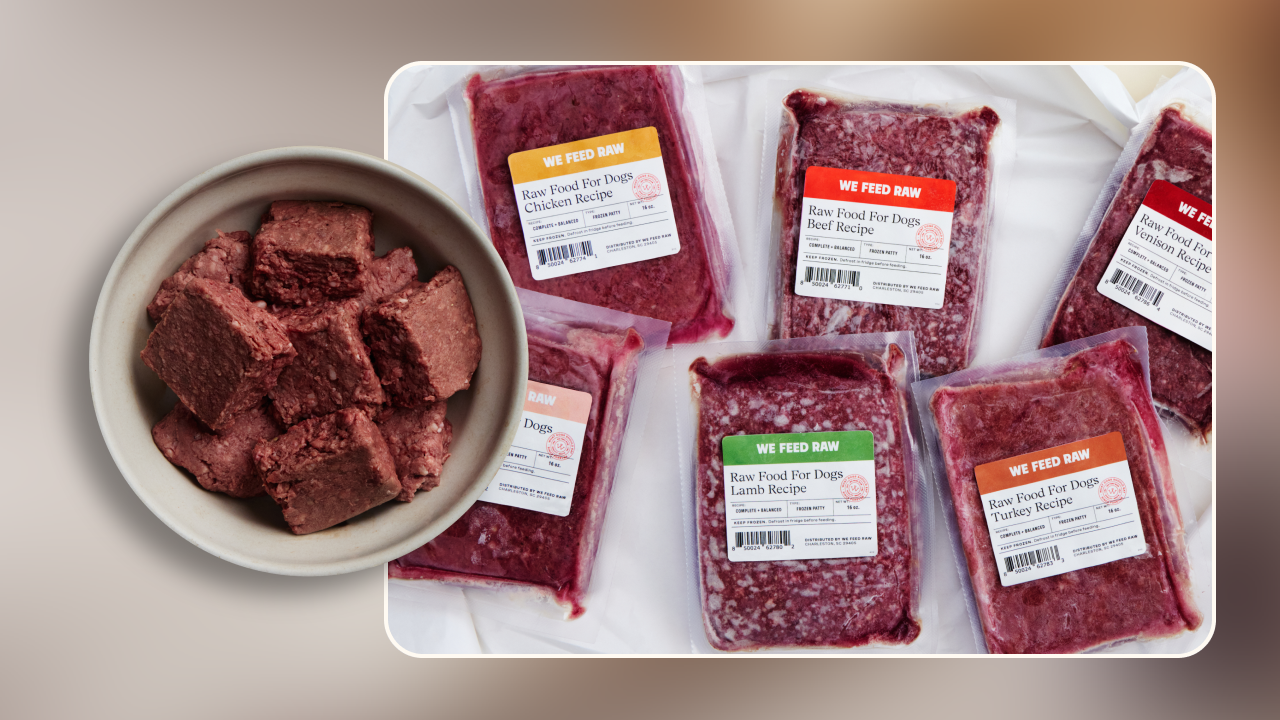
Credit: wefeedraw.com
Frequently Asked Questions
Is Raw Pet Food Safe For Dogs To Eat?
Raw pet food can be safe if handled properly. It must be fresh, balanced, and free from harmful bacteria. Consult your vet before switching to raw diets to ensure it meets your dog’s nutritional needs and to avoid health risks.
What Are The Benefits Of Feeding Raw Food To Dogs?
Raw food may improve coat shine, energy, and dental health. It often contains fewer preservatives and additives than commercial kibble. However, benefits vary by dog and diet quality, so professional guidance is recommended.
Can Raw Pet Food Cause Health Risks In Dogs?
Yes, raw diets can expose dogs to bacteria like Salmonella and E. coli. Improper handling increases contamination risks for pets and humans. Always practice strict hygiene and consult a vet to minimize health hazards.
How To Safely Transition Dogs To Raw Food?
Transition gradually over 7-10 days by mixing raw with current food. Monitor your dog for digestive upset or allergies. Consult a vet to ensure the new diet is balanced and suitable for your dog’s specific health needs.
Conclusion
Raw pet food for dogs can be safe with proper care. Clean handling and fresh ingredients matter most. Always check with a vet before changing diets. Balance and hygiene reduce risks of illness. Each dog is different; what works varies.
Careful planning keeps your pet healthy and happy. Safety and nutrition go hand in hand. Choose wisely and watch your dog thrive.


