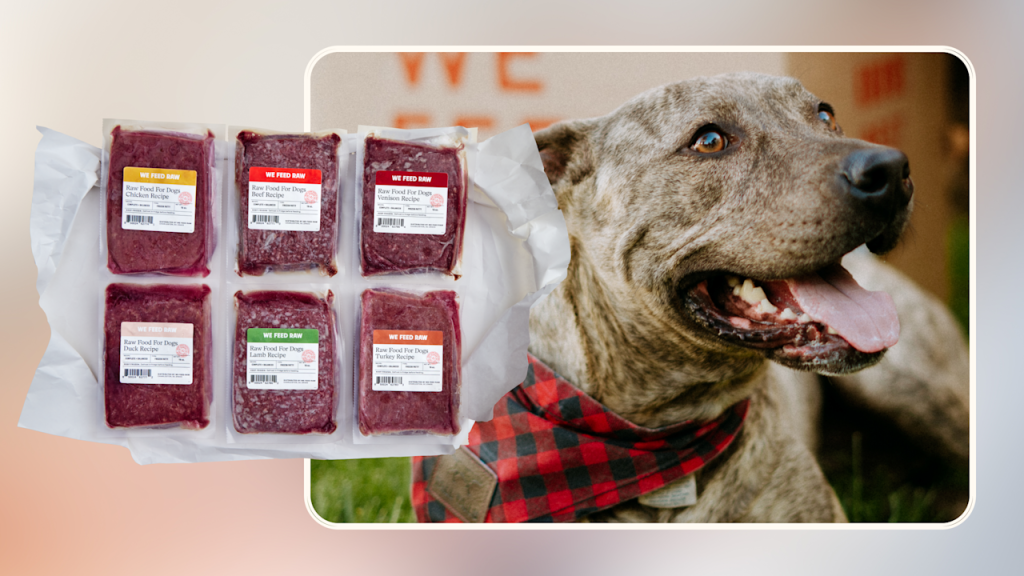

Are you wondering if feeding your dog raw food is the right choice? You want the best for your furry friend, but with so many opinions out there, it’s hard to know what to believe.
What if the food you give could boost your dog’s energy, improve their coat, and keep them healthier? You’ll discover the truth about raw feeding—what it really means, the benefits, and the risks. By the end, you’ll feel confident making the best decision for your dog’s diet and well-being.
Keep reading to learn how what’s on your dog’s plate could change their life.
Raw Diet Basics
Understanding the basics of a raw diet for dogs is essential before making any changes to your pet’s meals. Feeding raw isn’t just about giving your dog uncooked meat; it involves a careful balance of ingredients to meet all nutritional needs. You might wonder if this approach fits your dog’s lifestyle and health.
What Is Raw Feeding
Raw feeding means providing your dog with food that is uncooked and minimally processed. This diet often mimics what dogs ate before domestication, focusing on fresh meats, bones, and organs.
Many dog owners choose raw feeding to improve their pet’s coat, energy levels, and digestion. However, it requires attention to hygiene and nutritional balance to avoid health risks.
Are you ready to handle the extra preparation and care that raw feeding demands?
Common Ingredients In Raw Diets
A typical raw diet includes a mix of proteins, fats, and essential nutrients. Common ingredients you’ll find are:
- Muscle meat:The main source of protein, usually from beef, chicken, turkey, or lamb.
- Raw meaty bones:Provide calcium and help keep teeth clean; examples include chicken necks or wings.
- Organ meats:Liver and kidneys are rich in vitamins and minerals your dog needs.
- Vegetables and fruits:Some feeders add small amounts of veggies like carrots or spinach for fiber.
- Supplements:Occasionally needed to fill any nutritional gaps, such as fish oil for omega fatty acids.
Choosing quality ingredients is key. Have you checked where your meat comes from and how fresh it is?
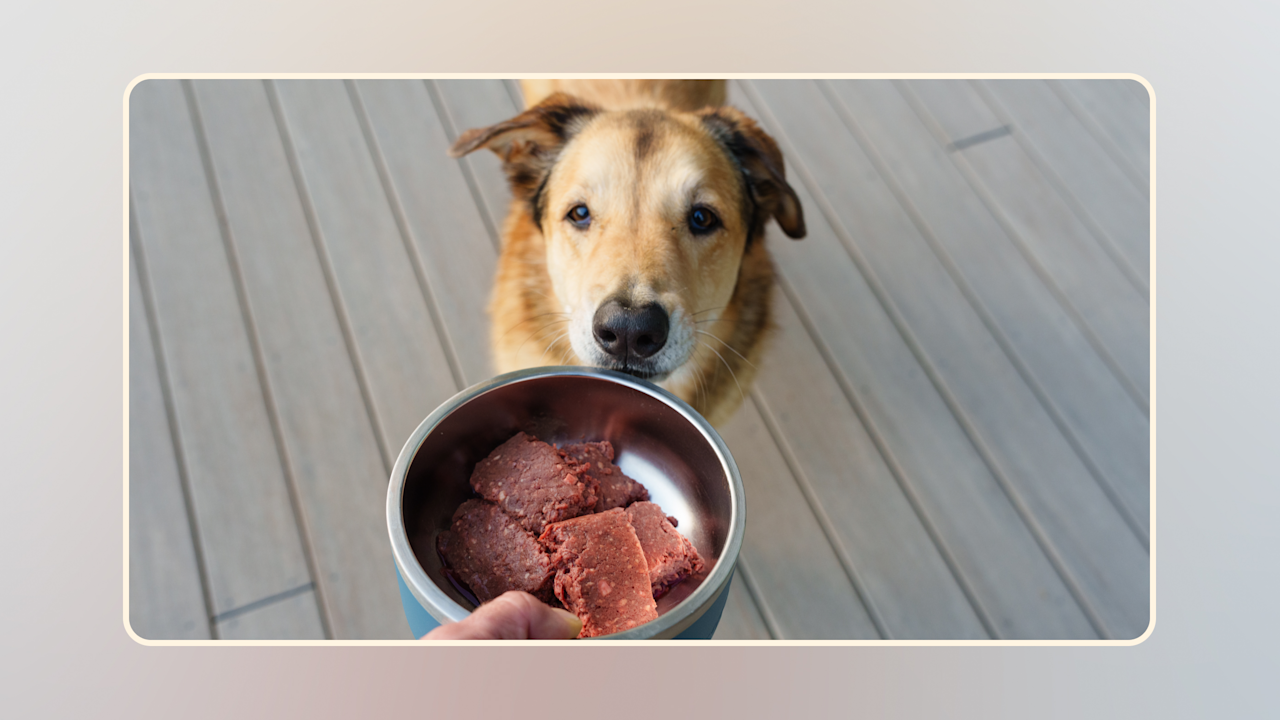
Credit: wefeedraw.com
Benefits Of Raw Feeding
Feeding dogs raw food offers many benefits that support their overall health. This diet closely mimics what wild dogs eat. It provides natural nutrients in their purest form. Dogs often show quick improvement in health after switching to raw food. The benefits affect digestion, skin, energy, and teeth.
Improved Digestion
Raw food is easier for dogs to digest. It contains natural enzymes that help break down food. This reduces the chance of stomach upset and gas. Dogs with sensitive stomachs often feel better on raw diets. The natural fibers support healthy gut bacteria. This leads to better nutrient absorption and fewer digestive issues.
Healthier Coat And Skin
Raw feeding provides essential fats and oils. These nutrients keep skin hydrated and reduce itching. Dogs develop shiny, soft coats with regular raw meals. The natural vitamins improve skin health and reduce dryness. This helps dogs look and feel their best.
Increased Energy Levels
Raw diets deliver high-quality protein and fat. These nutrients fuel muscles and organs efficiently. Dogs often become more active and playful. Their stamina improves for walks and playtime. This diet supports a strong, healthy body.
Better Dental Health
Chewing raw meat and bones helps clean teeth naturally. It reduces plaque buildup and fights bad breath. Raw food supports stronger gums and fewer dental problems. This can lower vet visits for tooth issues.
Potential Risks
Raw food for dogs is gaining popularity. But there are potential risks to consider. Understanding these risks helps make informed decisions for your furry friend.
Bacterial Contamination
Raw dog food can harbor harmful bacteria. Salmonella and E. coli are common culprits. These bacteria pose health risks to dogs and humans. Proper handling and storage are essential. Always wash hands and surfaces after touching raw dog food.
Nutritional Imbalances
Raw diets may lack essential nutrients. Balancing vitamins and minerals is challenging. Dogs need a variety of nutrients to stay healthy. A veterinarian can help ensure a balanced diet.
Choking And Bone Hazards
Raw bones can be dangerous for dogs. They might cause choking or internal injuries. Splintered bones can damage a dog’s mouth or stomach. Always supervise dogs when feeding bones. Choosing appropriate bone sizes reduces risks.
Cost And Convenience
Raw feeding can be more expensive. The cost of fresh meat and supplements adds up. It also requires more preparation time. Busy dog owners may find this inconvenient. Weigh the benefits against the effort and cost involved.
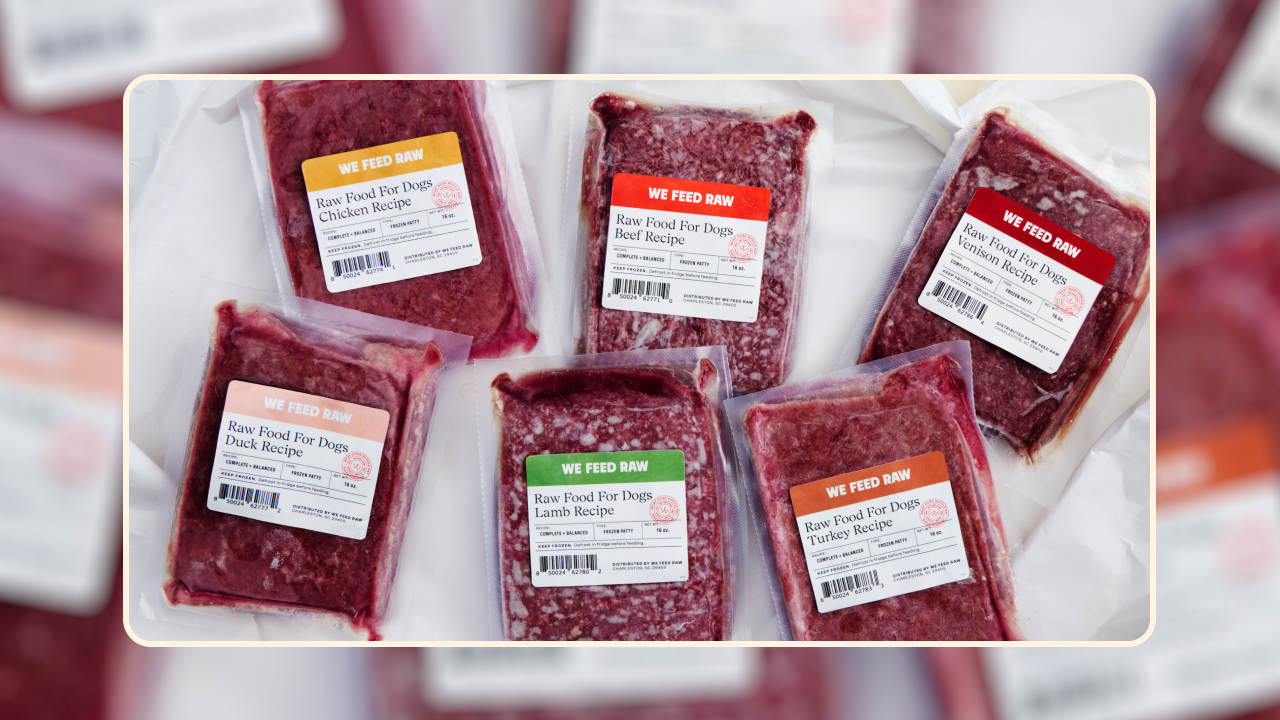
Credit: wefeedraw.com
Choosing The Right Raw Diet
Choosing the right raw diet for your dog requires careful thought. Raw feeding can provide many benefits, but balance and safety are key. Each dog has unique needs, so finding the best diet is important. Consider different options and essential nutrients to keep your dog healthy and happy.
Commercial Vs. Homemade
Commercial raw diets come pre-made and balanced. They save time and reduce risk of missing nutrients. Look for products with clear ingredient lists and quality sourcing.
Homemade raw diets allow full control over ingredients. They require more effort and knowledge. Ensure recipes meet your dog’s nutritional needs to avoid health issues.
Essential Nutrients To Include
- Protein from muscle meat and organs
- Calcium from raw bones or supplements
- Fat for energy and coat health
- Vitamins and minerals from vegetables and fruits
- Water for hydration
Balance is crucial. Too much or too little of any nutrient can harm your dog’s health.
Consulting A Veterinarian
A vet can guide you on safe raw feeding practices. They help tailor diets to your dog’s age, size, and health.
Regular check-ups ensure your dog stays healthy on a raw diet. Adjustments may be needed over time.
Transitioning To Raw Food
Switching your dog to a raw food diet requires care and patience. Dogs need time to adjust to new foods. A sudden change can upset their stomach or cause refusal to eat. A smooth transition helps your dog accept raw food comfortably. It also allows you to watch how your pet reacts. This section guides you through the process of changing your dog’s diet safely.
Gradual Introduction Tips
Start by mixing a small amount of raw food with your dog’s current diet. Slowly increase the raw portion over days or weeks. Observe how your dog eats and digests the new food. Use fresh, high-quality raw ingredients to avoid health risks. Keep feeding times consistent to build routine. Avoid adding spices or seasoning to the raw food. Offer plenty of fresh water alongside meals.
- Mix 10% raw food with 90% old food initially
- Increase raw food by 10% every few days
- Watch for changes in appetite and digestion
- Use lean meats, raw bones, and fresh vegetables
- Keep feeding schedule steady and predictable
Monitoring Your Dog’s Response
Check your dog’s stool for changes in consistency and smell. Soft or runny stools may occur at first but should improve. Look for signs of allergies like itching or redness. Watch your dog’s energy and mood daily. Loss of appetite or vomiting needs attention. Consult your vet if any severe or lasting problems arise. Track your dog’s weight to ensure proper nutrition.
Safety And Hygiene Practices
Feeding your dog raw food can be rewarding, but safety and hygiene are crucial to protect both your pet and your household. Handling raw ingredients with care reduces the risk of contamination and illness. Let’s look at practical steps you can take to keep things clean and safe.
Proper Handling And Storage
Keep raw meat separate from other foods in your fridge to avoid cross-contamination. Use sealed containers or plastic bags to store portions, and label them with dates to track freshness. Always thaw raw food in the refrigerator, not on the counter, to prevent harmful bacteria from multiplying.
Have you ever noticed a strange smell or slimy texture on your dog’s food? That’s a sign it’s gone bad and should be discarded immediately. Trust your senses and never feed questionable meat to your pet.
Cleaning And Preparation Guidelines
Wash your hands thoroughly with soap and warm water before and after handling raw food. Clean all utensils, cutting boards, and surfaces with hot, soapy water right after use. Consider dedicating specific tools for preparing your dog’s meals to avoid mixing with human food prep.
- Sanitize surfaces regularly with pet-safe disinfectants.
- Use disposable gloves if you have cuts or wounds on your hands.
- Keep your dog’s feeding area clean and free from leftover food.
Have you ever thought about how often pet bowls should be cleaned? Daily washing prevents bacterial buildup and keeps your dog healthy. Making hygiene a habit can save you vet visits down the line.
Alternatives To Raw Feeding
Not everyone chooses raw feeding for their dogs. There are safe, healthy options that meet dogs’ nutritional needs. These alternatives offer convenience and control over ingredients. They also reduce risks linked to raw diets. Consider these popular choices for your dog’s diet.
Cooked Homemade Meals
Cooked homemade meals let you control every ingredient. You can use fresh vegetables, lean meats, and grains. Cooking kills harmful bacteria, making food safer. It also helps dogs digest meals easily. Consult a vet for balanced recipes. Avoid using onions, garlic, or toxic foods. Store meals properly to keep them fresh.
High-quality Commercial Kibble
Commercial kibble is convenient and nutritionally balanced. Look for brands with natural ingredients and no fillers. Many formulas include vitamins, minerals, and fatty acids. They come in various sizes for different dog breeds. Always check the ingredient list carefully. Choose options with real meat as the first ingredient. Feed according to your dog’s age and activity.
Freeze-dried And Dehydrated Options
Freeze-dried and dehydrated foods keep nutrients intact. These meals require adding water before serving. They offer a balance between raw and cooked diets. They are easy to store and have a long shelf life. Many dogs enjoy their natural taste and texture. Check labels to ensure quality ingredients. These options can be a good alternative for busy pet owners.

Credit: www.petfoodprocessing.net
Frequently Asked Questions
What Are The Benefits Of Feeding Dogs Raw Food?
Feeding dogs raw food can improve digestion, enhance coat shine, and increase energy levels. It also reduces allergies and promotes healthier teeth by providing natural nutrients and enzymes.
Is Raw Food Diet Safe For All Dog Breeds?
Raw food diets are generally safe but should be tailored to each dog’s breed, age, and health. Consult a vet before starting to ensure balanced nutrition and avoid health risks.
How To Transition Dogs To A Raw Food Diet Safely?
Introduce raw food gradually over 7-10 days by mixing it with current food. Monitor your dog for any digestive issues and adjust portions to avoid upset stomachs.
What Are Common Risks Of Feeding Dogs Raw Food?
Raw diets can pose risks like bacterial contamination, nutrient imbalances, and choking hazards. Proper food handling and veterinary guidance help minimize these risks effectively.
Conclusion
Feeding raw food to dogs has both benefits and risks. It can improve their coat and energy but needs care. Always choose fresh, safe ingredients and keep hygiene in mind. Consult a vet before changing your dog’s diet. Watch your dog’s health closely after switching foods.
Raw feeding is not for every dog or owner. Balance and safety matter most for happy, healthy pets.