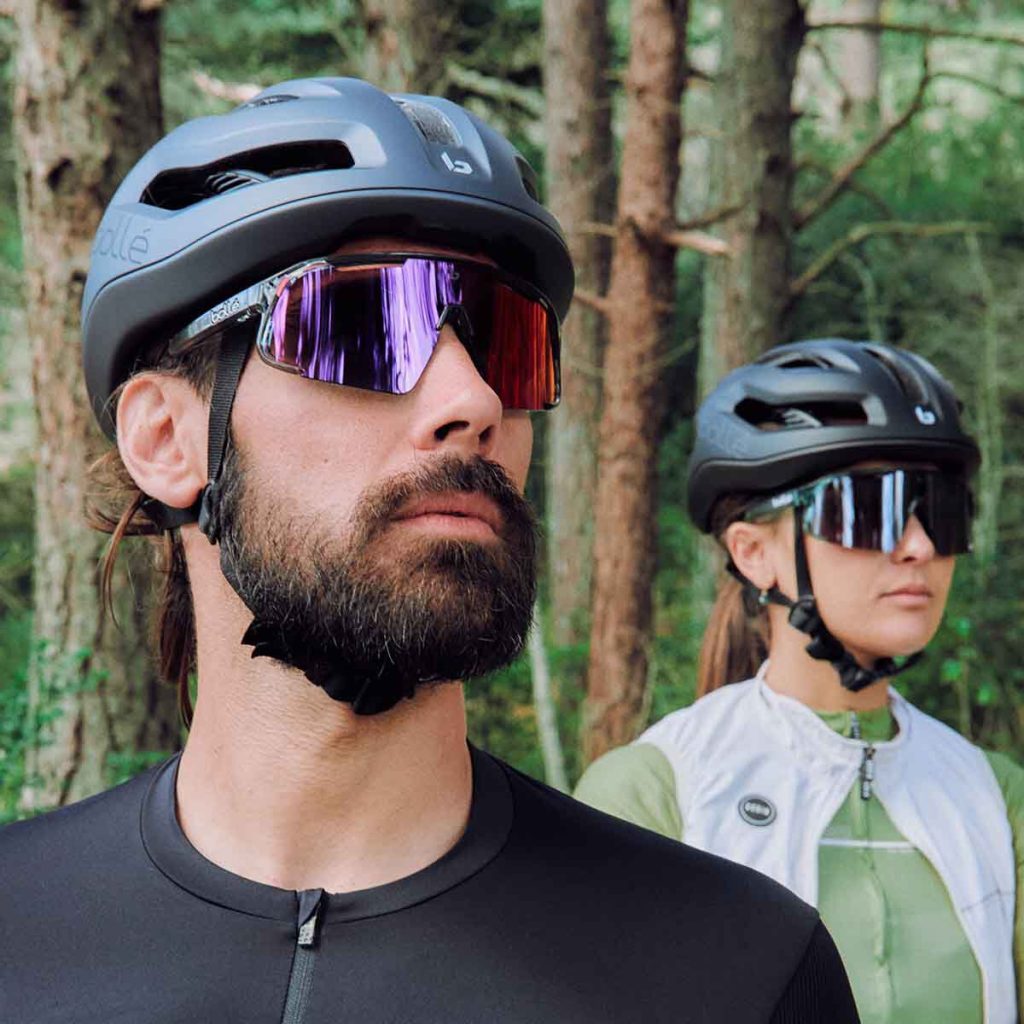

When you hop on your bicycle, the wind in your hair and the sense of freedom can be exhilarating. Yet, amidst the excitement, there’s a crucial question that crosses the minds of many cyclists: “Should I wear a helmet when cycling?”
It’s a question that might seem straightforward, but the answer holds the key to your safety and peace of mind. Have you ever considered how a simple piece of protective gear can transform your cycling experience? Imagine cycling with confidence, knowing you’re shielded from unexpected accidents.
Discover why making the right choice about wearing a helmet can not only safeguard your life but also enhance your cycling journey. Let’s explore the reasons why this decision could be the smartest move for you.
Benefits Of Wearing A Helmet
Wearing a helmet while cycling offers numerous benefits. It provides essential protection and can significantly reduce the risk of injury. A helmet serves as a critical barrier between your head and external dangers. This is not just about physical safety; it boosts confidence as well. Knowing you’re protected allows you to enjoy your ride more. The advantages extend beyond mere protection, touching aspects like visibility and injury severity. Let’s delve into these benefits to understand why a helmet should be a staple in every cyclist’s gear.
Safety And Protection
Helmets are designed to shield your head during accidents. They absorb impact and reduce the force transmitted to your skull. This can prevent or lessen injuries such as concussions and cuts. By wearing a helmet, you safeguard your brain, which is vital in any cycling mishap. The helmet’s hard outer shell and foam lining work together to provide maximum protection.
Reducing Injury Severity
In accidents, helmets can lower the severity of head injuries. Studies show that helmeted cyclists suffer fewer serious injuries. The cushioning layer inside a helmet disperses the energy from a blow. This lessens the impact on the head. Wearing a helmet can be the difference between a minor injury and a major one. It acts as a preventive measure, keeping you safer in unexpected situations.
Enhancing Visibility
Helmets often come with reflective materials. These improve visibility in low-light conditions. Brightly colored helmets make cyclists more noticeable to drivers. Enhanced visibility means you are safer on the road. It’s crucial during early morning or evening rides. A helmet can make you stand out, reducing the chance of accidents due to poor visibility.
Common Misconceptions
Cyclists often wonder if helmets are necessary for safety. Some believe helmets only help in serious accidents. Others think helmets are uncomfortable. Yet, wearing a helmet can protect against head injuries. Understanding helmet importance can change your cycling experience.
Cycling helmets spark debates about their necessity and effectiveness. Many cyclists hesitate to wear them due to common misconceptions. Understanding these misconceptions can help make informed decisions.Helmets And Risk-taking
Some believe helmets encourage reckless behavior. They think wearing a helmet makes cyclists take more risks. This is known as risk compensation. But research shows helmets do not increase risky actions. Safety should always be a priority, helmet or not.Impact On Cycling Experience
Another myth is helmets ruin the cycling experience. Some say they are uncomfortable or too hot. Modern helmets are designed for comfort and ventilation. They offer protection without compromising enjoyment. Helmets enhance safety, making cycling more enjoyable. `Helmet Standards And Certifications
Wearing a helmet while cycling can make a difference in safety. But not all helmets offer the same level of protection. The key lies in understanding helmet standards and certifications. These ensure a helmet meets specific safety requirements. They guide you in choosing a reliable product. Knowing these standards helps you pick a helmet that will protect you.
Understanding Certifications
Helmet certifications prove a helmet’s safety and durability. Each certification represents tests a helmet must pass. Common ones include CPSC, ASTM, and EN. CPSC is often required in the USA. ASTM is known for impact protection tests. EN certifications are used in Europe. These standards ensure your helmet withstands impacts during falls.
Choosing The Right Helmet
Select a helmet with a certification that suits your needs. Check for the sticker or label inside the helmet. This confirms its certification. Don’t skip this step. Certified helmets offer verified protection. Fit and comfort are also crucial. A helmet should fit snugly but not tightly. Adjust straps for a secure fit. Ventilation is another factor. Ensure your helmet has good airflow. This keeps you cool during rides.

Credit: health.clevelandclinic.org
Proper Helmet Fit
Ensuring a proper helmet fit is crucial for safety while cycling. A well-fitted helmet provides protection and comfort. It reduces the risk of injury in case of an accident. Many riders overlook the importance of fit when choosing a helmet.
Importance Of Fit
A helmet that fits properly stays secure during rides. It should sit level on your head. If it tilts forward or backward, it won’t protect you effectively. The helmet must cover the forehead without obstructing vision. An improper fit can cause discomfort or distraction.
Helmets come in different sizes. Choosing the right size is essential. Measure your head’s circumference above your eyebrows. Use this measurement to select your helmet size. A snug fit is necessary but it shouldn’t feel tight.
Adjusting For Comfort
Adjusting helmet straps is important. They should form a V shape under your ears. Ensure the straps are not too loose. Tighten them until they feel secure but comfortable. The chinstrap should be snug without pinching.
Some helmets have adjustable fitting systems. These allow fine-tuning for comfort. Use the adjustment wheel or dial if available. This helps achieve a personalized fit. It enhances comfort during long rides.
Padding can also improve comfort. Many helmets come with removable pads. Adjust or replace them to suit your preference. This can help avoid pressure points and ensure a pleasant ride.
Legal Requirements
Cycling safety laws vary by location. Many regions require helmets for cyclists, especially minors. Wearing a helmet can significantly reduce head injuries.
Wearing a helmet while cycling isn’t just a personal choice; it’s often influenced by legal requirements. These laws vary widely depending on where you live and your age. Whether you’re a seasoned cyclist or just starting out, understanding these regulations is crucial. Not only does it keep you on the right side of the law, but it also ensures your safety. Let’s dive into the specifics.Regional Regulations
Cycling laws differ significantly from one region to another. In some areas, helmet use is mandatory for all cyclists, regardless of age. In others, the laws might be more lenient, especially in places with a strong cycling culture. For example, in the United States, the laws are often determined by individual states or even cities. California requires helmets for riders under 18, while New York mandates them for children under 14. It’s important to check the specific laws in your area before heading out on your bike. Do you know the rules in your region? A quick online search or a visit to your local government website can provide clarity.Age-specific Laws
Age can play a significant role in helmet laws. Many regions have specific regulations that apply to younger riders. These laws are typically aimed at protecting children and teenagers who might be more vulnerable to accidents. In Australia, for instance, helmet laws are quite strict for all ages, but enforcement might focus more on younger cyclists. In contrast, some European countries have no age-specific helmet laws at all, trusting in education and awareness instead. Consider the rules affecting you or your family members. If you have kids, knowing these laws can help ensure their safety and your peace of mind. How do these age-specific laws influence your cycling habits? Share your thoughts or experiences in the comments below!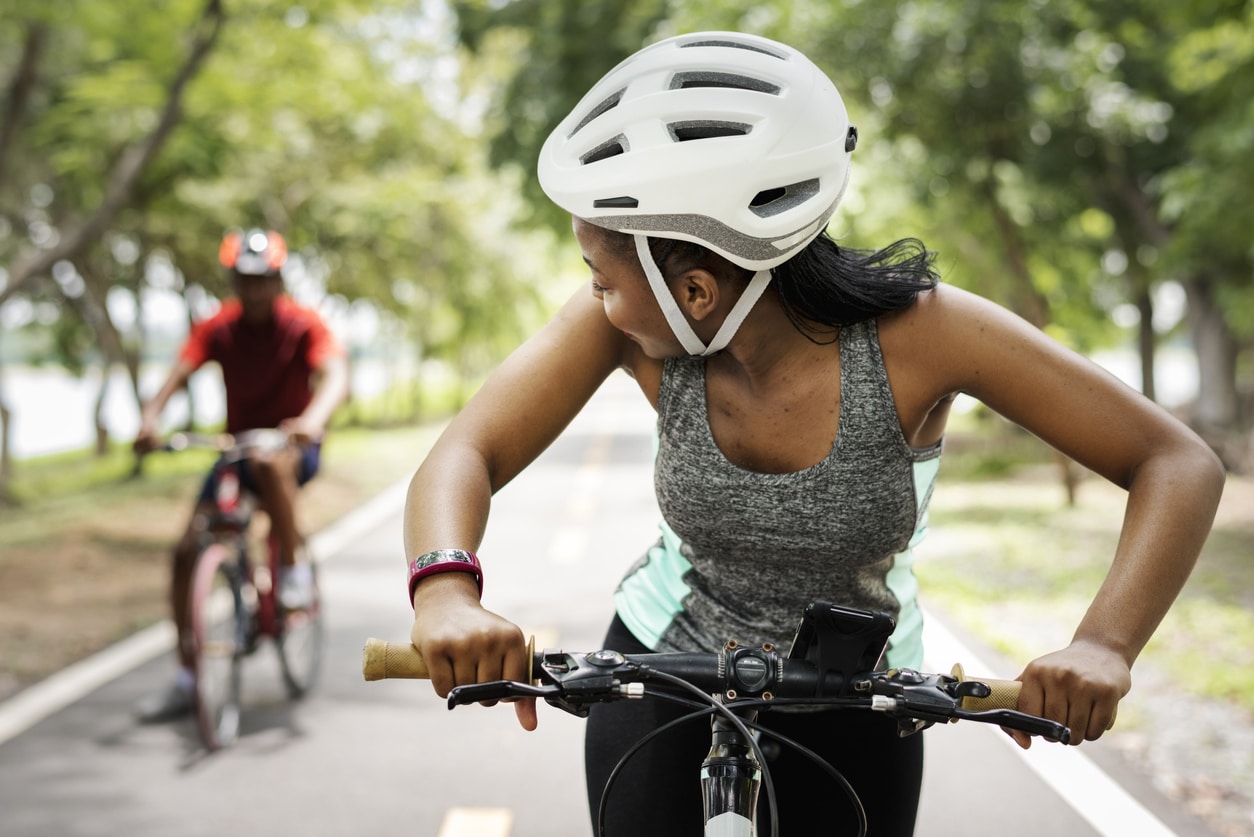
Credit: www.peoplepoweredmovement.org
Alternatives To Helmets
Cycling safety often sparks debates about helmet use. Some suggest alternatives like airbag helmets or padded caps. These options offer protection while maintaining comfort and style.
Cycling is a fantastic way to stay fit and enjoy the outdoors, but safety is a top priority. While helmets are the most common safety accessory, you might wonder if there are other ways to protect yourself. Let’s explore some alternatives to helmets that can enhance your safety while cycling.Protective Gear Options
When you think about safety gear, helmets are often the first thing that comes to mind. But there are other protective options available that you might not have considered. Consider wearing padded cycling gloves. They can protect your hands from impact and provide a better grip on the handlebars, reducing the risk of falls. Don’t overlook the importance of knee and elbow pads. These can be particularly beneficial if you’re cycling in rough terrain or trails where falls are more likely. Reflective clothing is another option that enhances visibility. It makes you more noticeable to drivers, especially in low-light conditions.Innovative Safety Solutions
Safety technology is advancing, offering new solutions for cyclists. Have you heard about inflatable airbag collars? They’re designed to inflate upon impact, protecting your neck and head without the bulk of a traditional helmet. Smart bike lights are a game-changer for safety. They adjust brightness based on ambient light and can signal your presence to others on the road, reducing the likelihood of accidents. Consider the power of GPS-enabled safety apps. They allow you to share your location with loved ones and can alert emergency services if an accident occurs. What about wearable tech that monitors your heart rate and fatigue levels? It helps you know when to rest or hydrate, preventing accidents caused by exhaustion. Safety isn’t just about gear. It’s about making informed choices and knowing your limits. Have you ever thought about how adjusting your route could make a difference in your safety? While helmets are important, exploring these alternatives can offer additional layers of protection and confidence as you ride. What will you choose to enhance your cycling safety?Personal Experiences
When deciding whether to wear a helmet while cycling, personal stories can offer invaluable insights. These experiences often highlight the unexpected twists and turns of life on two wheels. Through real-life anecdotes, we can learn not only the importance of safety but also the consequences of overlooking it.
Real-life Stories
Consider Jane, an avid cyclist who thought wearing a helmet was optional. One sunny afternoon, she was riding through the park, enjoying the breeze. Suddenly, a squirrel darted across her path, causing her to swerve and fall. Her head hit the pavement, resulting in a mild concussion.
This incident was a wake-up call. Jane realized that no matter how safe the environment seemed, unexpected events could occur. Her story serves as a reminder of how unpredictable cycling can be. Have you ever had a close call that made you rethink your safety gear?
Learning From Others
Tom’s experience offers another perspective. As someone who commuted daily on his bike, he always wore a helmet. One day, he witnessed a fellow cyclist crash after being clipped by a car. Though the cyclist wasn’t wearing a helmet, they miraculously escaped serious injury.
This incident reinforced Tom’s belief in the importance of helmets. He saw firsthand how they could make the difference between a minor mishap and a life-altering injury. Observing others can be a powerful motivator. Do you know someone whose experience has influenced your cycling habits?
These stories teach us that safety is not just about personal comfort or preference; it’s about preparing for the unexpected. Wearing a helmet might seem trivial, but it can play a crucial role in safeguarding your health. Would you take the risk, or choose caution for a safer ride?
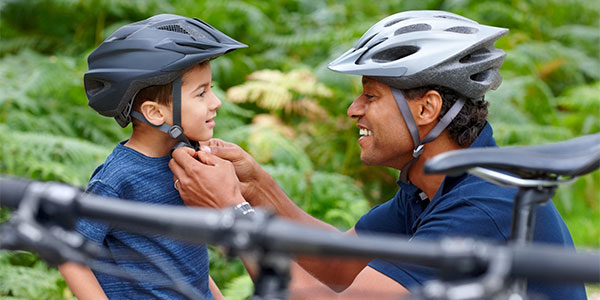
Credit: www.healthychildren.org
Frequently Asked Questions
Is Wearing A Helmet While Cycling Necessary?
Wearing a helmet is highly recommended for safety. It significantly reduces the risk of head injuries. Helmets provide crucial protection in case of accidents. They are an essential gear for cyclists of all ages.
What Are The Benefits Of Wearing A Helmet?
Helmets protect your head from serious injuries during accidents. They enhance visibility on the road. Wearing a helmet can boost your confidence. Helmets are a vital safety measure for all cyclists.
How Does A Helmet Improve Cycling Safety?
A helmet absorbs impact forces during collisions. It reduces the risk of severe head trauma. Helmets increase your visibility to other road users. They are a proven safety tool for cyclists.
Can A Helmet Reduce Head Injury Risk?
Yes, a helmet can significantly reduce head injury risk. It cushions and protects your head during falls. Helmets are designed to absorb impact energy. They are crucial for cycling safety.
Conclusion
Cycling offers fun and exercise. Safety should be a priority. Wearing a helmet protects your head from injury. It’s a small step with big benefits. Helmets reduce the risk of serious accidents. They provide peace of mind for you and your loved ones.
Choose comfort and fit for better protection. Make helmet-wearing a habit on every ride. Remember, safety is smart and responsible. By wearing a helmet, you show care for yourself and others. Stay safe, enjoy the ride, and keep cycling fun!