
Planning a car trip with your dog can feel overwhelming. You want your furry friend to be safe, comfortable, and happy throughout the ride.
But how do you make that happen? Imagine a smooth drive where your dog stays calm, and you don’t have to worry about unexpected messes or restless behavior. You’ll discover simple yet effective tips that will change the way you travel with your dog.
Keep reading to learn how to turn every car trip into a stress-free adventure for both you and your pet.

Credit: petfriendlybox.com
Preparing Your Dog For The Journey
Getting your dog ready for a car trip is key to a smooth journey. Dogs can feel uneasy with the sudden change of environment and motion. Helping them adjust before hitting the road makes the experience better for both of you.
Familiarizing With The Car
Let your dog explore the car while it’s parked. Open the doors and invite them inside without starting the engine. Reward calm behavior with treats and gentle praise to build positive associations.
Once your dog is comfortable sitting or lying down inside, try short drives around the block. Gradually increase the time spent in the car over several days. This helps reduce anxiety and motion sickness.
Health Check And Vaccinations
Before you travel, schedule a vet visit to ensure your dog is healthy. Confirm all vaccinations are up to date, especially if you’ll cross state lines or visit new places. Ask your vet about motion sickness remedies or calming aids if your dog is prone to travel stress.
Also, check for ticks and other parasites that could cause problems during outdoor stops. Carry a copy of your dog’s medical records in case of emergencies.
Packing Dog Essentials
Bring a well-stocked travel kit for your dog. Include:
- Fresh water and a spill-proof bowl
- Leash and collar with ID tags
- Favorite toys and comfort items like a blanket
- Waste bags and cleaning supplies
- Any medications or supplements your dog needs
Think about comfort and safety. You wouldn’t want to be stuck without water or a familiar toy, so don’t let your dog be unprepared either. What items do you think your dog couldn’t travel without?
Ensuring Safety On The Road
Keeping your dog safe during car travel isn’t just about comfort—it’s about preventing accidents and injuries. Dogs can distract drivers or get hurt if they move freely inside the vehicle. Your responsibility is to create a secure environment that protects both your pet and everyone on board.
Choosing The Right Restraints
Not all dog restraints are created equal. Harnesses that attach to seat belts, dog car seats, or crates designed specifically for travel can keep your dog secure. A well-fitted restraint reduces the risk of your dog being thrown forward in a sudden stop.
Think about your dog’s size and temperament. A large, energetic dog needs a stronger, more stable restraint than a small, calm one. Have you checked if your current restraint is crash-tested? That’s a critical factor for real protection.
Securing The Travel Area
Keeping your dog in a confined space prevents them from roaming and causing distractions. Use barriers or crates to separate the back seat or cargo area from the driver’s space. This also helps contain any toys, water bowls, or other travel items that could otherwise become dangerous projectiles during sudden stops.
Make sure the crate is well-ventilated and properly anchored. Does your dog have a familiar blanket or toy inside? Adding these can reduce anxiety and encourage your dog to stay put.
Avoiding Common Hazards
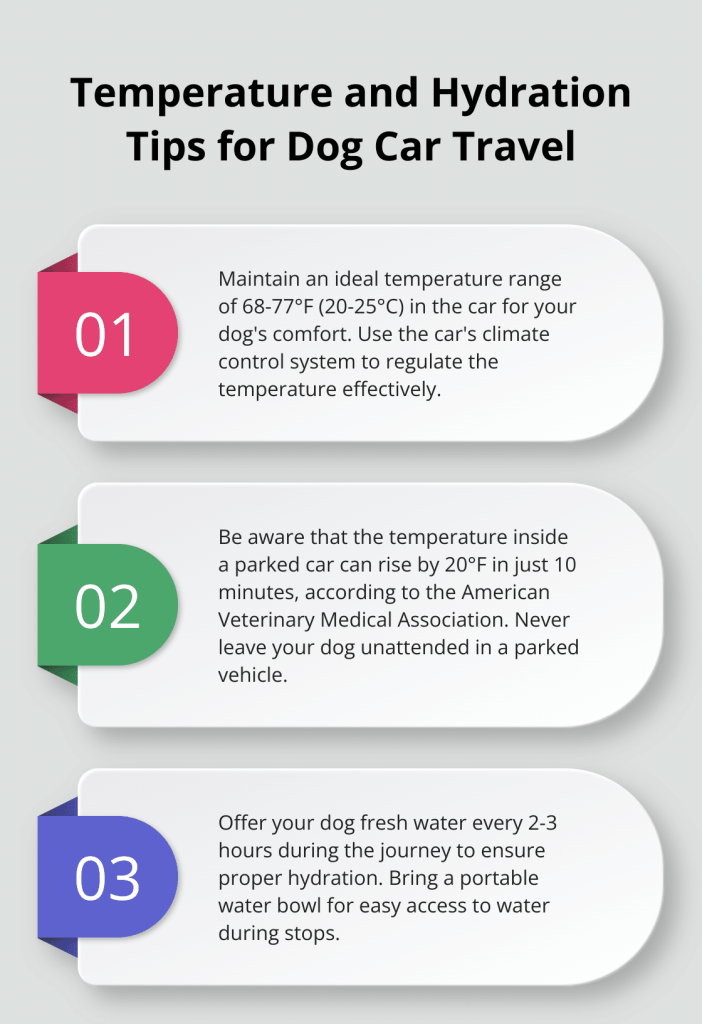
Open windows can be tempting for dogs, but they pose risks like falling out or inhaling debris. Keep windows only partially open or use pet window guards. Also, never leave your dog alone in a parked car, especially in warm weather—temperatures can rise quickly and become deadly.
Watch out for loose items in the car that could hit your dog if you brake suddenly. Even a water bottle can turn into a flying object. Have you scanned your car before driving to make sure it’s clear and safe?
Managing Comfort During Travel
Keeping dogs calm during car rides helps make travel pleasant for everyone. Offering water, frequent stops, and a cozy space can reduce stress. Familiar toys and gentle talking also keep pets relaxed on the road.
Traveling with your furry friend can be a joyful experience if you manage their comfort effectively. Dogs, much like humans, need specific conditions to feel relaxed during a long drive. Paying attention to their comfort can make the journey more enjoyable for both you and your pet. Here, we explore crucial tips to ensure your dog stays comfortable throughout the trip.Temperature Control
Keeping your car at a comfortable temperature is crucial. Dogs are sensitive to heat and cold, so ensure your vehicle’s climate control is set to a pleasant level. Consider using sunshades on windows to block excessive sunlight, and never leave your dog in a parked car, even for a short time. If you’re unsure about the temperature, feel the air inside the car with the back of your hand.Comfortable Bedding
Providing your dog with a cozy space to rest can make a big difference. Use a soft dog bed or blanket that they are familiar with to create a sense of home. This familiar smell and texture can help soothe them, especially if they’re anxious travelers. Ensure that the bedding is securely placed so it doesn’t slide around during the drive.Regular Breaks For Exercise
Just like humans, dogs need regular breaks to stretch and relieve themselves. Plan stops every couple of hours to let your dog walk and sniff around. This not only helps them expend energy but also reduces stress and anxiety. Have you ever noticed how much more relaxed your dog is after a good walk? This simple act can make the rest of the journey smoother for both of you. By paying attention to these aspects, you ensure that your car journey with your dog is both comfortable and enjoyable. Adjusting the environment to meet their needs can transform a potentially stressful trip into a pleasant adventure. What steps will you take to enhance your dog’s travel experience?
Credit: www.pethonesty.com
Handling Anxiety And Stress
Traveling with dogs can sometimes cause anxiety and stress for your pet. New sights, sounds, and motion may make them nervous. Handling this stress helps make the journey smoother and more enjoyable for both of you. Understanding how to calm your dog and reduce their fear is key to a happy trip.
Calming Techniques
Gentle petting and soft talking can soothe a nervous dog. Keep your voice calm and steady. Short breaks allow your dog to stretch and relax. Playing familiar music or white noise helps mask loud road sounds. Bring favorite toys or blankets to create a sense of comfort. Consistency in routine reduces stress during travel.
Use Of Natural Aids
Natural remedies can ease anxiety without side effects. Lavender or chamomile scents often have calming effects. Certain treats contain calming ingredients like CBD or valerian root. Always check product safety and dosages for dogs. A pheromone spray or collar mimics comforting scents dogs know. These aids support relaxation during long car rides.
Professional Advice
Veterinarians can offer tailored advice for anxious dogs. They might suggest behavior training or prescribe mild sedatives. Trainers help teach dogs to cope with travel stress. Consult a professional before starting any new treatment. Early intervention prevents anxiety from worsening. Expert guidance ensures safe and effective stress management.
Feeding And Hydration Tips
Keeping your dog well-fed and hydrated during car trips is key to a smooth and happy journey. Proper meal timing and smart hydration strategies can help avoid discomfort and keep your furry friend energetic. Paying attention to how and when you feed your dog can also reduce the chance of motion sickness and other travel-related issues.
Meal Timing
Avoid feeding your dog a large meal right before hitting the road. Aim to feed your dog at least 2-3 hours before the trip starts to give their stomach time to settle.
If your trip is long, plan small, light snacks instead of heavy meals during stops. This helps prevent nausea and keeps your dog comfortable without feeling too full or hungry.
Hydration Strategies
Always bring fresh water for your dog and offer small amounts regularly during breaks. Dogs can get dehydrated quickly, especially in warm weather or a moving car.
Using a spill-proof travel bowl can make water breaks less messy and more manageable. You might also want to try frozen treats like ice cubes or dog-safe popsicles to keep your dog cool and hydrated.
Avoiding Motion Sickness
Motion sickness can make your dog anxious and uncomfortable. Try to keep your car cool and well-ventilated to help ease nausea.
Limiting food and water intake shortly before and during the trip can reduce the chance of vomiting. If your dog is prone to motion sickness, ask your vet about safe remedies or medications to help.
Planning The Route And Stops
Planning the route and stops is key for a smooth trip with your dog. Thoughtful planning keeps your pet comfortable and safe. It helps avoid stress during long drives. Breaking the journey into smaller parts works best for dogs.
Dog-friendly Locations
Choose stops where dogs are welcome. Parks, rest areas, and pet-friendly cafes make good breaks. Let your dog stretch and relieve itself regularly. Research places offering water and shade for your pet. This keeps your dog happy and refreshed on the road.
Emergency Vet Contacts
Gather contact details of vets along your route. Emergencies can happen anytime, so be prepared. Save phone numbers and addresses on your phone and written down. Knowing where to go can save crucial time. It gives peace of mind during the trip.
Flexible Scheduling
Plan your schedule but stay flexible. Dogs need breaks based on their mood and health. Avoid rushing or long hours without rest. Watch for signs of tiredness or discomfort in your dog. Adjust stops and travel times to suit your pet’s needs.

Credit: pupford.com
Frequently Asked Questions
How Can I Keep My Dog Safe During Car Travel?
Use a secure harness or a pet carrier to restrain your dog. Avoid letting them roam freely. Ensure windows are partially open for ventilation but not enough to let the dog escape or get hurt.
What Are The Best Tips For Feeding Dogs On Road Trips?
Feed your dog light meals two to three hours before travel. Avoid heavy or rich food to prevent motion sickness. Carry fresh water and offer small amounts regularly during breaks.
How Often Should I Stop For Dog Breaks On Road Trips?
Stop every two to three hours for potty breaks and exercise. This helps reduce stress, prevents accidents, and keeps your dog comfortable and healthy throughout the journey.
What Essentials Should I Pack For Dog Car Travel?
Bring water, food, leash, waste bags, and a first aid kit. Include familiar toys and a blanket to comfort your dog. Prepare for emergencies with your vet’s contact details.
Conclusion
Traveling with dogs can be easy and fun. Plan ahead and pack all essentials for comfort. Keep your dog safe with proper restraints and breaks. Watch your pet’s behavior and adjust as needed. Enjoy the journey and create happy memories together.
Safe trips make your dog feel calm and loved. Simple steps help avoid stress on the road. Every trip can strengthen your bond with your dog.