Traveling by car with dogs can be a lot of fun, but it also comes with its own set of challenges. If you want to keep your furry friend happy and safe while on the road, there are some important things you need to know.
Imagine a smooth trip where your dog stays calm, comfortable, and excited to explore new places with you. This guide will show you how to make that happen. Keep reading, and discover simple tips that will turn your next car ride with your dog into a great adventure for both of you.

Credit: petfriendlybox.com
Preparing Your Dog For The Trip
Getting your dog ready for a car trip means more than just buckling them in. It’s about making sure they feel safe, comfortable, and ready for the adventure ahead. Proper preparation helps reduce stress for both you and your furry friend, turning travel time into quality time.
Health Check And Vaccinations
Before hitting the road, take your dog to the vet for a full health check. Ask if their vaccinations are up to date, especially if you’ll be crossing state lines or visiting areas with different health risks.
Discuss any motion sickness remedies or anxiety medications your vet might recommend. A healthy dog is a happy traveler, so don’t skip this crucial step.
Familiarizing With The Car
Start by letting your dog explore the car while it’s parked. Open doors, let them sniff around, and reward calm behavior with treats. This helps your dog associate the car with positive experiences.
Try short drives to nearby spots your dog enjoys. This builds comfort with the motion and sounds of the vehicle, reducing anxiety during longer trips.
Packing Dog Essentials
Think beyond just food and water. Include a sturdy leash, waste bags, your dog’s favorite toys, and a familiar blanket or bed to create a cozy space.
Don’t forget any medications, a first aid kit, and copies of vaccination records. These items can save you from stressful situations on the road.
Safety Measures During The Ride
Keeping dogs safe during car trips is very important. The right safety measures protect pets and drivers. Safety helps prevent accidents and stress for your dog. Simple steps ensure a calm and secure ride.
Using Proper Restraints
Proper restraints keep dogs from moving around the car. Use harnesses made for car travel or secured crates. Seatbelt harnesses reduce injury risks in sudden stops. Crates should be well-ventilated and large enough for comfort. Avoid letting dogs sit on laps or unrestrained seats.
Securing The Car Interior
Remove loose items that could harm your dog in a crash. Keep windows partially open for fresh air, but not wide enough for escape. Use barriers or pet gates to limit dog access to the front seats. Secure food, toys, and gear to avoid distractions. A clean, safe space helps dogs stay calm.
Managing Temperature And Ventilation
Maintain a comfortable temperature inside the car. Never leave dogs alone in a parked car during warm weather. Use air conditioning or open windows slightly to improve airflow. Check on your dog often for signs of overheating or cold. Proper ventilation keeps dogs healthy and happy on the road.
Planning The Route And Breaks
Planning the route and breaks carefully can make a huge difference when traveling by car with your dog. It’s not just about reaching the destination but ensuring your furry friend stays comfortable and happy along the way. Thoughtful stops and timing will help keep stress low and energy high for both of you.
Choosing Dog-friendly Stops
Pick places that welcome dogs, such as parks, pet-friendly cafes, or rest areas with open spaces. These stops allow your dog to stretch and explore safely. Check online reviews or apps designed for pet travelers to find spots with water bowls, shaded areas, and waste bags.
Have you ever arrived at a rest stop only to find it too noisy or crowded for your dog? That can turn a quick break into a stressful experience. Avoid those by planning ahead and scouting locations that suit your dog’s personality and needs.
Scheduling Regular Exercise
Plan breaks every two to three hours for exercise to prevent restlessness and stiffness. Even a short 10-15 minute walk can improve your dog’s mood and health during long drives. Use these moments to play fetch or practice simple commands, turning exercise into bonding time.
Remember, a tired dog is a calm dog inside the car. If your dog gets anxious during travel, regular exercise breaks can help reduce this behavior noticeably. How often does your dog need to move to stay relaxed?
Hydration And Feeding Times
Keep water accessible and offer it frequently, especially during hot weather or long trips. Dehydration can sneak up quickly when your dog is confined in a vehicle. Use spill-proof bowls or bottles designed for pets to make hydration easy on the road.
Avoid feeding your dog right before driving to prevent car sickness. Instead, schedule meals about an hour or two before departure and plan smaller snacks during stops. This routine keeps your dog comfortable and prevents digestive issues while traveling.
Handling Motion Sickness
Car rides can cause motion sickness in dogs, leading to drooling and nausea. Offering fresh air and regular breaks helps keep them comfortable. Using a secure harness or crate can also reduce anxiety during travel.
Traveling by car with your furry companion can be an exciting adventure, but motion sickness can put a damper on the journey. Dogs, like humans, can suffer from motion sickness, which can be distressing for both the pet and the owner. Understanding how to handle this issue can make car trips more enjoyable and less stressful for everyone involved. Let’s explore how to recognize the symptoms of motion sickness in dogs, discover preventive remedies, and understand when it’s time to consult a vet.Recognizing Symptoms
Dogs can’t verbally tell you they’re feeling queasy, but their behavior can speak volumes. Look out for signs like excessive drooling, whining, or licking their lips frequently. You might also notice them becoming lethargic or unusually anxious during the ride. Vomiting is a clear indicator, but by then, your dog may already be quite uncomfortable. Keeping a close eye on these symptoms can help you address the issue early. Have you ever noticed your dog pacing restlessly or yawning excessively in the car? These could be subtle hints of motion sickness.Preventive Remedies
Before hitting the road, try a few strategies to help your dog feel more comfortable. Feed them a light meal a few hours before travel to avoid an upset stomach. Fresh air can work wonders, so consider cracking the window open slightly to equalize the pressure and provide a calming breeze. Using a dog seat belt or carrier can offer a sense of stability, reducing the feeling of motion. Ginger, known for its anti-nausea properties, can be given in small, dog-friendly doses. However, always check with your vet before introducing new remedies.When To Consult A Vet
If your dog’s motion sickness is severe or persistent, it’s time to seek professional advice. A vet can rule out other potential health issues and might prescribe medication to ease the symptoms. They can also offer guidance tailored to your dog’s specific needs. Ignoring chronic motion sickness can lead to anxiety and reluctance to travel, impacting your adventures together. Remember, your vet is a valuable ally in ensuring your dog’s comfort and well-being during travel.Keeping Your Dog Comfortable
Keeping your dog comfortable during a car trip is key to a stress-free journey for both of you. Dogs can get anxious or restless in unfamiliar settings, so making the ride cozy and calm helps them relax. Think about what makes your dog feel safe and try to recreate that environment on the road.
Providing Comfortable Bedding
Soft, familiar bedding makes a huge difference for your dog’s comfort. Bring along their favorite blanket or bed to give them a sense of home. A cushioned surface helps prevent soreness during long trips, especially if your dog likes to lie down.
Place the bedding in a secure spot where your dog can settle without sliding around. You might want to try a crate with padding or a car hammock designed for pets. Have you noticed your dog prefers to curl up or stretch out? Choose bedding that supports their usual resting position.
Using Calming Techniques
Calming your dog doesn’t mean just keeping them quiet. Gentle petting or speaking softly can reassure anxious pups. Some dogs respond well to calming sprays or pheromone diffusers that mimic natural relaxing scents.
Try playing soft music or nature sounds that your dog enjoys. You could also bring along a chew toy or treat-dispensing toy to keep their mind occupied. Have you ever tested how your dog reacts to different calming aids? This can guide you in picking what works best for your furry friend.
Minimizing Loud Noises
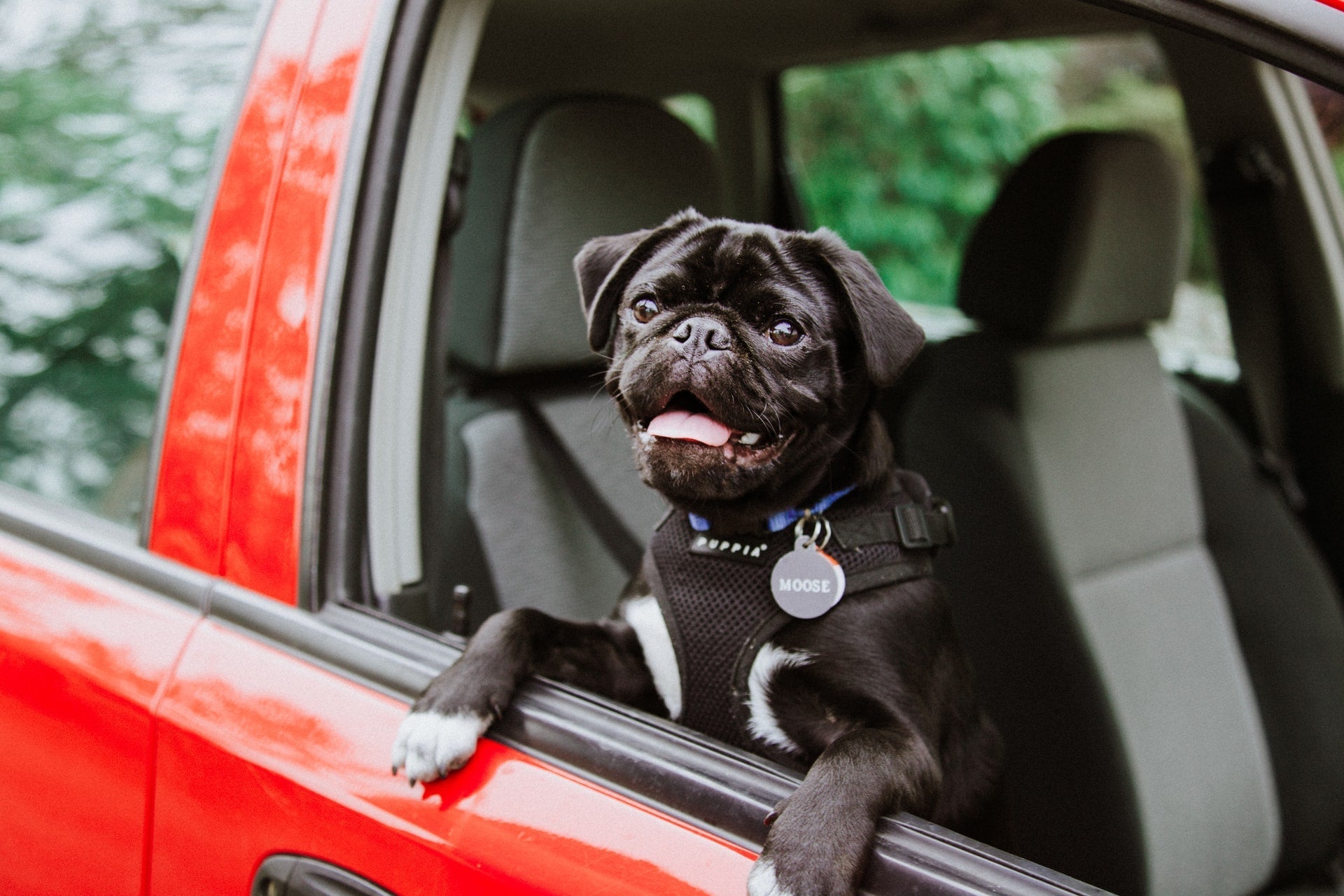
Loud noises can startle and stress your dog during car rides. Keep windows partially closed to reduce external sounds like traffic or honking. Turning down the volume on your radio or avoiding sudden loud noises inside the car helps maintain a peaceful atmosphere.
Consider using noise-canceling headphones designed for pets or placing a blanket over the crate to muffle sounds. Have you noticed if your dog reacts more to visual or auditory distractions? Adjust your environment based on those triggers to keep your dog calm.
Credit: www.pethonesty.com
Legal And Etiquette Considerations
Traveling by car with dogs requires attention to legal rules and good manners. Understanding laws and etiquette helps keep your trip smooth. It ensures safety and respect for everyone on the road.
Local Laws On Traveling With Pets
Each place has rules about pets in vehicles. Some states require pets to be secured with a harness or crate. Others ban pets in the front seat. Check laws before you travel to avoid fines.
Rules may include:
- Mandatory pet restraints during travel
- Restrictions on pet travel in certain areas
- Leash laws when outside the car
Following these laws protects your dog and other drivers.
Respecting Other Passengers
Your dog should not disturb others in the car. Keep your dog calm and quiet. Use a pet barrier or crate for safety.
Ask permission before letting your dog interact with other passengers. Some people may fear or dislike dogs. Respect their space and feelings.
Cleaning Up After Your Dog
Always carry waste bags and cleaning supplies. Pick up any mess your dog makes inside or outside the car. Dispose of waste properly.
Keep your car clean to avoid odors and stains. It shows respect for your vehicle and fellow travelers.
&qlt=85&resMode=sharp2&op_usm=1.75,0.3,2,0)
Credit: www.orvis.com
Frequently Asked Questions
How To Keep Dogs Safe During Car Travel?
Use a well-fitted harness or secured crate for your dog. Avoid loose roaming inside the car. Always keep windows partially open for ventilation. Never leave your dog unattended in a parked car, especially in hot weather. These steps ensure safety and comfort throughout the journey.
What Are The Best Car Accessories For Dogs?
Essential accessories include a non-slip seat cover, travel water bowl, and portable fan. A seatbelt harness or crate enhances safety. Dog seat covers protect your car’s interior. These items make travel comfortable, clean, and secure for both you and your dog.
How Often Should I Stop For Dog Breaks?
Plan to stop every 2 to 3 hours during long trips. Let your dog stretch, relieve itself, and drink water. Frequent breaks reduce anxiety and prevent restlessness. Always keep your dog on a leash during breaks for safety.
Can Dogs Get Motion Sickness In Cars?
Yes, dogs can experience motion sickness. Symptoms include drooling, whining, and vomiting. To reduce sickness, feed lightly before travel and keep the car cool. Consult a vet for medication if your dog frequently suffers from car sickness.
Conclusion
Traveling by car with dogs can be fun and safe. Plan breaks for your pet to stretch and rest. Bring water, food, and favorite toys for comfort. Secure your dog properly to avoid distractions. Watch for signs of stress or discomfort during the trip.
Enjoy the journey together and create happy memories. With simple steps, car travel becomes easy for both you and your dog. Safe travels and happy tails!