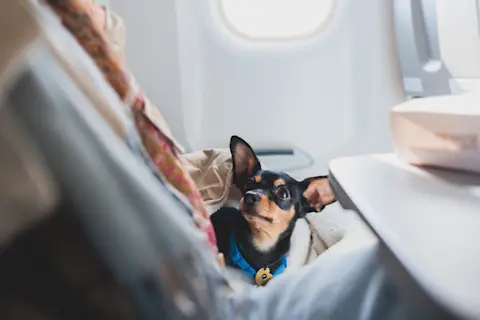

Traveling on a plane with your dog can feel overwhelming. You want to make sure your furry friend is safe, comfortable, and happy throughout the trip.
But where do you start? What rules should you know? How can you prepare so everything goes smoothly? This guide will walk you through everything you need to know to make flying with your dog a stress-free experience—for both of you.
Keep reading to discover simple tips that will turn your next flight into a worry-free adventure.

Credit: www.aol.com
Preparing Your Dog For The Flight
Getting your dog ready for a plane trip takes more than just packing their favorite toy. It’s about creating a calm, safe experience that helps your furry friend handle the unfamiliar environment. The better prepared your dog is, the smoother the journey will be for both of you.
Choosing The Right Carrier
Pick a carrier that fits your dog comfortably but isn’t too big to fit under the airplane seat. Measure your dog while they’re sitting and lying down to find the perfect size. Airlines have specific rules about dimensions, so check those before buying.
Look for carriers with good ventilation and sturdy locks to keep your dog safe. Soft-sided carriers are usually more flexible for fitting under seats, but hard-sided ones offer extra protection. Think about your dog’s personality—do they like to peek out or prefer being enclosed?
Familiarizing Your Dog With The Carrier
Introduce the carrier well before your flight day. Place it in a spot where your dog hangs out and toss treats inside to encourage exploration. Let your dog nap or eat meals in the carrier so it becomes a positive space.
Try short practice runs by having your dog stay inside the carrier for a few minutes at a time. Gradually increase the duration to build comfort. Have you noticed how your dog reacts to new spaces? Use that insight to adjust your approach.
Health Check And Vaccinations
Schedule a vet visit about a month before flying to ensure your dog is fit for travel. Some airlines require proof of vaccinations or health certificates, so get those done early. Discuss any anxiety or motion sickness concerns with your vet—they might suggest calming aids.
Keep a copy of your dog’s medical records and vaccination history handy during travel. It’s also a good idea to ask your vet about any travel-specific health tips. How does your dog usually handle stress? Preparing for that can make all the difference.

Credit: www.reddit.com
Booking Your Flight
Booking a flight with your dog requires careful planning. Airlines have different rules and fees. Choosing the right airline and flight time can make the journey smoother for both you and your pet. Start early to ensure all requirements are met and your dog travels comfortably.
Selecting Pet-friendly Airlines
Not all airlines accept pets onboard. Some allow small dogs in the cabin, others only in cargo. Research airlines that welcome pets and offer good care during the flight. Check reviews from other pet owners for real experiences. Airlines with pet programs often provide extra support and comfort.
Understanding Airline Pet Policies
Each airline has specific pet rules. These rules cover carrier size, fees, and health certificates. Some airlines limit the number of pets per flight. Confirm if your dog needs a health check or vaccinations before travel. Prepare all documents in advance to avoid last-minute issues.
Choosing The Best Flight Time
Pick a flight time that suits your dog’s routine. Avoid very early or late flights that may stress your dog. Shorter flights reduce travel stress and risk. Nonstop flights are better to prevent handling delays. Consider weather conditions; avoid extreme heat or cold.
Packing Essentials For Your Dog
Packing your dog’s favorite blanket and some treats helps keep them calm on the plane. Don’t forget a sturdy carrier and a leash for safety and comfort. Bringing water and a small bowl ensures your pet stays hydrated during the trip.
Packing for a flight with your furry friend can be an exciting yet challenging task. Ensuring your dog has everything they need not only keeps them comfortable but also makes the journey more enjoyable for you both. Let’s explore the essential items to include in your dog’s travel kit.Food And Water Supplies
Packing enough food and water is crucial. Consider using a collapsible bowl; it’s convenient and saves space. Bring along their regular dog food to avoid any dietary disruptions that could lead to an upset stomach. Remember to pack more than what you think is necessary, in case of travel delays. A small bottle of water from home can also help them stay hydrated without a sudden change in water source, which might upset their tummy.Comfort Items And Toys
Flying can be stressful for dogs, so familiar items can offer comfort. A favorite blanket or cushion provides a sense of security. Toys are not just for play; they help distract your dog from the unfamiliar noises of the plane. Before our last trip, I included my dog’s beloved squeaky toy, and it made a noticeable difference in her anxiety levels. What item does your dog never leave behind?Important Documents
Traveling with your dog requires some paperwork. Pack a copy of their vaccination records and any health certificates required by your destination. Having these documents readily accessible can save you from potential headaches during check-in or upon arrival. Are you prepared with all the necessary paperwork for your dog’s smooth travel experience?Day Of The Flight Tips
Travel day can be stressful for both you and your dog, but some smart moves can make the experience smoother. Managing your dog’s energy, feeding, and security checks thoughtfully helps keep your pet calm and comfortable. Here are practical tips to help you handle the day of the flight with confidence.
Pre-flight Exercise
Give your dog a good walk or play session before you leave for the airport. This helps burn off excess energy and reduces anxiety during the flight. Even a quick game of fetch or a short jog can make a big difference in how relaxed your dog feels.
Think about your dog’s usual energy level—does a brisk walk calm them down, or do they need more active play? Tailoring exercise to your dog’s needs can prevent restlessness in the carrier.
Feeding Schedule
Avoid feeding your dog right before the flight to prevent nausea. Aim to feed them at least 3-4 hours before departure. This timing helps reduce the risk of accidents and discomfort while traveling.
Offer water up until the flight but limit large amounts to avoid frequent bathroom needs. How you manage feeding can directly impact your dog’s comfort, so watch their reactions and adjust as needed.
Security Check Procedures
Prepare for airport security by knowing the rules about pet carriers and identification. You will usually need to take your dog out of the carrier and carry them through the metal detector while the carrier is screened separately.
Practice this at home to ease your dog’s stress during the process. Having your pet calm and familiar with the routine will save you time and help keep your dog feeling safe.
Managing Your Dog During The Flight
Managing your dog during a flight takes careful planning and calm execution. Your dog’s comfort and behavior can shape the whole travel experience. By focusing on keeping your dog calm, handling bathroom needs, and working smoothly with the cabin crew, you set the stage for a less stressful journey.
Keeping Your Dog Calm
Stress can make flying tough for dogs. Bring your dog’s favorite blanket or toy to offer a sense of security. Use a comfortable harness or carrier that allows your dog to relax without feeling trapped.
Try calming techniques like gentle petting or soft talking during the flight. Avoid feeding your dog right before the trip to prevent nausea. If your dog is prone to anxiety, consult your vet about natural calming aids or mild sedatives.
Handling Bathroom Breaks
Bathroom breaks can be tricky in the air. Before boarding, take your dog out for a long walk to empty their bladder. On longer flights, consider airlines that allow pet relief areas during layovers.
Carry absorbent pads inside your dog’s carrier as a backup. You can also bring a small plastic bag with a scoop to clean up any accidents discreetly. Planning bathroom needs ahead reduces stress for both you and your dog.
Interacting With Cabin Crew
Cabin crew members can be great allies when traveling with your dog. Politely inform them about your dog’s presence and any special needs. This helps them assist you better during the flight.
If your dog reacts nervously to strangers, ask the crew to give you space and avoid sudden movements near your pet. Remember, crew members are trained to handle various situations, so don’t hesitate to ask for help if needed.

Credit: www.aol.com
After The Flight Care
After your flight, your dog needs special care to help them recover from the stress of travel. The journey can be overwhelming, and your attention at this stage can make all the difference in how quickly your pet bounces back. Let’s look at how you can support your dog once you’ve landed.
Helping Your Dog Adjust
Once you’re off the plane, give your dog a calm and quiet space to relax. The new environment might feel strange, so keeping things familiar helps. Bring out their favorite blanket or toy to comfort them.
Offer water right away to keep your dog hydrated. Avoid feeding immediately; wait until they seem settled. Watch their behavior closely—are they pacing, panting, or hiding? These signs can tell you how they’re coping.
Post-flight Health Check
Check your dog’s physical condition as soon as possible. Look for signs of dehydration, such as dry gums or sunken eyes, and check their breathing for any irregularities. If your dog traveled in a carrier, inspect their paws and skin for any injuries or irritation.
Keep an eye out for unusual lethargy or vomiting, which could indicate stress or motion sickness. If you notice anything worrying, call your vet immediately. It’s better to be cautious than to wait and risk your dog’s health.
Planning For Future Trips
Think about what worked well and what didn’t on this trip. Did your dog handle the flight calmly or were they anxious? Use that knowledge to improve future travel plans.
Consider practicing short car rides or visits to airports to get your dog used to travel environments. Could training or calming aids help? Planning ahead reduces stress for both you and your dog on your next journey.
Frequently Asked Questions
What Are The Airline Rules For Flying With A Dog?
Airlines require a health certificate and advance reservation for pets. Dogs may travel in-cabin or as cargo, depending on size. Check each airline’s pet policy before booking. Crates must meet size and safety standards. Fees often apply for pet travel.
How To Prepare A Dog For Plane Travel?
Get your dog used to the travel crate weeks before flying. Exercise your dog well before the trip. Avoid feeding right before flying to prevent nausea. Bring familiar toys and a blanket for comfort. Stay calm to help your dog feel secure.
Can Small Dogs Travel In The Airplane Cabin?
Yes, most airlines allow small dogs to travel in-cabin if the carrier fits under the seat. Weight and size limits vary by airline. Book in advance as cabin spots are limited. Follow all airline guidelines for in-cabin pet travel.
What Health Documents Are Needed For Flying With A Dog?
A recent health certificate from a vet is required, usually within 10 days of travel. Vaccination records, especially rabies, must be up to date. Some destinations require additional health clearances or quarantine. Always check destination and airline requirements before flying.
Conclusion
Traveling with your dog on a plane takes good planning. Keep your dog calm and comfortable during the trip. Bring all needed documents and follow airline rules carefully. Choose the right carrier to keep your pet safe. Remember to give your dog breaks before and after flying.
A smooth flight helps your dog feel less stressed. Enjoy your journey together and create happy memories. Safe travels!


