
Traveling on an airplane with your dog can feel overwhelming, but it doesn’t have to be. You want your furry friend to be safe, comfortable, and happy throughout the trip.
Imagine avoiding last-minute stress, knowing exactly what to pack, and understanding the rules before you even arrive at the airport. This guide will help you make your dog’s air travel smooth and worry-free. Ready to discover how to make flying with your dog easier than you ever thought?
Keep reading!
Preparing Your Dog For The Flight
Preparing your dog for a flight helps reduce stress for both of you. Dogs can feel nervous in new places and loud noises. Getting your dog ready early makes travel safer and calmer. Small steps can make a big difference in comfort and safety.
Choosing The Right Carrier
Select a carrier that fits your dog’s size. It should be big enough for your dog to stand, turn, and lie down. Look for carriers with good ventilation and secure latches. Soft-sided carriers work well for cabin travel. Hard-sided carriers offer more protection for cargo flights.
Check airline rules for carrier size and type. The carrier must fit under the seat if your dog travels in the cabin. Make sure it is easy to carry and clean.
Acclimating Your Dog To The Carrier
Practice short trips in the carrier. This helps your dog get used to being inside and moving. Increase the time gradually to reduce anxiety during the actual flight.
Health Checks And Vaccinations
Visit your vet before traveling. Make sure your dog is healthy and fit to fly. Update all required vaccinations and keep records handy. Some airlines require a health certificate issued within ten days of travel.
Ask the vet about calming methods if your dog is nervous. Avoid sedatives unless the vet approves. Sedation can cause breathing problems at high altitudes.
Packing Essentials For Your Dog
Bring food and water for the journey. Use spill-proof containers to avoid messes. Pack familiar toys and a favorite blanket for comfort.
Include waste bags, grooming wipes, and any medication your dog needs. Keep a leash and collar with ID tags ready for quick access. Having these items organized makes travel easier and safer.

Credit: www.aol.com
Booking Your Flight
Booking a flight with your dog needs careful planning. The right choices make the trip smooth and stress-free. Consider airline rules and your dog’s comfort early. This helps avoid last-minute problems and ensures a happy journey for both of you.
Selecting Pet-friendly Airlines
Not all airlines treat pets the same. Some allow small dogs in the cabin. Others require pets to travel in the cargo hold. Choose airlines known for good pet care. Check reviews and pet travel services offered. This keeps your dog safe and comfortable throughout the flight.
Understanding Airline Pet Policies
Every airline has specific pet rules. These include carrier size, health certificates, and fees. Read these policies carefully before booking. Some airlines limit the number of pets per flight. Know the requirements for vaccinations and paperwork. Proper preparation avoids surprises at the airport.
Choosing The Best Flight Times
Pick flight times with less crowd and noise. Early morning or late evening flights are often quieter. Shorter flights reduce stress on your dog. Avoid long layovers or busy travel days. A calm flight time helps your dog stay relaxed and safe.
At The Airport
Traveling with a dog at the airport requires planning for comfort and safety. Prepare a pet carrier and check airline rules before arriving. Keep your dog calm during security checks and boarding for a smooth journey.
At the Airport, ensuring a smooth journey with your dog requires careful planning. This environment can be overwhelming for pets. Following the right steps helps make the experience positive for both of you.Arriving Early For Check-in
Arrive at the airport early. This gives you ample time for check-in. Long lines are common, and delays might occur. Early arrival reduces stress for you and your dog. You can handle any unexpected issues calmly. Check-in procedures for dogs might need extra time. Being early helps manage this without rush.Navigating Security With Your Dog
Security can be tricky. Keep your dog on a leash. Hold them close while going through security. Remove collars or leashes with metal parts. These items may set off alarms. The security staff might inspect your dog. Stay calm and reassure your pet during this process. Having treats handy can help ease their anxiety.Keeping Your Dog Calm In Busy Areas
Busy areas can be stressful for dogs. Find a quiet spot away from crowds. Use this time to relax your dog. Bring a favorite toy or blanket for comfort. Speak in a soothing voice to calm them. Offer treats to keep their focus on you. Stay attentive to your dog’s needs and behaviors.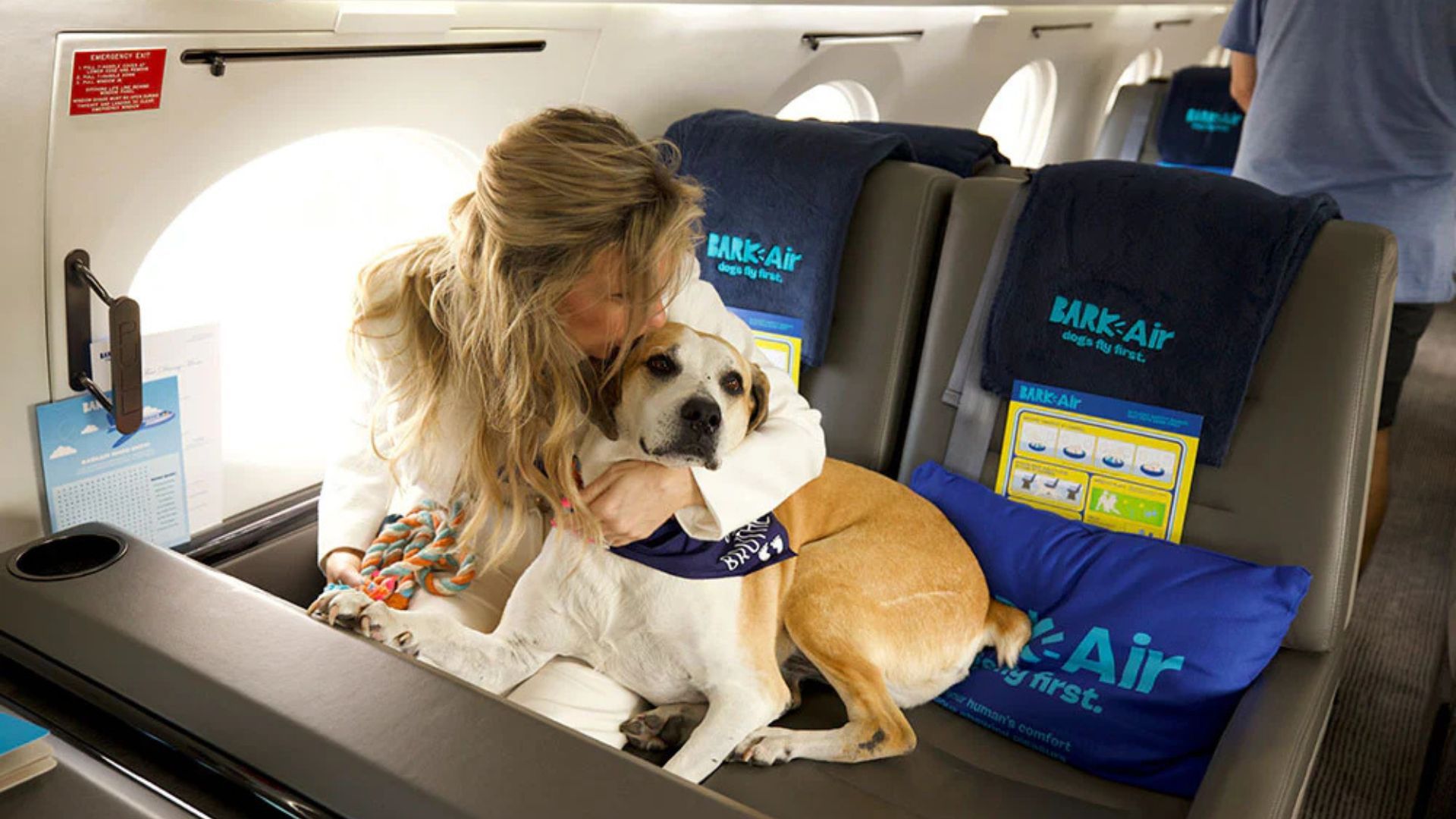
Credit: www.travelandleisureasia.com
During The Flight
Flying with your dog can be a smooth experience if you know how to care for them during the flight. The time in the air can be stressful for both you and your pet, so it’s important to focus on their comfort, anxiety levels, and basic needs like food and water. Let’s look at what you can do to make this part of your journey easier for your furry friend.
Keeping Your Dog Comfortable
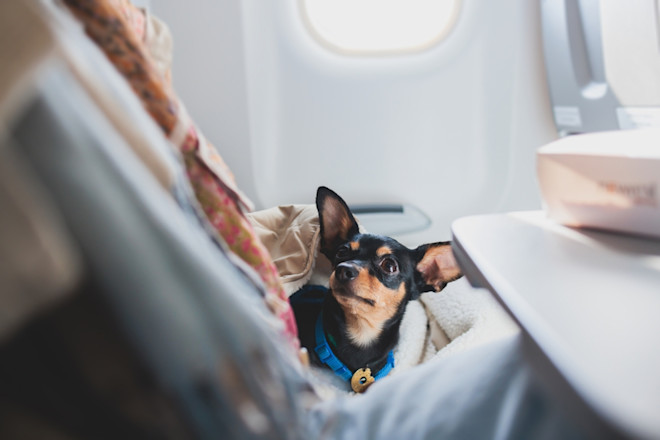
Comfort is key during the flight. Make sure your dog’s carrier is cozy with a soft blanket or familiar item that smells like home. This helps them feel safe and secure in an unfamiliar environment.
Adjust the carrier’s position so your dog can lie down comfortably. If allowed, take short breaks to gently pet or talk to your dog—it reassures them and keeps them calm. Think about the temperature too; avoid placing the carrier in direct sunlight or near air vents.
Managing Anxiety And Stress
Flying can trigger anxiety in dogs. Watch for signs like excessive panting, whining, or restlessness. If your dog shows these signs, try speaking in a calm, soothing voice and use gentle touch to ease their nerves.
Consider calming aids such as pheromone sprays or anxiety wraps, but always test them before the trip. Have you ever noticed how a simple hand on your dog’s chest can slow their breathing? Small gestures can make a big difference in managing stress.
Feeding And Hydration Tips
Keep your dog hydrated, but avoid giving too much water right before the flight to prevent discomfort. Offer small sips during longer flights if possible. A collapsible water bowl is handy and space-saving.
Feed your dog a light meal a few hours before boarding to avoid nausea. Avoid feeding during the flight unless recommended by your vet. Have you prepared easy-to-digest snacks for after landing? This keeps your dog’s energy up and helps them settle quickly.
After Landing
After your plane touches down, your journey with your dog isn’t over yet. How you handle these first moments can set the tone for the entire trip. Your dog will need some care and attention to settle comfortably into the new environment.
Quick Health Check
Right after landing, take a moment to check your dog’s health. Look for signs of stress like heavy panting, drooling, or unusual lethargy. If your dog seems off, a quick vet visit might be necessary before moving on.
Remember, your dog can’t tell you exactly how they feel, so observe their behavior closely. Even minor symptoms can escalate if ignored. Carry a basic pet first aid kit to handle any minor issues on the spot.
Finding Pet Relief Areas
Most airports now have designated pet relief areas. These spots are essential for your dog to stretch, pee, or poop after hours in the cabin. Ask airport staff or check the airport map on your phone to locate the nearest pet relief zone.
Don’t rush this step. Giving your dog time outside the crate helps reduce anxiety and discomfort. If the airport lacks a relief area, look for a quiet, grassy spot outside where your dog can relax.
Adjusting To New Time Zones
Traveling across time zones can confuse your dog’s internal clock. Try to gradually adjust feeding and walking times to the new schedule as soon as possible. This helps your dog adapt faster and avoid jet lag symptoms.
Keep your dog’s routine consistent in other ways—same amount of play, rest, and affection. Ask yourself: How can I make this transition smooth for my furry friend? Your calm approach will reassure your dog during this adjustment period.

Credit: www.aol.com
Frequently Asked Questions
Can I Bring My Dog In The Airplane Cabin?
Yes, many airlines allow small dogs in the cabin. Your dog must fit in a carrier under the seat. Always check your airline’s pet policy before booking.
What Are The Health Requirements For Flying With Dogs?
Dogs usually need a health certificate from a vet within 10 days of travel. Vaccinations and parasite treatments may be required. Confirm specific rules with your airline and destination.
How To Prepare My Dog For Airplane Travel?
Get your dog used to the carrier weeks before flying. Exercise your dog before the flight to reduce anxiety. Bring familiar toys and blankets for comfort.
Are There Size Or Breed Restrictions For Dogs On Planes?
Yes, airlines often restrict large dogs or certain breeds from cabin travel. Larger dogs may need to fly in cargo. Check airline policies for size and breed limits.
Conclusion
Traveling by plane with your dog takes careful planning. Know the airline rules before booking your flight. Pack your dog’s favorite toys and treats to keep them calm. Make sure your pet is comfortable and safe during the journey. Prepare for security checks and stay patient.
A smooth trip helps your dog feel less stressed. Enjoy the adventure and make great memories together. Safe travels!