
Traveling with your dog on a plane can feel overwhelming. You want to make sure your furry friend stays safe, comfortable, and calm throughout the trip.
But where do you start? What should you pack? How do you handle the rules and regulations? If you’ve ever wondered how to make flying with your dog easier, you’re in the right place. Keep reading, and you’ll discover practical tips that will turn your next flight into a smooth, stress-free adventure for both you and your dog.
Choosing The Right Airline
Choosing the right airline for traveling with your dog can make a huge difference in your journey’s comfort and safety. Each airline has its own rules, fees, and options for pet travel, so it’s important to find one that fits your dog’s needs and your budget. Have you ever thought about how your dog’s size or temperament might affect your airline choice?
Pet Policies Comparison
Not all airlines treat pets the same way. Some allow small dogs in the cabin, while others require pets to travel in cargo. Airlines also have different breed restrictions and health certificate requirements. Checking these details early can save you headaches and ensure your dog’s wellbeing.
For example, one airline might let your small dog sit under the seat with you, while another forces all pets into the cargo hold regardless of size. Asking the airline about their crate size limits and documentation needed can help you prepare better.
Fees And Charges
Pet travel fees vary widely and can add up quickly. Some airlines charge a flat rate for cabin pets, but cargo fees depend on your dog’s weight and crate size. Hidden charges like health certificate processing or pet handling fees might surprise you at check-in.
Consider how these costs fit into your travel budget. If you’re booking a last-minute flight, fees might be higher. Have you checked multiple airlines to compare their total pet travel costs before booking?
Cabin Vs Cargo Options
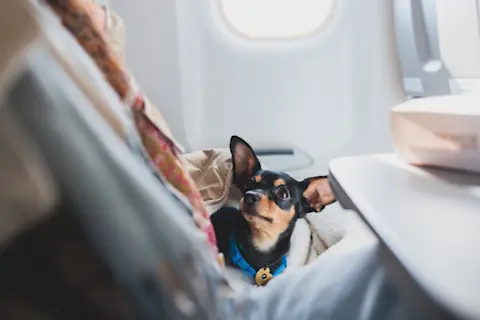
Deciding whether your dog flies in the cabin or cargo is crucial. Cabin travel lets you keep your dog close, reducing anxiety for both of you. However, cabin space for pets is limited and usually only allowed for small dogs.
Cargo travel is often the only option for larger dogs but involves more risk and requires sturdy crates and careful preparation. Think about your dog’s size, health, and stress levels when choosing. Would you feel comfortable not having your dog near you for hours?
Credit: www.discovermagazine.com
Preparing Your Dog For The Flight
Getting your dog ready for a plane trip takes more than just packing their favorite toy. Preparation helps reduce your pet’s stress and ensures a smoother experience for both of you. Let’s look at the key steps that will make your dog comfortable and safe during the flight.
Health Check And Vaccinations
Before booking your tickets, schedule a visit to the vet. Your dog needs a thorough health check to confirm they’re fit to fly. Some airlines require proof of vaccinations, so make sure all shots are up to date.
Ask your vet about any medications that might help with anxiety or motion sickness. Keep a copy of your dog’s health records handy—they can be required at the airport or destination.
Familiarizing With The Carrier
Your dog’s carrier will be their safe space during the flight. Introduce it early by leaving it open at home with a cozy blanket inside. Encourage your dog to explore it by placing treats or toys inside.
Try short practice sessions where your dog stays in the carrier for a few minutes, gradually increasing the time. This reduces fear and helps them associate the carrier with positive experiences.
Exercise And Feeding Tips
A tired dog is often a calm dog. Take your pet for a long walk or a play session before heading to the airport. This helps burn off excess energy and can prevent restlessness on the plane.
Feed your dog a light meal a few hours before the flight. Avoid heavy meals that might cause discomfort or nausea. Also, limit water intake right before boarding to reduce the need for bathroom breaks during the trip.
Packing Essentials For Your Dog
Packing your dog’s favorite blanket and some treats can keep them calm during the flight. Don’t forget a sturdy leash and a travel-sized water bowl for comfort and safety. A well-ventilated carrier ensures your dog travels happily and securely.
Packing for a trip with your dog involves more than just throwing items into a bag. Ensuring your furry friend has all the necessary supplies is crucial. This guarantees a stress-free journey for both you and your pet. Preparing a well-organized checklist of essentials helps in making the travel smooth.Comfort Items
Comfort is key for a calm flight. Bring your dog’s favorite blanket. It provides warmth and familiarity. A small toy can also keep them entertained. Choose chew toys for longer flights. These help with stress relief. Ensure the items are compact and lightweight.Food And Water Supplies
Pack enough food to last the journey. Use resealable bags for easy access. Portable water bowls are a must. Keep them foldable for space-saving. Hydration is vital during flights. Offer water regularly to prevent dehydration.Documentation And Medical Records
Carry your dog’s vaccination records. Airlines often require them. A health certificate from your vet is essential. It proves your dog is fit to travel. Keep copies of important documents. Store them in a waterproof folder for safety.
Credit: www.aol.com
Booking And Check-in Tips
Traveling with your dog on a plane requires thoughtful preparation, especially during booking and check-in. Ensuring your furry friend’s comfort and your peace of mind starts with smart planning. Let’s dive into key tips that can smooth this part of your journey.
Early Reservations
Reserve your dog’s spot as soon as you book your own ticket. Airlines often limit the number of pets allowed in the cabin, so waiting too long could mean no space for your dog. Some carriers even require a health certificate issued within a specific timeframe before travel—don’t miss that deadline.
I once waited until the last minute and found the flight fully booked for pets, which forced me to change plans. Don’t let that happen to you. Early booking also gives you time to clarify airline policies on pet carriers and fees.
Seat Selection Strategies
Choosing the right seat can make a big difference for you and your dog. Try to select an aisle seat near the front of the cabin. This location allows quicker access for bathroom breaks and reduces disturbance to other passengers.
Additionally, sitting near the bulkhead can offer extra space for your pet carrier. Check if the airline allows you to bring a soft-sided carrier that fits under the seat in front of you. Have you considered how seat choice affects your dog’s comfort during turbulence or long waits?
Arrival Time Recommendations
Arrive at the airport earlier than usual. Traveling with a pet involves extra steps such as security screening for the carrier and additional paperwork. Arriving two hours ahead can reduce your stress and give your dog time to acclimate.
Security lines can be unpredictable, and rushing might upset your dog. Giving yourself a buffer also allows time for last-minute walks or calming your pet before boarding. How much extra time do you think you need to keep your dog relaxed at the airport?
Airport Procedures With Your Dog
Traveling through an airport with your dog requires careful attention to procedures that keep both of you safe and comfortable. Knowing what to expect can reduce stress and help your journey go smoothly. Here’s what you need to know about managing airport formalities while traveling with your furry friend.
Security Screening Process
At the security checkpoint, you’ll need to take your dog out of its carrier. Carry your pet through the metal detector while the carrier goes through the X-ray machine. If your dog is too large or nervous, the TSA officer may ask you to step aside for additional screening.
Keep a leash on your dog at all times and stay calm to help your pet feel secure. Have treats handy to reward good behavior. You might be asked to lift your dog over a table or walk through a scanner, so be prepared for some handling.
Finding Pet Relief Areas
Airports usually provide designated pet relief areas, but their locations vary widely. Check airport maps online or ask staff when you arrive. These areas are crucial for your dog to relieve itself and stretch before or after flights.
Plan bathroom breaks well before boarding. If you face a long wait, knowing where these spots are keeps your dog comfortable and prevents accidents. Don’t hesitate to carry portable pads or waste bags as backups.
Handling Delays And Layovers
Delays and layovers can be tough on your dog’s routine. Use this time to walk your dog in relief areas or quiet corners to reduce anxiety. Keep your dog hydrated but avoid overfeeding to prevent tummy troubles.
Bring favorite toys or chew items to keep your dog occupied. Have you ever noticed how restless your dog gets during long waits? Planning activities can make those hours less stressful for both of you. Stay flexible and patient—your calmness helps your dog stay calm too.

Credit: wamiz.co.uk
Managing Your Dog During The Flight
Managing your dog during a flight can make all the difference between a smooth journey and a stressful experience for both of you. You want your furry companion to stay calm, comfortable, and well-cared for throughout the trip. Paying attention to your dog’s needs in the air helps prevent anxiety and keeps the atmosphere pleasant for everyone on board.
Calming Techniques
Start by giving your dog plenty of exercise before the flight to help burn off extra energy. A tired dog is usually a calmer dog. You can also use familiar items like their favorite blanket or toy to create a sense of security.
Try gentle petting or soothing talk to reassure your dog during the flight. Some pet owners find that applying a calming spray or a pheromone collar can reduce stress. Have you noticed how your dog reacts to soft music or white noise? These can sometimes help drown out unsettling sounds.
In-flight Care
Keep your dog hydrated by offering water regularly, but avoid overfeeding before and during the flight to prevent discomfort. Bring a collapsible water bowl for easy access. Keep bathroom breaks in mind; some airports have pet relief areas, so plan accordingly.
Make sure your dog stays in their crate or carrier for safety and to comply with airline rules. Place absorbent pads inside to handle accidents. Check on your dog quietly without disturbing other passengers, so you don’t add to their stress.
Dealing With Noise And Anxiety
Airplanes can be loud, and unfamiliar noises may unsettle your dog. Using noise-cancelling headphones designed for pets is an option some travelers explore. Alternatively, a snug, well-ventilated crate can help muffle sounds.
If your dog tends to get anxious, talk to your vet before the trip about possible medication or natural remedies. Have you considered simple distractions like chew toys or treats to keep their mind off the noise? Small, frequent rewards can make the flight feel less intimidating.
Post-flight Tips
After a plane trip, your dog needs gentle care to recover well. The flight can make pets tired and thirsty. Taking simple steps helps your dog feel better fast. Pay close attention to their needs and comfort. This improves their mood and health after travel.
Rehydration And Feeding
Offer fresh water as soon as possible. Flying can cause dehydration in dogs. Small, frequent sips work best. Avoid giving a large meal immediately. Start with light snacks or treats. Wait a few hours before regular feeding. Watch for signs of nausea or refusal to eat.
Exercise And Bathroom Breaks
Let your dog stretch and move gently. A short walk helps relieve stiffness and stress. Find a quiet outdoor spot for bathroom breaks. Use a leash to keep control. Avoid busy or noisy areas. Give your dog time to sniff and explore calmly.
Monitoring For Stress Or Illness
Observe your dog closely after the flight. Look for unusual behavior like shaking or hiding. Check for symptoms such as vomiting or diarrhea. Heavy panting or excessive drooling needs attention. Contact a vet if signs worsen or continue. Early care prevents serious health issues.
Frequently Asked Questions
What Are The Airline Rules For Traveling With Dogs On Planes?
Airlines have specific rules for dog travel, including carrier size, health certificates, and fees. Check your airline’s pet policy before booking to ensure compliance and a smooth trip for your dog.
How To Prepare A Dog For A Flight?
Prepare your dog by getting a vet check, acclimating them to the carrier, and packing essentials. Feed them light meals before the flight and provide water to keep them comfortable.
Can Small Dogs Travel In The Cabin With Owners?
Yes, many airlines allow small dogs in the cabin if the carrier fits under the seat. Confirm size limits and book early, as cabin space for pets is limited.
What Documents Are Needed To Fly With A Dog?
You typically need a health certificate, vaccination records, and ID tags. Some destinations require additional permits or quarantine, so research rules well in advance of travel.
Conclusion
Traveling with your dog on a plane takes some planning. Know the airline rules and prepare your pet’s needs. Bring comfort items to keep your dog calm. Stay calm yourself; pets sense your mood. Check health documents and pack snacks for the journey.
A smooth trip means happy memories for both of you. Enjoy the adventure together and make travel easier next time. Safe travels!