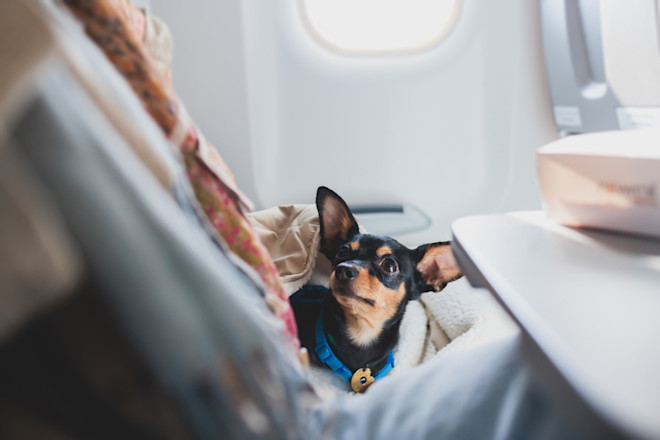

Traveling with your dog on an airplane can feel overwhelming. You want to make sure your furry friend is safe, comfortable, and happy throughout the trip.
But where do you start? How do you prepare for the flight? You’ll discover simple tips and important rules to make flying with your dog easier than you ever thought. Keep reading, and soon you’ll feel confident taking your best friend along on your next adventure.
Choosing The Right Airline
Picking the right airline for traveling with your dog can make or break your trip. Each airline has its own set of rules, fees, and options that affect how comfortable and safe your pet’s journey will be. Knowing what to look for helps you avoid last-minute surprises and ensures a smoother travel experience for both you and your furry friend.
Pet Policies To Check
Every airline has specific pet policies that can vary widely. Some airlines allow small dogs in the cabin, while others require pets to travel as checked baggage or cargo. Check for restrictions on breed, size, and health requirements before booking.
Look for details about necessary documentation, such as vaccination records and health certificates. Does the airline require advance reservations for pets? Understanding these rules early can save you a lot of stress at the airport.
Fees And Charges
Airlines often charge extra for pet travel, but the fees can differ significantly. Some charge a flat fee for in-cabin pets, while others base charges on the weight or size of your dog. Compare fees carefully to find the best value.
Remember that unexpected costs can add up, including fees for pet carriers or additional handling charges. Ask yourself: does the airline offer good value for your pet’s comfort and safety, or are the fees just a hidden hassle?
Cabin Vs Cargo Options
You’ll need to decide whether your dog will travel in the cabin with you or as cargo. Smaller dogs often fit under the seat in front of you, which can ease anxiety for both of you. Larger dogs usually must travel in cargo, which requires a sturdy crate and comes with different risks.
Think about your dog’s temperament and health. Would they handle the cargo hold well, or would they be safer by your side? Some airlines provide climate-controlled cargo areas, but not all do, so it’s worth asking about conditions.

Credit: kradlemypet.com
Preparing Your Dog For The Flight
Preparing your dog for an airplane flight takes careful planning. It helps reduce stress for both you and your pet. Proper preparation ensures a safe and comfortable journey. Start early to give your dog time to adjust. Focus on health, comfort, and routine before the trip.
Health Checks And Vaccinations
Visit the vet before travel to ensure your dog is healthy. Ask about any vaccinations needed for your destination. Request a health certificate if the airline requires one. Check for any signs of illness or discomfort in your dog. Keep all medical records handy during your trip.
Familiarizing With The Carrier
Introduce the carrier well before the flight day. Place familiar blankets or toys inside to make it cozy. Let your dog explore and rest in the carrier at home. Practice short trips or crate time to build comfort. This reduces anxiety during travel and keeps your dog calm.
Exercise And Feeding Schedule
Give your dog plenty of exercise before the flight. A tired dog is often more relaxed and quiet. Adjust feeding times to avoid travel sickness. Feed your dog a small meal a few hours before the flight. Avoid water right before boarding to reduce bathroom needs.
Selecting The Perfect Carrier
Choosing a carrier that fits your dog comfortably is key for a smooth flight. Look for sturdy, well-ventilated carriers that meet airline size rules. Your dog should have enough room to stand, turn, and lie down easily inside.
Selecting the Perfect Carrier for your dog is crucial for a smooth journey. The right carrier ensures your pet’s safety and comfort during the flight. It also complies with airline regulations, making the process hassle-free. Let’s explore key factors to consider when choosing the ideal carrier.Size And Comfort
The carrier should be spacious enough for your dog to move. Your pet should be able to stand, turn, and lie down comfortably. Measure your dog from nose to tail and shoulder to paw. These measurements help in finding the right size. A snug fit might cause discomfort during the flight. Opt for soft padding inside the carrier. This enhances comfort and reduces anxiety. Always consider your dog’s weight and height when selecting a carrier.Airline Compliance
Airline regulations vary, so check their specific requirements. Ensure the carrier fits under the seat in front of you. Most airlines have size and weight limits for in-cabin pets. It’s important to verify these details before booking your flight. Some airlines require carriers to have specific features. These might include a waterproof bottom or secure closures. Researching these details avoids last-minute hassles at the airport.Ventilation And Security
Good ventilation is crucial for your dog’s comfort. Ensure the carrier has mesh panels on multiple sides. This allows for proper airflow and visibility. Secure closures prevent accidental openings during transit. Look for carriers with sturdy zippers or locks. Check that the carrier is escape-proof. A secure carrier keeps your dog safe throughout the journey. Always test the carrier before travel to ensure reliability.Booking Your Flight
Booking your flight when traveling with dogs requires extra attention to detail. You need to balance your pet’s comfort with airline policies and your own travel needs. Making smart choices early can save you from last-minute stress at the airport.
Best Time To Fly
Choosing the right time to fly can make a big difference for your dog’s comfort. Early morning or late evening flights often have cooler temperatures, which is safer for pets, especially if they will be traveling in the cargo hold.
Weekdays tend to be less crowded, reducing stress for your dog and making boarding smoother. Have you considered how a quieter airport environment might help your dog stay calm?
Seat Selection Tips
Picking the right seat can keep you close to your dog and make the journey easier. If your dog is small enough to fly in-cabin, try to reserve an aisle seat so you can quickly access the restroom or stretch your legs without disturbing neighbors.
If your dog must travel in cargo, choose a seat that aligns with the designated pet area so you stay informed about your pet’s location. Avoid seats near galleys or bathrooms, where noise and traffic might upset your dog.
Informing The Airline
Always notify the airline about your dog well before your flight. Many airlines have strict pet policies and limited spots for animals, so early notification increases your chances of securing a spot.
Ask about specific requirements such as kennel size, health certificates, and fees. Don’t hesitate to call and clarify details; clear communication can prevent surprises at check-in.
Day Of Travel Tips
Travel day can be stressful not only for you but also for your dog. The key to a smoother experience lies in preparation and calm management. These tips will help you and your furry friend stay comfortable and relaxed during the journey.
Arriving Early
Give yourself plenty of extra time at the airport. Arriving early helps you avoid rushing, which can increase anxiety for both you and your dog.
Use the extra minutes to let your dog relieve themselves and get used to the busy surroundings. This small window of calm can make a big difference in how your dog handles the trip.
Calming Techniques
Keep your dog’s stress levels low with familiar comforts. Bring along their favorite blanket or toy to provide a sense of security.
Try gentle petting or soft talking to soothe your dog. If your pet is prone to anxiety, consult your vet about safe calming options before the flight.
Security Screening Process
Prepare your dog for security checks to avoid surprises. You will need to remove your pet from their carrier and carry them through the metal detector.
Practice this at home if possible, so your dog feels comfortable being picked up and handled. Keep a firm but gentle hold to prevent sudden movements and stay calm yourself—your mood affects your dog’s reaction.

Credit: www.aol.com
Managing In-flight Experience
Traveling with dogs on airplanes requires special care during the flight. Managing your dog’s in-flight experience helps make the journey smooth and safe. Small steps can greatly improve your dog’s comfort and reduce stress. Preparing ahead ensures your pet stays calm and healthy throughout the trip.
Keeping Your Dog Comfortable
Choose a soft and well-ventilated carrier for your dog. Add a familiar blanket or toy inside to create a cozy space. Make sure the carrier size allows your dog to stand and turn easily. Dress your dog in a light harness for extra security. Keep the carrier under the seat in front of you for calm and quiet. Check temperature and airflow near your seat to avoid discomfort.
Handling Anxiety
Start calming your dog before boarding by using gentle petting and quiet talk. Play soothing music or white noise to drown out loud sounds. Avoid feeding large meals before the flight to prevent nausea. Use natural calming sprays or collars designed for pets. Practice short trips in the carrier to build confidence. Stay calm yourself; dogs sense your mood and react to it.
Hydration And Bathroom Breaks
Offer small water amounts regularly to keep your dog hydrated. Use a spill-proof bowl or water bottle designed for travel. Limit water intake 30 minutes before the flight to reduce bathroom needs. Take your dog for a bathroom break before entering the airport. Use absorbent pads inside the carrier in case of accidents. Plan for bathroom stops during layovers if possible.
Post-flight Care
After the excitement and stress of air travel, your dog needs special attention to settle comfortably into the new environment. Post-flight care is crucial for helping your furry friend adjust quickly and stay healthy. Paying close attention to their needs right after the flight can make a big difference in their overall experience.
Settling In At Destination
Once you arrive, give your dog some quiet time to decompress. Set up a familiar space with their bed, toys, and water bowl. This small effort helps them feel secure and reduces anxiety.
Take a short walk outside to help your dog get accustomed to the new surroundings and stretch their legs after being confined. Watch for signs of stress, like excessive panting or pacing, and respond with calm reassurance.
Health Monitoring
Keep a close eye on your dog’s behavior and physical condition for the first 24 to 48 hours. Look for symptoms such as lethargy, vomiting, diarrhea, or difficulty breathing.
If your dog shows any unusual signs, contact a local vet immediately. Sometimes, the pressure changes and cabin environment can affect their ears or cause dehydration, so early detection is key.
Travel Recovery Tips
- Hydration:Offer water frequently but in small amounts to avoid upset stomachs.
- Rest:Allow plenty of nap time and avoid intense play for at least a day after arrival.
- Feeding:Stick to their regular diet, but give smaller meals initially to prevent nausea.
- Exercise:Gradually reintroduce walks and playtime to help your dog regain energy.
Remember, your calm and attentive behavior reassures your dog that they are safe. What signs of stress have you noticed in your dog after flying? Sharing your experience might help others prepare better for their next trip.
Legal And Documentation Essentials
Traveling with dogs on airplanes requires careful attention to legal and documentation essentials. These rules protect your pet and ensure smooth travel. Knowing the right papers and regulations avoids delays and stress.
Pet Passports And Papers
A pet passport is an official document for your dog’s travel. It shows vaccination records and health status. Most countries ask for proof of rabies vaccination. Some need a microchip number and vet’s certificate too.
Keep the passport updated and carry it during the trip. Airlines often require a health certificate issued within 10 days of travel. This certificate confirms your dog is fit to fly and free from diseases.
Import And Export Rules
Every country has its own import and export rules for pets. Some demand permits or special forms before arrival. Others restrict certain dog breeds or require extra checks.
Check the destination’s official government website for clear instructions. Prepare all documents well in advance. Airlines might also have specific forms to complete before boarding.
Quarantine Regulations
Quarantine rules vary widely across countries. Some places require dogs to stay in quarantine for several days. Others allow immediate entry if all health papers are valid.
Quarantine can be stressful for pets and costly. Always find out if your destination enforces quarantine. Plan your trip according to these rules to avoid surprises.

Credit: www.aol.com
Frequently Asked Questions
What Are The Airline Rules For Traveling With Dogs?
Airlines require dogs to have proper documentation, including health certificates and vaccinations. Some allow small dogs in the cabin if they fit in carriers. Larger dogs typically travel in the cargo hold. Check specific airline policies before booking to ensure smooth travel.
How To Prepare Your Dog For Airplane Travel?
Prepare your dog by getting them used to the travel crate weeks before the trip. Exercise them well before the flight. Avoid feeding your dog a large meal right before flying. Bring familiar toys and blankets to reduce stress during travel.
Can Small Dogs Fly In The Airplane Cabin?
Yes, many airlines allow small dogs to fly in the cabin if they fit under the seat. Carriers must meet airline size requirements. Always confirm carrier dimensions and fees with the airline before traveling.
Are There Health Risks For Dogs Flying On Airplanes?
Flying can cause stress and dehydration for dogs. Some may experience ear pain due to cabin pressure changes. Consult a vet before travel, especially for older or health-compromised pets. Avoid sedatives unless prescribed by a veterinarian.
Conclusion
Traveling with dogs on airplanes can be smooth and stress-free. Plan ahead and know the airline rules. Pack your dog’s favorite items for comfort. Keep your pet calm and safe during the flight. Small steps make a big difference in your journey.
Enjoy the adventure with your furry friend by your side. Safe travels and happy tails!

