
Are you wondering when it’s the right time to switch your furry friend from puppy food to adult dog food? Making this change at the perfect age can keep your dog healthy, happy, and full of energy.
But choosing the wrong time might cause digestive issues or nutritional gaps. You’ll discover exactly when to start feeding your dog adult food and how to make the transition smooth and safe. Keep reading to learn the simple steps that can make a big difference in your dog’s health!
Puppy Growth Stages
Puppy growth stages are crucial to understand when deciding the right time to switch your dog to adult food. Each stage marks important changes in nutrition needs and digestion abilities. Paying attention to these phases helps you support your puppy’s health and development effectively.
Newborn To Weaning
Newborn puppies rely entirely on their mother’s milk for nutrition. This milk provides antibodies and essential nutrients that keep them healthy and strong.
During this period, their digestive systems are still very delicate. You should avoid introducing any solid food until they are ready to wean, usually around 3 to 4 weeks old.
Transition To Solid Food
Around 3 to 4 weeks, puppies start showing interest in solid food. This transition is gradual, beginning with soft, moistened puppy kibble or specially formulated gruel.
Mixing warm water or puppy formula with dry food helps make the shift easier. Watch your puppy’s reaction closely to adjust the texture and quantity.
Rapid Growth Phase
Between 8 to 16 weeks, puppies enter their rapid growth phase. Their energy and nutrient needs spike dramatically during this time.
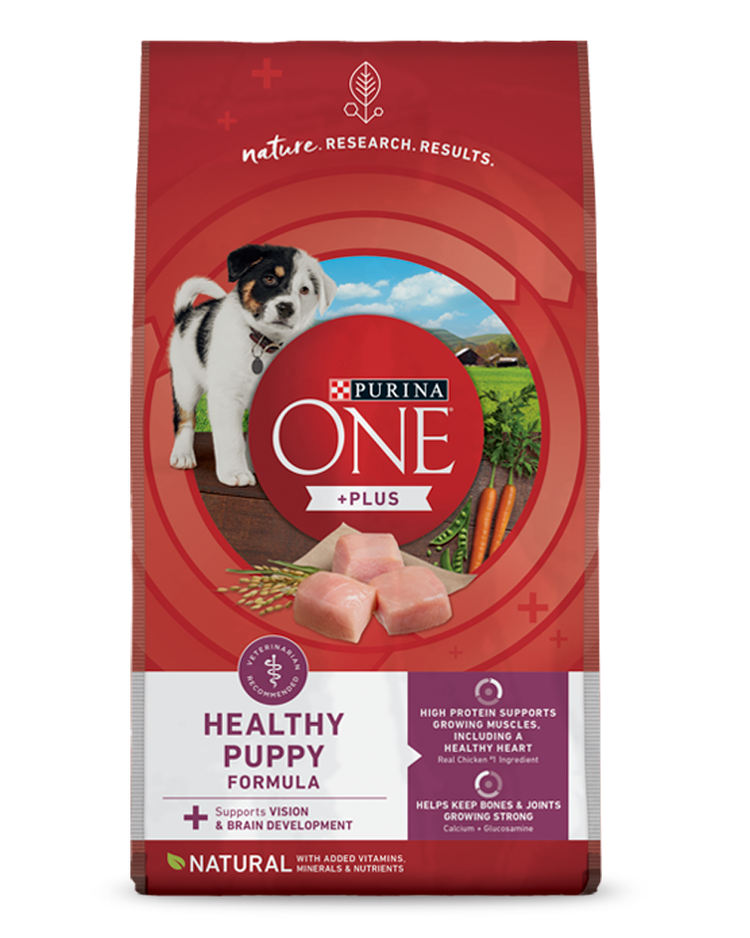
You need to feed them high-quality puppy food designed to support bone, muscle, and brain development. Switching to adult food too early can leave them nutrient-deficient and stunt their growth.
Have you noticed your puppy’s appetite increasing or changes in energy levels? These are signs that their diet must meet higher demands before moving to adult food.
Credit: www.purina.com
When To Switch To Adult Food
Knowing the right time to switch your dog to adult food can feel tricky. It’s not just about their age but also their growth pace and health. Making the switch too early or too late can affect their nutrition and energy levels.
Breed Size And Maturity
Different breeds grow at different speeds. Small breeds often reach maturity faster, sometimes as early as 9 to 12 months. Larger breeds may take up to 18-24 months to fully mature.
If you have a small dog like a Chihuahua, switching to adult food around their first birthday often works well. But if you own a Great Dane or a Mastiff, waiting longer is usually better. Their bones and joints need extra support during this extended growth phase.
Signs Of Readiness
Look for physical and behavioral clues from your dog. Is your puppy losing that gangly, awkward look and filling out? Are their teeth fully developed? These can signal readiness for adult food.
Also, pay attention to their energy levels. If your dog seems calmer and less hyperactive, their metabolism might be slowing down, which often means adult food is a better fit. Keep an eye on their weight too—steady growth without sudden spikes is a good sign.
Veterinarian Recommendations
Your vet knows your dog’s unique needs better than anyone. They can suggest the best time to switch based on health, breed, and lifestyle. Sometimes, a dog may have special dietary needs that influence this decision.
Don’t hesitate to ask your vet about specific brands or formulations. They can also guide you on how to transition gradually to avoid digestive upset. Have you checked with your vet recently about your dog’s diet?
Benefits Of Adult Dog Food
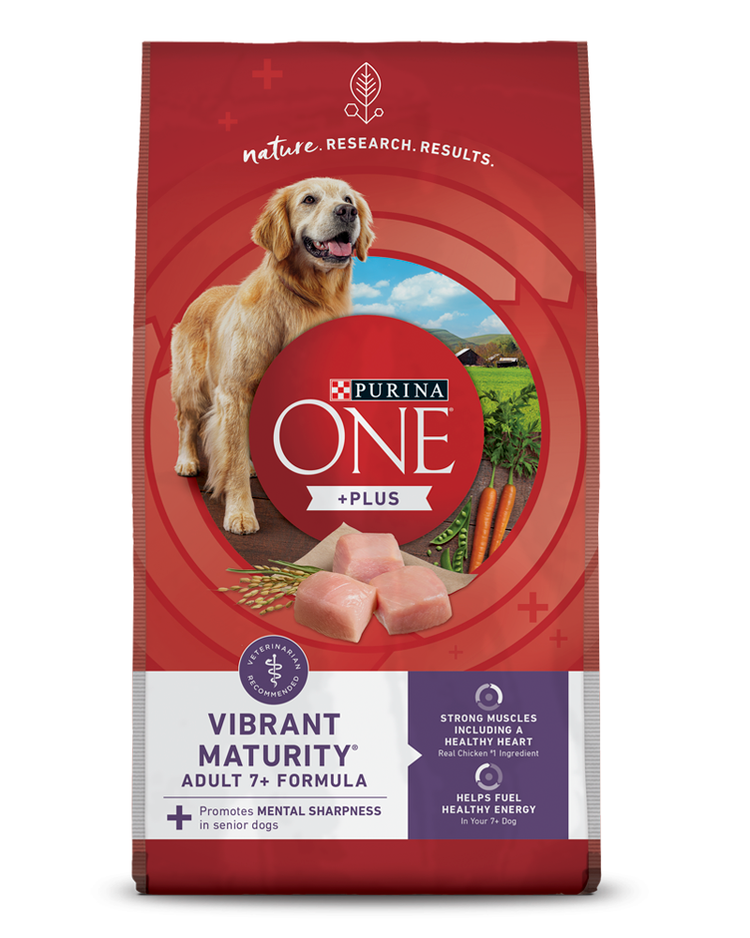
Adult dog food supports steady energy and healthy weight after puppy growth slows. Feeding adult food usually starts around one year old, matching your dog’s changing nutritional needs. This switch helps maintain overall health and vitality.
Feeding your dog adult food at the right time is essential for their health and well-being. Transitioning from puppy to adult food marks a significant milestone in your dog’s life. This change brings several advantages that cater specifically to the needs of a mature dog. Let’s explore the benefits of adult dog food and how it can support your furry friend.Nutritional Needs Met
Adult dog food is formulated to meet the specific nutritional requirements of grown dogs. Unlike puppy food, which is rich in calories and nutrients to support growth, adult food provides a balanced diet to maintain health. Have you ever noticed how much less active adult dogs are compared to puppies? Adult formulas cater to these lifestyle changes, ensuring your dog gets the right amount of protein, carbohydrates, and fats they need.Supporting Healthy Weight
Maintaining a healthy weight is crucial to your dog’s overall health. Adult dog food is crafted to help control calories and prevent unnecessary weight gain. By feeding your dog the right portion of adult food, you help them avoid obesity-related issues. Imagine the relief of knowing your dog is less likely to face joint problems or diabetes due to their diet.Maintaining Energy Levels
While puppies might seem like endless balls of energy, adult dogs require a diet that supports their more relaxed lifestyle. Adult dog food is balanced to provide enough energy without causing weight gain. Have you ever wondered why some older dogs seem tired all the time? The right adult dog food helps maintain their energy levels, so your dog can still enjoy playtime without feeling exhausted. Incorporating adult dog food into your pet’s diet at the right age ensures they receive optimal nutrition, maintain a healthy weight, and have the energy they need for their daily activities. As you transition your dog to adult food, you’re setting the stage for a healthier, happier life.Risks Of Early Or Late Switching
Switching your dog from puppy food to adult food at the right time matters a lot. Changing too early or too late can cause health problems. It can affect your dog’s growth, digestion, and weight. Understanding these risks helps keep your dog healthy and happy.
Nutritional Deficiencies
Puppy food has more protein and nutrients for growth. Adult food has fewer nutrients since adult dogs need less. Switching too early can starve your puppy of vital nutrients. This can stunt growth and weaken the immune system. Waiting too long means your adult dog gets too many nutrients. This can cause imbalances and other health issues.
Digestive Issues
Dogs’ digestive systems change as they grow. Puppy food is easier to digest for young dogs. Adult food is richer and harder to digest for puppies. Switching too soon can cause stomach upset, diarrhea, and discomfort. Waiting too long can make digestion sluggish in adult dogs. Both cases can lead to poor nutrient absorption and health problems.
Obesity Concerns
Puppy food has more calories to support growth. Adult food has fewer calories to maintain weight. Feeding adult food too early can make puppies gain weight too fast. This may lead to obesity and joint problems later. Feeding puppy food too long to adults can cause weight gain. Overweight dogs face risks like diabetes, heart disease, and low energy.
How To Transition Your Dog’s Diet
Changing your dog’s diet to adult food needs care and patience. Sudden changes can upset their stomach. A smooth transition helps your dog adjust easily. Follow simple steps to make the switch comfortable and safe.
Gradual Food Mixing
Start by mixing a small amount of adult food with puppy food. Increase the adult food portion slowly over 7 to 10 days. This gentle change helps your dog’s digestive system adapt. Avoid switching all at once to prevent stomach upset.
Monitoring Your Dog’s Response
Watch your dog closely during the diet change. Look for signs like vomiting, diarrhea, or loss of appetite. Check their energy levels and stool quality daily. If problems appear, slow down the transition or consult your vet.
Adjusting Portions
Adult dogs need different portion sizes than puppies. Follow feeding guidelines on the adult food package. Adjust the amount based on your dog’s weight and activity. Feeding too much can cause weight gain. Too little may lead to hunger and low energy.
Special Considerations
Feeding your dog adult food isn’t just about hitting a certain age. There are special factors that can affect the right time to make the switch. Understanding these can help you support your dog’s health and energy levels better.
Small Vs. Large Breeds
Small breed dogs mature faster than large breeds. While a small dog might be ready for adult food by 9 to 12 months, a large breed might need puppy food for up to 18 months.
Large breeds have different nutritional needs, especially for joint health. Switching too early or too late can affect their growth and bone development.
Ask yourself: Is your dog’s breed influencing how quickly they grow? Tailor their diet to match their breed size and growth rate.
Health Conditions
Some dogs have health issues that require special diets. For example, dogs with allergies, digestive problems, or kidney issues may need specific adult foods or prolonged puppy diets.
Consult your vet before making any changes if your dog has health concerns. They can recommend the best timing and type of food to keep your dog comfortable and healthy.
Think about your dog’s unique health needs when deciding on adult food. It’s not just about age—it’s about their well-being.
Senior Dogs
Senior dogs often need diets tailored to their changing metabolisms and health risks. Adult food might need to be replaced with senior formulas that support joint health and lower calorie content.
Transitioning to senior food usually happens around 7 years for small breeds and closer to 5-6 years for large breeds. Watching your dog’s activity levels and weight can guide you on when to switch.
Is your dog showing signs of aging or slowing down? Adjusting their diet to meet their senior needs can improve their quality of life.
Choosing Quality Adult Dog Food
Choosing quality adult dog food matters for your pet’s health and happiness. Good nutrition supports energy, digestion, and a strong immune system. It helps maintain a healthy weight and shiny coat. Selecting the right food ensures your dog gets the right nutrients for their age and activity level.
Key Ingredients To Look For
- High-quality protein such as chicken, beef, or fish
- Healthy fats from sources like fish oil or flaxseed
- Complex carbohydrates including sweet potatoes or brown rice
- Essential vitamins and minerals for overall health
- Fiber to support good digestion
Avoiding Harmful Additives
- No artificial colors or flavors
- No preservatives like BHA, BHT, or ethoxyquin
- No excessive fillers such as corn or wheat
- No by-products or unnamed meat sources
- Avoid foods with too much salt or sugar
Reading Labels Effectively
Start by checking the first few ingredients on the list. These make up most of the food. Look for named proteins like “chicken” or “salmon.” Avoid vague terms like “meat meal” or “animal digest.”
Check the guaranteed analysis for protein, fat, fiber, and moisture percentages. Compare these with your dog’s nutritional needs. Look for certification or approval from pet food authorities. This shows the food meets safety and quality standards.
Credit: www.purina.com
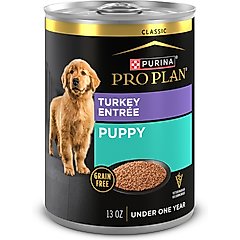
Credit: www.chewy.com
Frequently Asked Questions
When Should I Switch My Puppy To Adult Dog Food?
Switch your puppy to adult dog food around 12 months of age. Large breeds may need 18 to 24 months. This timing supports healthy growth and prevents nutrient imbalances.
What Are Signs My Dog Is Ready For Adult Food?
Look for signs like slowed growth and stable weight. Also, reduced puppy energy levels indicate readiness for adult food. Consult your vet for personalized advice.
Can Feeding Adult Food Too Early Harm My Puppy?
Yes, feeding adult food too early can cause nutrient deficiencies. Puppies need higher protein and fat for growth. Delaying the switch helps ensure proper development.
How Does Adult Dog Food Differ From Puppy Food?
Adult dog food has fewer calories and less fat than puppy food. It supports maintenance instead of rapid growth. Ingredients are balanced for adult dogs’ energy needs.
Conclusion
Feeding your dog adult food at the right time helps their health. Most dogs switch around one year old, but breeds differ. Watch your dog’s growth and energy for clues. Always choose food made for their size and age. Talk to your vet if unsure about the change.
A smooth switch keeps your dog happy and strong. Remember, good nutrition supports a long, healthy life. Start adult food when your dog is ready. Simple steps lead to a healthy dog diet.