
Are you wondering when your Chihuahua should start eating adult dog food? Choosing the right time is important for your pup’s health and growth.
If you switch too early or too late, it could affect their energy, digestion, and overall well-being. You’ll discover the best age to make the switch and how to do it smoothly. Keep reading to learn what’s best for your tiny friend’s big health needs.
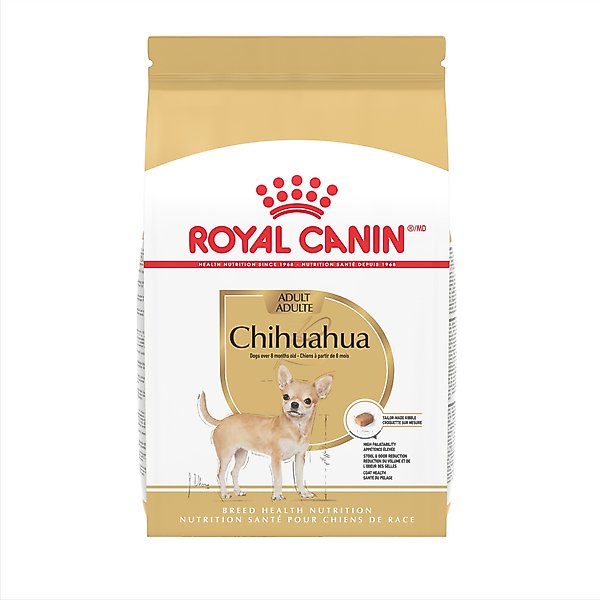
Credit: www.chewy.com
Chihuahua Growth Stages
Chihuahuas grow quickly through different stages. Each stage needs specific care and food. Understanding these growth phases helps in choosing the right dog food. This guide explains the puppy phase, adolescence, and adulthood. It shows when to switch to adult dog food.
Puppy Phase
Chihuahua puppies grow fast in the first few months. They need food rich in protein and fat for energy. Puppy food supports strong bones and healthy teeth. Feeding small, frequent meals helps their tiny stomachs. This phase lasts until about 6 to 9 months.
Adolescence
Adolescence is the transition from puppy to adult. It starts around 6 to 9 months and ends near 12 months. Growth slows, but energy remains high. Nutrients must support muscle development and a healthy immune system. Gradually introduce adult dog food during this phase to avoid digestion issues.
Adulthood
Chihuahuas reach adulthood at about 12 months old. Adult dog food meets their lower energy needs and maintains weight. Balanced nutrients keep their coat shiny and joints healthy. Feeding the right amount prevents obesity and health problems. Adult food supports a long, active life for your Chihuahua.
When To Switch To Adult Food
Knowing the right time to switch your Chihuahua to adult dog food is crucial for their health and growth. Feeding them the wrong type of food can lead to nutritional imbalances or slow development. Let’s look at clear signs and age guidelines that can help you make this important decision confidently.
Signs Of Maturity
Your Chihuahua will show physical and behavioral changes that signal readiness for adult food. One common sign is when their puppy coat starts to shed and their adult fur grows in thick and shiny. You might also notice a change in energy levels—they become less hyper and more steady in their activity.
Another key sign is their size. When your Chihuahua reaches about 80-90% of their full adult weight, it’s a good indicator they’re ready for adult food. Watch their teeth, too; when the baby teeth have been replaced by adult teeth, it’s time to consider the switch.
Recommended Age Range
Most Chihuahuas are ready to transition from puppy to adult food between 9 and 12 months of age. Small breeds like Chihuahuas mature faster than larger dogs, so this earlier switch helps meet their changing nutritional needs.
If you switch too early, your dog might miss out on essential nutrients for growth. Switch too late, and they could gain unnecessary weight or lack vital nutrients for maintenance. A balanced approach ensures their bones, muscles, and immune system stay strong.
Nutritional Needs Of Adult Chihuahuas
Adult Chihuahuas need a balanced diet to stay healthy and active. Their small size requires careful attention to nutrients. Feeding the right food helps maintain their energy and supports their body functions. Understanding their nutritional needs ensures they live a long, happy life.
Protein Requirements
Protein is vital for muscle repair and growth in adult Chihuahuas. Their diet should include high-quality animal proteins like chicken, turkey, or fish. Protein supports their immune system and keeps their coat shiny. A good adult dog food has around 18-25% protein content.
Essential Vitamins And Minerals
Vitamins and minerals keep Chihuahuas’ bodies working well. Vitamin A supports vision and skin health. B vitamins help with energy and brain function. Calcium and phosphorus strengthen bones and teeth. A balanced dog food includes these nutrients in the right amounts.
Calorie Intake
Chihuahuas have fast metabolisms but small stomachs. They need enough calories to fuel their daily activities. Adult Chihuahuas usually need about 200-400 calories a day. Overfeeding can lead to obesity, so portion control is important. Choose adult dog food with proper calorie levels for small breeds.
Choosing The Right Adult Dog Food
Choosing the right adult dog food for your Chihuahua is more than just grabbing a bag off the shelf. It’s about understanding what your little companion needs at this stage of their life. The right food can enhance their health, energy levels, and overall well-being.
Ingredients To Look For
When selecting adult dog food for your Chihuahua, prioritize high-quality proteins like chicken, beef, or fish as the first ingredient. These proteins provide essential amino acids that are crucial for maintaining muscle mass. Whole grains, such as brown rice or oats, provide necessary carbohydrates for energy.
Incorporating vegetables and fruits into your Chihuahua’s diet can also be beneficial. Ingredients like sweet potatoes, carrots, and blueberries are excellent sources of vitamins and antioxidants. These elements support your dog’s immune system and contribute to a shiny coat.
Avoiding Harmful Additives
Steer clear of dog foods that contain artificial preservatives, colors, and flavors. These additives can cause allergic reactions or digestive issues in some Chihuahuas. Opt for natural preservatives like tocopherols (vitamin E) and ascorbic acid (vitamin C) instead.
Examine the label for fillers like corn and soy, which offer little nutritional value. Instead, focus on foods that are free from unnecessary fillers and have a simple, clear ingredient list. This ensures your Chihuahua consumes only what’s beneficial to their health.
Portion Control
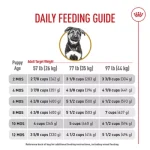
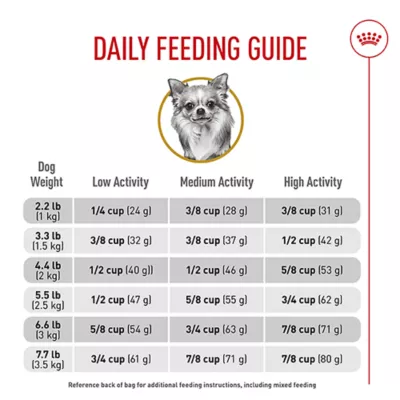
Understanding portion control is crucial when feeding your Chihuahua adult dog food. Chihuahuas have small stomachs and can easily overeat if portions are not measured correctly. Check the feeding guidelines on the dog food packaging to determine the appropriate serving size.
Observe your dog’s weight and adjust portions as needed. If your Chihuahua is gaining weight, you might need to reduce the portion slightly. A lean, healthy Chihuahua is a happy Chihuahua, so keep an eye on their waistline and adjust accordingly.
Have you found a favorite brand or specific ingredient that your Chihuahua thrives on? Share your experiences and tips with other Chihuahua owners in the comments below!
Transitioning Your Chihuahua
Transitioning your Chihuahua to adult dog food is a crucial step for their health. Puppies have different nutritional needs than adult dogs. Changing their diet too quickly can upset their stomach. A slow, careful switch helps your dog adjust well. Watch your Chihuahua closely during this time to catch any issues early.
Gradual Food Change
Start mixing a small amount of adult food with puppy food. Increase adult food gradually over 7 to 10 days. This slow change helps your dog’s stomach get used to new ingredients. Avoid sudden switches to prevent digestive problems like diarrhea or vomiting.
Monitoring Digestive Health
Observe your Chihuahua’s stool and appetite daily. Look for signs like diarrhea, constipation, or vomiting. If these occur, slow down the transition or pause it. Keep your dog hydrated and comfortable throughout the process. Consult your vet if problems persist or worsen.
Adjusting Portions
Adult Chihuahuas need less food than puppies. Follow the feeding guidelines on the adult food package. Adjust portions based on your dog’s weight and activity level. Overfeeding can cause obesity, underfeeding leads to weakness. Regularly weigh your dog to maintain a healthy size.

Credit: medium.com
Common Feeding Mistakes
Feeding a Chihuahua adult dog food at the right age is important for their health. Many owners make common feeding mistakes that affect their dog’s wellbeing. These errors can cause weight problems, digestive issues, and poor nutrition. Understanding these mistakes helps keep your Chihuahua healthy and happy.
Overfeeding Risks
Chihuahuas are small dogs with tiny stomachs. Overfeeding can quickly lead to obesity. Excess weight stresses their heart and joints. It also raises the risk of diabetes and other diseases. Measure food portions carefully. Follow feeding guidelines on the dog food package. Avoid free feeding all day.
Ignoring Weight Changes
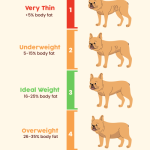
Regularly check your Chihuahua’s weight. Sudden weight gain or loss signals health issues. Ignoring these changes delays treatment. Use a scale or feel their ribs to monitor weight. Adjust food amounts based on activity and age. Consult a vet if weight changes persist.
Feeding Human Food
Many owners share snacks with their Chihuahuas. Human food can upset their stomachs or cause poisoning. Some foods, like chocolate and onions, are toxic to dogs. Feeding table scraps adds unhealthy calories. Stick to dog-safe treats and balanced adult dog food. This ensures proper nutrition and avoids health risks.
Expert Tips For Long-term Health
Ensuring your Chihuahua thrives on adult dog food involves more than just picking the right brand. Long-term health depends on careful attention to several key areas. These expert tips will help you support your pet’s wellbeing throughout their adult years.
Regular Vet Checkups
Taking your Chihuahua for regular vet visits is essential. These checkups catch health issues early before they become serious. Your vet can also advise if your dog’s diet needs adjustments based on weight, activity level, or age.
Don’t wait for obvious symptoms to visit the vet. Subtle changes in behavior or appetite can signal problems. How often do you schedule vet visits for your dog?
Balanced Diet Maintenance
Feeding your Chihuahua a balanced diet means providing all the nutrients they need. Adult dog food formulas are designed to meet these needs, but you should still monitor portion sizes and ingredient quality.
Look for foods rich in high-quality proteins, healthy fats, and essential vitamins. Avoid fillers and artificial additives that offer little nutritional value. Have you checked your dog’s food label recently?
Hydration Importance
Water is crucial for your Chihuahua’s health, especially as they eat dry kibble. Proper hydration supports digestion, joint health, and overall energy levels.
Always provide fresh, clean water and encourage your dog to drink regularly. If your Chihuahua seems reluctant, try adding a splash of low-sodium broth or wet food to increase fluid intake. How do you ensure your pet stays well hydrated every day?

Credit: medium.com
Frequently Asked Questions
When Should A Chihuahua Switch To Adult Dog Food?
Chihuahuas should switch to adult dog food at 12 months old. This ensures proper nutrition for their growth and health.
Why Is Timing Important For Chihuahua’s Food Transition?
Proper timing prevents digestive issues and supports healthy development. Switching too early or late can cause nutritional imbalances.
What Are Signs Chihuahua Is Ready For Adult Food?
Look for slowed growth, stable weight, and chewing habits. These signs indicate your Chihuahua can handle adult dog food.
Can Feeding Adult Food Too Early Harm Chihuahuas?
Yes, feeding adult food too early may cause nutrient deficiencies. Puppies need special nutrients for bone and brain development.
Conclusion
Chihuahuas need adult dog food around one year old. This helps support their energy and health. Growing puppies need special nutrition, but adults need steady food. Watch your dog’s size and activity to adjust meals. Good food keeps your Chihuahua happy and strong.
Always check with your vet for the best diet. Feeding the right food at the right age matters a lot. Small changes can make a big difference in health. Keep your Chihuahua’s diet simple and balanced. It’s a key step in caring for your pet well.