
Are you wondering when to switch your furry friend from puppy food to adult dog food? Choosing the right time can feel confusing, but it’s important for your dog’s health and happiness.
Feeding your dog the right food at the right age helps them grow strong, stay active, and live a long life. You’ll discover exactly when to make the change, what signs to look for, and how to keep your dog’s diet balanced.
Keep reading to make sure you’re giving your dog the best nutrition at every stage.
When To Switch To Adult Food
Knowing the right time to switch your dog from puppy food to adult food is crucial for their health and well-being. Feeding adult food too early or too late can affect their growth and energy levels. Paying attention to your dog’s development helps you make the best choice for their diet.
Puppy Growth Stages
Puppies grow rapidly in their first few months, needing extra nutrients to support this phase. Typically, they stay on puppy food until they reach about 80% of their adult size. This usually happens between 9 and 12 months, but it varies depending on the breed.
During this stage, puppies develop bones, muscles, and organs, so their diet must be rich in protein and fat. Switching too soon to adult food can cause nutritional gaps. Have you noticed your puppy’s pace of growth slowing down? That’s a key clue they might be ready.
Breed Size And Maturity
Smaller breeds mature faster and often switch to adult food around 9 months. Larger breeds like Labradors or Great Danes take longer, sometimes up to 18 or 24 months. Their slower growth rate means they need puppy food for a longer time to meet their unique nutritional needs.
Think about your dog’s breed size when deciding the switch. For example, a Chihuahua may be ready much earlier than a Saint Bernard. Adjusting feeding schedules based on breed size avoids overfeeding or underfeeding important nutrients.
Signs Your Dog Is Ready
Look for physical and behavioral signs that your dog is ready for adult food. These include a stable weight, less rapid growth, and a calmer energy level. If your puppy is less hyperactive and their body shape starts to fill out, it’s a strong signal.
Another sign is how your dog reacts to their current food. If they seem less interested or if you notice digestive issues, it might be time to change. Have you checked your vet for advice? Professional guidance ensures you make the right move for your dog’s health.
Credit: www.petsmart.com
Factors Influencing The Transition
Changing your dog’s food from puppy to adult is an important step. Several factors affect the right time for this switch. These factors help ensure your dog stays healthy and happy. Understanding them makes feeding easier and better for your pet.
Nutritional Needs
Puppies need more calories and nutrients for growth. Adult dogs require balanced nutrition for maintenance. Their energy needs are lower than puppies. Adult food has fewer calories and different nutrient ratios. Feeding the right food supports healthy bones and muscles. It also prevents obesity and related health problems.
Health Considerations
Some dogs have special health needs. Conditions like allergies or digestive issues affect food choices. Older dogs may need food with joint support ingredients. Dogs with weight problems require low-calorie diets. Monitoring your dog’s health helps decide the food type. Adjusting diet based on health keeps your dog comfortable.
Veterinarian Recommendations
Veterinarians provide expert advice on feeding schedules. They assess your dog’s breed, size, and health status. Vets suggest the best age to start adult food. They may recommend specific brands or formulas. Regular check-ups help track your dog’s growth. Follow your vet’s guidance for a smooth transition.
How To Make The Switch Smooth
Switching your dog to adult food requires care to avoid upsetting their stomach or causing picky eating habits. A smooth transition helps your dog adjust comfortably and keeps their digestion on track. Here’s how you can make the change easy for both you and your furry friend.
Gradual Food Transition
Start by mixing a small amount of adult food with your dog’s current puppy food. Increase the adult food portion little by little over 7 to 10 days. This slow change helps your dog’s digestive system adapt without sudden shocks.
If your dog resists the new food, try warming it slightly or adding a bit of low-sodium broth to make it more appealing. Have you noticed your dog’s preferences changing during transitions before? Adjusting the pace can make all the difference.
Monitoring Your Dog’s Response
Watch closely for any signs of digestive upset like vomiting, diarrhea, or constipation after switching foods. Also, observe changes in energy levels and coat quality. These clues tell you how well your dog is handling the new diet.
Keep a journal of any changes you notice during the switch. This record can help you communicate effectively with your vet if problems arise. Remember, every dog reacts differently, so patience is key.
Adjusting Portion Sizes
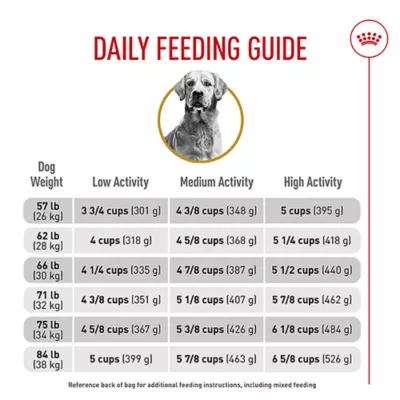
Adult dogs need different calorie amounts than puppies, so adjust feeding portions accordingly. Use the feeding guidelines on the adult food package as a starting point and tweak based on your dog’s weight and activity.
Overfeeding can lead to weight gain, while underfeeding might cause nutrient deficiencies. If your dog seems hungry or lethargic, don’t hesitate to consult your vet for personalized advice. How do you currently measure your dog’s meals?
Common Mistakes To Avoid
Feeding your dog adult food at the right time is important for their health. Many dog owners make simple mistakes that affect their pet’s growth and energy. Avoiding these errors helps your dog stay strong and happy.
Switching Too Early Or Late
Changing to adult food too soon can harm your puppy’s growth. Their body needs special nutrients found in puppy food. Switching too late may cause weight gain and poor digestion. Watch your dog’s size and energy to know the right time.
Ignoring Breed Differences
Dogs come in many sizes and breeds. Each type has different needs. Large breeds need a slower food change to protect their bones. Small breeds might need adult food earlier to keep up their energy. Choose food that fits your dog’s breed and size.
Overfeeding Adult Food
Adult dog food has more calories than puppy food. Feeding too much can lead to obesity. Obese dogs have health problems like joint pain and heart issues. Measure food portions carefully and avoid extra treats. Keep your dog’s weight in a healthy range.
Special Cases And Exceptions
Feeding dogs the right food is crucial for their health. Most dogs transition from puppy to adult food between 12-24 months. Yet, some dogs require special attention. Special cases and exceptions depend on breed size, age, and health issues. Let’s explore these exceptions to ensure your pet gets the best nutrition.
Small Vs. Large Breeds
Breed size affects when a dog should switch to adult food. Small breeds mature faster than larger ones. They can start eating adult food at about 9-12 months. Large breeds, on the other hand, mature more slowly. They usually transition at 12-24 months. This ensures their bones and joints develop properly.
Senior Dogs
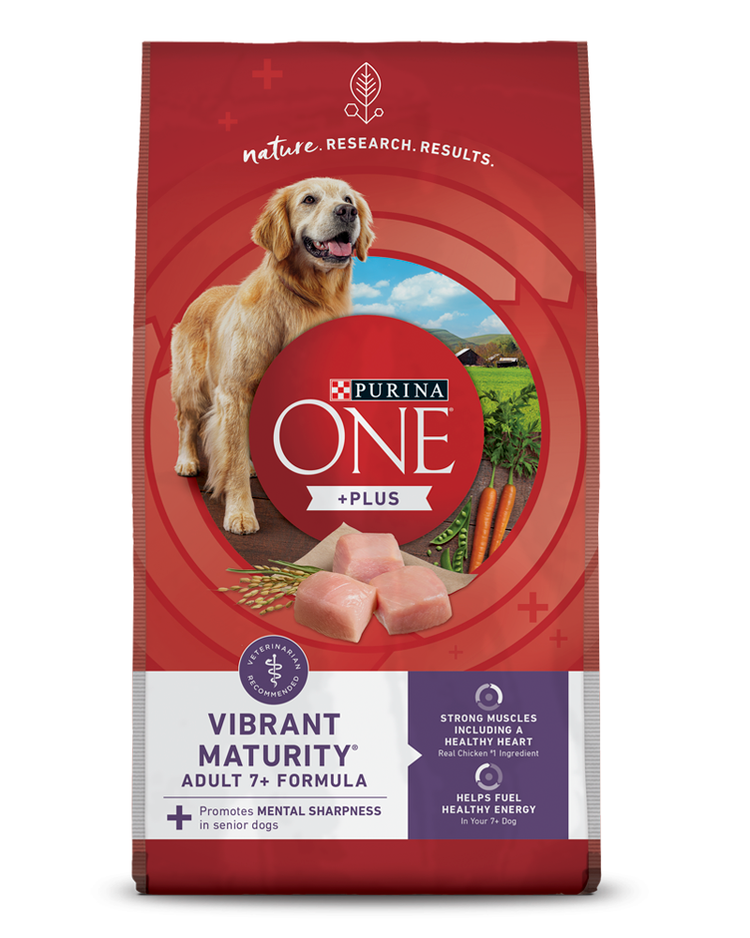
Senior dogs have different nutritional needs than younger adults. They may require food with fewer calories and more fiber. This helps maintain a healthy weight and supports digestion. If your dog is considered senior, consult a vet. They can recommend the best diet for your dog’s specific needs.
Dogs With Health Issues
Some dogs have health conditions that influence their diet. Dogs with allergies might need special ingredients. Dogs with kidney issues may require low-protein diets. Always consult a vet for a tailored diet. This ensures your dog’s health remains optimal despite any challenges.
Credit: www.purina.com
Choosing The Right Adult Dog Food
Choosing the right adult dog food is key to keeping your dog healthy and happy. Dogs need a balanced diet that fits their size, age, and activity level. Adult dog food supports steady energy and maintains a strong immune system. Selecting the right food ensures your dog gets all needed nutrients without extra calories.
Key Nutrients To Look For
- Protein:Supports muscle maintenance and repair.
- Fat:Provides energy and helps absorb vitamins.
- Carbohydrates:Supply fuel for daily activities.
- Vitamins and Minerals:Boost immune health and bone strength.
- Fiber:Aids digestion and promotes gut health.
- Omega Fatty Acids:Improve coat shine and brain function.
Reading Dog Food Labels
Check the ingredient list to find real meat as the first item. Avoid foods with too many fillers like corn or wheat. Look for clear nutrient guarantees on the package. Pay attention to the calorie content to avoid overfeeding. The label should state it meets standards by AAFCO or similar groups.
Top Recommended Brands
- Blue Buffalo: Known for natural ingredients and balanced formulas.
- Hill’s Science Diet: Focuses on vet-recommended nutrition for adults.
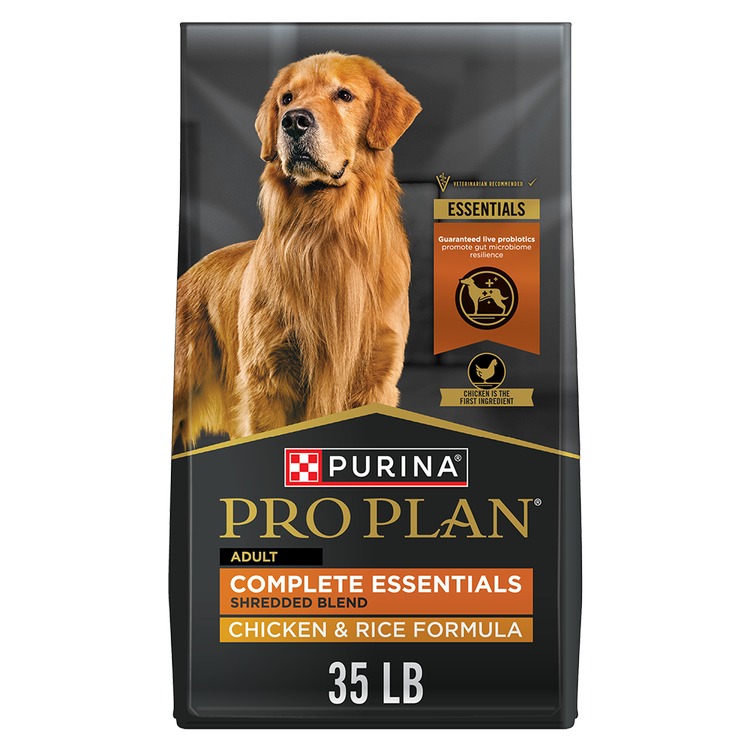
- Purina Pro Plan: Offers a variety of formulas for different needs.
- Royal Canin: Tailors food to specific breeds and health issues.
- Wellness Core: Grain-free options with high protein content.
Credit: www.purina.com
Frequently Asked Questions
When Should I Switch My Dog To Adult Food?
Switch to adult dog food when your dog reaches 12 months old. Large breeds may need to wait until 18-24 months. This ensures proper nutrition for growth and energy needs.
Why Is Timing Important For Feeding Adult Dog Food?
Feeding adult food too early may lack growth nutrients. Too late, it can cause weight gain. Proper timing supports healthy development and maintains ideal weight.
How Do I Know My Dog Is Ready For Adult Food?
Look for signs like full size and stable weight. Puppies losing puppy teeth and slowing growth are ready. Consult your vet for breed-specific advice.
Can Feeding Adult Food Too Soon Harm My Puppy?
Yes, early feeding can cause nutritional deficiencies. Puppies need more protein and calories for growth. Stick to puppy food until the right age.
Conclusion
Feeding your dog adult food at the right age helps keep them healthy. Most dogs switch between one year and two years old. Watch their growth and energy to choose the best time. Talk to your vet for advice tailored to your dog.
Changing food too early or too late can cause problems. Good nutrition supports your dog’s long life and happiness. Remember, each dog is unique. Pay attention and adjust as needed. This way, your dog stays strong and happy every day.