Are you wondering when your playful puppy should start eating adult dog food? Making this switch at the right time is important for your furry friend’s health and growth.
If you change their diet too early or too late, it could affect their energy, digestion, and overall well-being. You’ll discover the perfect age to transition your puppy to adult food, plus tips to make the change smooth and stress-free.
Keep reading to ensure your dog stays happy and healthy every step of the way.
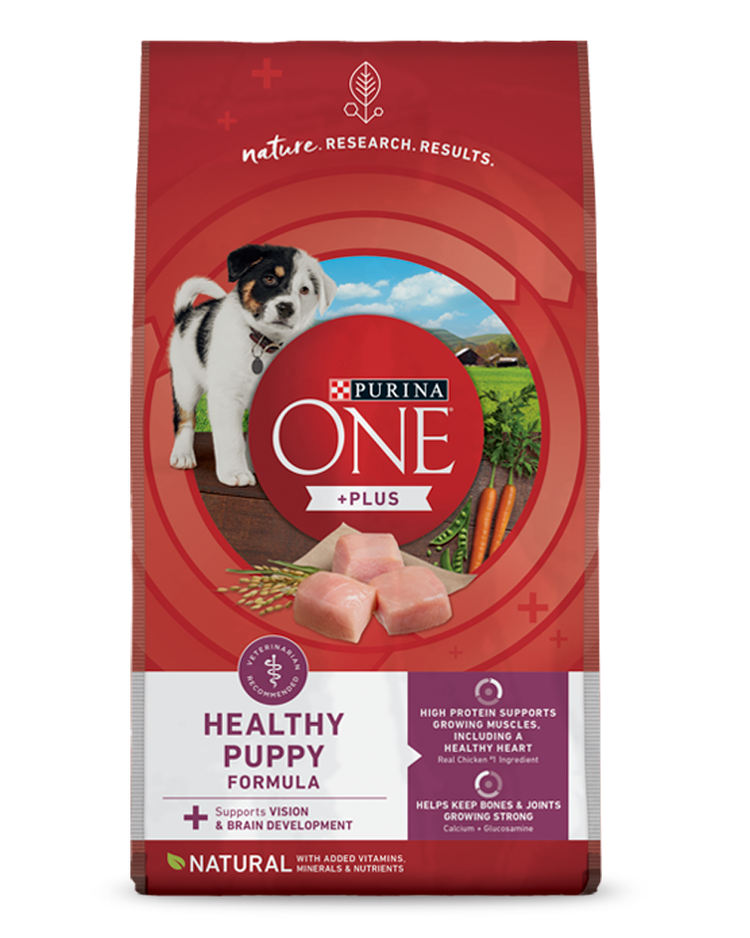
Credit: www.purina.com
Puppy Growth Stages
Puppy growth happens fast and involves distinct stages, each with unique nutritional needs. Understanding these stages helps you know the right time to change your puppy’s diet. Let’s break down the growth phases so you can support your furry friend’s health properly.
Newborn To Weaning
During this stage, puppies rely entirely on their mother’s milk. It provides all the nutrients they need to grow strong and build immunity. If you’re hand-raising a puppy, special puppy milk replacer is essential to match this early nutrition.
Weaning To 3 Months
Puppies start transitioning from milk to solid food around 3 to 4 weeks old. You’ll notice them nibbling softened puppy food mixed with water or formula. This gradual change is critical—too fast can upset their stomach, too slow may delay growth.
3 To 6 Months
By this age, your puppy should be fully on solid puppy food. Their energy needs are high because they’re growing rapidly and exploring the world. Choose a high-quality, balanced puppy food that supports muscle and bone development.
6 To 12 Months
This phase is about slowing growth while preparing for adult nutrition. Some breeds mature faster and can start adult food around 9 months, while larger breeds may need puppy food longer. Watch your puppy’s weight and activity—these clues help you decide when to switch.
When To Switch To Adult Food
Knowing the right time to switch your puppy to adult dog food is important. This change supports your dog’s growth and health. The timing depends on several factors, including breed size, physical development, and advice from your vet. Understanding these signs helps you make the best choice for your dog’s diet.
Breed Size Considerations
Small, medium, and large breeds mature at different rates. Small breeds usually grow faster and may switch to adult food around 9 to 12 months. Large breeds take longer to mature, often needing puppy food until 12 to 18 months. Giant breeds might require puppy food even longer to support slow growth.
Physical And Nutritional Signs
Look for changes in your puppy’s body and energy. When growth slows, and your dog looks more filled out, it may be time to switch. Puppies needing less energy may benefit from adult food with lower calories. Watch for healthy weight and coat condition as signs your dog is ready.
Veterinarian Recommendations
Your vet knows your puppy’s unique needs. Regular checkups help track growth and health. A vet can suggest the best time to change food based on breed, size, and overall condition. Always follow their advice for a smooth transition and balanced nutrition.
Choosing The Right Adult Dog Food
Puppies usually switch to adult dog food around one year old. This change supports their slower growth and different nutritional needs. Transitioning at the right time helps keep dogs healthy and active.
Choosing the right adult dog food for your puppy as they transition can feel like navigating a maze. You want to ensure that your furry friend gets the nutrients they need without any unnecessary additives. With countless options available, how do you make the right choice?Nutritional Needs Of Adult Dogs
Adult dogs have different nutritional requirements compared to puppies. They need balanced levels of protein, fats, and carbohydrates to maintain their energy and health. Consider your dog’s breed, size, and activity level, as these factors can influence their dietary needs.Types Of Adult Dog Food
There’s a variety of adult dog foods available on the market. You can choose between dry kibble, wet canned food, or even raw diets. Each type has its own benefits and drawbacks, so it’s crucial to assess what fits best for your dog’s lifestyle and your convenience.Reading Dog Food Labels
Navigating dog food labels can be a daunting task. Look for foods that list a high-quality protein as the first ingredient. Avoid foods with excessive fillers and artificial preservatives. Understanding what each ingredient contributes can make a big difference in your dog’s diet. Choosing the right adult dog food is more than just picking a bag off the shelf. It’s about understanding your dog’s unique needs and making informed decisions. Are you confident you’re giving your dog the nutrition they deserve?Transitioning Tips
Switching your puppy from puppy food to adult dog food requires care and patience. This change affects their digestion, energy, and growth. Proper transitioning helps avoid stomach upset and ensures they get the right nutrients. Use these tips to make the change smooth and healthy.
Gradual Food Mixing
Start by mixing a small amount of adult dog food with puppy food. Increase the adult food portion slowly over 7 to 10 days. This slow change helps the puppy’s stomach adjust to the new diet. Avoid switching food suddenly to prevent digestive problems.
Monitoring For Digestive Issues
Watch your puppy closely after changing food. Look for signs like diarrhea, vomiting, or lack of appetite. Mild changes in stool are normal but severe issues need attention. If problems last more than a few days, consult your veterinarian.
Adjusting Portion Sizes
Adult dogs usually need fewer calories than puppies. Adjust the food amount based on your dog’s size, activity, and weight. Follow feeding guidelines on the adult dog food package. Measure portions carefully to prevent overfeeding or underfeeding.
Common Mistakes To Avoid
Transitioning your puppy to adult dog food requires careful attention. Many dog owners make common mistakes that affect their pet’s health and growth. Avoiding these errors helps ensure a smooth and healthy dietary change. Understanding what to avoid supports your dog’s nutrition and well-being.
Switching Too Early Or Late
Changing your puppy’s food too early can cause digestive problems. Their bodies might not handle adult food well yet. Switching too late can lead to poor nutrition and weight issues. Follow age guidelines, but watch your puppy’s growth and energy levels closely.
Ignoring Breed-specific Needs
Different breeds need different nutrients and food types. Large breeds grow slower and require special formulas to support joints. Small breeds have faster metabolisms and need more calories. Choosing the wrong food can cause health problems or slow growth.
Overfeeding Or Underfeeding
Overfeeding leads to obesity and joint stress in adult dogs. Underfeeding can cause weakness and poor development. Measure food portions carefully and adjust based on activity and body condition. Balanced feeding keeps your dog healthy and energetic.

Credit: pupford.com
Special Cases
Some puppies need special care when switching to adult dog food. Their breed size and health can change the timing and type of food. Knowing these special cases helps keep your puppy healthy and strong.
Large And Giant Breeds
Large and giant breed puppies grow fast but need balanced nutrition. Switching too early can cause joint problems. These puppies usually move to adult food between 12 to 18 months. Their food has fewer calories and more nutrients for bone health. Watch their growth and energy to choose the best time.
Small Breeds
Small breed puppies mature quicker than large breeds. They often switch to adult food around 9 to 12 months. Their food is calorie-rich to support their fast metabolism. Small breeds need smaller kibble sizes too. Feeding the right food helps them stay active and healthy.
Puppies With Health Issues
Puppies with health problems may need special diets. Conditions like allergies or digestive problems affect food choices. Consult a vet before changing their food. Some puppies stay on puppy food longer for extra support. Custom diets help improve their health and growth safely.
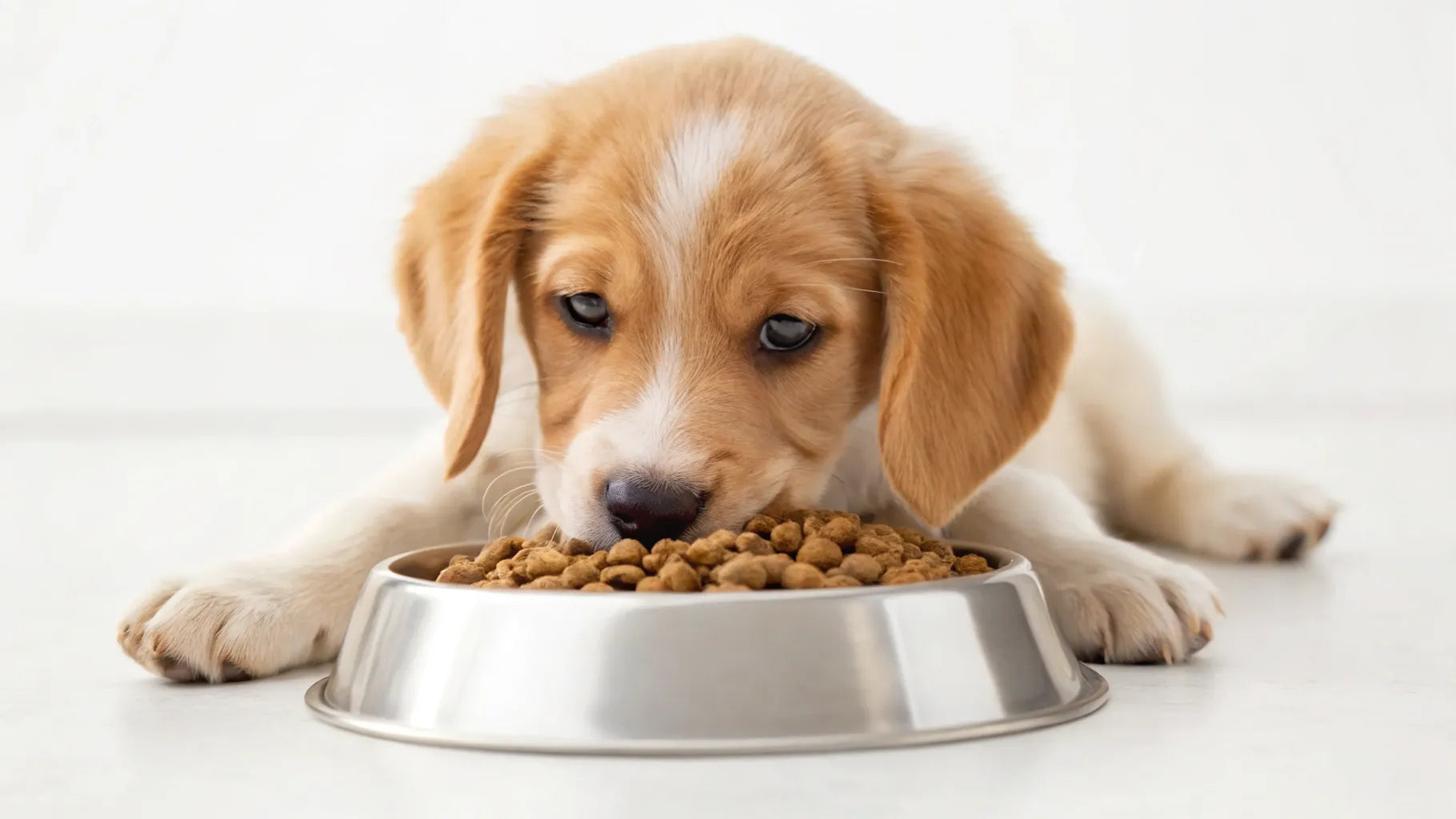
Credit: www.houndsy.com
Frequently Asked Questions
When Should Puppies Switch To Adult Dog Food?
Puppies generally transition to adult dog food between 9 to 12 months. Larger breeds may switch closer to 12 months, while smaller breeds may do so earlier. Consult your vet for the best timing based on your puppy’s breed and growth rate.
Why Is Timing Important For Switching Dog Food?
Proper timing ensures puppies get the right nutrients for growth. Switching too early or late can cause digestive issues or nutritional imbalances. It supports healthy development and maintains your dog’s energy and immune system.
How To Transition Puppies To Adult Dog Food?
Gradually mix adult food with puppy food over 7-10 days. Increase adult food portion slowly while reducing puppy food. This helps prevent stomach upset and allows your dog to adjust to the new taste and texture.
Can Feeding Adult Food Too Early Harm Puppies?
Yes, feeding adult dog food too early may lack essential growth nutrients. Puppies need higher protein and fat for development. Early switching can lead to poor growth, weak bones, and health problems. Always follow vet recommendations.
Conclusion
Puppies usually switch to adult dog food between 9 to 12 months. This change helps them get the right nutrients for their growth. Watch your dog’s size, activity, and health to decide the best time. Gradual changes avoid stomach problems.
Always choose quality food made for adult dogs. Your pet will feel stronger and healthier with the right diet. Keep checking with your vet for advice. Feeding your dog well supports a long, happy life. Easy steps lead to a smooth food transition.