Are you wondering when it’s time to switch your furry friend to adult dog food? Choosing the right moment can feel confusing, but it’s key to keeping your dog healthy and happy.
Feeding your dog the right food at the right age supports their growth, energy, and overall well-being. Keep reading to find out exactly when you should make the change and how to do it smoothly, so your dog gets the best nutrition every step of the way.
When To Switch To Adult Dog Food
Knowing the right time to switch your dog from puppy food to adult dog food is important. This change supports their growth and health. Feeding adult food too early or too late can affect their development. Watch your dog’s growth and behavior to decide the best time to switch.
Puppy Growth Stages
Puppies grow fast in the first year. Their nutritional needs change as they develop. From birth to about six months, puppies need special food rich in nutrients. Between six months and one year, growth slows down. Around one year old, many dogs reach adult size. This stage signals a good time to consider adult food.
Breed Size And Maturity
Small breeds mature faster than large breeds. Small dogs often reach adulthood by nine to twelve months. Large and giant breeds may take up to two years. Their slower growth means they need puppy food longer. Breed size affects when to switch food. Always check your breed’s typical growth timeline.
Signs Your Dog Is Ready
- Your dog stops growing in height and weight.
- Energy levels become steady, not hyperactive.
- Body shape looks leaner and more defined.
- Your vet confirms your dog’s maturity.
- Your dog finishes teething and adult teeth appear.
These signs help you decide if your dog can eat adult food. Consult your vet for the best advice.
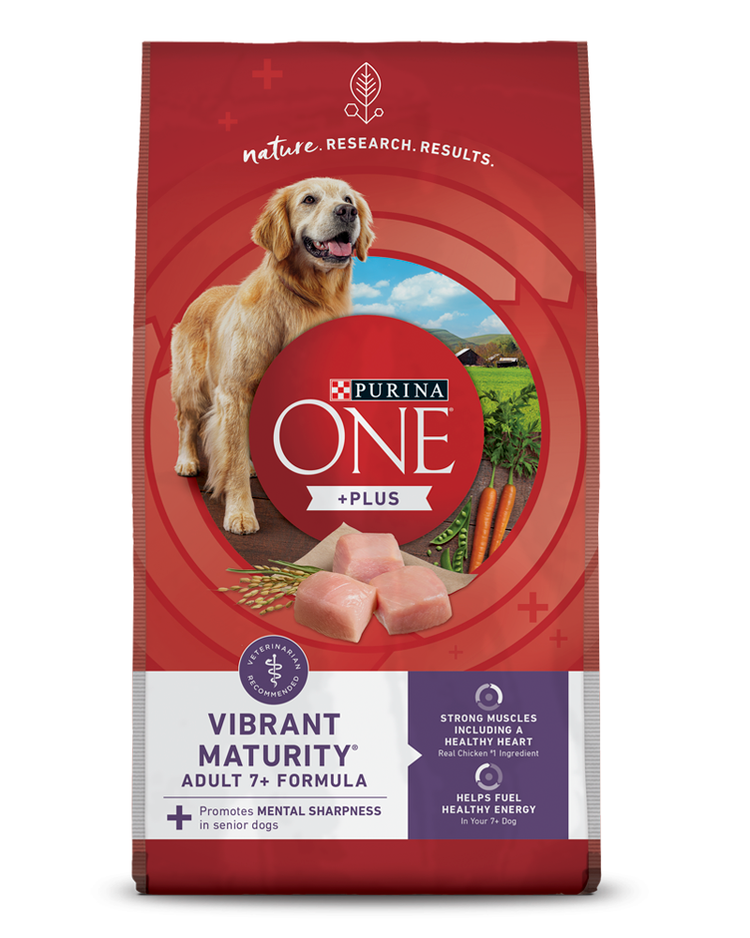
Credit: www.purina.com
Differences Between Puppy And Adult Food
Puppy food and adult dog food are designed for different life stages. Puppies need more energy and nutrients for growth. Adult dogs require balanced nutrition for maintenance and health. Feeding the right food supports your dog’s well-being and energy levels.
Nutritional Needs
Puppies need nutrients that support rapid growth. These include calcium and phosphorus for strong bones. Adult dogs need nutrients that help maintain body functions. Vitamins and minerals adjust according to their slower growth.
Calorie Content
Puppy food has more calories to fuel active growth. Adult dog food has fewer calories to prevent weight gain. Calorie control helps keep adult dogs healthy and fit. Overfeeding adult dogs can lead to obesity and health issues.
Protein And Fat Levels
Puppy food contains higher protein and fat levels. These help build muscles and provide energy. Adult dog food has moderate protein and fat to maintain weight. Balanced levels prevent problems like joint stress or excess fat.
Risks Of Feeding Adult Food Too Early Or Late
Feeding adult dog food too early can cause nutritional imbalances and slow growth. Waiting too long may lead to weight gain and digestive issues. Timing the switch carefully supports your dog’s health and energy levels.
Feeding your dog the right type of food at the right age is crucial for their health and well-being. Transitioning from puppy food to adult dog food at the appropriate time is important. Doing this too early or too late can lead to various health issues. Let’s explore the risks associated with feeding adult dog food at the wrong time.Nutritional Deficiencies
Puppies have different nutritional needs compared to adult dogs. Feeding them adult food too early can deprive them of essential nutrients. This might lead to developmental issues and weaken their immune system. On the other hand, delaying the switch can also be problematic. Adult dogs require different nutrient levels to maintain their health. Continuing with puppy food might result in an imbalance, affecting their energy levels and overall health.Obesity And Weight Issues
Puppy food is often richer in calories to support growth. If you feed this high-calorie food to an adult dog, it can lead to weight gain. Obesity in dogs can result in a range of health problems, including joint issues and heart disease. Conversely, switching to adult food too soon might leave a growing puppy without the energy they need. This can impact their growth and development, making it harder to catch up later.Digestive Problems
A sudden change in diet can upset your dog’s digestive system. If you transition to adult food too quickly, your dog might experience stomach upset. This can include symptoms like diarrhea or vomiting. Similarly, sticking with puppy food for too long can also cause digestive issues. Adult dogs might find it harder to digest the richer, denser puppy formula, leading to discomfort. Have you considered the specific needs of your pet during different life stages? Paying attention to these transitions can make a significant difference in your dog’s health. Make sure to consult with your veterinarian to determine the best time to switch to adult dog food.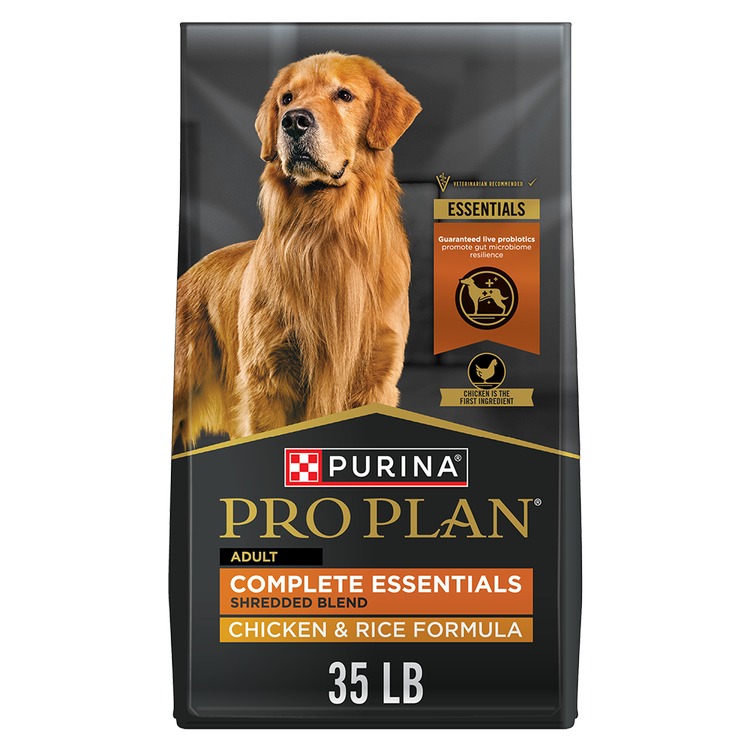
Credit: www.purina.com
How To Transition To Adult Dog Food
Switching your dog to adult food is a key moment in their growth. It’s not just about changing the bag of food; it’s about making sure your dog’s tummy and nutrition needs adjust smoothly. A sudden change can upset their digestion, so a careful approach helps your dog feel good and get the right nutrients.
Gradual Mixing Method
Start by mixing a small amount of adult dog food into your dog’s current food. You might try 25% adult food and 75% puppy food for a few days. Then, slowly increase the adult food portion while decreasing the puppy food over a week or two.
This slow change helps your dog get used to new flavors and textures without stomach upset. Have you noticed your dog turning their nose up at new food before? This method avoids that problem by easing the transition.
Monitoring Your Dog’s Response
Pay close attention to how your dog reacts during the transition. Watch for signs like vomiting, diarrhea, or loss of appetite. These can mean the change is too fast or the new food doesn’t agree with them.
Keep a journal or notes on your dog’s behavior and digestion. If you see any problems, slow down the transition or consult your vet. Remember, your dog’s comfort is just as important as feeding them the right nutrition.
Adjusting Portion Sizes
Adult dogs usually need fewer calories than puppies, so adjusting portion sizes is crucial. Check the feeding guidelines on the adult dog food package, but also consider your dog’s size, activity level, and weight.
If your dog starts gaining too much weight or seems hungry all the time, tweak the portions accordingly. Have you tried measuring your dog’s food instead of guessing? It can make a big difference in keeping them healthy and happy.
Special Considerations For Different Breeds
Different dog breeds have unique growth rates and nutritional needs. Feeding adult dog food at the right age depends on these breed-specific factors. Understanding these needs helps promote healthy development and longevity.
Small Breeds
Small breed dogs mature faster than larger breeds. They often need adult food around 9 to 12 months old. Their metabolism is faster, so they require calorie-dense food. Small breeds benefit from food rich in protein and fat. This supports their energy and muscle maintenance. Their smaller stomachs need nutrient-packed meals in smaller portions.
Large And Giant Breeds
Large and giant breeds grow more slowly and take longer to mature. They usually switch to adult food between 12 and 24 months. Feeding adult food too early can cause growth problems. These breeds need food with controlled calcium and phosphorus. This helps avoid joint and bone issues. Adult formulas for large breeds are lower in calories to prevent rapid weight gain.
Mixed Breeds
Mixed breed dogs have varied growth patterns depending on their lineage. Their adult food transition age can vary widely. Observe their size, weight, and energy levels for clues. Mixed breeds often do well with balanced adult dog food. Choose formulas that suit their size and activity level. Regular vet check-ups help decide the right time to switch food.
Consulting Your Veterinarian
Deciding when to switch your dog to adult food is important, but it’s not a one-size-fits-all answer. Your veterinarian knows your dog’s unique health needs and growth patterns. Consulting them can help you make the best choice for your furry friend’s diet transition.
Personalized Feeding Advice
Your dog’s breed, size, and activity level all play a role in determining the right time to switch to adult food. Your vet can offer tailored advice based on these factors. They might suggest a gradual transition over several weeks to avoid digestive upset.
Have you noticed changes in your dog’s energy or weight? Sharing these observations with your vet can refine the feeding plan. Personalized advice ensures your dog gets the right nutrients at the right time.
Health Checks Before Switching
Before changing diets, a vet visit can reveal underlying health issues. Conditions like allergies, digestive problems, or dental concerns might affect the type of adult food your dog needs. A quick health check ensures the new diet supports, rather than harms, your dog’s wellbeing.
Imagine switching to adult food only to find out your dog needs a special formula due to a health condition. Early detection through a vet check prevents such surprises. This step protects your dog’s health during the transition.
Dietary Supplements
Your vet might recommend adding supplements when moving to adult dog food. These could include omega-3 fatty acids for skin and coat health or glucosamine for joint support. Supplements fill nutritional gaps that the adult formula might not cover fully.
Have you ever wondered if your dog’s food alone is enough? A vet’s advice on supplements can optimize your dog’s diet. This ensures they stay healthy and active well into adulthood.

Credit: dogsauce.co
Frequently Asked Questions
When Should I Switch My Puppy To Adult Dog Food?
You should switch to adult dog food when your dog reaches 12 months. Large breeds may need adult food closer to 18 months. This timing supports their growth and health needs accurately.
Why Is Feeding Adult Dog Food Important At The Right Age?
Feeding adult dog food at the right age ensures proper nutrition. Puppies need growth-focused nutrients, while adults require maintenance diets. The switch helps avoid obesity and nutrient imbalances.
Can I Feed Adult Dog Food To A Puppy?
Feeding adult dog food to a puppy is not recommended. Puppies need higher calories and nutrients for growth. Adult dog food lacks these essential elements for healthy development.
How Do I Know If My Dog Is Ready For Adult Food?
Signs your dog is ready include reaching one year old and stable weight. Consult your vet to confirm breed-specific timing. Transition gradually over 7-10 days to avoid digestive upset.
Conclusion
Feeding your dog adult food at the right age helps keep them healthy. Most dogs switch around one year old, but check your vet’s advice. Watch your dog’s size, energy, and health to know the best time. Changing food too early or late can cause problems.
Good nutrition supports a happy, active life. Always choose quality food that fits your dog’s needs. Remember, each dog is different. Pay attention and adjust as needed for their well-being. Caring for your dog means feeding them right at every life stage.