
Are you wondering when it’s the right time to switch your dog to adult food? Feeding your furry friend the right diet at the right age is crucial for their health and happiness.
If you switch too early or too late, it could affect their growth, energy, and overall well-being. You’ll discover the signs to look for and the best age to make this important change. Keep reading to ensure your dog gets the nutrition they need exactly when they need it.
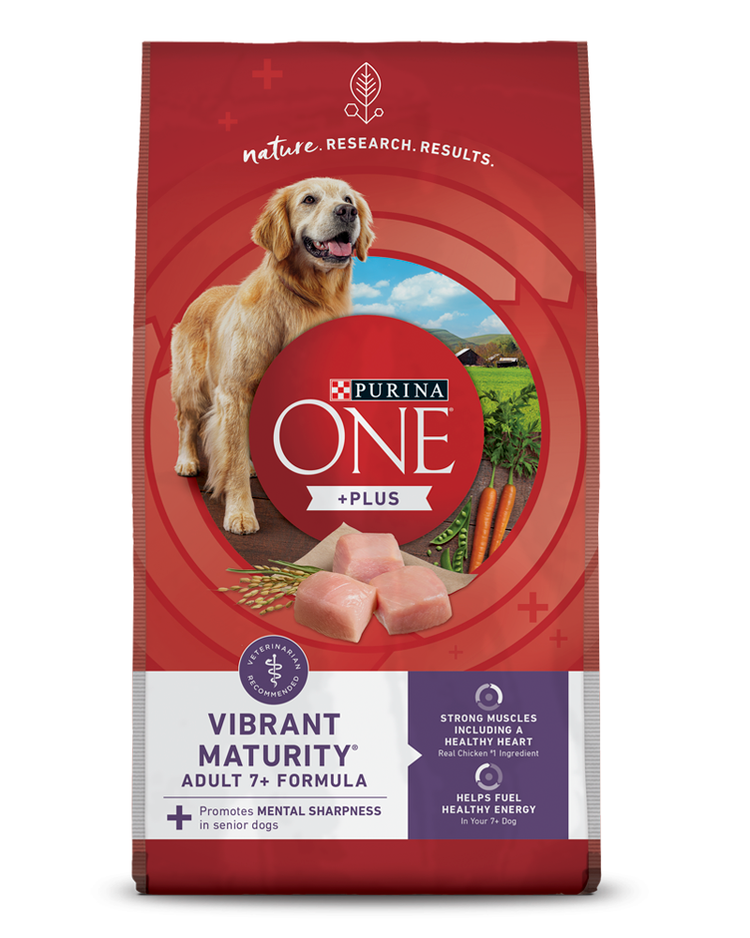
Credit: www.purina.com
When To Switch To Adult Dog Food
Knowing the right time to switch your puppy to adult dog food is crucial for their health and growth. Feeding adult food too early or too late can affect their development and energy levels. Let’s explore when your dog is ready for this important change and how breed size plays a role.
Age Guidelines By Breed Size
Different dog breeds grow at different rates, so age is a key factor in deciding when to switch to adult food. Small breeds mature faster, while larger breeds take more time to fully develop.
| Breed Size | Typical Age to Switch |
|---|---|
| Small Breeds (under 20 lbs) | 9 to 12 months |
| Medium Breeds (20 to 50 lbs) | 12 months |
| Large Breeds (50 to 100 lbs) | 12 to 18 months |
| Giant Breeds (over 100 lbs) | 18 to 24 months |
Take my Labrador Retriever, for example. He stayed on puppy food until nearly 18 months because large breeds need that extra time for bone growth. Rushing the switch would have risked joint problems later.
Signs Your Puppy Is Ready
Age is a useful guideline, but your puppy’s behavior and health offer clearer clues. Watch for changes in energy levels, appetite, and overall body condition.
- Decreased Growth Rate:If your puppy’s rapid growth starts slowing, it might be time to switch.
- Stable Weight:Consistent weight without sudden gains or losses signals readiness.
- Less Playful Energy:A slight drop in hyperactivity can mean their metabolism is shifting.
- Teeth Development:When adult teeth are mostly in, switching is safer.
Have you noticed your puppy’s appetite changing or their coat looking shinier? These subtle signals can confirm that adult food will better support their next stage. How closely have you observed your puppy’s growth milestones?
Differences Between Puppy And Adult Food
Understanding the differences between puppy and adult dog food is essential to provide your furry friend with the right nutrition at every stage of life. These differences go beyond just size or taste—they reflect the changing needs of your dog as it grows. Feeding your dog the correct type of food can support their health, energy, and overall well-being.
Nutritional Needs
Puppies need more protein and fat compared to adult dogs to support their rapid growth and development. Their food is often enriched with higher levels of calcium and phosphorus to build strong bones and teeth.
Adult dogs require balanced nutrition to maintain muscle mass and support normal activity levels. Their diets focus on maintaining health rather than growth, so excessive nutrients that puppies need can lead to weight gain or other issues in adults.
Calorie Requirements
Puppies burn more energy due to their active growth phase, so their food packs in more calories per serving. This extra energy helps them stay playful and develop properly.
Adult dogs typically need fewer calories since their growth slows and activity may stabilize. Overfeeding adult dog food can result in unwanted weight gain, affecting their health over time.
Ingredient Variations
Puppy foods often include ingredients like DHA, an omega-3 fatty acid important for brain and eye development. They may also have softer kibble to accommodate smaller mouths and developing teeth.
Adult dog foods focus on ingredients that support joint health, digestion, and maintain a healthy coat. You might notice added supplements like glucosamine or probiotics in adult formulas to support these needs.
Risks Of Early Or Late Transition
Transitioning a dog from puppy to adult food requires precise timing. The right balance ensures optimal health and growth. Switching too early or too late poses risks. Understanding these risks helps maintain your dog’s well-being.
Health Issues From Early Switching
Switching to adult food too soon affects a dog’s growth. Puppies need nutrients for development. Adult food lacks these essential nutrients. Bones and muscles may not develop properly. Puppies might face growth problems. A balanced diet supports their growing bodies.
Consequences Of Delayed Transition
Keeping a dog on puppy food too long can lead to obesity. Puppy food contains more calories. Adult dogs need fewer calories. Excess weight strains joints and organs. It may cause health problems like diabetes. Transitioning at the right time prevents these issues.
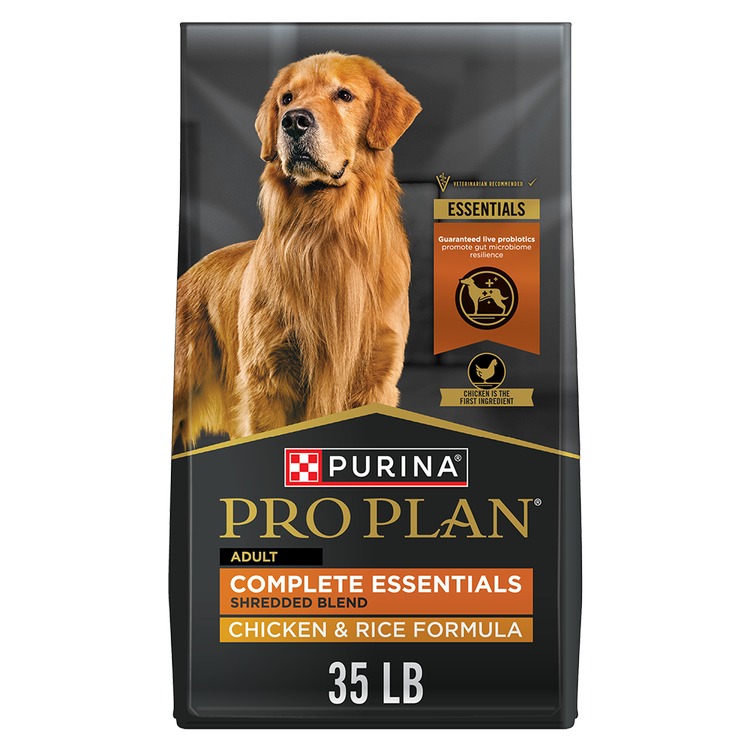
Credit: www.purina.com
How To Make The Transition Smooth
Changing your dog’s food from puppy to adult requires care. A smooth transition helps avoid tummy troubles. It also lets your dog adjust to new flavors and textures with ease. Taking time during this change supports your dog’s health and happiness.
Gradual Food Mixing
Start by mixing a small amount of adult food with the puppy food. Slowly increase the adult food portion over 7 to 10 days. This gradual change helps your dog’s stomach get used to the new diet. Avoid switching all at once to prevent digestion issues.
- Day 1-3: 75% puppy food, 25% adult food
- Day 4-6: 50% puppy food, 50% adult food
- Day 7-9: 25% puppy food, 75% adult food
- Day 10: 100% adult food
Monitoring Your Dog’s Reaction
Watch your dog closely during the switch. Check for signs like vomiting, diarrhea, or lack of appetite. Also note energy levels and mood changes. If problems arise, slow down the transition or consult a vet. Keeping a close eye ensures your dog stays healthy and happy.
Special Considerations For Different Breeds
Different dog breeds grow and mature at various rates. Feeding adult food too early or too late can affect their health. Understanding breed-specific needs helps in making the right choice for your dog’s diet.
Small Breeds
Small breed dogs mature faster than larger breeds. Most reach adulthood around 9 to 12 months. Switching to adult food at this time supports their energy and metabolism. Small breeds need nutrient-dense food because they burn calories quickly.
Large Breeds
Large breed dogs grow slower and take longer to mature. They usually need puppy food until 12 to 18 months old. Large breeds benefit from food with controlled calcium and phosphorus. This helps prevent joint problems during growth.
Giant Breeds
Giant breeds mature the slowest, often over 18 to 24 months. Feeding adult food too soon can cause growth issues. Puppy food with special nutrients supports healthy bone development. Careful monitoring of weight and growth is essential for these dogs.
Consulting Your Veterinarian
Consulting your veterinarian is key when deciding the right time to switch your dog to adult food. Each dog has unique needs based on breed, size, and health. A vet can provide tailored advice to keep your dog healthy and happy. They consider your dog’s growth rate, activity level, and any medical conditions. This professional guidance helps avoid nutrition problems during this important life stage.
Personalized Advice
Veterinarians assess your dog’s individual growth pattern. They recommend the best age to start adult food based on your dog’s breed and size. For example, small breeds mature faster than large breeds. Your vet may suggest different feeding times for puppies with special health needs. Personalized advice ensures your dog gets the right nutrients at the right time. It supports healthy development and long-term wellbeing.
When To Seek Professional Help
Watch for signs that your dog may need a diet change sooner or later. Consult a vet if you notice:
- Weight loss or gain
- Changes in energy levels
- Digestive problems
- Coat or skin issues
These signs may mean your dog’s current food is not meeting its needs. Your veterinarian can adjust the feeding plan to fit your dog’s health status. Regular check-ups help track growth and catch problems early. Always ask your vet before making big changes to your dog’s diet.
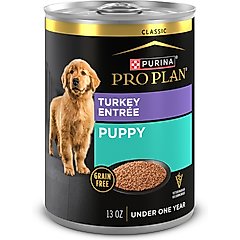
Credit: www.chewy.com
Frequently Asked Questions
When Should I Switch My Dog To Adult Food?
Switch your dog to adult food around 12 months old. Large breeds may need adult food closer to 18-24 months. This timing supports their growth and energy needs properly.
What Signs Indicate My Dog Needs Adult Food?
Signs include slowed growth, less puppy energy, and stable weight. If your dog seems less active or their puppy food isn’t satisfying, it’s time to switch.
Can Feeding Adult Food Too Early Harm My Puppy?
Yes, feeding adult food too early can cause nutrient deficiencies. Puppies need higher protein and calories for growth, which adult food lacks.
How Do I Transition My Dog To Adult Food?
Mix adult food with puppy food gradually over 7-10 days. This helps your dog adjust without digestive upset and ensures a smooth transition.
Conclusion
Feeding your dog adult food at the right time is very important. Most dogs switch around one year old, but breeds differ. Watch your dog’s size, energy, and health for clues. Consult your vet to choose the best food type.
Good nutrition helps your dog stay happy and strong. Remember, every dog grows at its own pace. Feeding adult food too early or late can cause problems. Keep your dog’s needs in mind for a healthy life. Simple care makes a big difference.