
Are you looking for the best homemade dog food recipes to keep your furry friend healthy and happy? Making your own dog food might seem tricky, but it’s easier than you think—and your pet will love the fresh, tasty meals you prepare.
You’ll discover simple, nutritious recipes that use everyday ingredients. By cooking at home, you control exactly what goes into your dog’s bowl, helping to avoid fillers and additives found in many store-bought options. Keep reading to find out how you can make delicious meals that your dog will wag their tail for every time.
Credit: mimisorganiceats.com
Benefits Of Homemade Dog Food
Feeding your dog homemade meals offers many benefits. It lets you provide fresh, wholesome food tailored to your pet’s needs. Homemade dog food can improve health, digestion, and energy levels. It also gives you peace of mind about what your dog eats daily.
Nutritional Advantages
Homemade dog food lets you choose high-quality ingredients. You can balance proteins, fats, and carbohydrates to suit your dog’s health. Fresh vegetables and meats supply essential vitamins and minerals. Homemade meals often lack preservatives and fillers found in store-bought food. This can lead to better digestion and stronger immunity.
Control Over Ingredients
Making dog food at home gives full control over what goes in the bowl. You avoid harmful additives, artificial colors, and chemicals. Homemade meals reduce the risk of allergies by excluding certain ingredients. You can customize recipes for dogs with special dietary needs. This control helps maintain your dog’s overall well-being.
Cost-effectiveness
Preparing dog food yourself can save money over time. Buying ingredients in bulk is often cheaper than commercial dog food. Homemade meals reduce the chance of costly vet visits caused by poor diet. You use simple, everyday ingredients that fit your budget. This approach offers both health and financial benefits for pet owners.
Credit: www.latimes.com
Essential Nutrients For Dogs
Feeding your dog homemade meals can be rewarding, but it’s crucial to get the nutrients right. Dogs need a balanced mix of proteins, fats, vitamins, minerals, carbohydrates, and fiber to stay healthy and energetic. Missing out on any essential nutrient might lead to health problems that you want to avoid.
Proteins And Fats
Proteins are the building blocks for your dog’s muscles, skin, and coat. Good sources include chicken, beef, turkey, and fish. Including fats is equally important since they provide energy and support brain function.
Try adding fish oil or flaxseed oil to your dog’s meal for healthy omega-3 fats. Have you noticed how your dog’s energy levels change when you adjust their protein and fat intake?
Vitamins And Minerals
Vitamins and minerals help keep your dog’s immune system strong and bones healthy. Fresh vegetables like carrots, spinach, and pumpkin are great sources. Don’t forget to add a pinch of calcium, which can come from crushed eggshells or plain yogurt.
Pay attention to the balance—too much or too little of certain vitamins can cause issues. Are you confident your homemade recipe covers the right vitamin and mineral mix for your dog?
Carbohydrates And Fiber
Carbohydrates give your dog quick energy and fiber aids digestion. Brown rice, sweet potatoes, and oats are excellent carbohydrate sources. Including fiber-rich ingredients like pumpkin or green beans can help maintain regular bowel movements.
Think about how different carbs affect your dog’s digestion and energy throughout the day. Have you noticed any digestive changes when you added or removed certain carbs from your dog’s diet?
Safe Ingredients For Dog Meals
Creating homemade meals for your dog can be a rewarding task. It’s essential to use safe ingredients to ensure your pet’s health. Understanding what to include is key to making balanced meals. Let’s explore some safe options for your furry friend.
Lean Meats And Fish
Lean meats provide essential proteins. Chicken, turkey, and beef are excellent choices. Ensure they’re cooked well to kill harmful bacteria. Fish is also a great source of omega-3 fatty acids. Salmon and whitefish are safe options. Remove all bones before serving.
Vegetables And Fruits
Vegetables offer vitamins and minerals. Carrots, peas, and sweet potatoes are dog-friendly. They can be boiled or steamed for easy digestion. Fruits like apples and blueberries make nutritious treats. Always remove seeds and pits.
Grains And Supplements
Grains are a good energy source. Brown rice, quinoa, and oats are easily digestible. Some dogs may require supplements for complete nutrition. Omega-3 and calcium are common needs. Consult with your vet for specific recommendations.
Easy Homemade Dog Food Recipes
Easy homemade dog food recipes make mealtime simple and healthy. They use common ingredients found in most kitchens. These recipes are gentle on your dog’s stomach and full of nutrients. Preparing food at home lets you control what your dog eats. This helps avoid fillers and artificial additives often found in commercial dog food.
Try these recipes to provide tasty, balanced meals. They are quick to cook and easy to store. Your dog will enjoy the fresh flavors and wholesome ingredients.
Chicken And Rice Delight
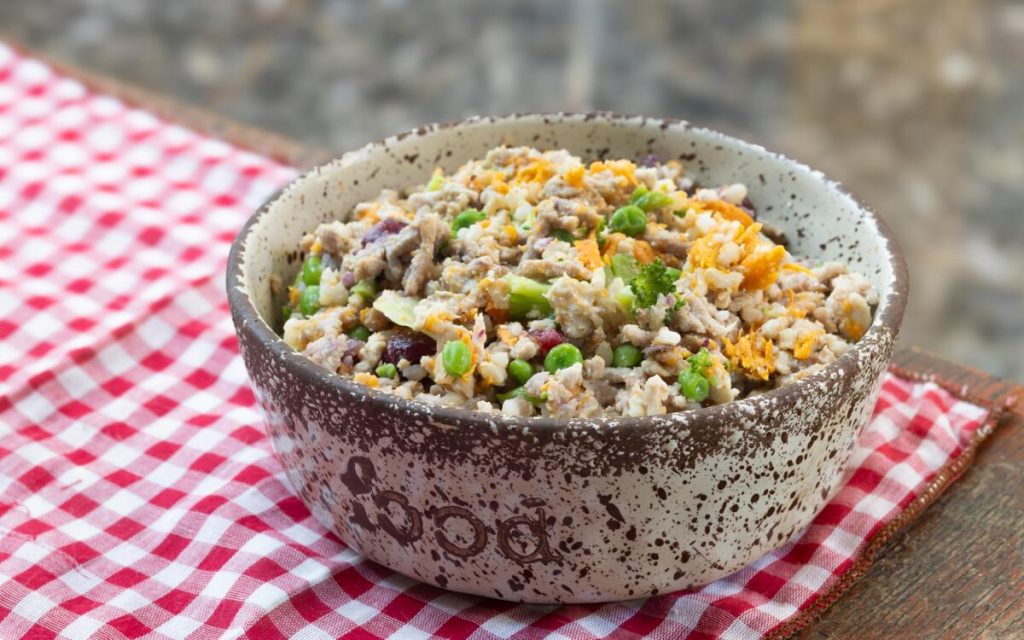
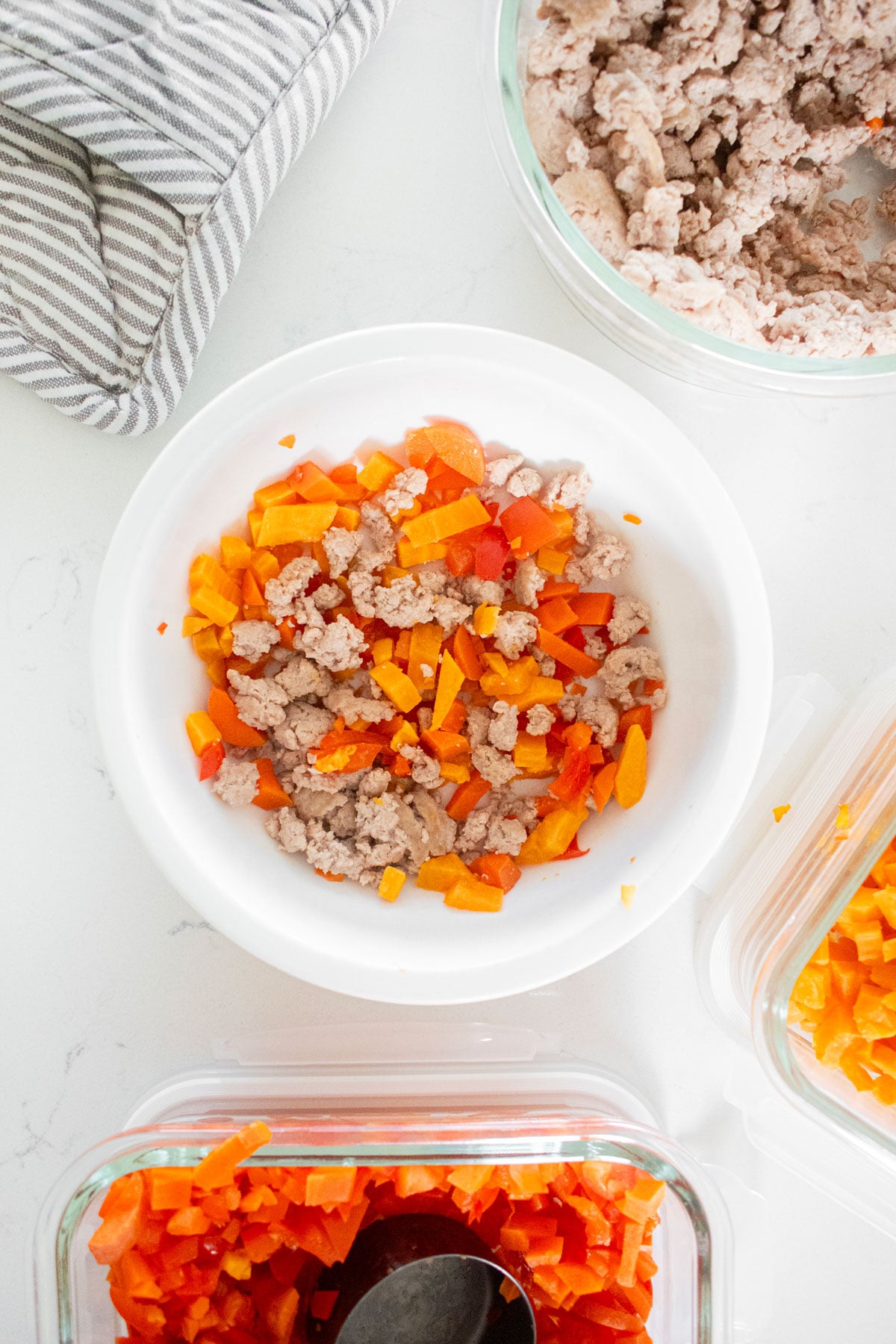
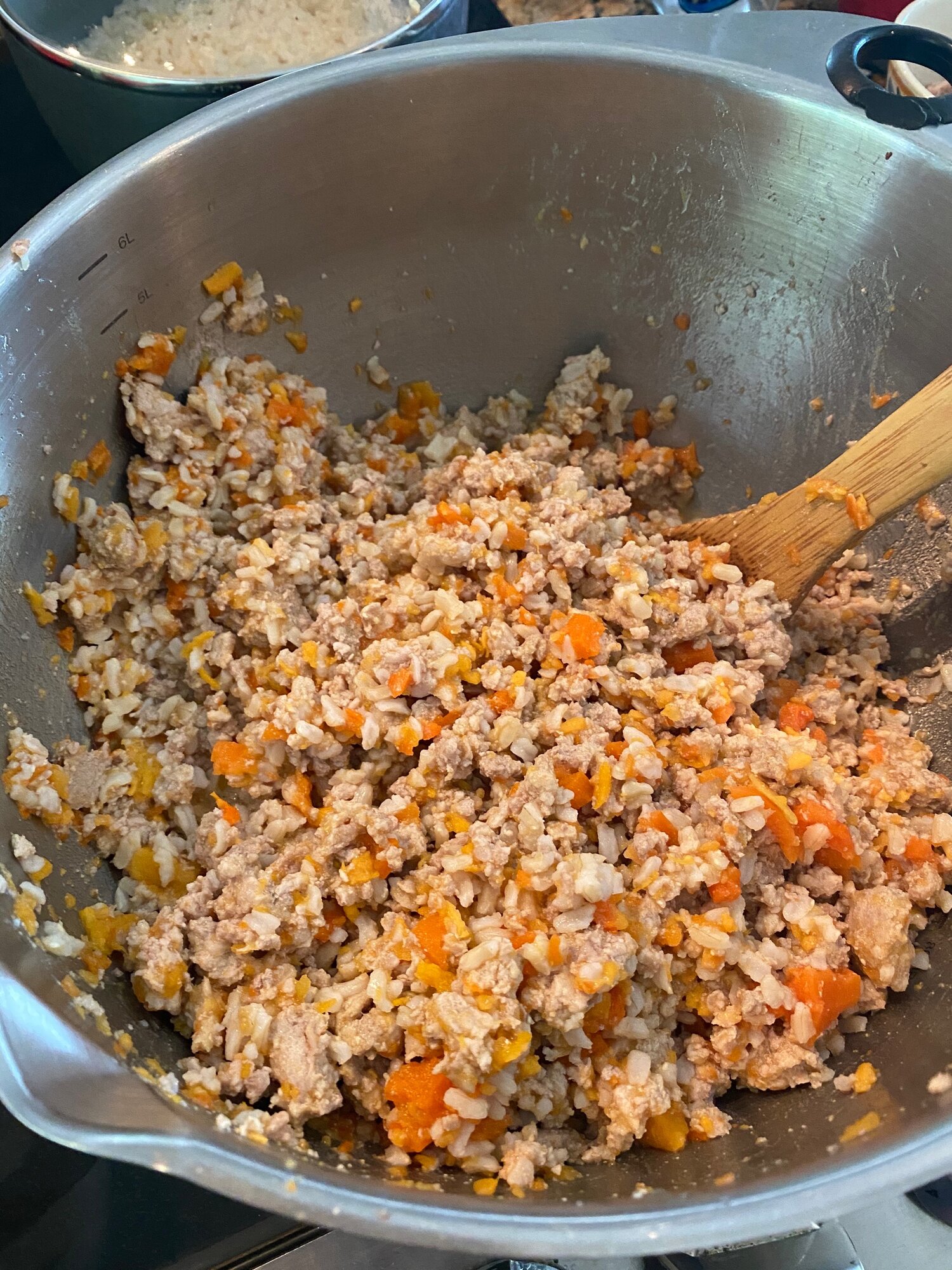
This recipe is gentle and easy to digest. Use skinless chicken breasts and white rice. Boil chicken until fully cooked, then shred it. Cook rice separately until soft. Mix chicken and rice together. Add a small amount of cooked carrots for extra vitamins.
Beef And Vegetable Stew
Ground beef works well for this hearty stew. Brown the beef in a pan until no pink remains. Add chopped green beans, peas, and carrots. Simmer all ingredients in water until vegetables soften. Let the stew cool before serving. This meal provides protein and fiber your dog needs.
Turkey And Sweet Potato Mash
Use ground turkey as a lean protein source. Cook turkey thoroughly in a pan. Boil sweet potatoes until tender. Mash the sweet potatoes to a smooth texture. Mix turkey with mashed sweet potatoes. This recipe is rich in vitamins and perfect for picky eaters.
Tips For Preparing Dog Food At Home
Preparing homemade dog food can be incredibly rewarding, but it requires careful attention to ensure your dog gets the right nutrients in every meal. Small mistakes in cooking or portioning can affect your pet’s health, so it’s important to handle each step with care. Here are some practical tips to help you make the best meals for your furry friend.
Cooking Methods To Retain Nutrients
Choosing the right cooking method can make a big difference in preserving the nutrients in your dog’s food. Steaming vegetables instead of boiling them keeps more vitamins intact. Baking or lightly sautéing meats helps retain protein without losing moisture.
Have you noticed how some foods lose their flavor when overcooked? Dogs are no different—they benefit from meals cooked just enough to be safe but still rich in nutrients. Avoid frying or using heavy oils, which can add unnecessary fats and calories.
Proper Portion Sizes
Figuring out the right portion size is key to keeping your dog healthy and happy. Overfeeding can lead to weight gain, while underfeeding might cause nutrient deficiencies. Use your dog’s weight, age, and activity level as a guide to tailor their meal size.
One practical approach is to split the daily food amount into two or three meals. This keeps energy levels steady and helps with digestion. You can use a kitchen scale or measuring cups to keep portions consistent and avoid guesswork.
Storage And Shelf Life
Making dog food at home means you also need to think about how to store it safely. Freshly cooked meals should be refrigerated and used within three to four days to prevent spoilage. If you want to prepare larger batches, freezing portions is a good option.
Label containers with the date you made the food to keep track of freshness. When thawing frozen meals, do so in the refrigerator rather than at room temperature to keep bacteria at bay. Have you considered how your storage habits might affect your dog’s health?
Foods To Avoid For Dogs
Knowing what foods to avoid is just as important as choosing the right ingredients for your dog’s homemade meals. Certain items can cause serious health problems or allergic reactions, even in small amounts. Protecting your furry friend starts with recognizing these hidden dangers in everyday foods.
Toxic Ingredients
Some common kitchen staples can be deadly to dogs. Ingredients like chocolate, grapes, raisins, and onions contain substances that damage your pet’s organs or nervous system.
Even a tiny bit of xylitol, an artificial sweetener found in sugar-free gum and baked goods, can cause a sudden drop in blood sugar and liver failure. You might think feeding your dog table scraps is harmless, but these toxic ingredients can sneak in unnoticed.
Common Allergens
Just like people, dogs can have food allergies that trigger itching, digestive upset, or ear infections. Common culprits include beef, dairy, wheat, and chicken.
Pay close attention if your dog shows signs of discomfort after eating. Swapping out suspect ingredients for novel proteins like duck or venison can help you pinpoint what causes reactions.
Harmful Additives
Processed foods often contain preservatives, artificial colors, and flavor enhancers that don’t belong in your dog’s diet. These additives can cause digestive issues or long-term health problems.
Always check labels for sodium nitrate, BHA, BHT, and other chemicals. Choosing fresh, whole ingredients lets you control exactly what your dog eats and avoids unnecessary risks.
Customizing Recipes For Special Needs
Customizing homemade dog food recipes helps meet your pet’s unique health needs. Dogs vary in age, size, and health conditions. Tailoring meals ensures they get the right nutrients. Special needs like age, weight, or allergies require specific ingredients and portions. This keeps your dog healthy, happy, and active.
Puppies And Senior Dogs
Puppies need extra protein and calories to grow strong. Include lean meats, eggs, and healthy fats. Offer small, frequent meals for better digestion. Senior dogs benefit from easy-to-digest foods. Add joint-supporting ingredients like fish oil and turmeric. Lower calorie foods help prevent weight gain in older dogs.
Weight Management
Control calories for dogs needing weight loss or maintenance. Use lean proteins such as chicken breast or turkey. Add plenty of fiber-rich vegetables like green beans and carrots. Avoid high-fat ingredients and treats. Portion control is key. Measure meals to prevent overeating and keep weight steady.
Allergy-friendly Options
Identify your dog’s allergens through testing or elimination diets. Use novel proteins like duck, rabbit, or venison. Substitute grains with sweet potatoes or quinoa. Avoid common allergens like wheat, corn, and soy. Cook ingredients separately to avoid cross-contamination. Simple recipes reduce allergy risks and improve digestion.
Consulting Your Veterinarian
Consulting your veterinarian is essential before switching to homemade dog food. Each dog has unique needs and health conditions. A vet’s guidance helps create a diet that supports your dog’s well-being.
Veterinarians can provide advice on ingredients and portion sizes. They ensure your dog gets all necessary nutrients for strong health. Regular check-ups help track your dog’s response to the new diet.
Nutritional Balance Checks
Your vet evaluates the homemade recipes for proper nutrition. Dogs need a balance of proteins, fats, vitamins, and minerals. Too much or too little of any nutrient can cause health problems.
Blood tests and physical exams verify your dog’s nutrient levels. Your vet may suggest supplements or ingredient changes to fix imbalances. This step prevents long-term deficiencies or excesses.
Monitoring Health Changes
After changing your dog’s diet, monitor their health closely. Watch for weight changes, energy levels, and digestion issues. Your vet can identify subtle signs that you might miss.
Regular vet visits help catch problems early. Adjustments can be made before any serious health issues develop. Keeping a health journal can help track these changes.
Adjusting Diet Plans
Veterinarians help tailor diet plans to your dog’s evolving needs. Puppies, adults, and senior dogs require different nutrients and calories. Illnesses or allergies may require special diets.
Your vet may recommend rotating ingredients or adding supplements. They help maintain a balanced, tasty, and safe homemade meal plan. Flexibility and professional advice ensure your dog thrives.
Credit: mudpuddlesandmotherhood.com
Frequently Asked Questions
What Ingredients Are Best For Homemade Dog Food?
High-quality protein like chicken or beef, vegetables like carrots and peas, and grains like brown rice are ideal. Always ensure ingredients are fresh, balanced, and safe for dogs to support their health and energy.
How Do I Ensure Homemade Dog Food Is Balanced?
Include protein, carbohydrates, fats, vitamins, and minerals in the right proportions. Consulting a vet or pet nutritionist helps create a diet that meets your dog’s specific needs and avoids nutritional deficiencies.
Can Homemade Dog Food Help With Allergies?
Yes, homemade dog food allows control over ingredients, reducing allergens. Using limited, hypoallergenic ingredients can prevent reactions and improve your dog’s skin and coat health.
How Much Homemade Food Should I Feed My Dog?
Feed based on your dog’s weight, age, and activity level. Typically, 2-3% of their body weight per day is a good starting point, divided into two meals.
Conclusion
Homemade dog food recipes can keep your pet happy and healthy. They offer fresh ingredients and control over what your dog eats. Simple recipes with meat, veggies, and grains work well. Always check with your vet before changing your dog’s diet.
Cooking at home shows love and care for your furry friend. Try different recipes to find what your dog enjoys most. Healthy meals help your dog stay active and strong every day. Making food at home saves money and avoids fillers.
A small effort makes a big difference in your dog’s life.