

Are you curious about feeding your dog a raw food diet but unsure where to start? Choosing the best raw food diet for your dog can feel overwhelming with so many options and opinions out there.
You want to give your furry friend the healthiest, most natural meals possible, but what does that really mean? You’ll discover clear, simple answers that help you make the right choice for your dog’s unique needs. Keep reading to unlock the secrets of a raw food diet that can boost your dog’s energy, improve their coat, and support their overall health.
Your dog deserves the best—let’s find it together.
Benefits Of Raw Food Diet
Switching your dog to a raw food diet can bring several noticeable benefits that improve their overall health and happiness. Many pet owners have seen their dogs transform with just a change in what they eat. Are you ready to discover how raw food can make a difference in your dog’s life?
Improved Digestion And Nutrient Absorption
Raw food is closer to what dogs would naturally eat in the wild, which makes it easier for their digestive systems to break down. This means your dog can absorb more vitamins and minerals from their meals. You might notice fewer digestive issues like gas, bloating, or loose stools once your dog adjusts to raw food.
Enhanced Coat And Skin Health
Feeding raw food often leads to a shinier, softer coat and healthier skin. The natural oils and essential fatty acids in raw meats support skin hydration and reduce itching or dryness. Have you ever seen your dog’s fur transform after a diet change? Many owners report a visible difference within weeks.
Increased Energy And Vitality
Dogs on a raw food diet often show higher energy levels and better stamina. The fresh, nutrient-rich ingredients provide fuel that processed foods can’t match. You might find your dog more playful and eager for walks, showing a zest for life that surprises you.
Stronger Immune System
A diet rich in natural enzymes and antioxidants helps boost your dog’s immune system. This means fewer illnesses and quicker recovery times. Have you noticed your dog getting sick less often or bouncing back faster? That could be the power of raw nutrition at work.
Key Components Of Raw Diets
The key components of a raw food diet for dogs are essential to ensure your pet receives balanced nutrition. Each element plays a specific role in keeping your dog healthy, active, and happy. Understanding these components helps you create meals that support your dog’s natural dietary needs.
Muscle Meat And Organs
Muscle meat is the foundation of a raw diet, providing high-quality protein that fuels your dog’s energy and muscle maintenance. Including organ meats like liver and kidneys is crucial because they supply vital nutrients such as vitamins A, B, and iron. You might be surprised how much organ meats contribute to your dog’s overall health—they’re like a natural multivitamin.
Bones And Calcium Sources
Raw, edible bones offer calcium and phosphorus, which are important for strong teeth and bones. It’s important to choose the right size and type of bones to avoid choking hazards or splintering. Many dog owners find that ground bone or bone meal can be a safer alternative while still delivering the necessary minerals.
Fruits And Vegetables
Adding fruits and vegetables provides fiber, antioxidants, and additional vitamins. Not all produce is safe for dogs, so stick to dog-friendly options like carrots, blueberries, and spinach. Have you noticed how some dogs love crunching on raw veggies? It’s a natural way to keep their digestive system moving smoothly.
Supplements And Additives
Sometimes, even a well-rounded raw diet needs a little boost. Supplements like fish oil for omega-3 fatty acids or probiotics for gut health can fill nutritional gaps. Before adding anything, ask yourself if your dog’s diet covers all bases—sometimes a simple tweak can make a big difference.
Popular Raw Food Diet Types
Choosing the right raw food diet for your dog can be challenging. There are several popular types, each with unique benefits. Understanding these options helps you make an informed choice.
Barf Diet
BARF stands for Biologically Appropriate Raw Food. It includes raw meat, bones, fruits, and vegetables. This diet aims to mimic a dog’s natural eating habits. Many believe it enhances dogs’ health and vitality. It’s crucial to balance nutrients in this diet.
Prey Model Raw Diet
This diet mimics what wild dogs eat. It consists of whole prey animals. It includes meat, organs, and bones, without fruits or vegetables. Supporters say it closely resembles a dog’s natural diet. It’s vital to ensure nutritional balance in this diet.
Commercial Raw Food
Commercial raw food is convenient. It comes pre-packaged and ready to serve. These products are often balanced and tested for safety. They offer a quick option for busy pet owners. Check for reputable brands and quality ingredients.
Homemade Raw Diet
Many pet owners prefer homemade raw diets. They control all ingredients and preparation methods. This option requires careful planning and research. Ensuring a balanced diet is essential. Consult a vet or pet nutritionist for guidance.
Choosing The Right Raw Food
Choosing the right raw food for your dog is important for their health. It means picking ingredients that meet their unique needs. Raw food should be safe, nutritious, and balanced. This helps your dog stay active and happy.
Assessing Your Dog’s Needs
Every dog is different. Age, size, breed, and health affect their diet. Puppies need more protein for growth. Older dogs may need fewer calories. Active dogs burn more energy and need more food. Talk to your vet about your dog’s specific needs.
Quality And Source Of Ingredients
Good raw food starts with good ingredients. Choose fresh, clean meat and vegetables. Avoid meat from unknown sources. Organic or grass-fed meats usually have fewer chemicals. Check labels for additives or fillers. Fresh ingredients help prevent illness and improve digestion.
Balancing Nutrients Properly
A balanced diet includes protein, fat, vitamins, and minerals. Raw food should have muscle meat, bones, and organs. Vegetables add fiber and nutrients. Use a variety of ingredients to cover all needs. Too much or too little of one nutrient can cause problems.
Avoiding Common Mistakes
- Don’t feed only muscle meat; bones and organs matter.
- Avoid seasoning or cooked bones; they can harm dogs.
- Do not neglect hygiene; clean all surfaces and bowls.
- Introduce new foods slowly to avoid upset stomach.
- Never feed spoiled or frozen-thawed food without proper care.
Transitioning To Raw Food
Switching your dog to a raw food diet can be a big change for both of you. It’s not just about swapping kibble for raw meat; it’s about helping your dog’s body adjust smoothly to a new way of eating. Taking it slow and watching your dog closely during this time will make the transition easier and safer.
Gradual Introduction Tips
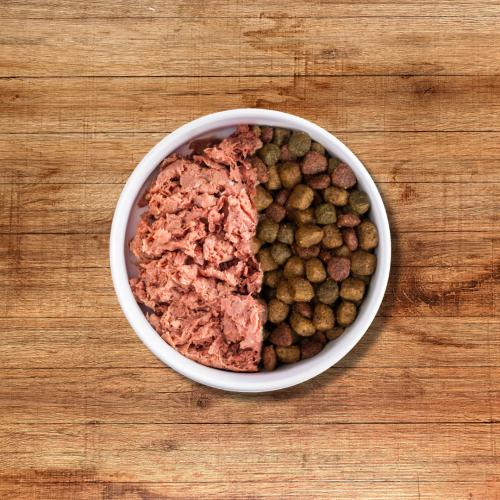
Start by mixing a small amount of raw food into your dog’s regular meals. You might begin with just 10% raw food and increase it gradually over two to four weeks. This helps your dog’s digestive system get used to the new diet without overwhelming it.
Try different types of raw ingredients like ground meat, bones, and organ meats in small amounts. Keep the portions consistent and watch for any signs of refusal or distress. Have you noticed your dog’s favorite treats making the switch easier or harder?
Monitoring Health And Behavior
Pay close attention to your dog’s energy levels, coat condition, and stool quality. Changes here can tell you how well your dog is adapting to the raw diet. Keep a daily journal to track any shifts in behavior or appetite—it can reveal patterns you might otherwise miss.
If your dog becomes lethargic or shows signs of discomfort, it could be a signal to slow down the transition. On the other hand, increased vitality and shinier fur are good signs that the raw diet suits your dog.
Dealing With Digestive Changes
Expect some digestive adjustments like softer stools or mild diarrhea during the first few weeks. These are common as your dog’s gut gets used to digesting raw proteins and fats. Adding plain pumpkin or probiotics can help soothe the digestive tract.
Sometimes, you might see an increase in gas or a temporary decrease in appetite. These usually resolve quickly but keep an eye on your dog’s comfort. How do you respond when your dog’s tummy feels unsettled—do you adjust the diet or seek advice?
When To Consult A Vet
If your dog shows persistent vomiting, diarrhea lasting more than a week, or signs of weakness, contact your vet immediately. Raw diets require careful balance to avoid nutritional gaps or foodborne illnesses. Your vet can guide you on supplements or adjustments needed.
Regular check-ups during the transition period are also a good idea. They allow your vet to monitor your dog’s health and ensure the raw food diet is meeting all nutritional needs without causing harm.

Credit: www.meetmaev.com
Safety And Hygiene Tips
Feeding your dog a raw food diet can offer many benefits, but safety and hygiene must be your top priorities. Handling raw ingredients carefully reduces health risks for both your pet and your family. Let’s look at practical tips to keep your dog’s meals safe and fresh.
Handling Raw Meat Safely
Always wash your hands thoroughly before and after touching raw meat. Use separate utensils and cutting boards exclusively for your dog’s food to avoid mixing with human meals.
Consider wearing disposable gloves if you handle raw meat frequently. This extra step can protect you from harmful bacteria without much hassle.
Preventing Cross-contamination
Keep raw meat away from other foods in your kitchen. Clean all surfaces with hot, soapy water immediately after preparing your dog’s meals.
Don’t reuse marinades or sauces that have touched raw meat. Using different containers for raw and cooked foods prevents dangerous germs from spreading.
Storage Guidelines
- Store raw meat in sealed containers or tightly wrapped to prevent leaks.
- Keep it in the coldest part of your fridge or freezer to slow bacterial growth.
- Label packages with dates to use the oldest meat first and avoid spoilage.
Have you ever found spoiled meat hidden in the back of your fridge? Clear labeling and smart storage can save you from that unpleasant surprise.
Recognizing Signs Of Illness
Watch your dog closely for changes after introducing raw food. Signs like vomiting, diarrhea, or lethargy can indicate a problem.
If your pet shows symptoms, stop the raw diet and consult your vet immediately. Early action can prevent serious health issues.
Myths And Facts About Raw Feeding
Raw feeding for dogs sparks plenty of debate. You might hear strong opinions that confuse more than clarify. Sorting through myths and facts helps you decide what truly benefits your dog’s health.
Debunking Common Misconceptions
Many believe raw diets cause dangerous bacterial infections in dogs. While improper handling can pose risks, careful preparation reduces those risks significantly. Just like you wash fruits and vegetables to avoid germs, you can safely prepare raw meals for your dog.
Another myth says raw diets lack necessary nutrients. Actually, a well-balanced raw diet includes essential vitamins, minerals, and protein. You can add organ meats, bones, and fresh vegetables to cover all bases, ensuring your dog’s nutritional needs are met.
Scientific Evidence Supporting Raw Diets
Research shows raw feeding can improve coat shine, energy levels, and digestion. One study found dogs on raw diets had better stool quality and fewer allergies. These results suggest raw food can positively impact your dog’s overall wellness.
However, raw diets aren’t a magic fix for every dog. Some dogs with specific health issues might need tailored nutrition. Have you noticed changes in your dog’s health after switching diets? That real-world feedback is valuable alongside scientific studies.
Addressing Health Concerns
Worries about choking on bones or nutrient imbalances are common. Choosing appropriate-sized raw bones and supervising your dog during meals helps prevent choking hazards. Consulting with a vet or canine nutritionist ensures your dog’s diet stays balanced and safe.
Concerns about parasites or pathogens can be managed with high-quality sourcing and freezing meat before feeding. Have you ever considered how vets recommend cooking meat for humans but often suggest raw for dogs? Understanding these differences helps you make informed choices.
Credit: wefeedraw.com

Credit: www.youtube.com
Frequently Asked Questions
What Is A Raw Food Diet For Dogs?
A raw food diet consists of uncooked meat, bones, fruits, and vegetables. It mimics a dog’s natural ancestral diet and promotes better health and digestion.
What Are The Benefits Of A Raw Food Diet?
Raw diets can improve coat shine, increase energy, enhance digestion, and reduce allergies. They provide natural nutrients without additives or preservatives.
Is A Raw Food Diet Safe For All Dogs?
Most healthy dogs can handle raw diets, but puppies, seniors, and dogs with health issues need vet consultation. Proper hygiene and balanced nutrition are essential.
How Do I Start My Dog On A Raw Diet?
Start gradually by mixing raw food with current food over 7-10 days. Monitor your dog’s reaction and adjust portions to meet nutritional needs.
Conclusion
Choosing the best raw food diet for dogs supports their health well. Fresh ingredients provide essential nutrients naturally. Dogs often enjoy the taste and variety of raw meals. Careful preparation keeps meals safe and balanced. Consult your vet to tailor the diet to your dog’s needs.
A good raw diet can improve energy, coat, and digestion. Remember, every dog is different and may need adjustments. Start slowly and watch for changes in health and behavior. A thoughtful approach helps your dog thrive with raw food.

