
Are you wondering how much raw food your dog should eat each day? Feeding your dog the right amount is key to keeping them healthy and happy.
Too little, and they might not get enough nutrients; too much, and they could gain unwanted weight. You’ll discover simple guidelines to help you find the perfect daily portion of raw food for your furry friend. Keep reading to learn how to make feeding time both healthy and stress-free for you and your dog.

Credit: gorawpetfood.com
Daily Raw Food Needs
Understanding your dog’s daily raw food needs is essential for their health. Dogs require the right amount of nutrients to stay active and strong. Feeding the correct weight of raw food helps maintain a healthy weight and supports overall well-being. The exact quantity depends on several factors that influence your dog’s energy and metabolism.
Factors Influencing Quantity
Age, metabolism, and health conditions affect how much food your dog needs. Puppies usually need more food for growth, while older dogs require less. Dogs with health issues may need a special diet with adjusted portions. The quality of the raw food also matters; nutrient-rich food can mean smaller portions.
Activity Level Impact
Active dogs burn more calories and need more food to fuel their energy. Working dogs, athletes, or those that exercise daily require larger portions. Less active or indoor dogs need less to avoid gaining extra weight. Matching food quantity to activity keeps your dog fit and energetic.
Breed And Size Considerations
Small breeds have faster metabolisms and often need more food per pound of body weight. Large breeds digest food slower and require balanced portions to avoid weight issues. Medium breeds fall between these two extremes. Breed-specific needs can guide portion sizes and feeding frequency.
Calculating The Right Amount
Feeding your dog the right amount of raw food daily is crucial for their health. The correct portion supports energy, growth, and overall well-being. Calculating the right amount depends on several factors like body weight, age, and health status. Understanding these factors helps you provide balanced nutrition without overfeeding or underfeeding.
Using Body Weight As A Guide
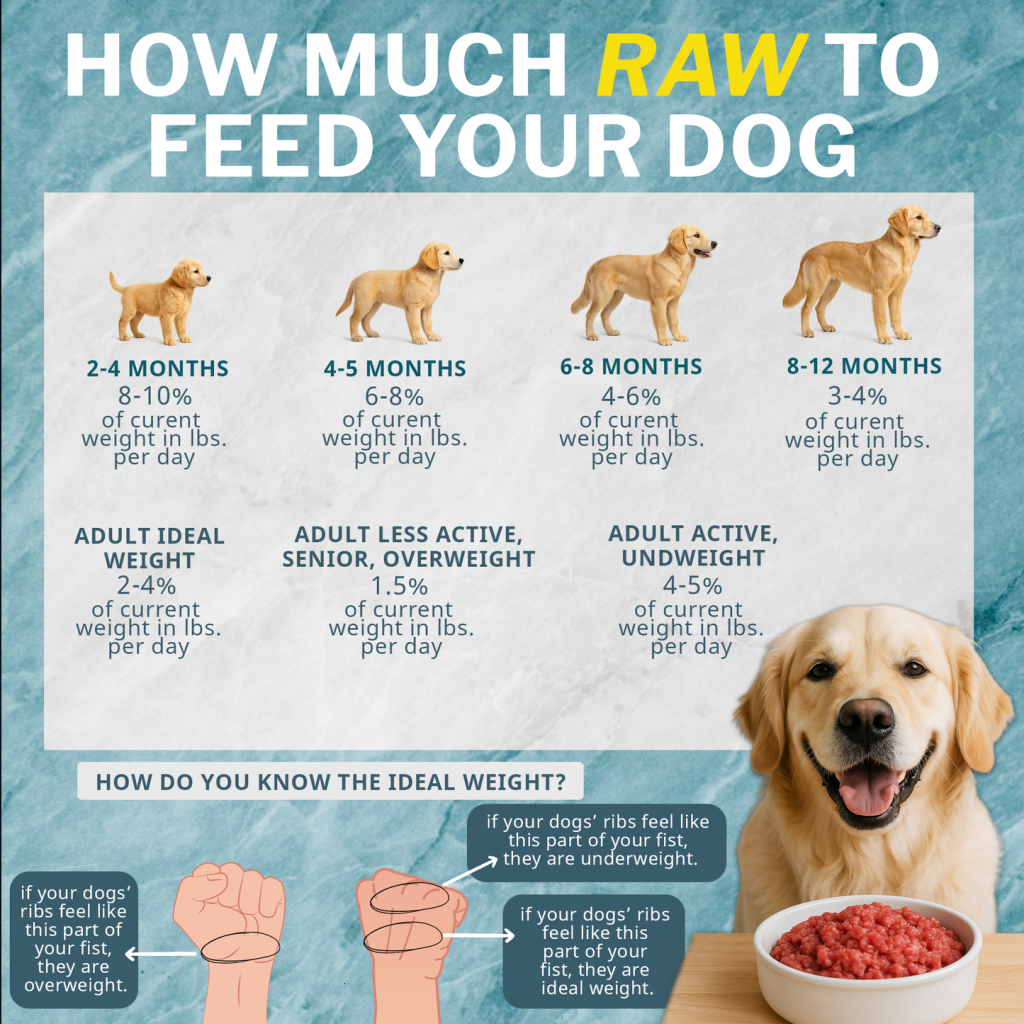
Body weight is the main factor in determining daily raw food portions. Most dogs need between 2% to 3% of their body weight in raw food each day. For example, a 20-pound dog usually eats about 0.4 to 0.6 pounds of raw food daily. This range varies based on activity levels and metabolism. Start with 2.5% of the dog’s weight and adjust as needed.
Adjusting For Age And Health
Puppies and young dogs need more food for growth and energy. They may require up to 5% of their body weight daily. Older dogs or those with low activity need less food, around 1.5% to 2%. Dogs with health issues might need special portions. Always check with a vet to tailor the diet to your dog’s needs.
Portion Size Examples
| Dog Weight | Daily Raw Food (2%) | Daily Raw Food (3%) |
|---|---|---|
| 10 lbs | 0.2 lbs (3.2 oz) | 0.3 lbs (4.8 oz) |
| 30 lbs | 0.6 lbs (9.6 oz) | 0.9 lbs (14.4 oz) |
| 50 lbs | 1.0 lbs (16 oz) | 1.5 lbs (24 oz) |
Use these examples to estimate your dog’s portion. Adjust based on activity and health changes. Watch your dog’s weight and energy to find the perfect amount.
Types Of Raw Food
Dogs need different amounts of raw food based on their size, age, and activity level. Common types include raw meat, bones, and vegetables. Feeding the right weight daily helps keep dogs healthy and energetic.
Understanding the types of raw food your dog can eat is crucial to ensuring a balanced and nutritious diet. Each type plays a unique role in your dog’s health. Let’s look at the different types of raw food you can include in your dog’s diet.Muscle Meat
Muscle meat forms the foundation of a raw food diet for dogs. It’s rich in protein, which is vital for building and repairing tissues. Common sources include chicken, beef, and turkey. Have you ever noticed your dog going crazy for a juicy piece of meat? That’s because muscle meat provides the taste and nutrition dogs instinctively crave. Aim for lean cuts to keep fat levels in check.Organs
Organs are nutrient powerhouses packed with vitamins and minerals. Think of them as the multivitamins in your dog’s diet. Liver, kidneys, and heart are excellent choices. Feeding organs can feel daunting, but their benefits are worth it. Introduce them gradually to see how your dog reacts.Bones
Bones are essential for dental health and provide calcium and phosphorus. Raw bones, not cooked, are safer as they don’t splinter. Does your dog love a good chew? Raw bones satisfy this instinct while keeping their teeth clean. Supervise your dog during bone time to ensure safety.Supplements
Supplements fill any nutritional gaps in a raw diet. Omega-3 oils, like fish oil, support skin and coat health. Consider adding a bit of kelp powder for trace minerals. Are you unsure about supplements? Consulting with a vet can tailor the choices to your dog’s specific needs. Balancing these types of raw food can lead to a happy, healthy dog. How will you ensure your dog’s diet meets their needs?Feeding Frequency And Schedule
Feeding frequency and schedule play a crucial role in your dog’s digestion and overall health. Establishing a routine helps your dog feel secure and can improve their eating habits. But how often should you feed raw food, and does it change depending on your dog’s age or lifestyle?
Puppies Vs Adult Dogs
Puppies need more frequent meals because their energy demands are higher and their stomachs are smaller. Typically, feeding them 3 to 4 times a day ensures they get enough nutrients to support rapid growth.
Adult dogs, however, usually do well with 1 to 2 meals daily. Some dogs thrive on one meal a day, while others prefer two smaller portions. Watch your dog’s behavior and energy levels to find the best schedule.
Have you noticed changes in your dog’s appetite or energy when you adjust their meal frequency? This can be a key indicator of what works best for them.
Meal Timing Tips
- Keep consistent times.Dogs appreciate predictability, so try feeding at the same time each day.
- Allow digestion breaks.Avoid feeding right before or after intense exercise to prevent stomach upset.
- Observe your dog’s hunger cues.Not all dogs eat the same amount or on the same schedule—some may need slight adjustments.
Personally, I found that feeding my adult dog once in the morning and once in the evening worked best for her energy and digestion. She remains alert and avoids begging for snacks between meals.
Could changing your dog’s feeding schedule improve their digestion or behavior? Try small adjustments and track the results to find the optimal routine.
Monitoring Your Dog’s Response
Monitoring your dog’s response after switching to a raw food diet is key to ensuring they stay healthy and happy. Feeding raw is not just about the weight of food you give, but how your dog’s body reacts to it. Paying close attention to their physical changes and behavior can guide you in making the right feeding adjustments.
Tracking Weight Changes
Weigh your dog weekly to keep an eye on their weight trends. Sudden weight loss or gain can signal that the portion size isn’t right. Use a simple chart or app to record the numbers, so you can spot patterns easily over time.
Remember, a slight fluctuation is normal, but a consistent change needs your attention. If your dog is losing weight steadily, they might need more food. If they’re gaining too fast, the portions are likely too large.
Signs Of Overfeeding Or Underfeeding
Watch for clues beyond the scale. Overfeeding might cause your dog to become lethargic, have loose stools, or show signs of discomfort after meals.
Underfeeding can lead to excessive hunger, begging, or low energy levels. Pay attention to their coat too—dull fur or hair loss could mean nutritional imbalances tied to feeding amounts.
Have you noticed your dog’s mood or activity change since adjusting their food? Those shifts are important signals you shouldn’t ignore.
Adjusting Portions Accordingly
Start with the recommended raw food amount based on your dog’s weight, then tweak it based on their response. If they’re losing weight, add 10-15% more food and observe for a week.
Cut back slightly if they’re gaining weight or showing signs of overfeeding. Adjustments don’t have to be drastic—small, consistent changes yield the best results.
Make portion changes gradually. Your dog’s digestive system needs time to adapt, and sudden shifts can cause upset stomachs.
Common Mistakes To Avoid
Feeding raw food to dogs requires careful attention to avoid common mistakes. These errors can harm your dog’s health and reduce the benefits of a raw diet. Understanding these pitfalls helps maintain your dog’s well-being and energy levels.
Overfeeding Risks
Giving too much raw food can cause obesity in dogs. Overfeeding stresses the digestive system and may lead to diarrhea or vomiting. Excess weight increases the risk of joint problems and heart disease. Follow recommended portion sizes based on your dog’s weight and activity level.
Nutritional Imbalances
Raw diets must be balanced with proteins, fats, and vitamins. Too much meat without bones or organs can cause calcium or vitamin deficiencies. Missing nutrients weaken the immune system and affect coat quality. Use a variety of ingredients or consult a vet for proper supplements.
Ignoring Individual Needs
Every dog has unique dietary needs based on age, breed, and health. Puppies require more calories and nutrients than older dogs. Active dogs burn more energy and need larger portions. Monitor your dog’s condition and adjust the diet accordingly to keep them healthy and happy.
Tools And Resources
Choosing the right amount of raw food for your dog requires accurate tools and trusted resources. These help ensure your dog gets the right nutrition daily. Using reliable tools avoids guesswork and supports your dog’s health.
Feeding Calculators
Feeding calculators help estimate the daily raw food amount based on your dog’s weight and activity. Many online calculators let you input your dog’s details and receive a feeding guide. These tools save time and give a clear starting point for feeding.
Consulting Veterinarians
Veterinarians provide expert advice tailored to your dog’s needs. They consider age, health, and breed before recommending daily food amounts. Regular vet consultations ensure your dog’s diet stays balanced and safe.
Reliable Raw Food Suppliers
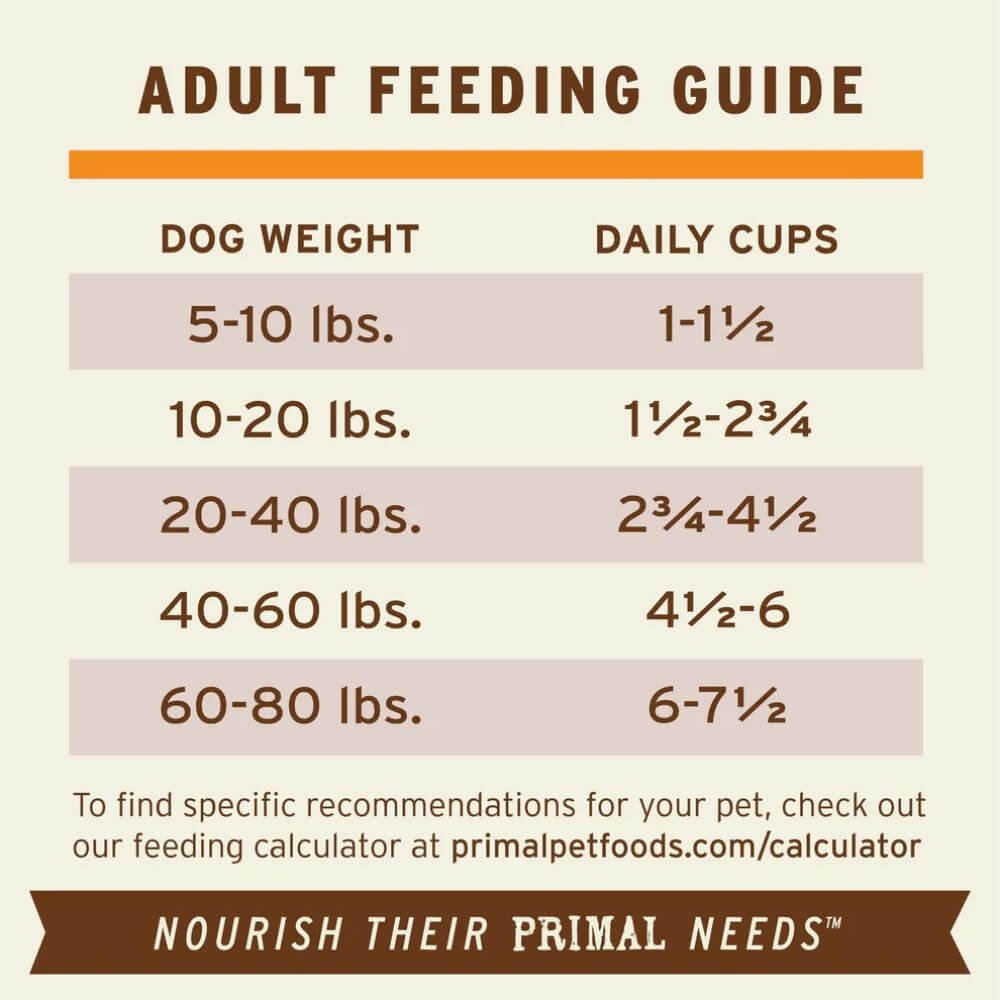
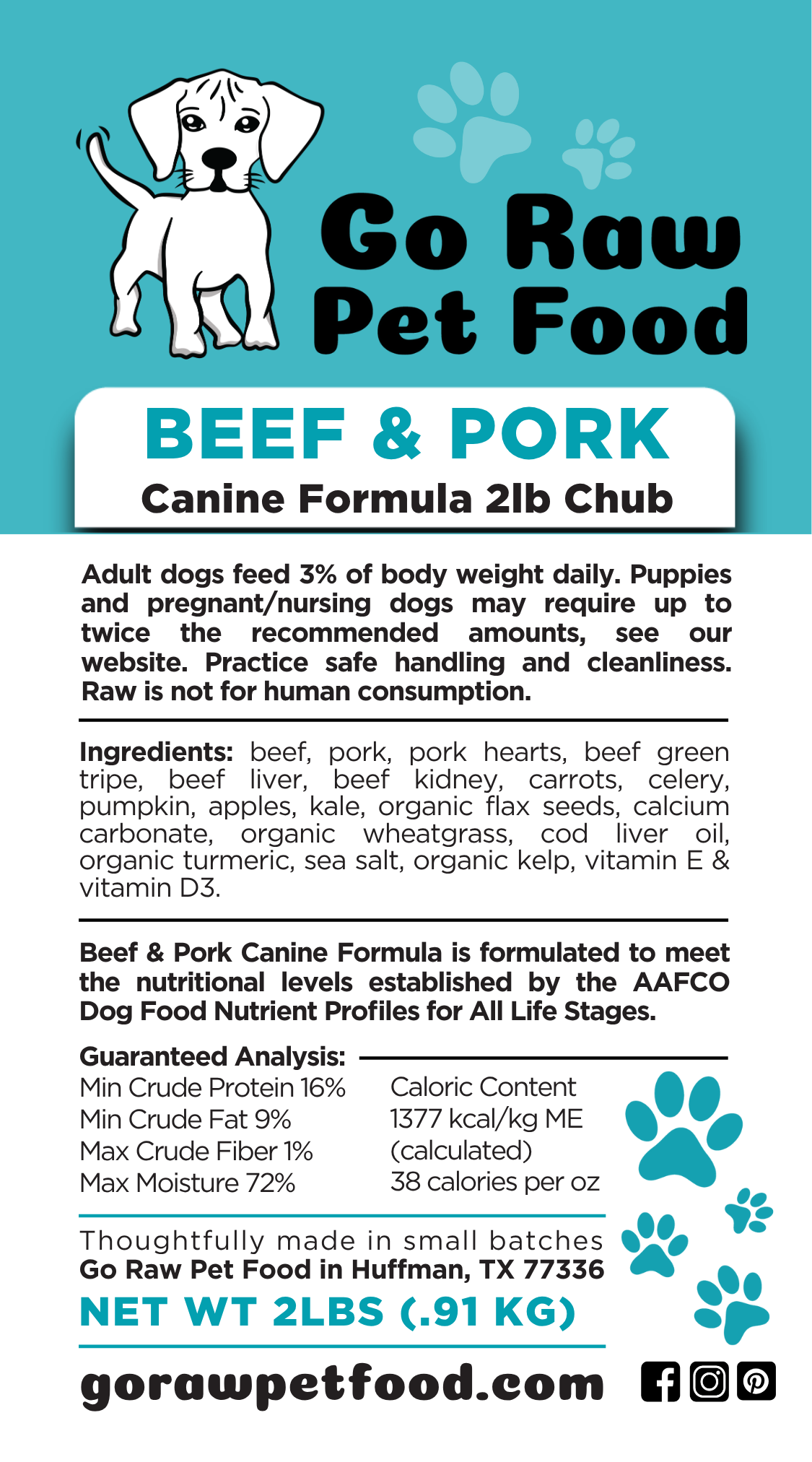
Choosing raw food from trusted suppliers guarantees quality and safety. Reliable suppliers offer fresh, nutritious products made for dogs. They often provide feeding guides that match their food’s composition, making portioning easier.
Credit: www.hollywoodfeed.com
Credit: gorawpetfood.com
Frequently Asked Questions
How Much Raw Food Should I Feed My Dog Daily?
Feed your dog 2-3% of its ideal body weight in raw food daily. Adjust based on activity, age, and health.
Does Dog Size Affect Raw Food Portion Size?
Yes, larger dogs need more raw food, while smaller breeds require less. Always calculate portions by weight.
Can Puppies Eat The Same Raw Food Amount As Adults?
Puppies need more calories, so feed 3-10% of their body weight. Adjust as they grow and consult your vet.
How To Adjust Raw Food Quantity For Active Dogs?
Increase raw food to 3-5% of body weight for highly active dogs. Monitor weight and energy levels closely.
Conclusion
Feeding your dog the right amount of raw food keeps them healthy. Most dogs need about 2-3% of their body weight daily. Adjust this based on age, activity, and health. Watch your dog’s weight and energy for signs to change portions.
Fresh, balanced meals support strong muscles and shiny coats. Always consult a vet for personalized advice. Feeding raw food properly helps your dog live a happy life. Simple steps, big benefits.


