Choosing the right food for your adult dog can feel overwhelming. You want to make sure your furry friend stays healthy, happy, and full of energy.
But with so many options out there, how do you know what’s truly good for your dog? This guide will help you understand what makes a food great for adult dogs, so you can feel confident that you’re giving your companion the best nutrition possible.
Keep reading to discover simple tips and expert advice that will make mealtime the highlight of your dog’s day.
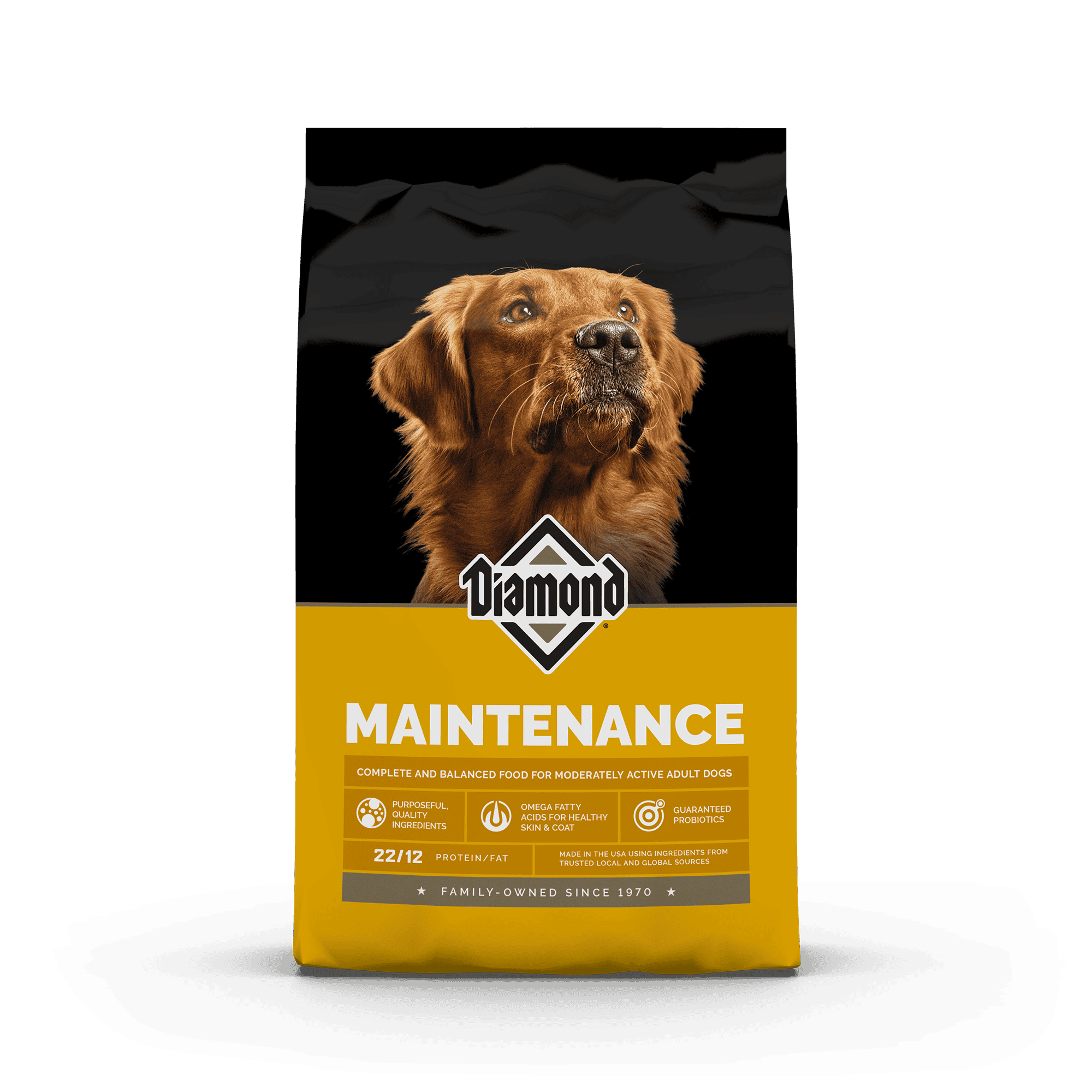
Credit: www.diamondpet.com
Essential Nutrients For Adult Dogs
Feeding your adult dog the right nutrients is key to keeping them healthy and energetic. Understanding what essential nutrients they need helps you make smarter food choices. Let’s break down these crucial nutrients and why they matter for your dog’s well-being.
Proteins And Amino Acids
Proteins are the building blocks of your dog’s muscles, skin, and organs. They consist of amino acids, some of which your dog cannot produce and must get from their food. High-quality protein sources include chicken, beef, fish, and eggs.
Think about your dog after a long walk—strong muscles and quick recovery depend on enough protein. Are you checking your dog food labels for real meat content or just fillers? Prioritize foods with named meat sources rather than vague terms like “meat by-products.”
Fats And Fatty Acids
Fats provide energy and help your dog absorb vitamins. They also keep their coat shiny and skin healthy. Essential fatty acids like Omega-3 and Omega-6 are vital for brain function and reducing inflammation.
If your dog has a dull coat or itchy skin, you might need to boost their fatty acid intake. Look for foods with fish oil, flaxseed, or chicken fat. These fats support joint health and can even improve your dog’s mood.
Carbohydrates And Fiber
Carbohydrates supply energy and fiber aids digestion. Good carbs come from sources like sweet potatoes, brown rice, and oats. Fiber helps keep your dog’s digestive system running smoothly and prevents constipation.
Ever noticed your dog’s stool quality after switching foods? That’s often a sign of fiber balance. Too little fiber can cause irregular bowel movements, while too much might lead to gas or diarrhea. Balance is key.
Vitamins And Minerals
Vitamins and minerals support everything from your dog’s immune system to bone strength. Important vitamins include A, D, E, and B-complex, while minerals like calcium, phosphorus, and zinc play critical roles in growth and repair.
Have you seen your vet recommend supplements? Sometimes, commercial dog foods might lack specific nutrients, especially if your dog has health issues. Choosing a well-rounded food or adding vet-approved supplements can fill those gaps.
Types Of Dog Food
Choosing the right food for adult dogs means understanding different types available. Each type offers unique benefits and meets various dietary needs. Knowing these options helps you pick the best fit for your dog’s health and taste.
Dry Kibble Benefits
Dry kibble is popular and easy to store. It helps keep teeth clean by reducing plaque buildup. Kibble usually costs less and lasts longer. Many brands offer balanced nutrition in convenient packages. It also helps control portion sizes for weight management.
Wet Food Advantages
Wet food contains more moisture, which aids hydration. It tends to be tastier and more appealing to picky eaters. Wet food is easier to chew for dogs with dental issues. It often has a higher protein content for energy. Serving wet food can add variety to your dog’s diet.
Raw And Homemade Diets
Raw and homemade diets allow control over ingredients. They can provide fresh, natural nutrients without fillers. Many owners choose these for dogs with allergies or sensitivities. Preparing food at home ensures no artificial additives. These diets require careful planning to be balanced and safe.
Freeze-dried And Dehydrated Options
Freeze-dried and dehydrated foods preserve nutrients well. They are lightweight and easy to store. These options rehydrate quickly and retain natural flavors. They offer a middle ground between raw and processed foods. Perfect for owners wanting convenience with quality nutrition.
Top Nutritious Ingredients To Look For
Choosing the right food for your adult dog is crucial. The ingredients in their diet impact their health and vitality. It’s essential to focus on nutritious components. Here are some top ingredients to consider in dog food.
High-quality Meat Sources
Meat should be the primary ingredient in dog food. Look for named meats like chicken, beef, or lamb. These meats provide essential proteins and amino acids. They help maintain muscle and energy levels. Avoid meat by-products, as they are less nutritious.
Whole Grains And Vegetables
Whole grains and vegetables offer vital nutrients. Brown rice, oats, and barley are great grain choices. They provide fiber and energy. Vegetables like carrots and peas add vitamins and minerals. They support a healthy digestive system.
Superfoods For Dogs
Superfoods are rich in nutrients. Blueberries, sweet potatoes, and spinach are excellent options. These foods boost immunity and overall health. Include them in your dog’s diet for extra benefits.
Avoiding Harmful Additives
Avoid artificial colors, flavors, and preservatives. These additives can harm your dog’s health. Opt for natural preservatives like vitamin E and C. They are safer and maintain food freshness.

Credit: www.businessinsider.com
Special Dietary Needs
Adult dogs have different dietary needs based on their health, activity, and age. Special diets help maintain their well-being and prevent health problems. Choosing the right food supports their unique needs, ensuring a happy and healthy life.
Weight Management Foods
Foods for weight control have fewer calories and more fiber. They help dogs feel full without gaining weight. Ingredients include lean proteins and whole grains. These foods support muscle maintenance and avoid obesity. Regular feeding portions are important for success.
Allergy-friendly Choices
Some dogs suffer from food allergies or sensitivities. Allergy-friendly foods avoid common triggers like wheat, soy, or dairy. Limited ingredient diets help identify problem foods. Hypoallergenic options use novel proteins such as duck or venison. These diets reduce itching and digestive issues.
Senior Dog Nutrition
Older dogs need special nutrition to support aging bodies. Senior diets are lower in calories but rich in nutrients. They contain antioxidants for immune health and joint support ingredients like glucosamine. These foods help maintain energy and a healthy weight. Easy-to-digest formulas improve nutrient absorption.
Active And Working Dogs
Highly active or working dogs require more calories and protein. Their foods are nutrient-dense to support energy and muscle repair. Healthy fats provide long-lasting fuel. Balanced vitamins and minerals boost endurance and recovery. These diets help dogs perform at their best daily.
Choosing The Right Food Brand
Choosing the right food brand for your adult dog matters a lot. It affects their health, energy, and happiness. Many brands offer different ingredients and nutrition. Picking a trustworthy brand helps ensure your dog gets balanced and safe meals. This section guides you on how to select the best dog food brand.
Reputable Manufacturers
Choose brands with a strong reputation. Look for companies that have been in the market for years. They follow strict safety and quality rules. Such manufacturers often conduct research and tests to improve their recipes. Avoid new or unknown brands without reviews or certifications. Trustworthy brands care about your dog’s health.
Reading Dog Food Labels
Read the label carefully. Check the list of ingredients. The first few ingredients should be real meat or fish. Avoid foods with too many fillers like corn or wheat. Look for added vitamins and minerals. Notice if the food is made in a certified facility. Labels also show guaranteed analysis for protein, fat, and fiber.
Price Vs. Quality
Cheap dog food might lack important nutrients. High price does not always mean high quality. Find a brand that balances cost and nutrition. Good food supports your dog’s energy and long-term health. Avoid very cheap brands with vague ingredient lists. Investing in quality food can save vet bills later.
Consulting Your Veterinarian
Your vet knows your dog’s specific needs. Ask for food brand recommendations. They consider breed, age, weight, and health issues. Vets can suggest special diets for allergies or sensitivities. Follow their advice for the best food choices. Regular vet check-ups help adjust diet as your dog ages.
Transitioning To A New Dog Food
Switching your adult dog to a new food can be tricky, but it’s essential for their health and happiness. Sudden changes can upset their stomach or cause refusal to eat. Taking time and paying attention during this process makes all the difference.
Gradual Diet Changes
Start by mixing a small amount of the new food with your dog’s current meal. Increase the new food portion slowly over 7 to 10 days until it completely replaces the old diet.
This slow shift helps your dog’s digestive system adjust without stress. Have you noticed your dog’s preferences shift during this transition? Sometimes patience wins the day.
Monitoring Your Dog’s Health
Watch for changes in your dog’s energy, stool quality, and appetite. Healthy stools are firm and regular—loose stools or constipation can signal a problem.
Keep an eye on their coat too; a shiny coat often reflects good nutrition. If you spot any unusual symptoms, consult your vet promptly.
Recognizing Food Intolerances
Some dogs don’t tolerate certain ingredients well. Signs include itching, digestive upset, or excessive gas after meals.
If you see these signs, you might want to try a limited ingredient diet or hypoallergenic food options. Have you ever had to switch foods more than once to find the right fit? It’s worth the effort to keep your dog comfortable.
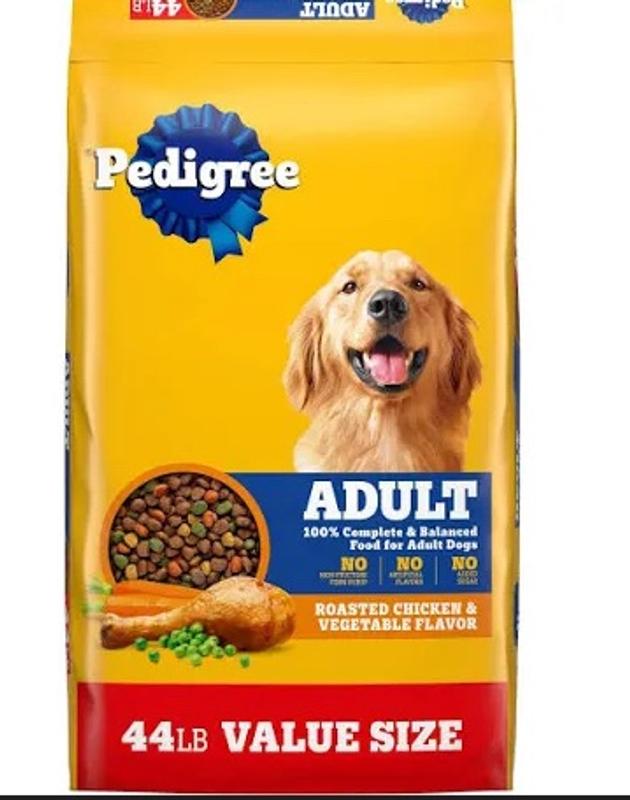
Credit: www.truevalue.com
Frequently Asked Questions
What Nutrients Should Adult Dog Food Contain?
Adult dog food should have balanced proteins, fats, carbohydrates, vitamins, and minerals. High-quality protein supports muscle health. Essential fats promote a shiny coat and brain function. Carbohydrates provide energy. Vitamins and minerals strengthen the immune system and bone health.
How To Choose The Best Food For Adult Dogs?
Choose food based on your dog’s age, size, and activity level. Look for high-quality ingredients and avoid fillers. Check for AAFCO approval to ensure complete nutrition. Consider special dietary needs or allergies. Consult your vet for tailored recommendations.
Can Adult Dogs Eat Homemade Food Safely?
Yes, homemade food can be safe if balanced. Include lean proteins, vegetables, and grains. Avoid toxic foods like onions, chocolate, and grapes. Supplement with vitamins if needed. Consult a vet or pet nutritionist for proper recipes and portion sizes.
Is Wet Or Dry Food Better For Adult Dogs?
Both wet and dry foods have benefits. Dry food supports dental health and is convenient. Wet food increases hydration and is often more palatable. Mixing both can provide variety and balanced nutrition. Choose high-quality options regardless of type.
Conclusion
Choosing good food helps keep your adult dog healthy and happy. Balanced meals support strong muscles and shiny fur. Fresh ingredients and proper nutrients make a big difference. Always check labels for quality and avoid harmful additives. Feeding right can prevent many health problems later.
Your dog will enjoy mealtime more with tasty, nutritious food. Small changes in diet bring lasting benefits. Care for your dog like family. A healthy dog is a joyful dog. Simple steps lead to a better life for your pet.