
You want the best for your dog, and feeding them the right food at the right time is a big part of that. But when exactly should you switch from puppy food to adult dog food?
It’s a question many dog owners face, and getting it wrong can affect your dog’s health and energy. You’ll discover clear signs to look for, expert tips, and simple steps to make the transition smooth. Keep reading to ensure your furry friend stays happy and healthy every step of the way.
Signs Your Puppy Is Ready
Knowing when your puppy is ready for adult food matters for their health. Puppies grow fast and their needs change quickly. Watch your puppy closely for signs that show they are ready to switch diets. These signs help you feed the right food at the right time.
Physical Growth Milestones
Puppies reach physical milestones that signal growth stages. Teeth development is a key sign. When most baby teeth fall out, adult teeth grow in. This usually happens around 4 to 6 months of age. Your puppy’s weight gain also slows down. Muscle tone improves as they get stronger.
Behavioral Changes
Behavior shifts signal maturity. Puppies start eating less often but larger meals. They show more independence and less chewing on everything. Play becomes less frantic and more controlled. These changes indicate a move toward adult habits. Appetite may stabilize, showing readiness for adult food.
Breed And Size Considerations
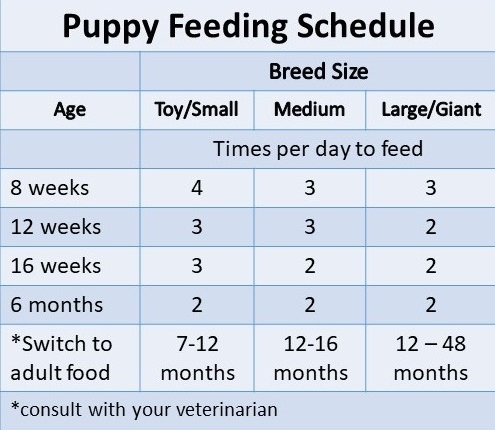
Breed and size affect timing for adult food. Small breeds mature faster, often by 9 to 12 months. Large breeds take longer, sometimes up to 18 months. Large dogs need special diets during growth to protect joints. Know your breed’s typical growth timeline. Adjust food type based on size and breed needs.
Age Guidelines For Switching
Knowing the right age to switch your dog to adult food helps support healthy growth. Dogs of different sizes grow at different rates. Changing their diet too soon or too late can affect their health. Follow clear age guidelines based on your dog’s breed size. This ensures they get the proper nutrients at every life stage.
Small Breeds Timeline
Small breed dogs mature faster than larger breeds. They usually reach adulthood by 9 to 12 months. At this age, you can start introducing adult dog food. Their energy needs change as they finish growing. Adult food has balanced nutrients for maintenance and overall health.
Medium Breeds Timeline
Medium breed dogs take a bit longer to mature. Most finish growing between 12 and 15 months. Switching to adult food at this stage supports their changing metabolism. Medium breeds benefit from a diet that supports steady energy levels and muscle health.
Large And Giant Breeds Timeline
Large and giant breeds grow for a longer time. Their growth phase can last from 15 to 24 months. Delaying the switch to adult food helps prevent growth-related problems. Adult formulas for large breeds often focus on joint health and controlled calories.
Choosing The Right Adult Food
Choosing the right adult food is key for your dog’s health and happiness. Adult dogs have different needs than puppies. Feeding them suitable food supports their energy, weight, and overall wellness. The right diet keeps their coat shiny and their digestion smooth. Understanding what to pick helps you give your dog the best nutrition.
Nutritional Needs Of Adult Dogs
Adult dogs need balanced nutrients to stay healthy. Protein helps build and repair muscles. Fat provides energy and supports skin health. Carbohydrates offer fuel for daily activities. Vitamins and minerals keep bones, teeth, and organs strong. Proper portions prevent weight gain and related problems.
Ingredients To Look For
- High-quality animal protein like chicken, beef, or fish
- Whole grains such as brown rice or oats for energy
- Vegetables like sweet potatoes or peas for fiber and vitamins
- Healthy fats including fish oil or flaxseed for coat health
- Natural preservatives like vitamin E and C
Avoiding Harmful Additives
Check labels for artificial colors and flavors. These can cause allergies or upset stomachs. Avoid foods with excessive fillers like corn or wheat. Stay away from harmful preservatives such as BHA, BHT, and ethoxyquin. Choosing clean, simple ingredients protects your dog’s health long-term.

Credit: petheavenblogs.com
Transitioning Your Dog’s Diet
Transitioning your dog’s diet from puppy food to adult food requires care and attention. A sudden change can upset your dog’s stomach. A smooth transition helps your dog adjust to new nutrients and flavors. This process usually takes about one to two weeks. Patience ensures your dog stays healthy and happy during the change.
Gradual Food Mixing Method
Start by mixing a small amount of adult food with puppy food. Increase the adult food portion every few days. For example:
- Days 1-3: 25% adult food, 75% puppy food
- Days 4-7: 50% adult food, 50% puppy food
- Days 8-10: 75% adult food, 25% puppy food
- Day 11 and after: 100% adult food
This slow mix helps your dog’s digestive system adjust comfortably.
Monitoring Your Dog’s Reaction
Watch your dog closely during the transition. Check for changes in appetite or energy. Notice any vomiting, diarrhea, or constipation. These signs show if the new food suits your dog. If problems appear, slow down the change or consult a vet. Keeping a food diary can help track your dog’s reaction.
Adjusting Feeding Portions
Adult dogs need different calorie amounts than puppies. Adjust portions based on your dog’s size, breed, and activity. Use the feeding guide on the adult food package as a start. Divide the daily amount into two or more meals. Observe your dog’s weight and body condition regularly. Change portions if your dog gains or loses too much weight.
Common Mistakes To Avoid
Switching to adult dog food too early can cause digestion problems. Wait until your dog reaches the right age to avoid health issues. Gradual change helps your dog adjust without stomach upset.
Transitioning your dog from puppy food to adult food can be a challenging task, filled with potential pitfalls. Understanding the common mistakes pet owners make can help you avoid these issues and ensure a smooth transition for your furry friend. Let’s dive into some of these mistakes and learn how to steer clear of them.Switching Too Early
One of the biggest mistakes is making the switch to adult food too soon. Puppies require specific nutrients to support their rapid growth and development. Rushing to adult food might deprive them of these essential nutrients. Consider your dog’s breed and size when determining the right time to switch. Small breeds mature faster than larger breeds, which could mean an earlier transition. Always consult with your vet to get a tailored recommendation for your dog’s unique needs.Abrupt Diet Changes
Another common error is making abrupt changes in your dog’s diet. This can lead to digestive issues, leaving your dog with an upset stomach or diarrhea. Gradually introduce adult food by mixing it with puppy food over a period of 7-10 days. This slow transition helps your dog’s digestive system adjust without any discomfort.Ignoring Breed-specific Needs
Not all dog breeds have the same dietary requirements. Larger breeds, for instance, may need more time on puppy food to support their growth. Research your dog’s breed-specific needs and understand how they influence dietary transitions. Does your breed have known health issues? Tailor their diet accordingly, with advice from your vet, to ensure they get the right nutrients. Taking these steps can make a world of difference in your dog’s health and happiness as they grow. Are you prepared to make the switch wisely?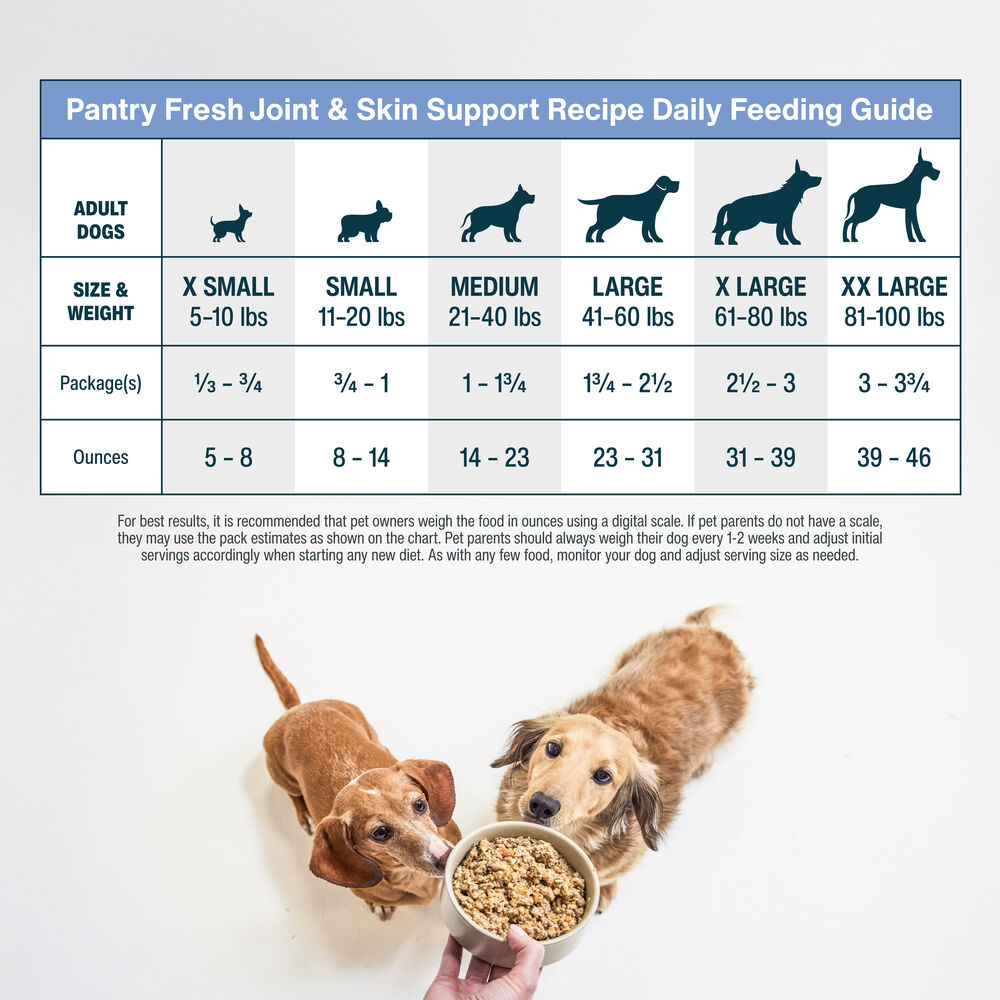
Credit: www.justfoodfordogs.com
Veterinarian Recommendations
Veterinarians play a crucial role in deciding the right time to switch your dog to adult food. Their advice is based on your pet’s breed, size, and unique health needs. Listening to their recommendations can help you avoid common feeding mistakes and support your dog’s long-term well-being.
When To Consult A Vet
It’s best to talk to your vet before making any changes to your dog’s diet. Puppies grow at different rates, so the ideal time to start adult food can vary widely. If you notice changes in your dog’s energy or digestion, a vet visit can clarify whether it’s time to switch.
Sometimes, pet owners think the transition should happen at a fixed age, but vets often recommend a personalized timeline. For example, small breeds might switch earlier than large breeds. Checking in with your vet ensures you’re not guessing.
Tailoring Diets For Health Issues
Dogs with special health concerns need diets that support their conditions. Your vet can suggest adult foods that address allergies, weight management, or digestive problems. This tailored approach prevents complications and keeps your dog comfortable.
Have you ever tried changing your dog’s food only to see them lose interest or develop stomach issues? Your vet can recommend formulas that suit picky eaters or sensitive stomachs, making mealtime easier for both of you.
Regular Check-ups During Transition
Switching to adult food isn’t a one-time event; it requires monitoring. Regular vet check-ups during this phase help track your dog’s response to the new diet. Weight, coat condition, and stool quality are key indicators your vet will watch closely.
Don’t hesitate to report any concerns during these visits. Your vet might adjust feeding amounts or suggest supplements to ease the transition. This ongoing dialogue ensures your dog thrives on their new diet.

Credit: dogsauce.co
Frequently Asked Questions
When Should I Switch My Puppy To Adult Dog Food?
Switch your puppy to adult dog food around one year old. Small breeds may switch earlier, around 9-12 months. Large breeds can take up to 18-24 months. Always consult your vet for breed-specific guidance to ensure proper nutrition and growth.
What Signs Indicate My Dog Needs Adult Food?
Signs include slowed growth, decreased energy needs, and reaching adult weight. Puppies become less active and require fewer calories. If your dog looks mature and has stopped growing, it’s time to transition to adult food for balanced nutrition.
Can I Feed Adult Food To My Puppy Early?
Feeding adult food too early can cause nutrient deficiencies. Puppies need higher protein and fat for growth. Wait until your dog reaches the recommended age before switching. Consult your vet to avoid health issues and support proper development.
How To Transition From Puppy To Adult Dog Food?
Gradually mix adult food with puppy food over 7-10 days. Increase adult food portion while decreasing puppy food daily. This helps prevent digestive upset. Monitor your dog’s reaction and adjust the transition pace if needed for a smooth changeover.
Conclusion
Feeding your dog adult food at the right time keeps them healthy. Watch their age and size to decide the switch. Puppies need special food to grow strong. Once they reach about one year, adult food is best. Choose quality food that suits your dog’s needs.
Changing food too early or late can cause problems. Always check with your vet for the best advice. A happy dog starts with good nutrition. Keep your dog’s diet balanced and enjoy many healthy years together.