
You want the best for your dog, and that includes feeding them right. But when exactly should you switch from puppy food to adult dog food?
Making this change at the right time can impact your dog’s health, energy, and happiness. If you’re unsure about the perfect moment to make this switch, keep reading. Understanding the signs and timing will help you give your furry friend the nutrition they truly need.
Let’s dive into how to know when your dog is ready for adult food and why it matters so much.
Signs Your Dog Needs Adult Food
Knowing the right time to switch your dog to adult food is important. Puppies and adult dogs have different nutritional needs. Feeding adult food too early or too late can affect your dog’s health. Watch for clear signs that show your dog is ready for adult food.
Age Milestones For Switching
Most dogs move to adult food between 9 and 12 months old. Large breeds may need adult food later, around 12 to 18 months. Small breeds usually switch earlier, at about 9 months. Check your dog’s breed and size to choose the right time.
Behavioral Changes To Watch
- Your dog may eat less or show less energy.
- Notice if your dog seems less playful or more tired.
- Changes in appetite or mood can mean growth is slowing.
- Watch for signs of digestive upset, such as vomiting or diarrhea.
Physical Indicators
- Your dog’s growth rate slows or stops.
- Muscle tone becomes more defined and less puppy-like.
- Coat texture changes from soft to thicker and shinier.
- Your dog reaches near adult size and weight.
Nutritional Needs Of Adult Dogs
Adult dogs have unique nutritional needs that differ from puppies. Their bodies require balanced nutrients to maintain health and energy. Feeding the right adult dog food supports their growth, muscle maintenance, and overall wellbeing. Understanding these needs helps you pick the best food for your dog’s stage in life.
Calorie Requirements
Adult dogs need enough calories to stay active without gaining weight. Calorie needs depend on size, breed, and activity level. Overfeeding causes obesity, which leads to health problems. Underfeeding can result in low energy and poor health. Balanced calories keep dogs fit and healthy.
Protein And Fat Balance
Protein helps build and repair muscles in adult dogs. Fat provides energy and supports skin and coat health. The right balance keeps dogs strong and energetic. Too much fat can cause weight gain. Too little protein may weaken muscles. Quality ingredients matter in adult dog food.
Essential Vitamins And Minerals
Vitamins and minerals support many body functions in adult dogs. Calcium and phosphorus keep bones strong. Vitamins A, D, and E boost the immune system. Minerals like zinc and iron promote healthy skin and blood. A well-rounded diet includes all necessary nutrients for adult dogs.
Choosing The Right Adult Dog Food
Choosing the right adult dog food ensures your pet’s well-being. Each dog has unique dietary needs. Selecting the right food type and ingredients is crucial. Understanding labels and avoiding harmful additives is essential. Let’s explore how to choose the best adult dog food.
Types Of Adult Dog Food
Adult dog food comes in various forms. Dry kibble is popular and convenient. Wet canned food offers more moisture. Some dogs prefer semi-moist food for its texture. There are also raw and freeze-dried options. Each type has its pros and cons. Consider your dog’s preferences and health needs.
Reading Ingredient Labels
Ingredient labels reveal what’s inside your dog’s food. The first ingredient should be a quality protein source. Look for whole meats like chicken or beef. Avoid foods with vague meat by-products. Check for whole grains and vegetables for added nutrients. Be cautious with artificial preservatives and colors.
Avoiding Harmful Additives
Harmful additives can affect your dog’s health. Stay clear of artificial colors and flavors. Preservatives like BHA and BHT can be harmful. Opt for natural preservatives like vitamin E. Avoid foods with excessive fillers like corn and soy. Choose products with recognizable, natural ingredients.
Credit: www.petsmart.ca
Transitioning To Adult Food
Transitioning your dog to adult food is an important step in their growth. Puppies need different nutrients than adult dogs. Changing their diet too fast can upset their stomach. A smooth change helps your dog adjust easily. This section covers how to switch foods safely and effectively.
Gradual Food Changes
Start by mixing a small amount of adult food with puppy food. Increase the adult food amount over 7 to 10 days. This slow change helps your dog’s stomach get used to new ingredients. Sudden switches can cause vomiting or diarrhea. Be patient and watch your dog’s eating habits during this time.
Monitoring Digestive Health
Keep an eye on your dog’s digestion after changing food. Look for signs like loose stools, constipation, or gas. These can mean the food is too rich or not right for your dog. If problems last more than a few days, consult your vet. Good digestion means your dog is adjusting well to adult food.
Adjusting Portion Sizes
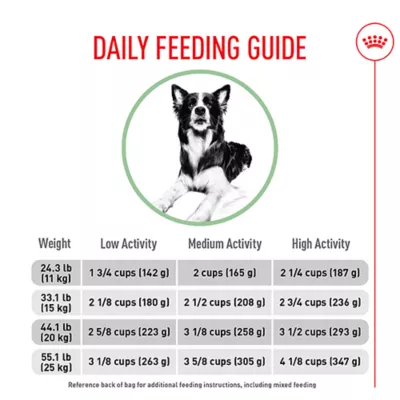
Adult dogs need different calorie amounts than puppies. Use the feeding guide on the dog food package as a start. Adjust portions based on your dog’s weight, activity, and age. Overfeeding leads to weight gain; underfeeding can cause weakness. Regularly check your dog’s body condition and adjust food amounts accordingly.
Special Considerations For Different Breeds
Choosing the right adult dog food depends on your dog’s breed. Different breeds grow and mature at different rates. Their size, energy needs, and health risks vary. These factors affect the best time to switch to adult food. Understanding breed-specific needs helps keep your dog healthy and active.
Small Vs. Large Breeds
Small breeds reach adulthood faster than large breeds. Many small dogs mature by 9 to 12 months. Large breeds can take 12 to 24 months to fully mature. Large breeds need food that supports joint health and slow growth. Small breeds require calorie-dense food because they burn energy quickly. Feeding the right adult food at the right time prevents health issues.
Breed-specific Dietary Needs
Some breeds have unique dietary needs. For example, Labrador Retrievers may need food low in fat to avoid weight gain. Bulldogs often benefit from food with added joint support. Working breeds like Border Collies need high-protein diets for energy. Breed-specific formulas consider these needs to improve health and longevity.
Activity Level Impact
Active dogs need more calories and nutrients than less active dogs. Hunting or working breeds burn a lot of energy daily. They need food rich in protein and fat. Less active or indoor dogs require fewer calories to avoid obesity. Adjusting food type and portion size helps maintain a healthy weight and energy balance.
Credit: www.petsmart.ca
Common Mistakes To Avoid
Switching your dog to adult food is a milestone that requires careful timing and attention. Many pet owners make mistakes that affect their dog’s health and energy levels. Knowing what to avoid can help you make the best choice for your furry friend’s well-being.
Switching Too Early Or Late
Changing your dog’s diet before they are ready can cause digestive upset or nutritional gaps. Puppies still need growth nutrients, so switching too early might stunt their development. On the other hand, waiting too long means your dog may consume excess calories meant for growing pups, leading to weight gain.
Ask yourself: Is your dog showing signs of maturity, like steady weight and behavior? If unsure, observe their growth patterns closely or consult your vet to find the perfect moment to switch.
Ignoring Veterinary Advice
Your veterinarian understands your dog’s specific needs better than anyone else. Skipping their recommendations can lead to feeding the wrong type or amount of food. Every breed, size, and health condition requires tailored nutrition.
Always discuss your plans with your vet before changing food. They might suggest special formulas or supplements that suit your dog’s lifestyle and health history.
Overfeeding Adult Dogs
Adult dogs don’t need as many calories as puppies, but many owners continue feeding large portions out of habit or affection. Overfeeding can quickly lead to obesity, which increases the risk of diabetes, joint problems, and heart disease.
Measure portions carefully and avoid extra treats. Consider your dog’s activity level and adjust food amounts accordingly—less active dogs need fewer calories. How often do you check your dog’s weight and adjust their diet?
Benefits Of Proper Adult Dog Nutrition
Proper nutrition is key to keeping your adult dog healthy and happy. The right food supports vital body functions and helps prevent common health issues. When you choose the right adult dog food, you give your dog a foundation for a long, active life.
Healthy Weight Maintenance
Maintaining a healthy weight is crucial for your dog’s overall well-being. Adult dog foods are formulated to provide balanced calories that match your dog’s activity level. Overfeeding or underfeeding can lead to weight problems, which increase the risk of joint pain and heart disease.
Have you noticed your dog gaining or losing weight without changes in their routine? It might be time to adjust their diet. Choosing a food with the right protein and fat levels helps keep your dog fit and comfortable.
Improved Coat And Skin
Your dog’s coat and skin reflect their internal health. Proper adult dog food includes essential fatty acids like Omega-3 and Omega-6, which nourish the skin and promote a shiny, healthy coat.
Dogs with dull fur or itchy skin often benefit from nutrition changes. Adding a high-quality adult formula can reduce dryness and shedding. Have you seen a difference in your dog’s coat after switching foods?
Enhanced Energy Levels
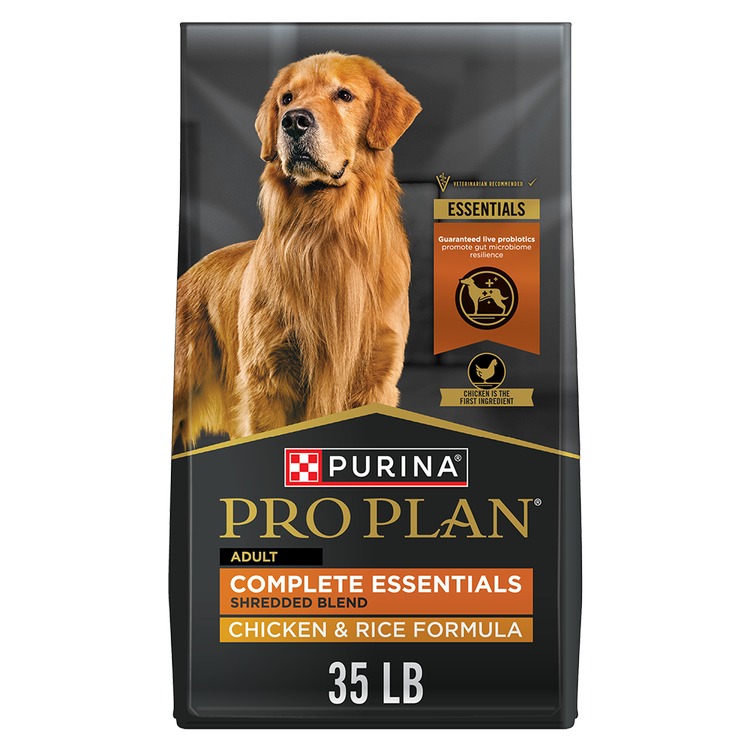
Energy levels can dip as dogs move from puppyhood to adulthood if their diet isn’t adjusted. Adult dog food provides a balanced mix of nutrients that sustain steady energy throughout the day.
Do you find your dog less playful or sluggish? The right adult nutrition might be the answer. Foods rich in complex carbohydrates and high-quality proteins help your dog stay active and alert.
Credit: www.purina.com
Frequently Asked Questions
When Should I Switch My Puppy To Adult Dog Food?
You should switch your puppy to adult dog food around 12 months old. Large breeds may need to switch later, between 12-18 months. Consult your vet for the best timing based on your dog’s breed and growth rate.
Why Is Adult Dog Food Important For Mature Dogs?
Adult dog food provides balanced nutrients tailored for maintenance, not growth. It helps maintain healthy weight, energy levels, and supports overall health. Feeding adult food prevents excess calories and nutrient imbalances common with puppy formulas.
Can I Feed Adult Dog Food To Puppies?
Adult dog food is not suitable for puppies as it lacks essential growth nutrients. Puppies need higher protein, fat, and calorie content for proper development. Always use puppy food until your dog reaches the recommended age to switch.
How Do I Know If My Dog Is Ready For Adult Food?
Signs include reaching physical maturity, stable weight, and reduced rapid growth. Your vet can confirm readiness based on age, breed, and health. Switching too early or late can affect your dog’s nutrition and health.
Conclusion
Choosing the right time to switch to adult dog food helps your pet stay healthy. Watch your dog’s age and size closely. Puppies grow fast and need different nutrition. Adult dog food supports their energy and body needs. Consult your vet for the best advice.
Feeding the proper food keeps your dog happy and strong. A smooth food change avoids stomach problems. Your dog deserves the best care at every stage. Stay attentive and give your dog balanced meals for life.