
Are you wondering where to get raw food for your dog? Choosing the right diet for your furry friend can feel overwhelming, especially when you want the best, freshest ingredients.
You want to make sure your dog gets healthy, natural food that supports their energy and well-being. But where do you find quality raw food that’s safe and affordable? Keep reading, because we’ll guide you through the best places to find raw dog food, so you can feel confident about every meal you serve.
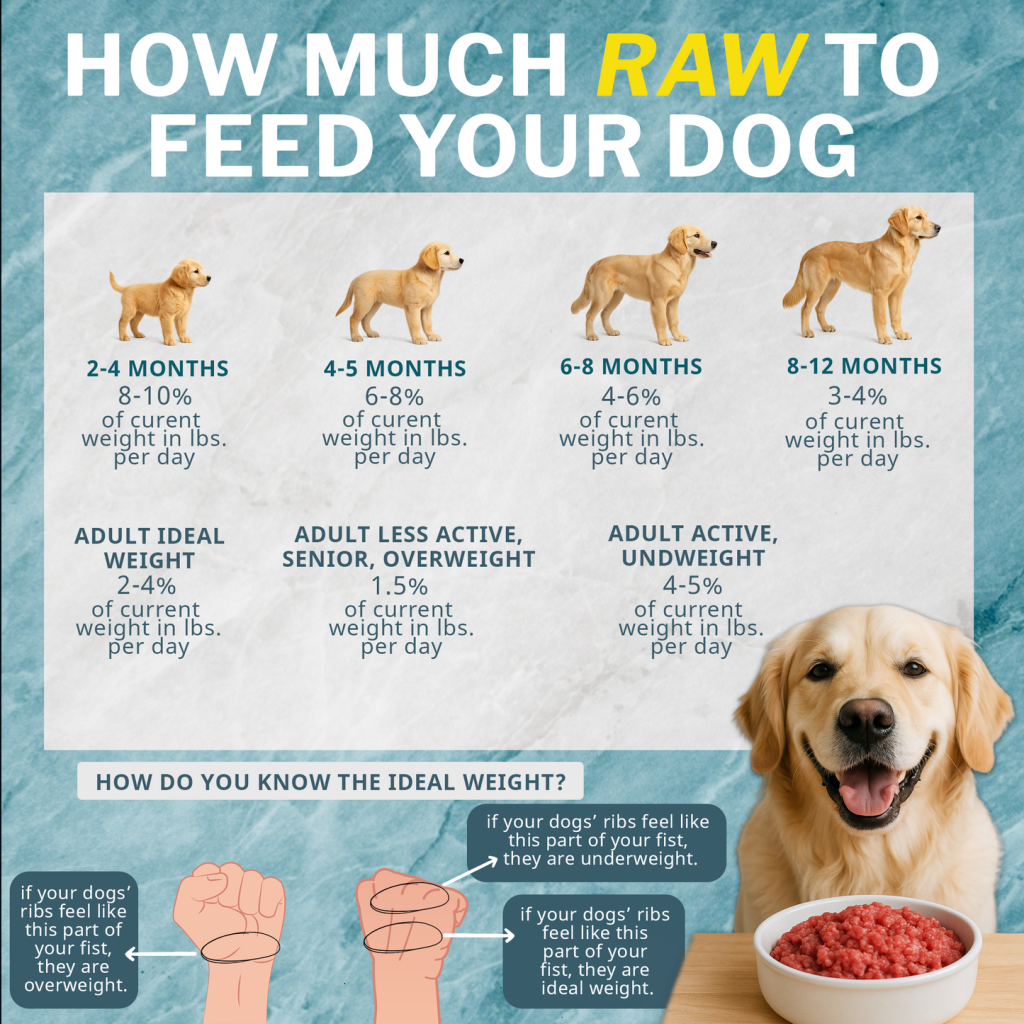
Credit: wefeedraw.com
Benefits Of Raw Food For Dogs
Raw food diets offer many benefits for dogs. Feeding raw meals can improve your dog’s overall health and energy. Many pet owners notice positive changes after switching to raw food. The diet mimics what dogs eat in the wild. This natural approach supports their body in many ways.
Nutritional Advantages
Raw food contains natural vitamins and minerals. Cooking can destroy some nutrients, but raw food keeps them intact. Dogs get enzymes that help break down food. These enzymes support better nutrient absorption. The diet often includes muscle meat, organs, and bones. These parts provide a full range of essential nutrients.
Improved Digestion
Raw diets are easier for many dogs to digest. The enzymes in raw food aid in digestion. Dogs may have less stool volume and firmer stools. This means the food is well absorbed by the body. Some dogs with sensitive stomachs find relief on raw diets. It can reduce gas, bloating, and constipation.
Health And Coat Benefits
Raw food can improve skin health and coat shine. Fatty acids in raw diets promote a soft and glossy coat. Many dogs show less itching and fewer skin problems. Raw meals also support strong teeth and gums. Increased energy and vitality are common results too.
Types Of Raw Dog Food
Raw dog food comes in different types. Each type offers unique benefits. Understanding these helps you choose the best for your dog’s health and taste preferences. Here are the main types of raw dog food.
Whole Prey
Whole prey means feeding your dog entire animals or large parts. Examples include rabbits, chicks, or fish. This type mimics a dog’s natural diet in the wild. It provides a balance of muscle, organ, and bone all in one.
Muscle Meat
Muscle meat includes cuts like beef, chicken, or lamb. It is rich in protein and essential amino acids. Dogs need muscle meat for energy and muscle growth. Choose fresh, high-quality meat from trusted sources.
Organ Meat
Organ meat comes from the liver, kidneys, heart, and other organs. It offers vital vitamins and minerals not found in muscle meat. Organ meat supports your dog’s immune system and overall health. Feed in moderation to avoid nutrient imbalance.
Bones And Supplements
Raw bones provide calcium and help keep teeth clean. Use edible, uncooked bones like chicken necks or wings. Avoid cooked bones as they can splinter. Supplements like fish oil or kelp powder add extra nutrients. They ensure a balanced raw diet for your dog.
Top Sources For Raw Dog Food
Reliable sources for raw dog food include specialty pet stores, local farms, and online retailers. Choosing fresh, high-quality ingredients ensures your dog gets the best nutrition possible. Many pet owners prefer trusted suppliers to guarantee safety and quality.
Finding raw food for your dog can seem challenging. But several sources offer quality options. Whether you prefer shopping locally or online, there are plenty of choices. Here’s a look at some top sources.Local Butchers And Meat Markets
Local butchers are great for fresh meat. Many offer meat scraps perfect for dogs. You can ask them about organ meats or bones. These are often available at a lower cost. Visiting a butcher also supports local businesses. It’s a win-win for you and your dog.Specialty Raw Pet Food Suppliers
Specialty stores focus on pet nutrition. They often carry raw food options. These suppliers know what dogs need for a balanced diet. Some even offer pre-packaged meals. This saves time and ensures quality. Check your area for any local pet suppliers.Online Retailers
Online shopping offers convenience. Many websites sell raw dog food. They deliver directly to your doorstep. You can compare prices and read reviews. This helps in making informed decisions. Some sites offer subscription services. This ensures you never run out of dog food.Farmers And Local Producers
Farmers often sell directly to consumers. This includes meat suitable for dogs. Visiting a local farm can be rewarding. You know exactly where the food comes from. Farmers markets are also good places to find fresh meat. It’s a great way to support local agriculture.
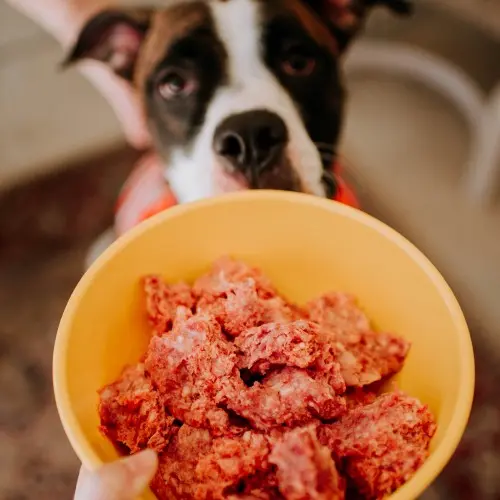
Credit: www.meetmaev.com
What To Look For When Buying
Choosing the right raw food for your dog is important for their health. Knowing what to check helps you pick the best options. Focus on key factors like quality, ingredient details, safety, and how the food is packed. These points guide you to safe and nutritious meals for your dog.
Quality And Freshness
Check the source of the raw food. Fresh ingredients offer better nutrition. Avoid products with a strong odor or discoloration. Fresh meat should look bright and firm. Quality impacts your dog’s digestion and energy.
Ingredient Transparency
Read the label carefully. Look for clear information on all ingredients. Avoid foods with unknown fillers or artificial additives. Knowing what is inside helps prevent allergies or sensitivities. Transparency shows the company’s trustworthiness.
Safety And Hygiene Standards
Choose brands that follow strict safety rules. The food should be handled in clean places. Look for certifications or inspections on the package. Good hygiene reduces risk of bacteria or contamination. Safe food keeps your dog healthy.
Packaging And Storage
Packaging should keep food fresh and sealed tight. Vacuum-sealed or airtight packs work well. Check if the product needs freezing or refrigeration. Proper storage stops spoilage and maintains nutrients. Easy-to-store packages save you time and effort.
Diy Raw Food Preparation
Preparing raw food for your dog at home gives full control over ingredients. It allows tailoring meals to your dog’s health needs and preferences. Careful planning and knowledge make DIY raw food both safe and nutritious.
Selecting Ingredients
Choose fresh, high-quality meats like chicken, beef, or turkey. Include organs such as liver and kidney for essential vitamins. Add raw bones to support dental health and provide calcium. Fresh vegetables like carrots and spinach supply fiber and nutrients. Avoid processed foods, seasonings, and harmful ingredients like onions or garlic.
Balancing Nutrients
Dogs need a mix of protein, fat, and carbohydrates for energy. Ensure meals contain essential vitamins and minerals. Use supplements like fish oil or vitamin E if needed. A typical ratio is 80% meat, 10% bone, and 10% vegetables. Consult a vet or pet nutritionist to avoid nutrient gaps.
Safe Handling Practices
Wash hands before and after handling raw food. Use separate cutting boards for meat and vegetables. Store raw food in airtight containers in the fridge or freezer. Thaw frozen food safely in the fridge, not at room temperature. Clean all utensils and surfaces to prevent bacteria spread.

Credit: www.meetmaev.com
Cost Considerations
Thinking about the cost of raw food for your dog is essential before making the switch. You want to ensure you’re feeding your pet well without breaking the bank. Understanding different pricing options helps you make smart choices that fit your budget and your dog’s health needs.
Comparing Prices
Raw dog food prices vary widely depending on the source and quality. Store-bought frozen raw meals tend to cost more than bulk-purchased raw ingredients. Local butchers or farmers can offer competitive prices, especially if you buy in larger quantities.
Have you checked prices at different places near you? Sometimes small, local suppliers offer deals that big pet stores don’t. Comparing prices online also gives you a clear idea of what to expect.
Budget-friendly Options
Feeding raw doesn’t have to be expensive. You can save money by buying raw components like chicken backs, turkey necks, or organ meats in bulk. These cuts are nutritious and often cheaper than premium pre-made raw diets.
Cooking or preparing your own mix might take time, but it can reduce costs significantly. Also, consider seasonal sales or discount programs offered by pet food suppliers. Planning your purchases around these can stretch your budget further.
Value Vs. Quality
Sometimes a lower price might mean lower quality ingredients. It’s important to balance cost with the nutritional value and safety of the food. Cheaper raw food could lack variety or contain fillers that don’t benefit your dog’s health.
Ask yourself: Would you compromise your dog’s wellbeing for a small saving? Investing in quality raw food can reduce vet visits and improve your dog’s overall vitality. Think of it as spending smart, not just spending less.
Common Challenges And Solutions
Feeding your dog raw food can be rewarding but comes with challenges. These challenges often relate to finding quality ingredients, storing them safely, and helping your dog adjust to the new diet. Understanding common issues helps you prepare better and keep your dog healthy.
Availability Issues
Finding fresh, raw food for dogs can be tough. Local stores may not always stock the right cuts or types of meat. Seasonal changes can also affect availability. Sometimes, you might need to visit multiple stores or order online. Look for suppliers who specialize in raw dog food. Farmers’ markets and butcher shops can also be good sources. Always check for freshness and quality before buying.
Storage And Freezing
Raw food requires proper storage to stay safe. Freezing is the best way to keep raw meat fresh. Use airtight containers or vacuum-sealed bags to prevent freezer burn. Label packages with dates to track freshness. Thaw food in the refrigerator, not on the counter. This reduces the risk of bacteria growth. Keep your freezer organized to avoid forgetting older packages.
Transitioning Your Dog
Switching to a raw diet needs patience. Sudden changes can upset your dog’s stomach. Start by mixing small amounts of raw food with their current diet. Gradually increase the raw portion over two weeks or more. Watch for signs of discomfort or allergies. Some dogs may take longer to adjust. Keep fresh water available at all times during the transition.
Regulations And Safety Tips
Buying raw food for your dog requires careful attention to rules and safety. Ensuring the food is safe helps protect your dog from illness. It also keeps your household clean and healthy. Understanding regulations and following safety tips makes raw feeding easier and safer.
Food Safety Guidelines
Always buy raw food from trusted sources. Check for freshness and proper packaging. Keep raw meat frozen until use. Thaw in the fridge, not on the counter. Wash hands and surfaces after handling raw food. Use separate utensils for raw and cooked items. Store raw food away from other foods to avoid cross-contamination.
Legal Restrictions
Different places have different rules about selling raw pet food. Some areas require special licenses for sellers. Others ban certain raw meats. Check local laws before buying or selling raw dog food. Importing raw meat may need permits. Follow these laws to avoid fines and keep your dog safe.
Preventing Contamination
Clean all bowls and tools after each use. Use hot water and soap for washing. Avoid leaving raw food out for more than two hours. Dispose of leftovers properly. Keep pets and children away from raw food prep areas. Regularly clean the fridge and freezer. These steps reduce germs and protect your dog’s health.
Frequently Asked Questions
Where Can I Buy Raw Food For My Dog Locally?
You can find raw dog food at pet stores, local butcher shops, or farmers’ markets. These places often carry fresh meat and bones suitable for dogs.
Is Online Raw Dog Food Delivery Reliable?
Yes, many online retailers specialize in raw dog food delivery. They offer fresh, frozen options with convenient doorstep shipping, ensuring quality and safety.
What Types Of Raw Food Are Best For Dogs?
Raw food includes muscle meat, organs, bones, and vegetables. A balanced mix ensures proper nutrition and supports your dog’s health effectively.
Can I Prepare Raw Dog Food At Home Safely?
Yes, but ensure hygiene and proper ingredient selection. Consult a vet or nutritionist to create balanced meals and avoid contamination risks.
Conclusion
Finding raw food for your dog can seem tricky at first. Start with trusted local butchers or specialty pet stores. Online suppliers offer many options with home delivery. Always check the quality and freshness before buying. Keep your dog’s health and safety as the top priority.
Feeding raw food can be healthy if done right. Choose sources you trust and watch your dog thrive. Simple steps make raw feeding easier for you and your pet.