
Are you looking to keep your dog healthy without overloading them with fat? Choosing the right raw foods can make a big difference in your pet’s energy, weight, and overall well-being.
But with so many options out there, how do you know which raw foods for dogs have lower fat? This guide will help you discover the best choices that support your dog’s health while keeping fat levels in check. Keep reading to find out how to make smarter food decisions for your furry friend.
Benefits Of Low-fat Raw Foods
Choosing low-fat raw foods for your dog can make a noticeable difference in their overall health. These foods help balance energy intake without overloading your pet with unnecessary calories. You might find that your dog feels more energetic and maintains a healthier weight with the right diet adjustments.
Weight Management
Low-fat raw foods are an excellent tool for managing your dog’s weight. Excess fat in the diet can lead to unwanted weight gain and related health problems like joint stress or diabetes. Feeding lean meats such as chicken breast or turkey can help control calorie intake while still providing essential nutrients.
Have you noticed your dog struggling to lose weight despite exercise? Switching to leaner options might be the key to achieving better results without starving your pet.
Improved Digestion
Fat can be harder for some dogs to digest, leading to upset stomachs or diarrhea. Low-fat raw foods reduce this risk by easing the digestive process. Foods like lean rabbit or fish are not only tasty but also gentle on your dog’s system.
Pay attention to how your dog reacts after meals. If you see fewer digestive issues after introducing low-fat choices, you’ll know you’re on the right track.
Healthier Skin And Coat
While fats are important for skin and coat health, too much can cause problems like greasy fur or flare-ups of skin conditions. Low-fat raw foods help maintain a balanced oil level, resulting in a shinier coat and less itching.
Try adding foods rich in omega-3s but low in saturated fat, such as certain fish, to keep your dog’s skin comfortable and coat vibrant without excess grease.

Credit: drjudymorgan.com
Lean Meat Choices
Choosing lean meat options for your dog’s raw diet can make a significant difference in maintaining their healthy weight and energy levels. Lean meats provide essential protein without the extra fat that can lead to health problems. Let’s look at some of the best low-fat raw meat choices that you can add to your dog’s meals.
Chicken Breast
Chicken breast is a top choice for lean meat. It’s packed with protein but very low in fat, making it ideal for dogs needing a lighter diet. When feeding raw chicken breast, always ensure it’s fresh and handled safely to avoid any bacterial risks.
Have you noticed how your dog’s energy spikes after a meal with chicken breast? That’s the power of high-quality protein at work. It supports muscle growth and keeps your dog feeling full without the extra calories.
Turkey
Turkey is another excellent lean meat option. Particularly the breast meat, which contains less fat than dark meat. It’s rich in nutrients like B vitamins and selenium, essential for your dog’s immune system and overall health.
You might find your dog enjoys the mild flavor of turkey, which can be a nice change from chicken. This variety can help prevent picky eating habits by keeping meals interesting.
Rabbit
Rabbit meat is naturally lean and often overlooked in commercial dog foods. It’s a great alternative protein source for dogs with allergies or sensitivities to more common meats. Rabbit is also rich in vitamins and minerals while being low in fat.
Including rabbit in your dog’s diet can offer a fresh taste and beneficial nutrients. Have you considered how switching up protein sources might improve your dog’s digestion and coat condition?
Fish Options With Low Fat
Certain fish like cod, haddock, and sole have naturally low fat content. These options provide lean protein that supports a healthy diet for dogs. Choosing these fish helps keep fat intake in check while offering essential nutrients.
Including fish in your dog’s diet can provide numerous benefits. Fish is a great source of protein and essential nutrients. It is often lower in fat compared to other meats. For dogs needing low-fat diets, certain fish are excellent choices. These fish are not only nutritious but also low in calories. Let’s explore some fish options that are perfect for your furry friend.Whitefish
Whitefish is a lean source of protein. It contains omega-3 fatty acids, which support skin and coat health. Whitefish is gentle on the stomach, making it suitable for sensitive dogs. Its mild flavor is usually well-received by picky eaters. Low in fat, it is an excellent choice for maintaining a healthy weight.Cod
Cod is another great option for a low-fat diet. It is rich in nutrients like vitamin B12 and selenium. These nutrients support your dog’s immune system and energy levels. Cod is also easy to digest, reducing the risk of digestive issues. Its light texture and taste are appealing to many dogs.Flounder
Flounder is known for its delicate flavor and low-fat content. It provides essential vitamins and minerals necessary for overall health. Flounder is a good source of phosphorus, which supports bone health. It is ideal for dogs that need to manage their weight. The soft texture makes it easy for dogs to chew and enjoy.
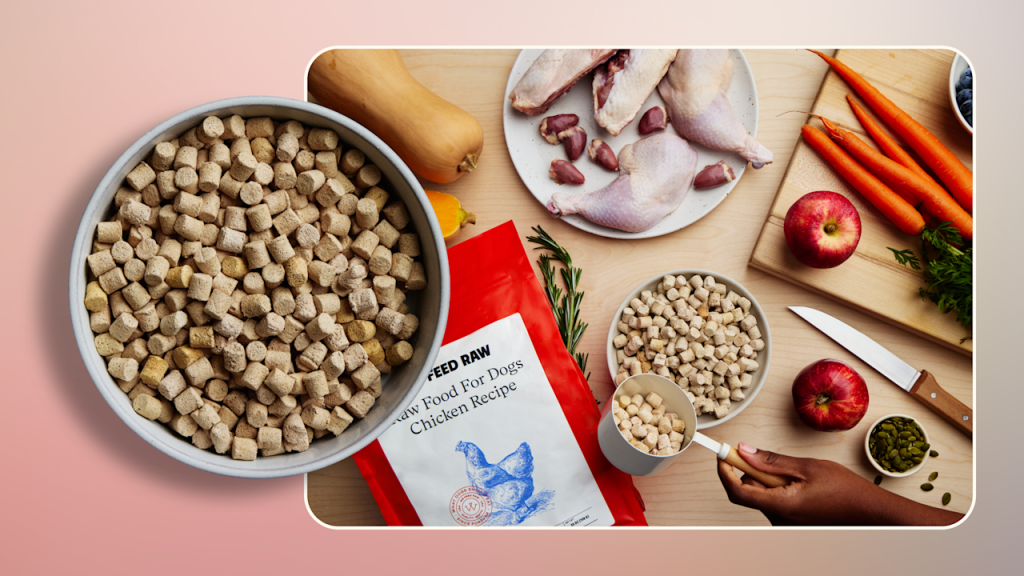
Credit: wefeedraw.com
Vegetables For Raw Diets
Adding vegetables to your dog’s raw diet can help keep their fat intake low while boosting their nutrient profile. Vegetables provide essential vitamins, minerals, and fiber without adding unnecessary calories. Choosing the right veggies ensures your dog stays healthy and happy on a low-fat raw diet.
Leafy Greens
Leafy greens like spinach, kale, and romaine lettuce are excellent low-fat options. They are rich in antioxidants and vitamins like A, C, and K, which support your dog’s immune system and bone health.
Remember to wash them thoroughly and chop them finely for easier digestion. Have you noticed how your dog perks up after a meal with fresh greens?
Carrots
Carrots are crunchy, tasty, and naturally low in fat. They provide beta-carotene, which converts to vitamin A, aiding your dog’s vision and skin health.
Many dogs enjoy the sweet flavor of carrots, making them a great treat or meal addition. Try shredding or slicing carrots to find out how your dog prefers them.
Zucchini
Zucchini is another fantastic veggie for raw diets with very low fat content. It contains vitamins B6 and C, plus potassium, which helps maintain healthy muscles and nerves.
You can offer zucchini raw or lightly steamed to soften it. Have you ever seen your dog eagerly munch on raw zucchini slices?
Fruits Safe For Dogs
Choosing the right fruits for your dog can be a tasty and healthy way to keep their fat intake low. Many fruits are naturally low in fat and packed with vitamins, antioxidants, and fiber that support your dog’s overall health. It’s important to know which fruits are safe and how to serve them properly to avoid any digestive issues.
Apples
Apples are a crunchy, low-fat treat your dog will likely enjoy. They provide fiber and vitamin C, which can boost your dog’s immune system. Just remember to remove the seeds and core, as apple seeds contain trace amounts of cyanide that can be harmful.
I once gave my dog a slice of apple during a hot summer day, and he loved the refreshing taste. It’s a simple way to add variety without adding fat to his diet. Have you tried offering apple slices as a snack for your dog?
Blueberries
Blueberries are tiny powerhouses of nutrition and very low in fat. They are rich in antioxidants, which help fight free radicals and support brain health. You can feed them fresh or frozen, making them a convenient treat for any time of year.
When I started giving my dog blueberries, I noticed he was more eager during training sessions. Could the antioxidants be boosting his focus and energy? It’s worth trying if you want to add a healthy, fat-free snack to your dog’s routine.
Pears
Pears offer a sweet, juicy option that’s low in fat and high in fiber. They help with digestion but should be given in moderation due to natural sugars. Always remove the seeds and core before feeding, as the seeds can pose health risks.
After introducing pears to my dog’s diet, I saw he enjoyed a new texture and flavor. Have you thought about using pear slices to keep your dog’s snack time interesting and light on fat?
Credit: wefeedraw.com
Avoiding High-fat Raw Foods
A balanced raw food diet for dogs means choosing options low in fat. High-fat foods can cause weight gain and digestive problems. Avoiding these foods helps keep dogs healthy and active. Focus on lean cuts and moderate portions. Watch the types of fish and treats given to your dog. This approach supports better nutrition and overall well-being.
Fatty Cuts Of Meat
Fatty cuts of meat have large amounts of fat and calories. Examples include ribeye, pork belly, and some beef briskets. These meats can lead to unhealthy weight gain in dogs. Choose leaner cuts such as chicken breast, turkey, or lean beef instead. Trim visible fat before feeding. Lean cuts provide protein without excess fat.
Certain Fish Types
Not all fish are low in fat. Some types like salmon and mackerel have high fat content. These fish are rich in omega-3 but can be too fatty for some dogs. White fish like cod, haddock, or tilapia have less fat and are safer choices. Feed fish in moderation and avoid fried or oily preparations.
Excessive Treats
Treats can add unwanted fat and calories. Fatty raw treats like pig ears or beef trachea should be limited. Frequent high-fat treats risk causing obesity and upset stomachs. Use lean, low-fat treats such as small pieces of cooked chicken or vegetables. Treats should never replace balanced meals.
Balancing Nutrients In Raw Diets
Balancing nutrients in a raw diet is vital for your dog’s health. Dogs need the right mix of proteins, fats, vitamins, and minerals. Too much fat can cause weight gain and other health issues. Choosing raw foods with lower fat helps maintain a healthy weight. This section explains how to balance key nutrients for a safe and nutritious raw diet.
Protein To Fat Ratio
Protein and fat are main energy sources for dogs. The ideal protein to fat ratio depends on your dog’s age, size, and activity level. Lower fat raw foods include lean meats like chicken breast, turkey, and rabbit. These provide good protein without excess fat. Balance the ratio by mixing lean meats with moderate-fat options like fish or organ meats. Keep fat levels between 10% and 20% for healthy dogs.
Essential Vitamins And Minerals
Raw diets must include vitamins and minerals for overall health. Bones provide calcium and phosphorus, important for strong teeth and bones. Organ meats like liver supply vitamin A, iron, and zinc. Vegetables and fruits add fiber, vitamins C and E. Use a variety of raw foods to cover all nutrient needs. Avoid relying on a single food source to prevent deficiencies.
Hydration Needs
Raw diets naturally contain more moisture than dry foods. Fresh meats and organs have high water content. This helps keep your dog hydrated throughout the day. Adding raw vegetables like cucumber or celery boosts hydration too. Always provide clean drinking water to support kidney function and digestion. Proper hydration aids nutrient absorption and keeps your dog healthy.
Tips For Transitioning To Low-fat Raw Foods
Switching your dog to a low-fat raw food diet requires patience and attention. Sudden changes can upset their digestion and cause discomfort. You want to make the process smooth and stress-free for both you and your furry friend.
Gradual Introduction
Start by mixing a small amount of low-fat raw food with your dog’s current meals. Slowly increase the proportion of the new food over one to two weeks. This gives your dog’s digestive system time to adjust without causing upset stomachs or diarrhea.
Pay attention to how your dog reacts to the new diet. If you notice any signs of discomfort, slow down the transition even more.
Monitoring Health Changes
Keep a close eye on your dog’s energy levels, coat condition, and stool quality during the switch. These are key indicators of how well they are adapting to the new food. A shiny coat and regular bowel movements usually mean the diet suits them well.
Use a simple journal or app to track these changes daily. This way, you can quickly spot any problems and adjust the diet accordingly.
Consulting A Veterinarian
Before making any major dietary changes, talk to your vet about your plans. They can help you choose the best low-fat options based on your dog’s breed, age, and health conditions. Your vet might also recommend supplements to balance the new diet.
Veterinary guidance is crucial if your dog has any medical issues like pancreatitis or obesity. Have you checked in with your vet recently to discuss your dog’s nutrition?
Frequently Asked Questions
What Are Low-fat Raw Foods Safe For Dogs?
Lean meats like chicken breast and turkey are low-fat raw foods safe for dogs. Vegetables like carrots and green beans also fit well. These options provide essential nutrients without excess fat, supporting a healthy canine diet.
How Does Low-fat Raw Food Benefit My Dog?
Low-fat raw foods help maintain your dog’s ideal weight and improve digestion. They reduce the risk of obesity and related health issues. Feeding lower-fat options supports overall energy and longevity in dogs.
Which Raw Meats Have The Least Fat For Dogs?
Chicken breast, turkey, and rabbit are among the leanest raw meats for dogs. These meats contain minimal fat yet offer high protein levels. Including them in your dog’s diet ensures balanced nutrition with less fat intake.
Can Vegetables Be Part Of A Low-fat Raw Dog Diet?
Yes, vegetables like zucchini, spinach, and sweet potatoes are low in fat. They add fiber, vitamins, and minerals to your dog’s diet. Including these veggies supports digestion and overall health without increasing fat content.
Conclusion
Choosing raw foods with lower fat helps keep dogs healthy and active. Lean meats like chicken breast and turkey are great options. Fish such as cod and whitefish also offer low-fat nutrition. Vegetables and fruits add fiber and vitamins without extra fat.
Always balance meals to meet your dog’s needs. Feeding the right foods supports good digestion and energy. Keep your dog happy with simple, natural choices. Raw feeding can be healthy and safe with proper selection. Trust your knowledge and care for your furry friend’s diet.