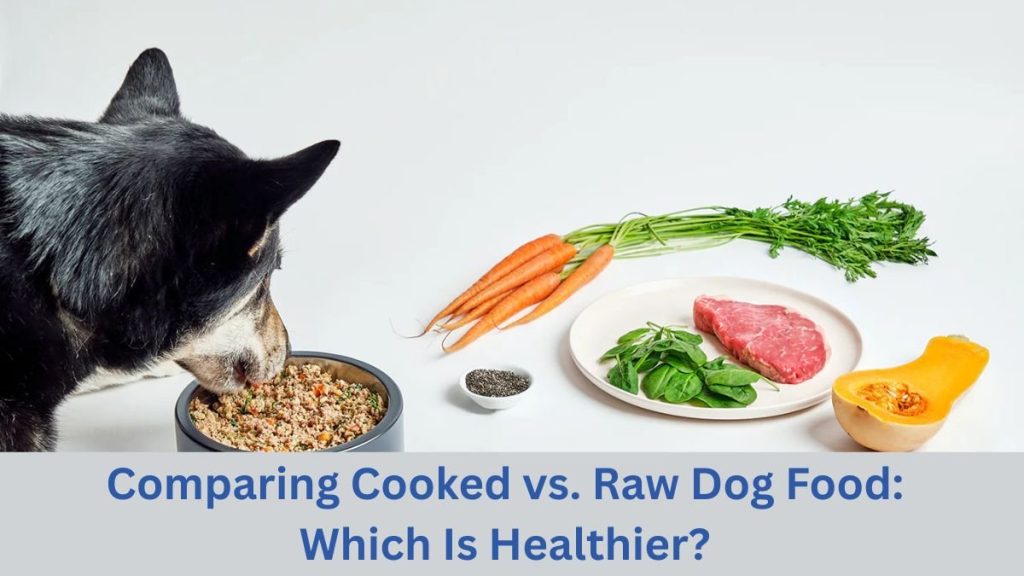

Have you ever wondered if your dog’s food is truly giving them the best health possible? What if switching to raw food could make your furry friend more energetic, happier, and healthier?
You want what’s best for your dog, and understanding why raw food might be better is the first step. This isn’t just about changing their diet—it’s about improving their life. Keep reading to discover the surprising benefits of raw food and how it can transform your dog’s well-being.
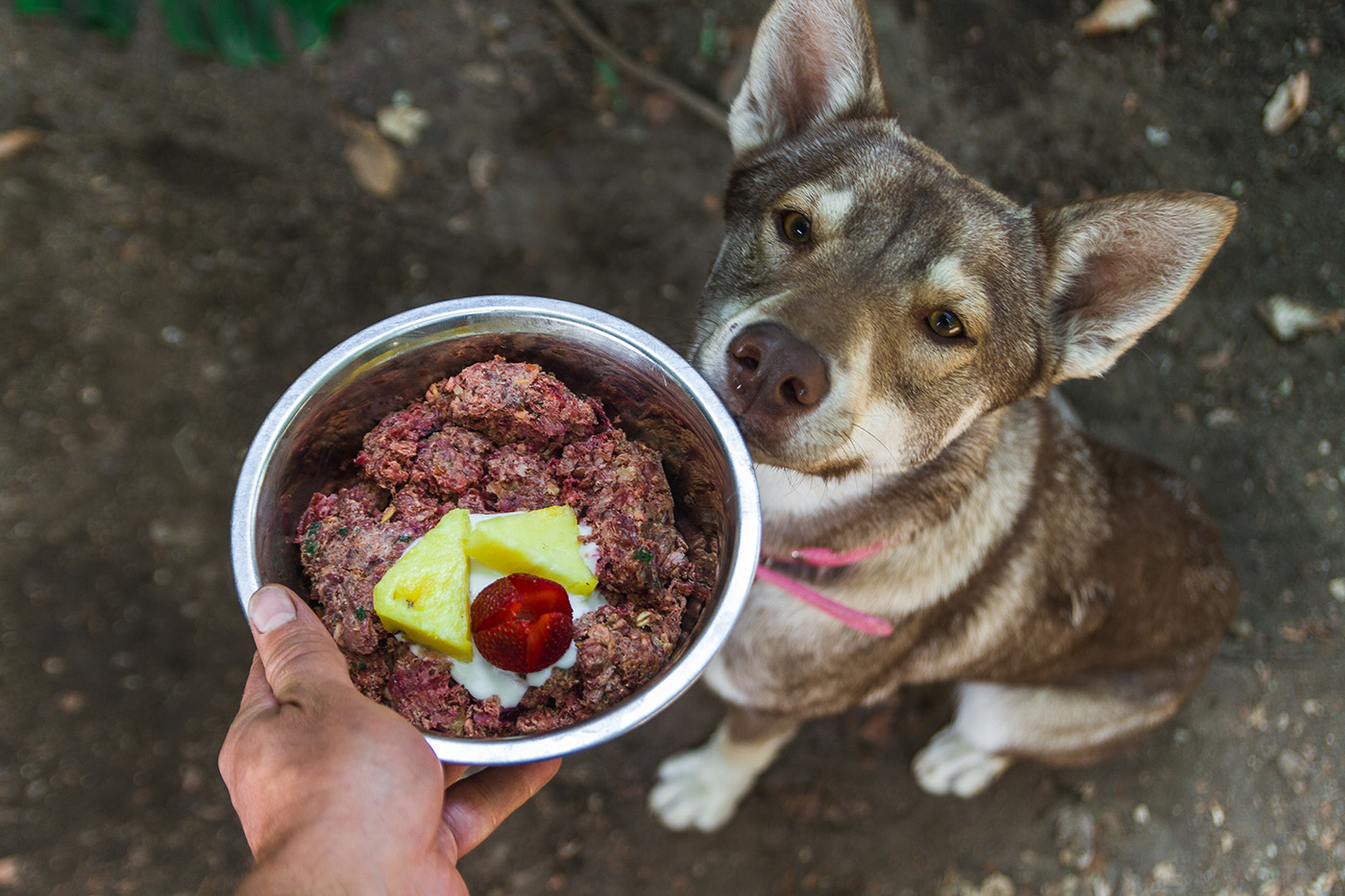
Credit: www.thisdogslife.co
Benefits Of Raw Food For Dogs
Feeding dogs raw food offers many health benefits. This diet mimics what dogs would eat in the wild. It provides natural nutrients without artificial additives. Many dog owners see positive changes in their pets after switching to raw food.
Improved Digestion
Raw food contains natural enzymes that help break down food. These enzymes support a dog’s digestive system. Dogs on raw diets often have firmer, smaller stools. This shows better digestion and less waste.
Enhanced Nutrient Absorption
Raw food keeps vitamins and minerals intact. Cooking can destroy important nutrients. Dogs absorb more nutrients from raw meat, bones, and vegetables. This leads to better overall health and vitality.
Healthier Skin And Coat
Raw diets provide essential fatty acids like omega-3 and omega-6. These fats improve skin hydration and reduce itching. Dogs often develop shinier, softer coats on raw food. This indicates good skin health and fewer allergies.
Increased Energy Levels
Raw food supplies high-quality protein and fat. These nutrients fuel a dog’s body efficiently. Many owners report their dogs have more stamina and playfulness. Better energy means dogs stay active and happy longer.
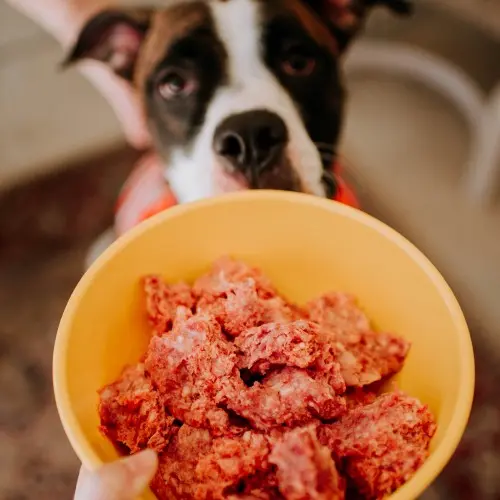
Credit: wefeedraw.com
Common Ingredients In Raw Diets
Switching your dog to a raw diet means you’ll be handling a variety of fresh ingredients that work together to boost your pet’s health. These ingredients aren’t just random picks—they each bring specific nutrients that support digestion, energy, and overall well-being. Understanding what goes into a raw diet can help you make smarter choices for your furry friend’s meals.
Raw Meats And Organs
Raw diets mainly focus on fresh meats like chicken, beef, turkey, and fish. These provide high-quality protein and essential amino acids your dog needs to stay strong and active.
Organs such as liver, kidneys, and heart are crucial too. They pack vitamins and minerals that muscle meat alone can’t offer, like vitamin A, iron, and zinc. Have you noticed how your dog’s coat shines and energy improves when you add these parts?
Vegetables And Fruits
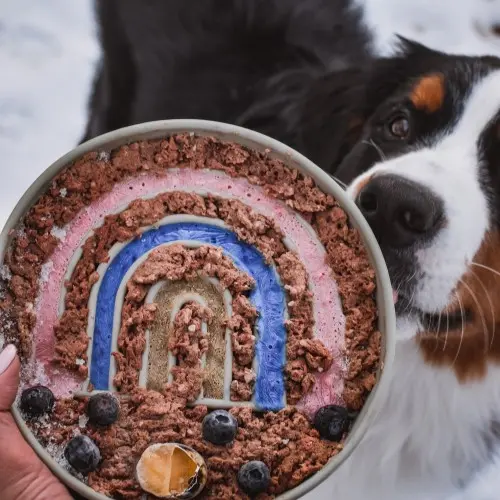
Vegetables and fruits add fiber, antioxidants, and natural vitamins to your dog’s meals. Common choices include carrots, spinach, blueberries, and apples, which support digestion and immune health.
It’s important to chop or puree these to help your dog absorb nutrients better. Do you think your dog enjoys the crunch and fresh taste of these natural treats?
Supplements And Additives
Even raw diets sometimes need a little boost from supplements. Fish oil, for example, adds omega-3 fatty acids that promote healthy skin and reduce inflammation.
Other common additives include ground eggshells for calcium and probiotics to support gut health. Have you tried adding any supplements to your dog’s meals to see how they react?
Comparing Raw Food To Commercial Kibble
Choosing the best diet for your furry friend can be challenging. Raw food diets are gaining popularity among pet owners. Many believe raw food is more beneficial than commercial kibble.
Nutrient Density Differences
Raw food is often richer in nutrients. It contains fresh ingredients with minimal processing. This means more vitamins, minerals, and enzymes for your dog. Kibble usually undergoes high heat processing. This can reduce the nutritional value of the ingredients. Raw food often provides better nutrient absorption for dogs.
Processing And Preservatives
Kibble is highly processed to ensure a long shelf life. It often contains preservatives and artificial flavors. These additives can affect your dog’s health over time. Raw food is less processed. It doesn’t have artificial preservatives or additives. This makes it a natural option for your pet.
Impact On Dog’s Immune System
A raw diet can strengthen your dog’s immune system. Fresh ingredients provide essential nutrients. These nutrients support immune health. Kibble, with its additives, may not offer the same benefits. Some dogs may develop allergies or sensitivities to ingredients in kibble. A raw diet can reduce these issues by offering a natural alternative.
Potential Challenges With Raw Feeding
Feeding your dog a raw diet can offer many benefits, but it’s important to be aware of the challenges you might face. Raw feeding requires careful attention to detail to keep your dog healthy and safe. Understanding these potential hurdles can help you decide if this approach fits your lifestyle and your pet’s needs.
Food Safety Concerns
Handling raw meat comes with risks of bacterial contamination like Salmonella and E. coli. These bacteria can affect both your dog and your family if proper hygiene isn’t followed.
Always use fresh, high-quality meat and store it at the right temperature. Clean surfaces, bowls, and utensils thoroughly after each use to reduce risks.
Have you thought about how you’ll manage these safety steps daily? It’s easier than many expect but requires commitment.
Balancing Nutrients Properly
Raw diets can lack essential nutrients if not planned carefully. Dogs need a balanced mix of proteins, fats, vitamins, and minerals to stay healthy.
Consult with a vet or a pet nutritionist to create a menu that meets your dog’s specific needs. You might need to add supplements like calcium or omega-3 fatty acids.
Have you checked if your dog’s current diet covers all nutritional bases? Switching to raw means monitoring this closely to avoid deficiencies.
Cost And Preparation Time
Raw feeding can be more expensive than commercial dog food, especially if you choose organic or specialty meats. Budgeting for this is essential to maintain consistency.
Preparation also takes more time—you’ll spend minutes cutting, portioning, and sometimes freezing meals.
Ask yourself if you can commit to this routine daily. Many dog owners find the extra effort rewarding when they see their dogs thrive.
Tips For Transitioning To A Raw Diet
Switching your dog to a raw food diet can feel overwhelming at first. It’s not just about swapping kibble for raw meat; it’s about making sure the change is smooth and healthy. Careful planning helps your dog adjust without digestive issues or stress.
Gradual Introduction Strategies
Start by mixing a small amount of raw food with your dog’s current diet. For example, add 10% raw food on the first day and slowly increase it over two to three weeks.
Watch how your dog reacts to the change. If you notice upset stomach or diarrhea, slow down the transition. Patience here prevents unnecessary discomfort and builds trust in the new diet.
Choosing Quality Ingredients
Pick fresh, high-quality meats from trusted sources. Your dog’s health depends on clean, nutrient-rich ingredients free of additives or harmful bacteria.
Include a variety of proteins like chicken, beef, and fish to cover different nutritional needs. Don’t forget organ meats and bones—they provide essential vitamins and minerals.
Monitoring Your Dog’s Health
Keep an eye on your dog’s energy levels, coat condition, and stool quality as you switch diets. These are good indicators of how well your dog is adapting.
Regular vet check-ups are crucial during this period. Blood tests can reveal if your dog is getting balanced nutrition or if you need to adjust the raw food plan.
Credit: wefeedraw.com
Signs Your Dog Thrives On Raw Food
Noticing how your dog reacts to a raw food diet can tell you a lot about its benefits. Dogs often show clear signs when they truly thrive on raw food. These signs go beyond just appearance—they touch on their energy, health, and even mood.
Improved Vitality And Behavior
Your dog might become noticeably more energetic and alert after switching to raw food. You could see them playing longer or being more eager for walks. Some owners report calmer behavior, with fewer signs of anxiety or restlessness.
Have you observed your dog acting more lively or focused during playtime? This change often reflects better nutrient absorption from raw meals.
Better Weight Management
Raw food can help your dog maintain a healthy weight naturally. Unlike some processed diets, raw meals tend to be nutrient-dense but low in fillers. This means your dog feels full without overeating.
If your dog’s weight stabilizes without strict dieting, it’s a good sign their metabolism is working well. You might also notice a leaner physique and less stubborn fat around their belly or hips.
Stronger Immune Response
One of the most important signs is fewer illnesses and quicker recovery times. Dogs eating raw food often experience less frequent infections and allergies. Their coats may shine brighter, and their skin feels healthier, indicating a robust immune system.
Does your dog bounce back faster after a minor illness? This resilience can be linked to the raw diet’s support of immune function.
Frequently Asked Questions
What Are The Benefits Of Feeding Dogs Raw Food?
Raw food improves digestion, boosts energy, and enhances coat health. It provides natural nutrients and fewer preservatives than processed food, promoting overall wellness and stronger immunity in dogs.
Is Raw Food Diet Safe For All Dog Breeds?
Yes, raw food can be safe for all breeds if properly balanced. Consult a vet to ensure the diet meets your dog’s specific nutritional needs and health conditions.
How Does Raw Food Improve A Dog’s Digestion?
Raw food contains natural enzymes and probiotics that aid digestion. It supports healthy gut bacteria, reduces stool volume, and minimizes digestive issues like gas and constipation.
Can Raw Food Help With A Dog’s Allergies?
Raw food may reduce allergies by eliminating artificial additives and fillers. It provides fresh, high-quality ingredients that can improve skin health and reduce itching or inflammation.
Conclusion
Feeding your dog raw food can improve their health and happiness. Dogs often enjoy the natural taste and texture. Raw diets can support better digestion and shinier coats. Many pet owners notice more energy and cleaner teeth. Always choose fresh, safe ingredients for your dog’s meals.
Consult a vet to ensure balanced nutrition. Raw food is a simple way to help your dog thrive. Give your furry friend the care they deserve.