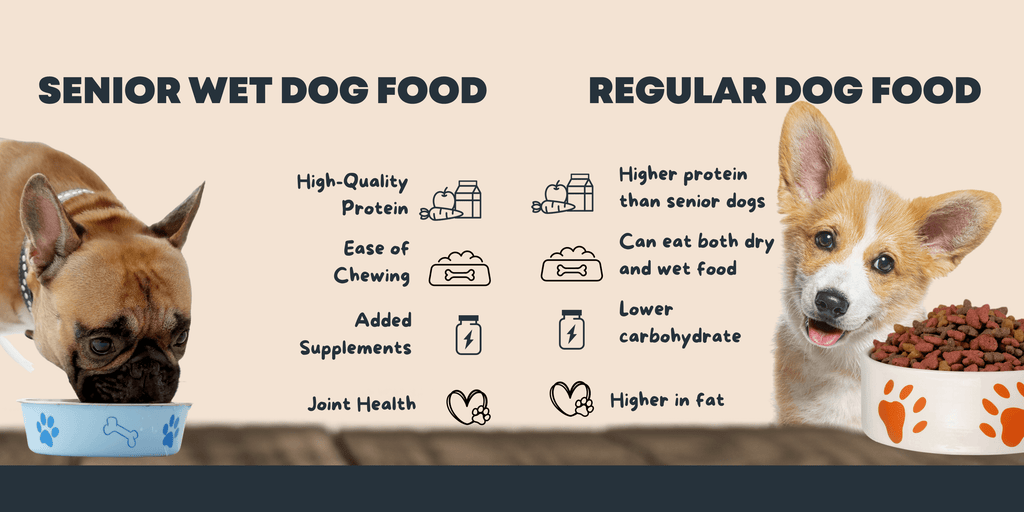

If you have a senior dog, you want to make sure they get the best nutrition possible. But can your older dog eat the same food as an adult dog?
You might wonder if adult dog food meets their unique needs or if it could cause problems. Understanding what’s right for your furry friend can make a big difference in their health and happiness. Keep reading to find out what you should feed your senior dog and why it matters more than you might think.
Credit: www.petsmart.com
Nutritional Needs Of Senior Dogs
Senior dogs have different dietary needs than younger dogs. Their bodies change as they age, affecting how they use nutrients. Choosing the right food supports their health and comfort in later years.
Changes In Metabolism
Older dogs burn calories more slowly. Their metabolism slows down naturally. This can lead to weight gain if their diet stays the same. They may need fewer calories but still require enough energy. Muscle mass often decreases, reducing their overall strength. Their digestion can also become less efficient, affecting nutrient absorption.
Key Nutrients For Aging Dogs
Protein remains important to maintain muscle health. Senior dogs benefit from high-quality, easily digestible protein sources. Fat content should be moderate to control weight but still provide energy. Fiber helps with digestion and keeps the gut healthy.
- Omega-3 fatty acids support joint and brain health.
- Antioxidants protect cells from aging damage.
- Vitamins and minerals keep the immune system strong.
- Glucosamine and chondroitin help maintain joint function.

Credit: www.businessinsider.com
Differences Between Adult And Senior Dog Food
Understanding the differences between adult and senior dog food is key to making the right choice for your aging pet. Senior dogs have changing nutritional needs that adult formulas might not fully meet. Let’s break down what sets these two types of dog food apart and why it matters for your dog’s health.
Calorie Content Variations
Senior dog foods generally have fewer calories than adult dog foods. Older dogs tend to be less active, so they burn fewer calories daily. Feeding them adult dog food with higher calorie content can lead to unwanted weight gain.
Think about your own lifestyle changes as you age—do you eat the same way as you did in your 20s? Dogs are similar. You want to provide just enough energy without overfeeding.
Protein And Fat Levels
Protein is essential for maintaining muscle mass, but senior dog foods often contain slightly lower protein levels compared to adult formulas. This helps reduce strain on aging kidneys. Fat content is also usually reduced to prevent obesity and promote heart health.
However, the quality of protein matters more than quantity. Senior formulas often include highly digestible proteins to support muscle maintenance without overloading the system.
Added Supplements In Senior Formulas
Senior dog foods often include supplements like glucosamine and chondroitin to support joint health. Omega-3 fatty acids may be added to reduce inflammation and improve coat condition. Antioxidants like vitamins E and C help boost the immune system as dogs age.
Have you noticed your senior dog’s joints getting stiffer? These added nutrients can make a significant difference in comfort and mobility.
Potential Risks Of Feeding Adult Food To Seniors
Feeding senior dogs with adult dog food can pose certain risks. As dogs age, their nutritional needs change. Adult dog food may not meet these needs. This can lead to health issues. It’s important to understand these risks before making a decision.
Weight Management Issues
Senior dogs often have slower metabolisms. Adult dog food has more calories and fat. This can lead to weight gain in senior dogs. Overweight dogs face many health challenges. These include heart problems and diabetes. Proper weight management is crucial for their health.
Digestive Concerns
Senior dogs may have sensitive stomachs. Adult dog food can be hard to digest. This might cause upset stomachs or diarrhea. Senior-specific food is gentler on their digestive systems. It helps maintain healthy digestion.
Joint And Bone Health
Older dogs often have joint and bone issues. Adult dog food lacks necessary nutrients for joint health. Seniors need glucosamine and chondroitin for strong joints. A lack of these can worsen arthritis or joint pain. Senior dog food includes these vital nutrients.
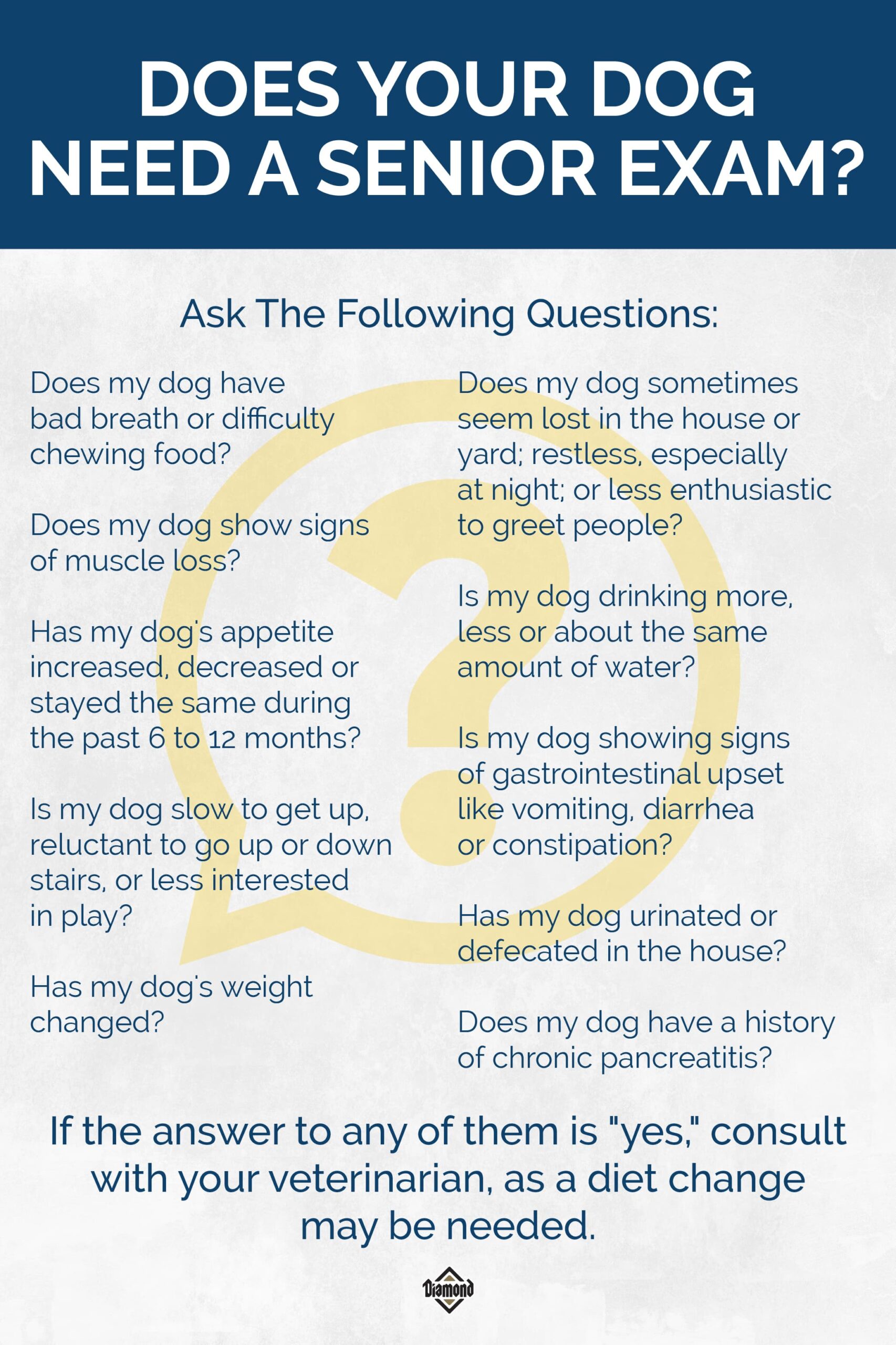
Credit: www.diamondpet.com
When Adult Dog Food Might Be Suitable
Senior dogs have different needs than younger adults. Yet, not all senior dogs require special food. Some healthy senior dogs can eat adult dog food safely. This depends on their weight, activity level, and health status.
Choosing the right food helps maintain their energy and body condition. Adult dog food might suit seniors who stay active and maintain a healthy weight. It often contains enough nutrients without extra calories that could cause weight gain.
Healthy Senior Dogs
Some senior dogs remain very active and healthy. Their joints and muscles stay strong. They do not have health problems like kidney or heart disease. These dogs may not need senior-specific food.
Adult dog food can keep these dogs fit and energetic. It provides balanced nutrition for maintenance. Their digestion may still handle regular adult formulas well. Watch their weight and coat condition to ensure food suits them.
Veterinary Recommendations
Veterinarians guide the best diet for senior dogs. They check health conditions and nutrition needs. Some vets say adult dog food is fine for certain seniors.
Doctors may suggest adult food when:
- The dog is healthy with no chronic illness
- The dog has a stable weight and good muscle tone
- The dog shows good digestion and energy levels
Regular check-ups help adjust diet as the dog ages. Veterinary advice ensures the food meets changing needs. Always consult a vet before making diet changes for senior dogs.
Tips For Transitioning Food Types
Transitioning your senior dog from adult dog food requires care and patience. Sudden changes can upset their stomach or cause refusal to eat. Use gentle steps to help your dog adjust smoothly. Observe their behavior and health closely during this time.
Gradual Switch Strategies
Start by mixing a small amount of new food with the old one. Increase the new food portion slowly over 7 to 10 days. This helps your dog’s digestive system adapt without stress. Keep the total food amount the same to avoid overeating. Use the following plan:
- Days 1-3: 25% new food, 75% old food
- Days 4-6: 50% new food, 50% old food
- Days 7-9: 75% new food, 25% old food
- Day 10: 100% new food
Serve meals at regular times and keep water available. This routine builds comfort and trust.
Monitoring Your Dog’s Response
Watch for signs of digestive upset like vomiting, diarrhea, or constipation. Note changes in appetite or energy level. Check your dog’s coat and skin for any dullness or irritation. Contact your vet if problems last more than a few days. Keep a journal of meals and reactions to track progress. Adjust the transition speed if your dog struggles. Patience ensures a happy, healthy senior dog.
Alternatives To Adult Dog Food For Seniors
Senior dogs have different nutritional needs than younger adults. Their metabolism slows down, and they may develop health concerns. Feeding adult dog food might not meet these new requirements. Fortunately, there are alternatives designed to support senior dogs’ health and vitality. These options focus on improving digestion, joint health, and energy levels.
Specialized Senior Diets
Specialized senior diets contain balanced nutrients for older dogs. These formulas usually have lower calories to prevent weight gain. They also include extra fiber to aid digestion. Ingredients like glucosamine and chondroitin help keep joints healthy. Antioxidants support the immune system, which weakens with age. Senior diets often have adjusted protein levels to ease kidney strain. These diets come in wet and dry forms, making feeding easier.
Homemade And Natural Options
Homemade meals give control over ingredients and freshness. Using lean meats, rice, and vegetables can create a gentle diet for seniors. Natural foods avoid additives and fillers found in some commercial foods. Adding supplements like fish oil helps with coat and joint health. It is important to consult a vet before switching to homemade food. Balance is key to prevent nutrient deficiencies or excesses. Homemade options can be tasty and nutritious for senior dogs.
Frequently Asked Questions
Can Senior Dogs Eat Adult Dog Food Safely?
Senior dogs can eat adult dog food occasionally. However, senior-specific formulas provide nutrients tailored for aging dogs. Consult your vet to ensure your dog’s dietary needs are met.
What Are The Risks Of Feeding Adult Food To Seniors?
Adult dog food may lack nutrients seniors need. It can cause weight gain or joint issues. Feeding senior dog food reduces these health risks.
How To Transition Senior Dogs To Adult Food?
Transition slowly by mixing adult food with senior food over 7-10 days. This helps avoid digestive upset and ensures your dog adjusts comfortably.
When Should Senior Dogs Switch To Adult Dog Food?
Switch only if vet recommends due to health or weight concerns. Generally, senior dogs thrive better on age-specific formulas designed for their needs.
Conclusion
Senior dogs need special nutrition to stay healthy and strong. Adult dog food may not meet their unique needs. Choosing the right diet helps with energy, joint health, and digestion. Always check with a vet to find the best food for your senior dog.
Feeding your dog properly can improve their quality of life. Keep their diet balanced and suited to their age. Small changes make a big difference in their health and happiness.
