Choosing the right food for your puppy is one of the most important decisions you’ll make as a pet owner. You might be wondering, “Can I feed my puppy adult dog food?” or “What happens if I switch too soon?” These questions matter because the food you give your puppy affects their growth, energy, and overall health.
If you want to make sure your furry friend grows strong and happy, keep reading. This guide will help you understand when and how to introduce adult dog food to your puppy, so you can feel confident about every meal you serve.
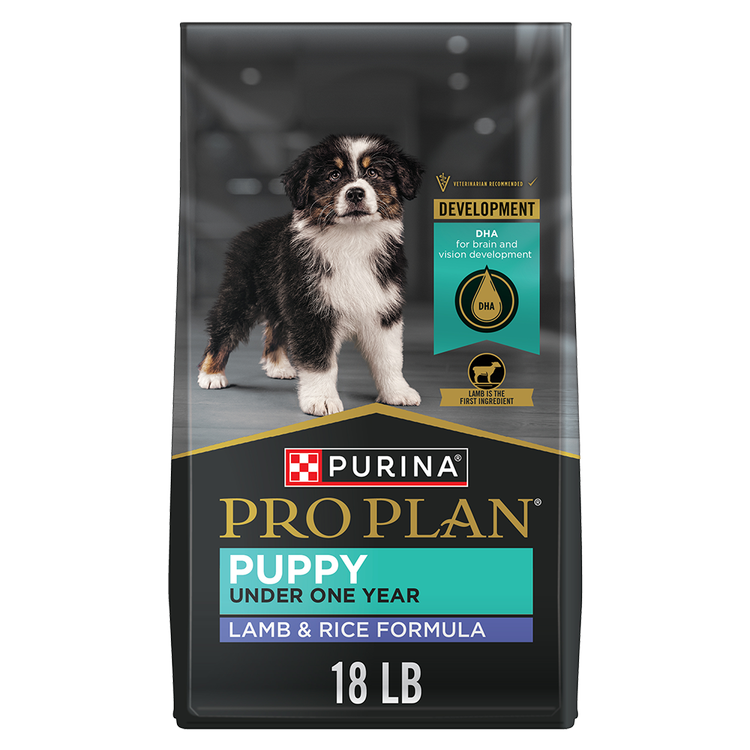
Credit: www.purina.com
Puppy Nutritional Needs
Puppies need special care in their diet to support fast growth and healthy development. Their bodies require more nutrients than adult dogs. Feeding them the right food helps build strong bones, muscles, and a good immune system. Understanding these needs guides you in choosing the best adult dog food for your puppy.
Essential Nutrients For Growth
Puppies need a balanced mix of vitamins and minerals. Key nutrients include calcium and phosphorus for bone health. DHA supports brain and eye development. Vitamins A, D, and E boost immunity and skin health. A lack of these nutrients can slow growth and cause health issues.
Calorie Requirements
Puppies burn a lot of energy playing and growing. They need more calories per pound than adult dogs. Feeding enough calories helps maintain healthy weight and supports active muscles. Too few calories can cause weakness, while too many lead to obesity.
Protein And Fat Importance
Protein builds muscles and repairs tissues. Puppies need high-quality protein sources like chicken, beef, or fish. Fat provides energy and helps absorb vitamins. Healthy fats also keep skin and coat shiny. Balanced protein and fat keep puppies strong and energetic.
Credit: www.thinkjinx.com
Differences Between Puppy And Adult Dog Food
Understanding the differences between puppy and adult dog food is key to feeding your furry friend properly. Puppies and adult dogs have different needs that affect their growth, energy, and overall health. Feeding the right food at the right stage ensures your dog develops strong bones, muscles, and a healthy immune system.
Ingredient Variations
Puppy food contains ingredients tailored to support rapid growth and brain development. You’ll often find higher levels of protein and fat, along with DHA, an omega-3 fatty acid important for cognitive function. Adult dog food, on the other hand, focuses on maintaining health and preventing weight gain with balanced proteins and fewer calories.
Think about your puppy’s energetic bursts and curiosity—these come with specific nutritional demands. Are you providing ingredients that fuel their play and learning, or just filling their bowl?
Nutrient Density
Puppy food is more nutrient-dense to meet the high energy needs of growing dogs. It packs more vitamins, minerals, and calories into each bite to support development. Adult dog food has fewer calories per serving since adult dogs typically burn less energy and require maintenance rather than growth support.
Feeding nutrient-dense food to an adult dog can lead to weight gain. Conversely, feeding adult dog food to a puppy might slow their growth or cause nutrient deficiencies. Are you aware of how nutrient density affects your dog’s health at different life stages?
Portion Sizes
Puppies need smaller, more frequent meals throughout the day to keep their energy steady and aid digestion. As they grow, meal frequency usually decreases, and portion sizes increase. Adult dogs generally eat larger portions less often—typically once or twice daily—depending on their size and activity level.
Adjusting portion size is more than just controlling weight; it influences your dog’s digestion and energy levels. How often do you reassess your dog’s portion sizes as they move from puppyhood to adulthood?
Risks Of Feeding Adult Food To Puppies
Feeding adult dog food to puppies can cause poor growth and nutrient gaps. Puppies need special food to support their developing bodies and energy needs. Using adult food risks weak bones and health problems.
Feeding your puppy adult dog food might seem like a convenient option, but it poses several risks that can impact your furry friend’s health and development. Puppies have unique nutritional needs that differ significantly from those of adult dogs. Neglecting these requirements can lead to serious health complications. Let’s delve into some of the key risks associated with feeding adult food to puppies.Nutrient Deficiencies
Puppies need specific nutrients to support their rapid growth and development. Adult dog food often lacks essential components like higher levels of protein and specific vitamins crucial for a puppy’s growth. This deficiency can lead to weaker bones, poor immune response, and reduced energy levels. Imagine trying to build a house without the right materials—your puppy’s development is no different.Growth Problems
Feeding adult dog food to puppies can lead to improper growth patterns. Puppies are in a critical growth phase, and any nutritional imbalance can result in skeletal deformities or joint issues. Have you ever wondered why some dogs develop hip dysplasia? Inadequate nutrition during their puppy years could be a factor. Ensuring your puppy receives the right nutrients can prevent these long-term health problems.Digestive Issues
Adult dog food can be harder for puppies to digest. Their digestive systems are still developing and require a diet that’s gentle and easy to process. Feeding them adult food can lead to stomach upset, diarrhea, or even vomiting. Remember how sensitive a baby’s stomach can be? Your puppy’s digestion needs the same careful attention. Choosing the right food for your puppy is crucial to setting them up for a healthy life. Are you giving your puppy the best start with their diet?When To Transition To Adult Dog Food
Knowing when to switch your puppy from puppy food to adult dog food is key to supporting their growth and health. Transitioning too early or too late can affect their nutrition and energy levels. Let’s look at clear signs and guidelines to help you decide the best time for your furry friend.
Age Guidelines
Most puppies start transitioning to adult food between 9 and 12 months old. Small breeds tend to mature faster, often ready by 9 months. Larger breeds may need to stay on puppy food up to 12 or even 18 months to support their longer growth period.
Think about your puppy’s breed and growth rate rather than just their age. For instance, a Chihuahua may be ready sooner than a Great Dane. Have you noticed how quickly your puppy is growing compared to others?
Breed Size Considerations
Breed size plays a huge role in deciding when to change your dog’s diet. Small and medium breeds finish growing earlier and can switch to adult food sooner. Large and giant breeds require more calories and nutrients for longer, so their transition should be slower and more gradual.
- Small breeds:9-12 months
- Medium breeds:Around 12 months
- Large breeds:12-18 months
- Giant breeds:Up to 18-24 months
Adjusting the timing based on size helps prevent nutritional deficiencies or excesses. Are you aware of your puppy’s expected adult size and growth timeline?
Signs Your Puppy Is Ready
Besides age and breed, watch your puppy’s behavior and body condition. If they seem less energetic or their growth has slowed, it might be time to switch. Healthy adult dogs usually have a leaner body compared to bulky puppies.
- Your puppy’s weight gain has plateaued
- Their teeth and bones are fully developed
- They show less playful puppy behavior and more calmness
- Your vet confirms they’re nutritionally ready
Pay attention to these signals rather than just a calendar date. Have you noticed changes in your puppy’s energy or physique that suggest they’re growing up?
Choosing The Right Adult Dog Food
Choosing the right adult dog food for your puppy is a big step. This change supports their growth and health as they mature. Adult dog food offers balanced nutrients suited for their new needs.
Picking the right food means understanding labels, checking for special needs, and asking your vet. Each dog is unique, so the right choice can vary.
Reading Labels
Labels show what is inside the food. Look for these key points:
- High-quality protein sources like chicken or lamb
- Essential vitamins and minerals for overall health
- Fat content suitable for energy but not too high
- No artificial colors, flavors, or preservatives
- Clear ingredient list with recognizable items
Understanding labels helps you avoid poor-quality foods. It ensures your dog gets the nutrition they need.
Consulting Your Veterinarian
Your veterinarian knows your puppy’s health best. They can recommend foods based on breed, size, and health issues.
Discuss any concerns like allergies or digestive problems. Vets can suggest diets that support a strong immune system and proper growth.
Considering Special Dietary Needs
Some dogs need special diets due to allergies or medical conditions. Others may require food for weight control or sensitive stomachs.
Look for options labeled for specific needs, such as:
- Hypoallergenic formulas
- Grain-free diets
- Low-fat or high-fiber foods
- Foods with added joint support
Choosing food that fits your dog’s health helps maintain their happiness and vitality.

Credit: nypost.com
Tips For A Smooth Food Transition
Switching your puppy to adult dog food is a big step in their growth journey. A smooth transition helps avoid tummy troubles and keeps your pup happy and healthy. Here are some straightforward tips to guide you through this change without stress.
Gradual Mixing
Start by mixing a small amount of adult dog food with your puppy’s current food. You might try 25% adult food and 75% puppy food for the first few days. Slowly increase the adult food portion over one to two weeks until your pup is eating only the new food.
Changing food too quickly can cause digestive upset. Have you noticed any changes in your puppy’s stool or appetite during food switches? Observing these signs helps you adjust the pace of transition.
Monitoring Health
Keep a close eye on your puppy’s energy levels, coat condition, and bathroom habits during the change. Healthy puppies stay active, have shiny fur, and regular bowel movements.
If you see vomiting, diarrhea, or lethargy, pause the transition and consult your vet. Sometimes, a certain adult food formula may not suit your pup’s sensitive stomach, and you’ll need to try a different one.
Adjusting Portions
Adult dog food often has different calorie levels than puppy food. Check the feeding guidelines on the package but remember they are just starting points. Your puppy’s activity, size, and growth rate will affect how much they need.
Watch your puppy’s weight and body shape weekly. Are they gaining too fast, or do they seem hungry all the time? Adjust portions accordingly to keep them fit and satisfied without overfeeding.
Common Mistakes To Avoid
Choosing the right adult dog food for your puppy is important, but equally important is avoiding common mistakes that can harm their growth and health. Puppies have unique needs that change quickly as they grow, and feeding them incorrectly can lead to long-term problems.
Overfeeding
It’s easy to think more food means a healthier puppy, but overfeeding can cause serious issues. Extra calories can lead to rapid weight gain, which stresses developing joints and bones. You might see your puppy gaining weight fast, but that doesn’t mean they’re healthier.
Try measuring portions carefully and stick to recommended feeding amounts on packaging or your vet’s advice. Are you sure your puppy’s food intake matches their energy levels and growth needs?
Ignoring Puppy Growth Stages
Puppies don’t grow at a steady pace, and their nutritional needs change in phases. Feeding adult dog food too early can leave them missing vital nutrients needed for bone development and brain growth. On the flip side, continuing puppy food too long can cause excess calories and nutrient imbalances.
Watch your puppy’s behavior and body condition closely. Does their food match the stage they’re in, or are you rushing ahead to adult food too soon?
Skipping Vet Advice
Your vet knows your puppy’s health history and can recommend the best food options. Ignoring their advice can lead to feeding mistakes that might be costly later. I once switched my puppy to adult food without checking, which caused digestive upset and slowed growth.
Don’t hesitate to ask questions and get tailored advice. Are you confident your puppy’s food choice supports their unique health needs?
Frequently Asked Questions
Can I Feed Adult Dog Food To My Puppy?
Yes, some adult dog foods meet puppy nutritional needs. Choose high-quality, balanced formulas suitable for growth. Consult your vet before switching to ensure proper nutrition.
When Should I Transition My Puppy To Adult Food?
Most puppies switch to adult food at 12 months. Large breeds may need more time. Transition gradually over 7-10 days to avoid digestion issues.
What Nutrients Should Adult Dog Food Have For Puppies?
Look for protein, fat, DHA, calcium, and vitamins. These support growth, brain development, and strong bones. Check labels for AAFCO approval for all life stages.
Is Adult Dog Food Safe For All Puppy Breeds?
Adult dog food can suit some breeds, but puppies need breed-specific nutrition. Large and giant breeds require special formulas. Always consult your vet for breed-specific advice.
Conclusion
Choosing the right adult dog food for your puppy needs care and attention. Nutrients, size, and age all matter. Puppies need food that supports growth and health. Always check labels and ingredients carefully. Talk to your vet for the best advice.
Switching foods slowly helps your puppy adjust well. Healthy food means a happy, strong dog. Feeding your puppy well sets a good start for life. Keep learning and watching your puppy’s needs closely. Your puppy will thank you with love and energy.