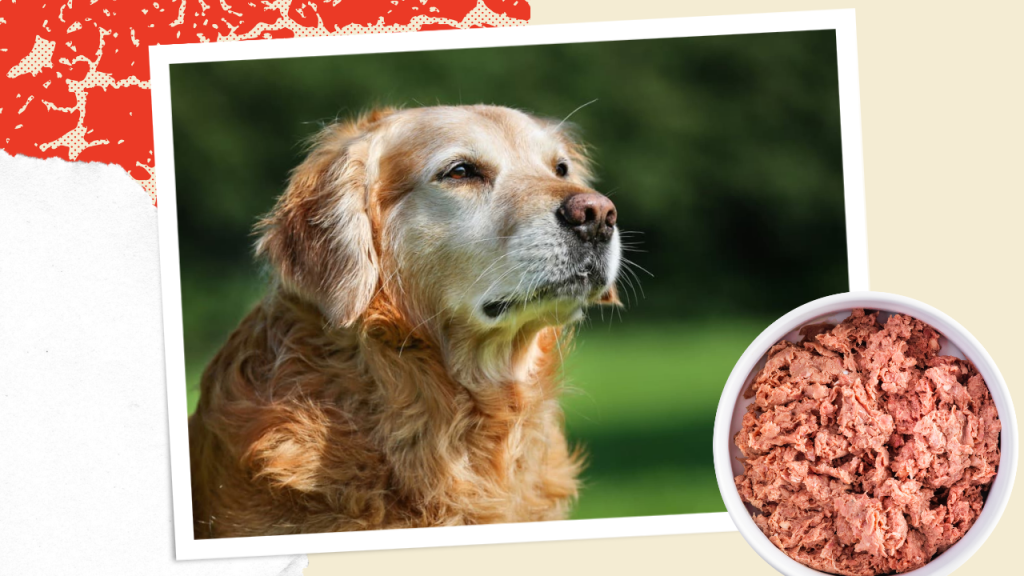

Are you wondering if raw food is the right choice for your senior dog? As your furry friend ages, their nutritional needs change, and you want to give them the best care possible.
But with so many opinions out there, it’s hard to know what’s truly healthy. Could raw food improve your senior dog’s energy, coat, or overall health? Keep reading to discover the facts and find out if switching to raw food could make a real difference in your dog’s golden years.
Benefits Of Raw Food For Senior Dogs
Raw food offers many benefits for senior dogs. It supports their changing bodies and keeps them active. Older dogs often face digestion and joint problems. Raw diets can ease these issues naturally. Quality nutrients in raw food improve overall health and vitality.
Improved Digestion And Nutrient Absorption
Raw food contains natural enzymes that help break down meals. These enzymes aid in better digestion and nutrient uptake. Senior dogs absorb more vitamins and minerals from raw meals. This can reduce stomach upset and improve energy levels. Easier digestion means fewer digestive problems for older dogs.
Enhanced Joint Health And Mobility
Raw diets often include ingredients rich in omega-3 fatty acids. These fats reduce inflammation and support joint health. Older dogs gain improved mobility and less stiffness. Raw food also provides natural glucosamine and chondroitin. These nutrients help maintain strong joints and cartilage.
Boosted Immune System
Raw food contains antioxidants and essential nutrients that strengthen immunity. Senior dogs can better fight infections and illnesses. A stronger immune system leads to fewer vet visits and health issues. Fresh, natural ingredients supply the body with vital support.
Healthier Skin And Coat
Raw diets are rich in healthy fats and vitamins for skin health. Senior dogs show shinier coats and less dryness. These nutrients reduce itching and improve fur texture. A healthy coat reflects overall well-being and comfort for older dogs.
Credit: wefeedraw.com
Potential Risks And Considerations
Feeding raw food to senior dogs has benefits but also some risks. It is important to know these risks before changing your dog’s diet. Senior dogs have special needs and weaker immune systems. This means they can get sick easier from unsafe food. Careful planning and hygiene are key to keeping your dog healthy.
Bacterial Contamination Concerns
Raw food can carry harmful bacteria like Salmonella and E. coli. These germs can cause serious illness in senior dogs. Dogs with weak immunity are more vulnerable to infections. Handling raw meat requires strict cleanliness. Always wash hands, bowls, and surfaces after contact. Store raw food properly to prevent spoilage. Freezing meat can reduce some bacteria but not all. Cooking kills bacteria but raw feeding skips this step. Be aware of the risks and take precautions.
Balancing Nutritional Requirements
Senior dogs need balanced nutrition for good health. Raw diets must include all essential nutrients. Lack of vitamins, minerals, or protein can lead to health problems. Some raw diets may lack calcium and phosphorus, important for bones. Older dogs may need more fiber for digestion. Consult reliable sources or use supplements if needed. Avoid feeding only muscle meat. Variety in raw ingredients helps meet nutritional needs. Monitor your dog’s weight and energy regularly.
Consulting Your Veterinarian
Talk to your vet before switching to a raw diet. Vets can assess your dog’s health and needs. They can suggest safe raw feeding practices. Some senior dogs may have conditions that raw food worsens. Your vet can recommend tests to check organ function. Regular check-ups help catch problems early. Share details about the raw diet you plan to use. A vet’s guidance reduces risks and improves your dog’s health.
Choosing The Right Raw Diet
Raw food can support senior dogs with better digestion and energy levels. Choosing the right diet means focusing on balanced nutrients and freshness. Older dogs may benefit from gentle, easy-to-digest raw ingredients.
Choosing the right raw diet for senior dogs requires careful consideration. As dogs age, their dietary needs change. A well-balanced raw diet can support their health and vitality. It’s important to select a diet that meets their nutritional requirements.Types Of Raw Food Options
Raw food options for senior dogs include several choices. You can choose from raw meat, bones, and organs. These provide essential proteins and nutrients. Some pet owners prefer commercial raw food products. These are available in frozen or freeze-dried formats. Homemade raw diets are another option. They allow for customization based on your dog’s needs.Key Ingredients To Include
Senior dogs need specific ingredients in their raw diet. Proteins from sources like chicken, beef, or fish are essential. Organ meats provide vital vitamins and minerals. Include vegetables like carrots and spinach for added fiber. Fruits such as apples offer antioxidants. These help in maintaining a healthy immune system.Supplements For Senior Dogs
Supplements can enhance the raw diet for older dogs. Glucosamine supports joint health and mobility. Omega-3 fatty acids promote skin and coat health. Probiotics aid digestion and improve gut health. Senior dogs benefit from additional vitamins and minerals. These supplements ensure a balanced and complete diet.Transitioning To A Raw Food Diet
Switching a senior dog to a raw food diet takes care and patience. Their digestive system is more sensitive now. Sudden changes can cause upset stomach or refusal to eat. A smooth transition helps your dog accept the new food without stress. This process protects their health while allowing time to adjust.
Gradual Introduction Techniques
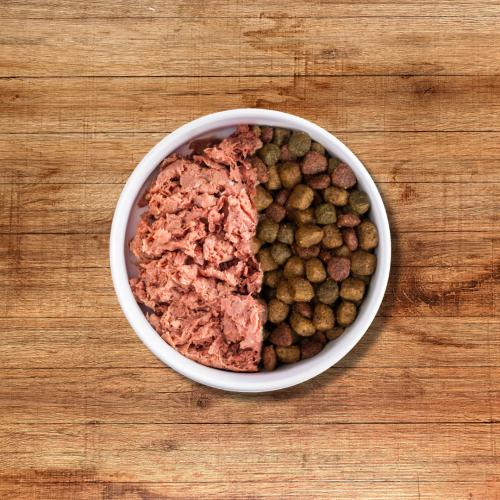
Start by mixing a small amount of raw food with their current diet. Increase the raw portion slowly over several days. Watch for any changes in appetite or digestion. Use soft raw ingredients first, like ground meat or finely chopped veggies. This makes it easier for your dog to try new flavors and textures.
Monitoring Your Dog’s Response
Observe your dog closely during the transition. Check for signs like vomiting, diarrhea, or constipation. Note any changes in energy or mood. Keep a daily journal of their eating habits and bathroom activity. This helps spot issues early and adjust the diet if needed.
Adjusting Portions And Meal Frequency
Senior dogs may need smaller, more frequent meals on a raw diet. Their metabolism slows with age, so large meals can overwhelm them. Divide daily food into two or three servings. Adjust portion sizes based on weight and activity level. This keeps digestion steady and energy balanced throughout the day.
Common Myths About Raw Feeding
Raw feeding for senior dogs sparks a lot of debate, often clouded by myths that can mislead you. It’s important to separate fact from fiction so you can make the best choice for your dog’s health. Let’s clear up some common misunderstandings around raw diets and how they really affect your aging companion.
Raw Food And Dental Health
Many believe raw food automatically improves dental health by scraping plaque off teeth. While chewing raw meaty bones can help reduce tartar, it’s not a guaranteed solution for every dog. Some senior dogs may have dental issues that require professional cleaning regardless of diet.
Have you noticed your dog’s chewing habits change with age? If so, you might need to adjust their diet or consult your vet about safe options that support dental care.
Raw Diet And Allergies
There’s a myth that raw diets cause allergies or worsen existing ones. Actually, raw food can help identify and eliminate allergens because it often contains fewer processed ingredients and additives. Many dog owners find their pets’ skin and coat improve after switching to raw.
However, not all proteins in raw diets suit every dog. Watch for reactions and try rotating proteins to see what works best for your senior dog’s sensitivities.
Misconceptions About Protein Levels
People often think raw diets are too high in protein for senior dogs, worrying about kidney strain. But protein needs vary with your dog’s health and activity level, and quality matters more than quantity. Raw diets typically provide balanced protein levels tailored to your dog’s natural requirements.
Are you concerned about your dog’s kidney health? Discuss protein intake with your vet to ensure the raw diet supports your senior dog without overloading their system.
Credit: wefeedraw.com
Real-life Success Stories
Many dog owners have shared positive stories about feeding raw food to their senior dogs. These real-life examples show how a raw diet can improve a dog’s health and happiness. The benefits often go beyond just nutrition. They reflect in daily energy, fewer health problems, and even longer life spans.
Improved Energy And Vitality
Senior dogs on raw diets often show more energy and liveliness. Owners notice their pets becoming more playful and active. Simple walks turn into joyful outings. This increased vitality helps dogs enjoy their golden years better.
Reduced Vet Visits
Raw food can help reduce common health issues in older dogs. Many owners report fewer trips to the vet for allergies, digestive problems, and joint pain. A cleaner diet supports a stronger immune system and healthier digestion.
Longevity And Quality Of Life
Some senior dogs on raw diets live longer than expected. Their quality of life improves with better mobility and less discomfort. Owners describe their pets as happier and more comfortable in old age.
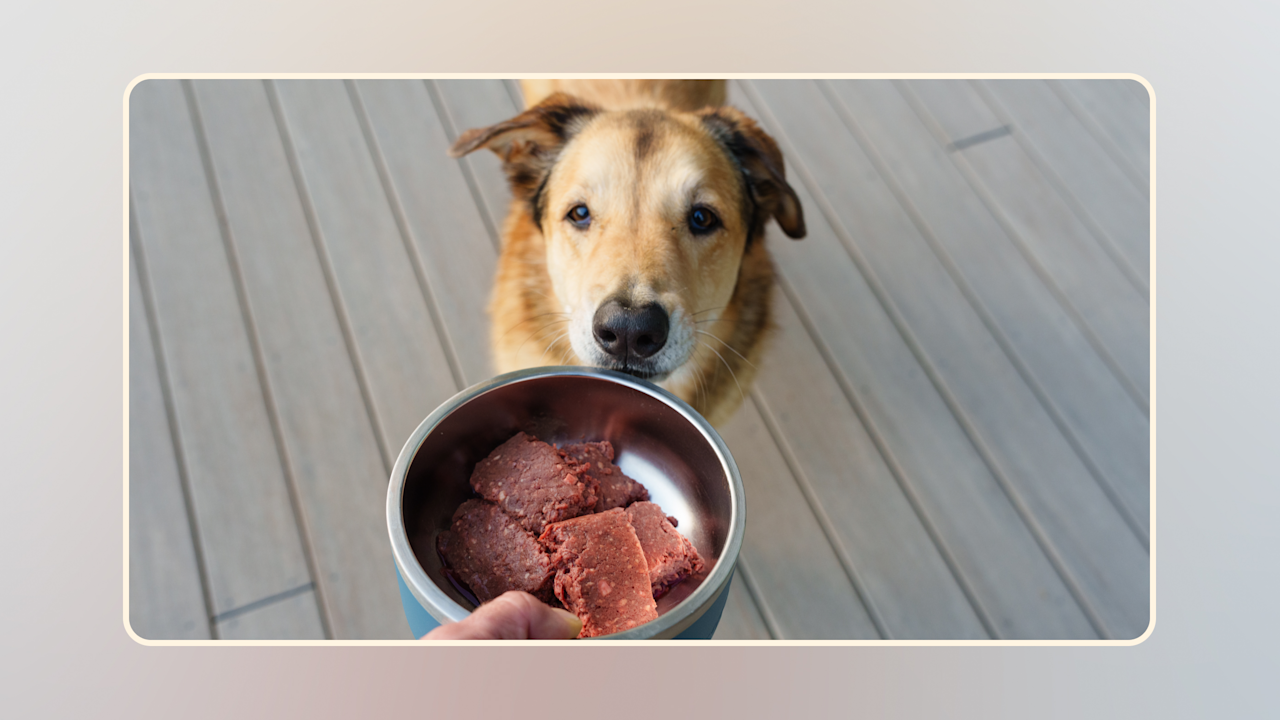
Credit: wefeedraw.com
Frequently Asked Questions
Is Raw Food Safe For Senior Dogs?
Raw food can be safe if balanced and hygienic. Consult a vet to ensure it meets your senior dog’s nutritional needs and avoid harmful bacteria risks.
What Are Benefits Of Raw Food For Senior Dogs?
Raw food may improve digestion, coat health, and energy. It provides natural nutrients and fewer additives compared to processed diets for aging dogs.
Can Raw Food Cause Health Risks In Older Dogs?
Yes, risks include bacterial infections and nutrient imbalances. Proper handling and vet guidance reduce these risks for senior dogs eating raw diets.
How To Transition Senior Dogs To A Raw Diet?
Switch gradually over 7-10 days mixing raw with old food. Monitor health and digestion closely during the transition to avoid upset.
Conclusion
Raw food can offer benefits for senior dogs, but it needs care. Quality ingredients and balanced nutrition matter most. Always talk to your vet before changing your dog’s diet. Watch your pet’s health and energy closely. Some dogs do better on raw food than others.
A good diet helps keep senior dogs happy and strong. Choose wisely, and your dog will thank you.