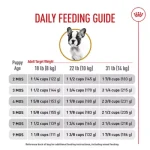
Wondering how much food your adult dog really needs if they don’t get much exercise? Feeding the right amount is key to keeping your furry friend healthy and happy.
Too much food can lead to weight gain, while too little can leave them tired and weak. You’ll discover simple, practical tips to find the perfect feeding balance for your low-activity dog. Keep reading, and you’ll learn how to make sure your dog stays fit without overfeeding or undernourishing them.
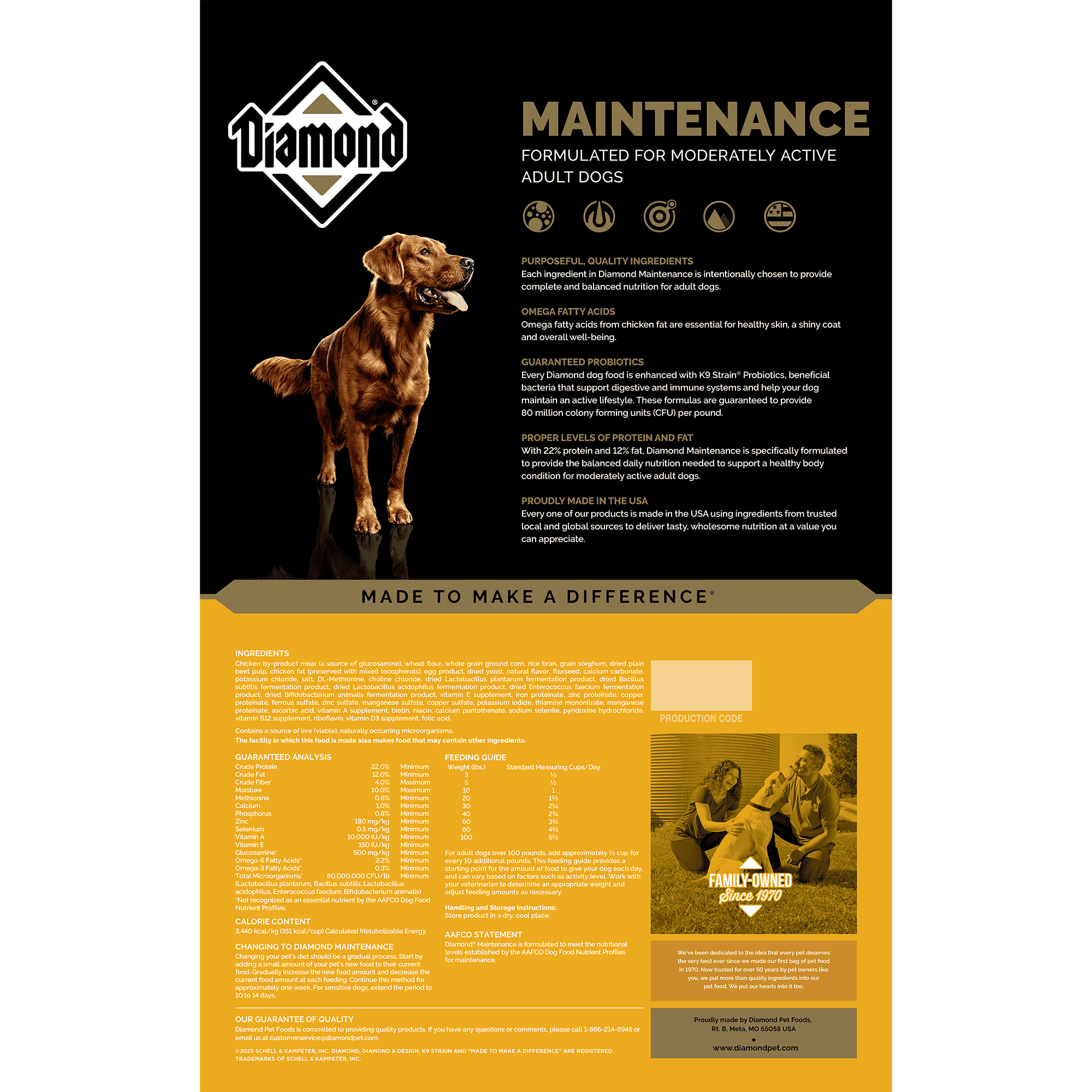
Credit: www.diamondpet.com
Daily Calorie Needs
Understanding your adult dog’s daily calorie needs is key to keeping them healthy, especially if they have a low activity level. Feeding too much can lead to weight gain, while too little can cause energy loss and health issues. Let’s look at what affects these calorie needs and how you can calculate the right amount for your furry friend.
Factors Influencing Calorie Intake
Several things affect how many calories your dog needs each day. Age plays a big role—older dogs usually burn fewer calories. Breed and size matter too; larger dogs need more calories than smaller ones, even if both are not very active.
Think about your dog’s metabolism. Some dogs naturally burn calories faster or slower. Also, consider health conditions. A dog with thyroid problems, for example, might need a different calorie amount than a healthy dog.
Do you know your dog’s exact activity level? Even low activity can vary—some dogs lounge all day, while others take short walks. This small difference changes calorie needs, so watch your dog’s routine closely.
Calculating Maintenance Calories
To find out how many calories your adult dog with low activity needs, start with their Resting Energy Requirement (RER). This is the energy needed for basic body functions at rest. Use this formula:
| Formula | Description |
|---|---|
| RER = 70 × (Body Weight in kg)0.75 | Calculates resting calorie needs |
Next, multiply the RER by an activity factor for low activity dogs, usually between 1.2 and 1.4. For example, if your dog weighs 10 kg:
- RER = 70 × (10)0.75≈ 394 calories
- Maintenance Calories = 394 × 1.3 (activity factor) ≈ 512 calories per day
This gives you a solid starting point. You can adjust based on your dog’s weight changes and energy levels over time. Are you tracking your dog’s weight regularly to see if this calorie amount keeps them steady?
Portion Sizes By Weight
Understanding the right portion sizes for your adult dog with a low activity level is essential to keep them healthy without overfeeding. Dogs need different amounts of food based on their weight, breed, and lifestyle. Feeding the correct portion helps prevent obesity and supports their overall well-being.
Recommended Food Amounts For Small Breeds
Small breed dogs, weighing up to 20 pounds, generally require smaller portions. Their metabolism is faster, but because they are less active, they don’t burn as many calories.
Typically, a small breed dog needs around 1/4 to 3/4 cupsof high-quality dry dog food daily. You can split this into two meals to keep their energy steady throughout the day.
Have you noticed your small dog begging for food? Sometimes, they just want attention, not extra calories. Stick to the measured portions to avoid weight gain.
Feeding Guidelines For Medium Breeds
Medium breeds usually weigh between 20 and 50 pounds. Their daily food intake depends on their exact weight and activity level.
For dogs in this category with low activity, aim for 3/4 to 1 1/2 cupsof dry dog food per day. Adjust this based on your dog’s body condition and appetite.
It helps to weigh your dog monthly. Seeing any gradual weight increase can signal you to reduce the portion size before it becomes a problem.
Portion Tips For Large Breeds
Large dogs, weighing over 50 pounds, need carefully controlled portions to prevent overfeeding. Their slower metabolism and low activity mean calories add up quickly.
Most large breeds benefit from 2 to 4 cupsof dry food daily, divided into two meals. Quality matters more than quantity here—choose nutrient-dense options.
Do you find it hard to measure large portions accurately? Using a standard measuring cup or a kitchen scale can make a big difference in consistency.
Choosing The Right Food
Adult dogs with low activity need less food to stay healthy. Feeding the right amount helps maintain their weight and energy. Always check your dog’s weight and adjust food portions as needed.
Choosing the right food for your adult dog with low activity levels is crucial to their overall health and happiness. You’ll want to select a diet that matches their energy needs without overloading them with unnecessary calories. This choice can significantly impact their weight, energy levels, and even mood.Dry Vs. Wet Food
Deciding between dry and wet food can feel overwhelming. Dry food, or kibble, is convenient and often more economical. It also helps with dental health by reducing plaque buildup. Wet food, on the other hand, can be more palatable and hydrating, making it a good option for picky eaters or those needing extra moisture in their diet. Have you noticed your dog showing more interest in one type over the other? Often, it’s about trial and error to see which they prefer and thrive on.Nutritional Content To Look For
When choosing food, the ingredients list should be your best friend. Look for high-quality protein sources as the first ingredient. Avoid products with excessive fillers like corn and soy. Essential fatty acids, such as omega-3 and omega-6, should also be present to keep your dog’s coat shiny and healthy. Additionally, ensure the food contains vitamins and minerals tailored for adult dogs, like calcium and phosphorus, which support bone health. Have you checked the nutritional label on your dog’s food recently? Ensuring it meets these criteria can make a world of difference in their well-being.Adjusting Food Amounts
Adjusting the amount of food you give your adult dog with low activity is essential to keep them healthy and happy. Every dog is unique, so the right portion can change based on factors like age, metabolism, and health. Paying close attention to how your dog responds to their meals helps you make smarter feeding choices.
Monitoring Body Condition
Keep an eye on your dog’s body shape regularly. You should be able to feel their ribs without pressing hard, but they shouldn’t be visible. A healthy waistline is also a good sign your dog is eating the right amount.
Try checking your dog’s body condition once a week. If you notice extra fat around the belly or ribs becoming hard to feel, it might be time to reduce the food. On the other hand, if your dog looks too thin or ribs stick out sharply, increasing their food could be necessary.
Signs Of Overfeeding And Underfeeding
Too much food can lead to weight gain, sluggishness, and even joint problems over time. Look for weight gain, panting after mild activity, or a noticeable loss of energy as red flags. These signs tell you to cut back on portions.
Underfeeding shows up as weight loss, low energy, and a dull coat. If your dog seems hungry all the time or is losing muscle, it’s a clear sign they need more food. Adjusting food amounts carefully can help avoid these issues and keep your dog feeling great.
Feeding Schedule Tips
Setting the right feeding schedule for your adult dog with a low activity level can make a big difference in their health and happiness. A well-planned routine helps control their weight, supports digestion, and keeps energy levels steady throughout the day. Let’s look at practical tips to create a feeding schedule that fits your dog’s calm lifestyle.
Meal Frequency For Low Activity Dogs
Adult dogs with low activity don’t need as many calories, so feeding smaller portions more frequently can prevent overeating. Most owners find that giving two meals a day works best—morning and evening.
This schedule keeps your dog satisfied without tempting them to snack excessively. If your dog tends to get hungry between meals, you might add a small, healthy snack like carrot sticks or a bit of plain cooked chicken.
Have you noticed if your dog seems restless or hungry between meals? Adjusting meal frequency can help manage these cues effectively.
Best Times To Feed
Consistency matters more than exact timing. Feeding your dog at roughly the same times each day helps regulate their digestion and behavior.
Many dog owners find these time slots effective:
- Morning:Between 7 and 9 AM
- Evening:Between 5 and 7 PM
If your dog has a slow metabolism, you might want to avoid feeding late at night to prevent discomfort. Also, try to feed your dog after a light walk rather than before intense exercise to reduce the risk of digestive issues.
Special Considerations
Feeding an adult dog with low activity levels isn’t just about measuring cups and calories. You need to think about unique factors that can affect their dietary needs. These special considerations ensure your dog stays healthy without gaining unnecessary weight.
Age And Health Factors
As dogs age, their metabolism slows down, and their energy needs drop. An older dog with low activity will require fewer calories than a younger adult dog. Watch for signs of weight gain or loss, and adjust portions accordingly.
Health issues like arthritis or hypothyroidism can also change how much your dog should eat. If your dog has been diagnosed with any condition, ask your vet about tailored feeding plans. Sometimes, a special diet with added nutrients or fewer fats is necessary to support their well-being.
Impact Of Neutering Or Spaying
Neutered or spayed dogs usually have lower energy needs. Their hormonal changes often slow metabolism, making them prone to weight gain if food portions stay the same. You might need to reduce their daily food intake by 20-30% compared to intact dogs.
It’s important to observe your dog’s weight and adjust feeding amounts gradually. Overfeeding a neutered dog can lead to obesity and related health problems. Have you noticed your pet gaining weight after surgery? That’s a clear sign to rethink their meal sizes.
Common Feeding Mistakes
Feeding an adult dog with low activity level requires careful attention. Many owners make common mistakes that affect their dog’s health. These errors often lead to overfeeding or underfeeding. Understanding these pitfalls helps maintain your dog’s ideal weight and well-being.
Overestimating Energy Needs
Many dog owners think their pet needs more food than necessary. Low activity dogs burn fewer calories daily. Giving extra food causes weight gain and health problems. Pay close attention to feeding guidelines on dog food packages. Adjust portions based on your dog’s actual activity level. Monitor weight regularly to avoid overfeeding.
Ignoring Treat Calories
Treats seem small but add up fast. These extra calories increase the total daily intake. Treats should never replace balanced meals. Use them sparingly and factor their calories into daily food amount. Choose low-calorie or healthy treat options. Keep treats less than 10% of your dog’s daily calories to prevent weight issues.

Credit: truthaboutpetfood.com
Credit: www.petmd.com
Frequently Asked Questions
How Much Food Does A Low Activity Adult Dog Need Daily?
A low activity adult dog generally needs 20 to 30 calories per pound daily. Adjust portions based on weight, age, and health for best results.
What Type Of Food Suits Low Activity Level Adult Dogs?
Low activity adult dogs benefit from high-quality, balanced food with moderate protein and fat. Choose formulas designed for weight control and joint health.
How Often Should I Feed My Adult Dog With Low Activity?
Feed your low activity adult dog twice daily. Regular meals help maintain steady energy and prevent overeating or weight gain.
Can Overfeeding Harm A Low Activity Adult Dog?
Yes, overfeeding can cause obesity, joint problems, and health issues. Monitor portions and adjust based on your dog’s activity and weight.
Conclusion
Feeding an adult dog with low activity needs care and attention. Give the right amount of food to keep them healthy. Too much food can cause weight gain and health problems. Too little food can make them weak and tired.
Watch your dog’s weight and adjust food as needed. Choose good quality food with balanced nutrients. Regular vet visits help ensure your dog stays fit and happy. Feeding well helps your dog live a long and joyful life. Simple steps bring big benefits for your furry friend.