
Are you wondering when to switch your puppy from their special puppy food to adult dog food? It’s a common question that many dog owners face.
Feeding your furry friend the right food at the right time is crucial for their health and growth. If you make the change too early or too late, it can affect their energy, weight, and overall well-being. You’ll discover the best age to start giving your puppy adult dog food, along with tips to make the transition smooth and stress-free for both you and your pup.
Keep reading to make sure you’re giving your dog the nutrition they truly need!
When To Switch Puppy Food
Knowing the right time to switch your puppy from puppy food to adult dog food is crucial for their health and development. Feeding your dog the wrong type of food at the wrong stage can affect their growth, energy levels, and overall well-being. Understanding when to make this change helps you support their nutritional needs effectively.
Growth Stages And Nutritional Needs
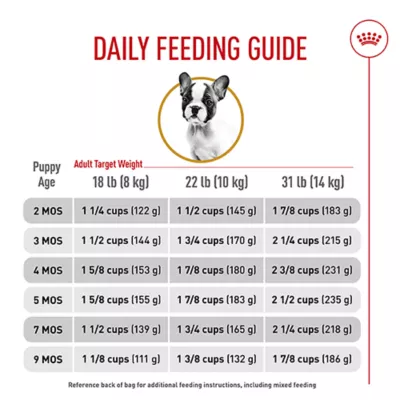
Puppies grow rapidly during their first year, and their dietary needs change as they develop. Puppy food is rich in protein, fat, and calories to fuel this growth, while adult dog food focuses more on maintenance and balanced nutrition.
Large breed puppies need more careful monitoring because switching too early or too late can lead to joint problems or obesity. Smaller breeds generally mature faster and can transition sooner.
Think about your puppy’s breed, size, and growth rate. These factors guide the timing for switching to adult food.
Signs Your Puppy Is Ready
Watch for clear signals that your puppy is ready for adult food. One common sign is when they reach about 80% of their expected adult size.
Other indicators include a slowing down of growth and reduced energy levels compared to their early puppy days. You might notice their appetite changes too.
Some pet owners find it helpful to consult their vet, who can assess your puppy’s weight, body condition, and developmental stage to recommend the right time for the switch.
Have you observed any changes in your puppy’s eating habits or energy? These clues often tell you when to start the transition.

Credit: pupford.com
Factors Influencing The Transition Age
Deciding when to switch a puppy to adult dog food depends on several key factors. Each dog grows and develops at its own pace. Recognizing these differences helps ensure the dog gets the right nutrition at the right time. This section covers the main elements affecting the transition age.
Breed Size And Growth Rate
Small breeds mature faster than large breeds. Small dogs may need adult food as early as 9 months. Large breeds grow slowly and might require puppy food up to 18 months. Feeding adult food too soon can cause nutritional gaps in growing dogs. Adjust feeding times based on your dog’s breed size and growth speed.
Health Considerations
Some puppies have health issues that affect their diet needs. Dogs with allergies or digestive problems may need special puppy formulas longer. Puppies recovering from illness might need extra nutrients before switching food. Consult a vet to tailor the feeding plan for your puppy’s health.
Activity Levels
Active puppies burn more energy and need more calories. Less active puppies require fewer calories to avoid weight gain. High-energy dogs may benefit from staying on puppy food longer for growth support. Observe your puppy’s daily activity to guide the food transition timing.
Choosing The Right Adult Dog Food
Choosing the right adult dog food is a key step when transitioning your puppy to a new diet. It’s not just about switching bags; it’s about ensuring your dog gets the nutrients they need to stay healthy and active. Making the right choice now sets the foundation for their well-being in the years ahead.
Key Nutrients To Look For
Your dog’s adult food should have a balanced mix of protein, fats, and carbohydrates. Protein supports muscle maintenance, while healthy fats provide energy and help keep their coat shiny.
Look for foods rich in omega-3 and omega-6 fatty acids, as these aid in brain development and skin health. Don’t forget vitamins like A, E, and minerals such as calcium and phosphorus, which strengthen bones and immune function.
Types Of Adult Dog Food
Adult dog food comes in various forms—dry kibble, wet canned food, and raw or freeze-dried options. Dry kibble is convenient and helps keep teeth clean, while wet food often has higher moisture content, which benefits hydration.
Raw and freeze-dried diets appeal to some owners seeking a more natural approach, but these require careful handling to avoid health risks. Think about your dog’s preferences and your lifestyle when choosing the type.
Reading Food Labels
Labels can be confusing, but they hold valuable information. Ingredients are listed in order of weight, so the first few ingredients matter most. You want to see real meat or fish named, not just by-products or fillers like corn or wheat.
Check for guaranteed analysis too—it tells you the percentages of protein, fat, fiber, and moisture. Avoid foods with artificial colors, flavors, or preservatives. Ask yourself: Does this food meet my dog’s specific needs?
Credit: dogsauce.co
How To Transition Food Safely
Puppies usually start eating adult dog food around one year old. Transition slowly by mixing puppy and adult food over 7-10 days. This helps avoid stomach upset and keeps your dog healthy.
Transitioning your puppy to adult dog food is a significant step. It’s important to do it safely to avoid any digestive issues. Sudden changes can upset your dog’s stomach. A gradual transition helps their system adjust smoothly.Gradual Mixing Method
Start by mixing a small amount of adult food with their puppy food. Gradually increase the adult food over 7-10 days. By the end, their meal should consist entirely of adult food. This slow method helps prevent tummy troubles.Monitoring Your Dog’s Reaction
Watch your dog’s behavior and digestion closely. Look for signs of discomfort or loose stools. If you notice any issues, slow down the transition process. Your puppy’s health should always be the priority.Common Transition Challenges
Some dogs may resist the new food’s taste or texture. Be patient and consistent with the transition. Occasionally, a dog might experience minor digestive upset. If problems persist, consult your veterinarian for advice.Special Cases And Exceptions
Puppy feeding timelines vary. Some dogs need different care than others. Special cases require extra attention when switching to adult dog food. Breed size and health needs affect the right time to change food. Understanding these exceptions helps keep your dog healthy and happy.
Small Vs. Large Breeds
Small breed puppies grow faster. They often switch to adult food around 9 to 12 months. Large breed puppies grow slower and need puppy food longer. Their bones develop for up to 18 to 24 months. Feeding adult food too soon can cause joint problems in large breeds.
Watch for signs your puppy is ready. These include slower growth and less energy. Always check with your vet for breed-specific advice. Each dog is unique, and their food should match their growth needs.
Puppies With Special Dietary Needs
Some puppies have allergies or health issues. They may need special diets beyond typical puppy food. Dogs with digestive problems might require food with extra fiber or probiotics. Puppies with food allergies need hypoallergenic or limited ingredient diets.
Veterinarians can recommend the best food types and timing for these puppies. Sudden food changes can cause upset stomachs. Transition slowly and monitor your puppy’s health. Special dietary needs mean feeding plans must be flexible and tailored.
Expert Tips For Feeding Adult Dogs
Feeding adult dogs the right way supports their health and energy. Experts share simple tips to help pet owners manage feeding with ease. These tips focus on portion control, feeding frequency, and a balanced diet.
Portion Control
Giving the correct amount of food keeps your dog fit and happy. Overfeeding can cause weight gain, while underfeeding leads to low energy. Use your dog’s weight and activity level as guides. Measure food with a standard cup or scoop. Adjust portions if your dog gains or loses weight.
Feeding Frequency
Adult dogs usually eat twice a day. This schedule helps keep their digestion steady. Avoid free-feeding, which means leaving food out all day. Regular meal times create routine and prevent overeating. Puppies need more frequent meals, but adult dogs do well with two.
Maintaining A Balanced Diet
A balanced diet includes proteins, fats, and carbohydrates. Look for dog food with quality ingredients and essential vitamins. Proteins help build muscles. Fats provide energy and healthy skin. Carbohydrates give fuel for activity. Fresh water should always be available.
Credit: www.thinkjinx.com
Frequently Asked Questions
When Should I Switch My Puppy To Adult Dog Food?
You should switch your puppy to adult dog food between 9 to 12 months. Large breeds may need adult food later, around 12 to 18 months. This timing supports proper growth and prevents obesity or nutritional imbalances.
Why Not Give Adult Dog Food To Puppies?
Adult dog food lacks essential nutrients puppies need for growth. Puppies require higher protein, fat, and calorie levels. Feeding adult food too early can stunt growth and harm their development.
How To Transition From Puppy To Adult Dog Food?
Transition gradually over 7-10 days by mixing increasing amounts of adult food with puppy food. This helps prevent digestive upset and allows your dog to adjust smoothly to the new diet.
Does Breed Size Affect When To Change Dog Food?
Yes, breed size influences the timing. Small breeds mature faster and switch earlier, around 9 months. Large breeds take longer, often up to 18 months, because they grow at a slower pace.
Conclusion
Feeding your puppy adult dog food depends on their size and growth. Most dogs switch around one year old, but large breeds may need more time. Watch their weight, energy, and teeth to know the right moment. Changing food slowly helps avoid stomach problems.
Good nutrition keeps your dog healthy and happy. Always ask your vet if unsure. Your puppy will thank you with a strong, joyful life. Simple steps bring great results.