Are you wondering if it’s okay to feed your puppy adult dog food? You’re not alone—many pet owners ask this question.
What you feed your puppy now can affect their growth, health, and energy levels. Giving them the wrong food might seem harmless, but it could lead to serious problems down the road. Keep reading to discover why choosing the right food matters and how it can help your puppy grow strong and healthy.
Nutritional Needs Of Puppies
Puppies have special nutritional needs that differ from adult dogs. Their bodies grow fast and require more energy and nutrients. Feeding the right food helps puppies build strong bones, muscles, and a healthy immune system. Adult dog food lacks some key ingredients essential for a puppy’s growth.
Growth Requirements
Puppies need more calories than adult dogs. Their metabolism works faster to support rapid growth. They require food rich in protein and fat for energy and development. Balanced meals help puppies gain weight steadily without becoming overweight. Feeding adult dog food may not meet these higher energy needs.
Key Nutrients For Development
- Protein:Builds muscles and supports tissue repair.
- Fat:Provides energy and helps brain development.
- Calcium and Phosphorus:Strengthen bones and teeth.
- Vitamins and Minerals:Boost immune health and overall growth.
- DHA (Docosahexaenoic Acid):Enhances brain and eye development.
These nutrients must be in the right amounts. Puppy food formulas are designed to balance them perfectly. Adult dog food often has lower levels of these essential nutrients, which can slow a puppy’s growth or cause health issues.
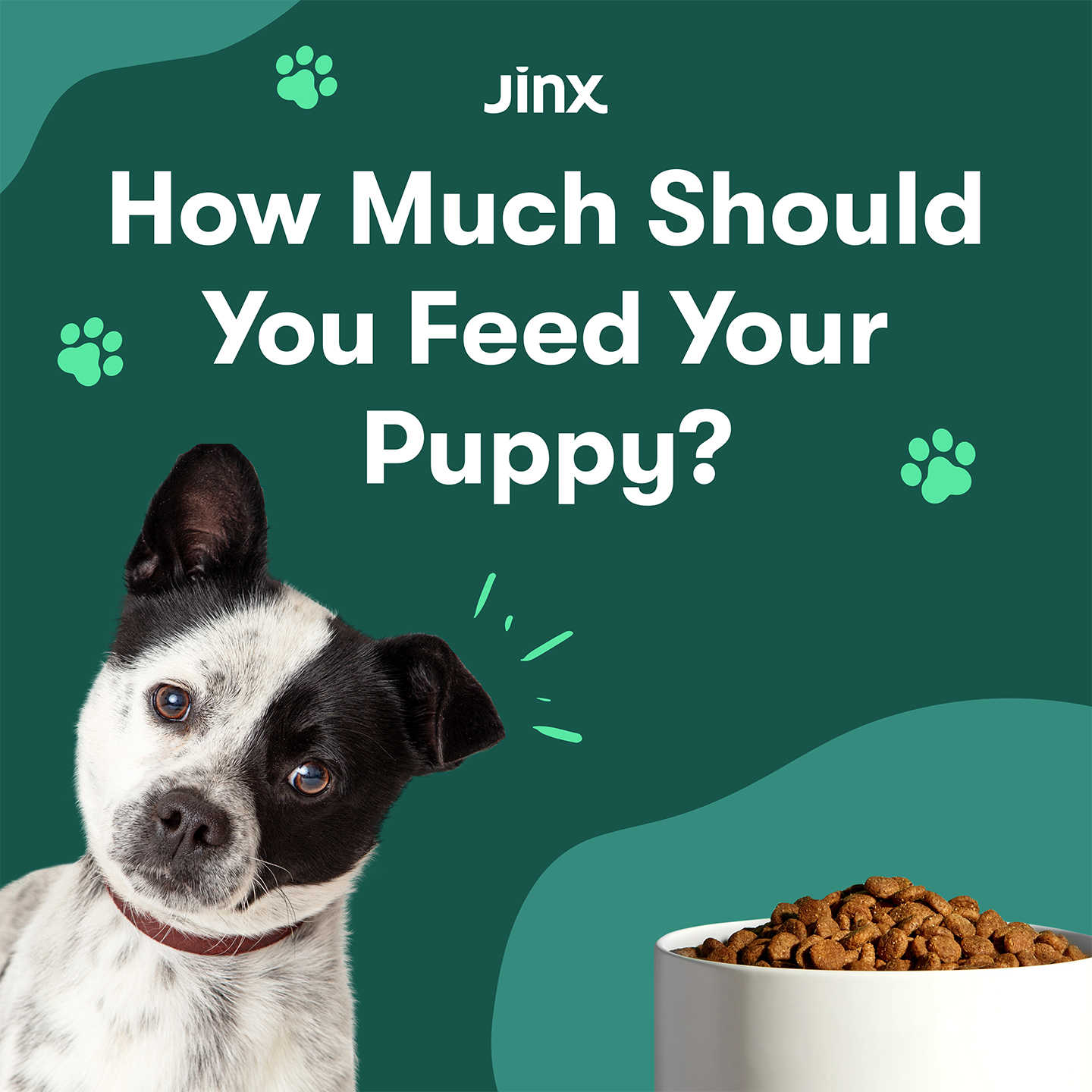
Credit: www.thinkjinx.com
Differences Between Puppy And Adult Dog Food
Feeding your puppy the right food is crucial for their growth and development. Puppy food is specially made to support their unique needs, which differ significantly from adult dogs. Understanding these differences helps you make the best choice for your furry friend’s health.
Caloric Content Comparison
Puppies burn more energy than adult dogs because they are growing rapidly and are often more active. Their food needs to provide more calories per serving to keep up with this energy demand.
Adult dog food typically has fewer calories since adult dogs require less energy to maintain their weight and activity level. If you feed a puppy adult food, they might not get enough calories, which can slow their growth or cause nutritional gaps.
Protein And Fat Levels
Protein is the building block for your puppy’s muscles, tissues, and overall development. Puppy food contains higher protein levels to support this intense growth phase.
Fat is equally important because it provides a concentrated energy source and helps with brain development. Adult dog food usually has less protein and fat, which might not be enough for a puppy’s health.
Think about your own needs: would you thrive on a diet meant for a sedentary adult if you were in a growth spurt? Your puppy’s body works the same way.
Vitamin And Mineral Variations
Puppies need specific vitamins and minerals, like calcium and phosphorus, in the right balance to build strong bones and teeth. Puppy food is formulated to meet these precise requirements.
Adult dog food has a different vitamin and mineral mix designed to maintain health rather than build it. Feeding adult food to puppies can lead to imbalances that affect their development.
Have you noticed how some puppies seem more energetic and healthy when switched to puppy food? That’s no coincidence—nutrition matters more than many realize.
Risks Of Feeding Adult Food To Puppies
Feeding adult dog food to puppies might seem convenient. Yet, it carries significant risks. Puppies have specific dietary needs crucial for their growth. Adult dog food often lacks these essential nutrients. This can lead to health issues for your young pet.
Potential Nutritional Deficiencies
Puppies need more protein and fat than adult dogs. These nutrients support their rapid growth. Adult food often falls short in these areas. This can lead to stunted growth and weak bones. Essential vitamins and minerals may also be missing. These are vital for a puppy’s development and immune system.
Impact On Growth And Health
Puppies grow quickly in their first year. They need a balanced diet to support this growth. Feeding them adult food can cause imbalances in their development. This could affect their physical health long-term. Poor nutrition might lead to joint problems and a weak immune system.
Digestive Issues
Puppies have sensitive stomachs. Adult dog food is harder to digest for them. This can cause digestive issues like diarrhea or vomiting. A proper puppy diet helps avoid these problems. It ensures a healthy digestive system as they grow.

Credit: www.petscare.com
When Adult Food Might Be Suitable
Adult dog food is made for dogs that have finished growing. It does not contain all the nutrients puppies need for healthy development. Yet, there are times when adult food can be okay for puppies. Knowing these moments helps keep your puppy safe and healthy.
Short-term Feeding Scenarios
Sometimes, puppies may eat adult dog food for a short time without harm. For example:
- Running out of puppy food during a trip
- Emergency situations where puppy food is unavailable
- Transitioning between foods while introducing new diet
In these cases, feeding adult food for a few days is usually safe. Watch your puppy for any signs of stomach upset or lack of energy. Return to puppy food as soon as possible to meet their growth needs.
Special Cases And Veterinary Advice
Some puppies may need adult food based on a vet’s advice. For example:
- Puppies with specific health issues or allergies
- Large breed puppies that require controlled growth
- Puppies recovering from illness with special diet plans
Veterinarians may recommend adult food formulas that suit these conditions. Always follow your vet’s guidance on feeding to ensure proper nutrition and health.
Transitioning Puppies To Adult Food
Transitioning puppies to adult food is an important step in their growth. Puppies need special nutrients to support their rapid development. As they grow older, their dietary needs change. Switching to adult food helps meet those new nutritional requirements. It also supports their health and energy levels as they mature. Timing and method of transition can affect their digestion and appetite. A smooth switch reduces risks of stomach upset. Careful observation and gradual changes make the process easier for puppies.
Signs To Switch
- Puppy reaches about 80% of adult size
- Age is around 9 to 12 months for most breeds
- Reduced growth rate and less playful energy
- Veterinarian recommends changing diet
- Noticeable changes in chewing or eating habits
Gradual Transition Steps
- Start mixing small amounts of adult food with puppy food
- Increase adult food portion slowly over 7 to 10 days
- Watch for any stomach upset or changes in stool
- Offer fresh water with every meal
- Maintain consistent feeding times
- Remove puppy food completely after transition period
- Consult vet if puppy refuses new food or seems ill
Tips For Choosing The Right Puppy Food
Choosing the right food for your puppy is very important. Puppies need special nutrients to grow healthy and strong. Their food must support their energy, bones, and brain development. Picking the best food takes some care and knowledge. Here are some tips to help you make a good choice.
Reading Labels
Always check the food label carefully. Look for the words “complete and balanced.” This means the food has all needed nutrients. Make sure the food is made for puppies, not adults. Ingredients like protein, fat, and vitamins should be listed. Avoid foods with too many fillers like corn or wheat. Also, check the guaranteed analysis for nutrients. It shows the minimum and maximum amounts of protein, fat, and fiber. This helps ensure your puppy gets enough energy and nutrition.
Consulting Professionals
Talk to your vet about your puppy’s diet. They know what your puppy needs based on breed and size. Vets can recommend trusted brands and formulas. They can also help if your puppy has allergies or health problems. A pet nutritionist can give extra advice too. Getting expert advice reduces guesswork and keeps your puppy safe. Always ask questions and share any concerns you have about feeding your puppy.

Credit: us.eukanuba.com
Frequently Asked Questions
Can Puppies Eat Adult Dog Food Safely?
Puppies should not eat adult dog food regularly. Adult food lacks essential nutrients needed for puppy growth and development. Feeding adult food can lead to nutritional deficiencies. Always choose food formulated specifically for puppies to support their energy and immune system needs.
What Happens If Puppies Eat Adult Dog Food?
Puppies eating adult dog food may miss vital nutrients like DHA and calcium. This can cause poor growth, weak bones, and low immunity. Occasional adult food is okay, but consistent feeding risks health problems. Puppy food ensures balanced nutrition for healthy development.
When Can Puppies Switch To Adult Dog Food?
Puppies can switch to adult dog food around 12 months old. Large breeds may need up to 18 months. Transition gradually to avoid digestive upset. Consult your vet to determine the best timing based on your puppy’s breed and health.
Is Adult Dog Food Cheaper Than Puppy Food?
Adult dog food may be cheaper but lacks puppy-specific nutrients. Investing in puppy food ensures proper growth and health. Choosing quality puppy food prevents costly vet visits later. Prioritize nutrition over cost for your puppy’s well-being.
Conclusion
Puppies need special food to grow strong and healthy. Adult dog food lacks some important nutrients for puppies. Feeding adult food to puppies can cause problems. It is best to choose food made just for puppies. This helps their bones and muscles develop well.
Always check with a vet if unsure about feeding. Good nutrition now means a happy, healthy dog later. Take care with your puppy’s diet every day. Their future depends on the food you give today.