
Are you curious about what raw food for dogs really means? If you want the best for your furry friend, understanding raw food can change the way you think about their diet.
This isn’t just another feeding trend—it’s about giving your dog natural, wholesome nutrition that can boost their health and energy. Keep reading to discover what raw food is, why it might be a great choice for your dog, and how to get started safely.
Your dog’s well-being could depend on what’s in their bowl.
Benefits Of Raw Feeding
Feeding dogs raw food offers many health benefits. This natural diet mimics what dogs ate before commercial foods existed. It can improve their overall well-being and vitality. Dogs often show positive changes after switching to raw feeding.
Improved Digestion
Raw food is easier for dogs to digest than processed kibble. It contains natural enzymes that help break down nutrients. This leads to less stool and firmer waste. Dogs with sensitive stomachs often feel better on a raw diet.
Better Coat And Skin
Raw diets provide essential fatty acids and vitamins. These nutrients help produce a shiny, soft coat. Dogs also experience less itching and dry skin. Healthy skin means fewer allergies and less scratching.
Enhanced Energy Levels
Raw food supplies high-quality proteins and fats. These are great sources of clean energy. Dogs often become more active and playful. Improved energy means they enjoy walks and playtime more.
Stronger Immune System
Raw diets contain natural antioxidants and nutrients. These help boost the immune system. Dogs on raw food tend to get sick less often. A strong immune system supports overall health and longevity.

Credit: micromed.org.nz
Essential Components Of Raw Diet
The essential components of a raw diet provide balanced nutrition for dogs. Each part plays a specific role in supporting health and energy. Understanding these elements helps create a complete and safe meal plan. A raw diet mimics what dogs ate before domestication.
Careful selection of ingredients ensures proper vitamins, minerals, and protein. Variety keeps the diet interesting and nutritious. Here are the key parts of a raw food diet for dogs.
Muscle Meat
Muscle meat is the main source of protein in a raw diet. It provides amino acids essential for muscle growth and repair. Common choices include beef, chicken, turkey, and lamb. Muscle meat also delivers important nutrients like iron and zinc. Fresh, high-quality meat supports strong muscles and overall health.
Bones And Cartilage
Raw bones and cartilage supply calcium and phosphorus. These minerals strengthen teeth and bones. Chewing on raw bones also helps clean teeth naturally. Cartilage offers glucosamine, which supports joint health. Avoid cooked bones as they can splinter and cause harm.
Organs
Organs are nutrient-dense and rich in vitamins. Liver is a top choice for vitamin A and iron. Kidneys provide B vitamins and essential minerals. Other organs include spleen and heart, which add variety and nutrients. Organs should make up about 10-15% of the raw diet.
Fruits And Vegetables
Fruits and vegetables add fiber, antioxidants, and vitamins. Common options are carrots, spinach, blueberries, and apples. These support digestion, immune health, and reduce inflammation. Some dogs may not digest vegetables well, so grind or puree for easier eating.
Choosing Safe Ingredients
Choosing safe ingredients ensures your dog’s raw food is healthy and free from harmful bacteria. Fresh, high-quality meats and organic vegetables help support your dog’s well-being. Avoid processed or spoiled items to keep meals nutritious and safe.
Choosing the right ingredients for your dog’s raw food is crucial. Dogs thrive on fresh, safe, and nutritious meals. Knowing what goes into their bowl ensures their health and happiness. Let’s explore how to choose the best ingredients.Selecting Quality Meats
Quality meat forms the foundation of a raw diet. Opt for meats like chicken, beef, or turkey. These are rich in protein and essential nutrients. Ensure the meat is human-grade and free from antibiotics. This protects your dog from harmful additives. You can also consider lamb or venison for variety. Always inspect meat for freshness and quality. Good meat should have a bright color and firm texture.Avoiding Harmful Foods
Not all foods are safe for dogs. Avoid foods like chocolate, grapes, and onions. These can be toxic and harmful. Also, steer clear of fatty cuts of meat. They can cause digestive issues. Remove bones that can splinter easily. These can cause choking or internal damage. Be cautious with fish that may contain high mercury levels. Always research new foods before adding them to your dog’s diet.Importance Of Freshness
Freshness is key in a raw diet. Fresh ingredients retain more nutrients. They also taste better to your dog. Store meats in the fridge and use them within a few days. Freeze any portions you won’t use immediately. Thaw frozen meats slowly in the fridge. This maintains their quality and safety. Check expiration dates regularly. Discard anything past its prime. Freshness ensures your dog gets the best nutrition possible.Preparing Raw Meals
Preparing raw meals for your dog takes thought and care to ensure they get the right nutrition safely. It’s not just about tossing raw ingredients together; you need to handle, store, and balance the food properly. Let’s look at how you can prepare meals that keep your dog healthy and happy.
Proper Handling And Storage
Raw food can carry bacteria, so handling it correctly is crucial. Always wash your hands before and after preparing meals. Use separate cutting boards and utensils for raw meat to avoid cross-contamination.
Store raw ingredients in sealed containers or bags. Keep them in the coldest part of your fridge or freezer. Make sure to thaw frozen meat in the fridge, not on the counter, to prevent bacterial growth.
Balancing Nutrients
Your dog needs a balance of proteins, fats, vitamins, and minerals in their raw diet. It’s tempting to feed just muscle meat, but bones, organs, and vegetables are also important. For example, adding liver provides essential vitamins, while ground bone adds calcium.
Think about your dog’s breed, age, and activity level when planning meals. You might want to track the ingredients to make sure the diet stays balanced over time. Have you checked if your dog’s meals cover all nutritional bases?
Portion Sizes
Feeding the right amount prevents obesity and keeps your dog energetic. A common rule is to feed about 2-3% of your dog’s body weight daily. For a 50-pound dog, that’s roughly 1 to 1.5 pounds of raw food per day.
Divide the daily amount into two meals to help digestion. Watch your dog’s weight and energy levels, and adjust portions as needed. Does your dog seem hungry or too full after meals? That’s a sign to tweak the portions.
Common Myths About Raw Feeding
Raw feeding for dogs often sparks plenty of debates, mostly due to misunderstandings. Many myths swirl around this diet choice, creating confusion for pet owners who want the best for their furry friends. Let’s break down some common myths so you can make informed decisions about your dog’s nutrition.
Raw Diets Are Unsafe
Many believe raw diets expose dogs to harmful bacteria and parasites. While raw meat can carry risks, proper handling and sourcing from reputable suppliers minimize these dangers. Cooking doesn’t eliminate all risks either—cross-contamination happens in kitchens all the time.
Have you ever noticed how wild dogs eat raw prey without getting sick? Their digestive systems are designed to handle raw food safely. You can replicate this by following hygiene tips like freezing meat before use and cleaning bowls regularly.
Dogs Need Cooked Food
It’s a common thought that dogs require cooked meals for proper digestion. However, dogs descended from wolves, naturally eating raw meat and bones. Their bodies produce strong stomach acids that break down raw proteins efficiently.
If your dog struggles with a cooked diet or shows signs of allergies, raw feeding might improve their health. Have you seen changes in your dog’s coat, energy, or digestion after switching to raw? Many owners report noticeable benefits.
Raw Feeding Is Expensive
Cost worries often stop people from trying raw feeding. While premium raw ingredients can be pricey, you can manage expenses by planning meals and buying in bulk. Seasonal sales and local butchers are great sources for affordable quality meat.
Think about the money saved on vet bills if your dog’s health improves with a raw diet. Investing in your dog’s nutrition may pay off in fewer health issues and better overall wellness. How much is your dog’s health worth to you?

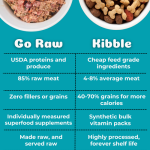
Credit: gorawpetfood.com
Transitioning Your Dog To Raw Food
Transitioning your dog to raw food takes patience and care. Dogs need time to adjust to new tastes and textures. Making changes too fast can upset their stomachs or cause refusal to eat. Preparing your dog for this shift helps ensure a smooth change.
Gradual Introduction
Start by mixing a small amount of raw food with your dog’s current diet. Increase the raw portion slowly over two to four weeks. Watch if your dog accepts the new food without stress. This gentle change helps avoid sudden digestive problems.
Monitoring Health Changes
Keep an eye on your dog’s energy, coat, and weight. Note any changes in behavior or appetite. Look for signs like lethargy or excessive thirst. Regular checks help catch health issues early. Consult a vet if you notice anything unusual.
Dealing With Digestive Issues
Some dogs may have soft stools or mild diarrhea at first. This is normal during the diet switch. Offer plenty of fresh water and keep meals smaller. If problems last more than a week, reduce raw food amount. Contact a vet if symptoms worsen or persist.
Supplements And Additions
Supplements and additions play a crucial role in a raw food diet for dogs. They help fill nutritional gaps and keep your dog’s meals balanced and exciting. Understanding when and how to add these extras can make a big difference in your dog’s health and happiness.
When To Use Supplements
Not every raw diet needs supplements, but some situations call for them. If your dog has specific health issues or is missing certain nutrients, supplements can help. For example, adding fish oil boosts omega-3 fatty acids, supporting joint health and shiny coats.
You might also consider supplements during growth stages or for older dogs needing extra support. Always check with your vet before adding anything new. Have you noticed your dog lacking energy or having dull fur? That could be a sign to add supplements.
Safe Treat Options
Treats should be healthy and fit into the raw diet plan. Safe options include small pieces of raw meat, freeze-dried organs, or crunchy veggies like carrots. These treats provide extra nutrients without fillers or unhealthy additives.
Keep treats occasional and avoid anything processed or high in salt and sugar. Did you know that some dogs prefer the texture of frozen treats? Try freezing broth or small meat chunks for a refreshing snack that’s both safe and enjoyable.
Hydration Importance
Water is vital when feeding raw food. Since raw meals have less moisture than wet canned food, your dog needs plenty of fresh water. Make sure to refill their bowl often and consider adding broth for extra hydration.
Some dogs drink less water than they should. You can encourage hydration by offering ice cubes or mixing water into their food. Are you tracking how much your dog drinks daily? Staying hydrated supports digestion and overall health.

Credit: www.k9sovercoffee.com
Consulting With Veterinarians
Switching your dog to a raw food diet is a big decision that affects their health in many ways. Getting advice from a veterinarian can make the process safer and more effective. Vets can help you understand what raw feeding really means and how to meet your dog’s unique needs.
Finding A Raw Feeding-friendly Vet
Not all vets support raw diets, so finding one who understands and respects your choice is important. Ask around in local pet communities or search online for vets experienced with raw feeding. A vet who is open to discussing raw food without judgment can offer valuable guidance and tailored advice.
Regular Health Checks
Once your dog starts on raw food, regular vet visits become key to tracking their health. These checkups can catch any nutritional gaps or health issues early. Blood tests, weight monitoring, and dental exams help ensure the raw diet is benefiting your dog as intended.
Adjusting Diet Based On Needs
Your dog’s needs can change over time due to age, activity, or health conditions. A vet can help you tweak the raw food plan to fit these changes. Whether it’s adding supplements or swapping protein sources, professional input keeps your dog’s diet balanced and healthy.
Frequently Asked Questions
What Is Raw Food For Dogs?
Raw food for dogs consists of uncooked meat, bones, fruits, and vegetables. It mimics a natural diet. This diet aims to provide better nutrition and improve digestion.
Is Raw Food Safe For All Dogs?
Raw food can be safe if prepared properly and hygienically. Consult a vet before switching. Some dogs with health issues may need special diets.
What Are The Benefits Of Raw Feeding?
Raw feeding can improve coat shine, energy levels, and dental health. It also reduces allergies and promotes healthier weight. Results vary by dog.
How To Transition Dogs To A Raw Diet?
Switch gradually over 7-10 days by mixing raw food with current meals. Monitor for digestive upset. Consistency and patience are key during transition.
Conclusion
Raw food for dogs means feeding them fresh, uncooked ingredients. It includes meat, bones, and vegetables. This diet aims to mimic what dogs ate in the wild. Many owners see benefits like better coat and energy. Always choose safe, clean ingredients to avoid health risks.
Consult your vet before changing your dog’s diet. Raw feeding takes time and care but can suit some dogs well. Remember, every dog is different. Watch your pet closely and adjust as needed. This approach can offer a natural way to feed your dog.