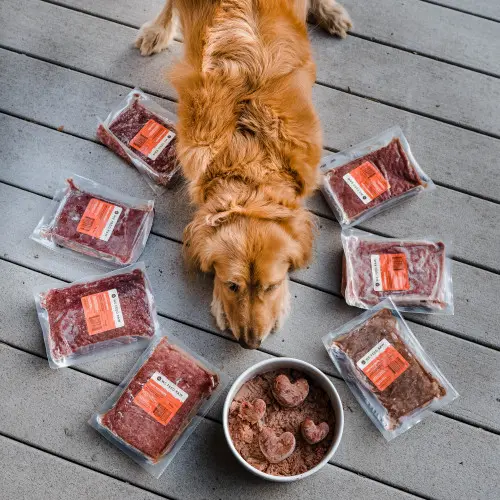

Are you looking to give your dog the healthiest diet possible? Choosing the right raw foods for your furry friend can make a big difference in their energy, coat shine, and overall happiness.
But with so many options out there, it’s easy to feel overwhelmed. You’ll discover which raw foods are truly best for your dog’s health and how to include them safely. Keep reading to unlock the secrets to boosting your dog’s well-being with the power of raw nutrition.
Benefits Of Raw Diets
Raw diets offer many health benefits for dogs. They provide natural nutrients that support overall well-being. Feeding raw foods can improve digestion, increase energy, and enhance skin and coat health. These benefits come from fresh, whole ingredients that dogs can easily process.
Improved Digestion
Raw foods contain natural enzymes that help break down food. This makes digestion easier and more efficient. Dogs on raw diets often have smaller, firmer stools. They may also experience less gas and bloating. A healthy digestive system helps dogs absorb more nutrients.
Enhanced Energy Levels
Raw diets provide high-quality proteins and fats. These nutrients supply steady energy throughout the day. Dogs fed raw foods often show increased stamina and alertness. Better energy levels support active lifestyles and playtime. Natural ingredients avoid energy crashes linked to processed foods.
Better Coat And Skin Health
Raw diets are rich in omega fatty acids and vitamins. These nutrients promote shiny coats and healthy skin. Dogs eating raw foods often shed less and have softer fur. Improved skin health reduces itching and dryness. A vibrant coat reflects overall good health.
Key Nutrients In Raw Foods
Raw foods offer a variety of nutrients that support your dog’s overall health and vitality. Understanding the key nutrients in raw foods helps you choose the best ingredients to meet your dog’s specific needs. Let’s break down the essential building blocks that raw diets provide and why they matter for your furry friend.
Proteins And Amino Acids
Proteins are the foundation of your dog’s diet. They supply amino acids, which help build muscles, repair tissues, and support the immune system.
Raw meats like chicken, beef, and turkey are excellent sources of high-quality protein. Including organ meats such as liver and kidney adds essential amino acids often missing in processed foods.
Have you noticed how active your dog feels after a meal rich in protein? This boost comes from amino acids fueling their energy and growth.
Essential Fats
Fats are more than just energy sources; they also keep your dog’s skin shiny and coat soft. Raw foods provide omega-3 and omega-6 fatty acids, which reduce inflammation and support brain function.
Fish like salmon and mackerel are rich in these essential fats, while animal fat from raw meat also contributes to a balanced diet.
Consider how your dog’s coat looks after switching to a raw diet with good fats. Isn’t it worth adding fatty fish or meat trimmings to their meals?
Vitamins And Minerals
Vitamins and minerals regulate vital processes, from bone health to nerve function. Raw foods naturally contain many of these nutrients in a form your dog’s body can absorb easily.
Vegetables like spinach and carrots supply vitamins A and C, while ground eggshells or bone meal offer calcium and phosphorus for strong bones.
Have you thought about how a lack of certain vitamins might affect your dog? Adding a variety of raw ingredients ensures they get a broad spectrum of nutrients.
Top Raw Meats For Dogs
Feeding your dog raw meat can be very beneficial. Dogs are natural carnivores and thrive on a meat-based diet. Choosing the right raw meat for your dog is crucial. Each type offers unique benefits and nutrients. Let’s explore the top raw meats for dogs.
Beef
Beef is rich in protein and iron. It promotes muscle growth and energy. Many dogs love the taste of beef. It also contains essential fatty acids. These acids support skin and coat health. Ensure the beef is fresh and lean. Avoid added hormones or preservatives. Lean cuts like sirloin are a great choice.
Chicken
Chicken is easy to digest and gentle on the stomach. It provides a high protein content. Chicken is also a good source of vitamins like B6. These vitamins boost your dog’s immune system. Use boneless chicken to prevent choking. Always ensure chicken is fresh and free from bacteria.
Turkey
Turkey is a lean protein alternative. It is lower in fat than beef. Turkey supports strong muscles and energy levels. It is also rich in zinc and vitamin B. These nutrients improve your dog’s metabolism. Choose skinless turkey to reduce fat content. Dogs enjoy turkey’s mild flavor.
Lamb
Lamb is a great choice for dogs with allergies. It is a rich protein source. Lamb contains omega-3 fatty acids. These acids support brain function and heart health. It is also high in essential amino acids. These help in tissue repair and growth. Select lean cuts of lamb for a balanced diet.
Raw Organ Meats Benefits
Raw organ meats are a vital part of a dog’s diet. They provide essential nutrients that support overall health. These meats are rich in vitamins, minerals, and proteins. Including organ meats in your dog’s meals boosts energy and strengthens the immune system. They are easier to digest than muscle meats. Feeding raw organ meats can improve skin, coat, and digestion.
Liver
Liver is a powerhouse of nutrients for dogs. It contains high levels of vitamin A, which supports vision and skin health. Liver also has iron, important for red blood cells. This organ meat is rich in B vitamins that help with energy production. Liver supports liver function and detoxification in dogs. Feeding small amounts regularly keeps dogs healthy and active.
Kidneys
Kidneys provide important nutrients like vitamin B12 and iron. They help maintain healthy blood and oxygen levels. Kidneys contain essential fatty acids that support brain and heart health. This organ is a good source of protein and minerals. Feeding kidneys improves metabolism and supports kidney function in dogs. It also aids in muscle growth and repair.
Heart
Heart meat is rich in taurine, an amino acid vital for heart health. It supports strong muscles and a healthy cardiovascular system. Heart is a great source of CoQ10, which boosts energy at the cellular level. This organ contains zinc and iron for immune support. Feeding heart meat helps maintain a healthy heartbeat and stamina. It also promotes muscle strength and endurance.
Safe Raw Vegetables And Fruits
Adding raw vegetables and fruits to your dog’s diet can boost their health in many ways. These natural foods offer vitamins, fiber, and antioxidants that support digestion, immunity, and overall well-being. However, not all raw veggies and fruits are safe for dogs, so it’s important to choose the right ones carefully.
Carrots And Sweet Potatoes
Carrots are crunchy, low in calories, and packed with beta-carotene, which helps with eye health. Many dogs enjoy chewing on raw carrot sticks, making them a great treat that also cleans teeth naturally.
Sweet potatoes are another excellent choice. When given raw, they should be sliced thinly or shredded to make them easier to digest. Their rich fiber content aids digestion and supports gut health.
Spinach And Kale
Spinach and kale provide essential vitamins like A, C, and K, plus minerals such as iron and calcium. These leafy greens can be finely chopped and mixed into your dog’s meal for a nutrient boost.
Be cautious with portion sizes, though. Too much spinach or kale can interfere with calcium absorption because of their oxalate content. Have you noticed your dog’s energy change after trying new veggies? Watching for reactions helps you understand what suits them best.
Apples And Blueberries
Apples are a sweet, crunchy snack loaded with fiber and vitamin C. Always remove the seeds and core before offering apples to your dog, as those parts can be harmful.
Blueberries are tiny antioxidant powerhouses. They make perfect bite-sized treats and can even be frozen for a refreshing snack on hot days. Have you tried using berries as training rewards? They’re a healthy alternative to processed treats that keeps your dog motivated.

Credit: www.reddogbluekat.com
Bones For Nutrition And Dental Health
Bones play a crucial role in your dog’s diet, offering more than just a tasty treat. They provide essential nutrients and help keep your dog’s teeth clean and strong. Understanding which bones are safe and beneficial can make a big difference in your dog’s overall health.
Raw Meaty Bones
Raw meaty bones are a fantastic source of calcium, phosphorus, and other vital minerals your dog needs. These bones come with meat attached, which adds extra flavor and nutrients. Chewing on raw meaty bones also stimulates saliva production, naturally reducing plaque buildup and promoting dental health.
Think about your dog’s natural instincts—gnawing on bones helps satisfy their urge to chew while supporting their teeth. Some popular choices include chicken necks, wings, and lamb ribs. Always supervise your dog during chewing to ensure they don’t swallow large pieces.
Avoid Cooked Bones
Cooked bones may seem harmless, but they can be dangerous for your dog. Cooking makes bones brittle, increasing the risk of splintering. These sharp fragments can injure your dog’s mouth, throat, or digestive tract.
Even if your dog seems eager to chew on a cooked bone, it’s best to avoid giving them one. Instead, stick to raw options or vet-approved alternatives to keep your dog safe. What risks are you willing to take when it comes to your dog’s health?
Foods To Avoid In Raw Diets
Feeding your dog a raw diet can be a great way to boost their health, but it’s crucial to know which foods to avoid. Some raw foods might seem harmless but can cause serious health issues. Staying informed helps you keep your furry friend safe and thriving.
Toxic Foods
Certain foods are outright dangerous for dogs, even in small amounts. Chocolate, onions, garlic, grapes, and raisins can cause poisoning or severe digestive problems. Always double-check what you’re feeding and avoid anything known to be toxic.
Did you know that even small amounts of onion or garlic can damage your dog’s red blood cells? It’s easy to overlook these ingredients if you’re mixing homemade raw meals, so vigilance is key.
High-fat Cuts
Fat is important but too much can lead to pancreatitis, a painful and potentially life-threatening condition. Avoid feeding your dog overly fatty cuts like pork belly or ribeye with excessive marbling. Leaner options like chicken breast or turkey are safer choices.
If your dog has a history of digestive issues, cutting back on fat can make a noticeable difference. Have you noticed your dog feeling sluggish after fatty meals? That might be a signal to switch to leaner meats.
Processed Meats
Processed meats like sausages, deli slices, or bacon contain additives and preservatives that harm your dog’s health. These products often have high salt levels and chemicals that disrupt digestion and may cause long-term harm. Stick to fresh, raw cuts instead.
Even if your dog loves the taste of processed meats, it’s best to resist giving in. Your dog’s health will thank you for choosing cleaner, natural options over convenience.
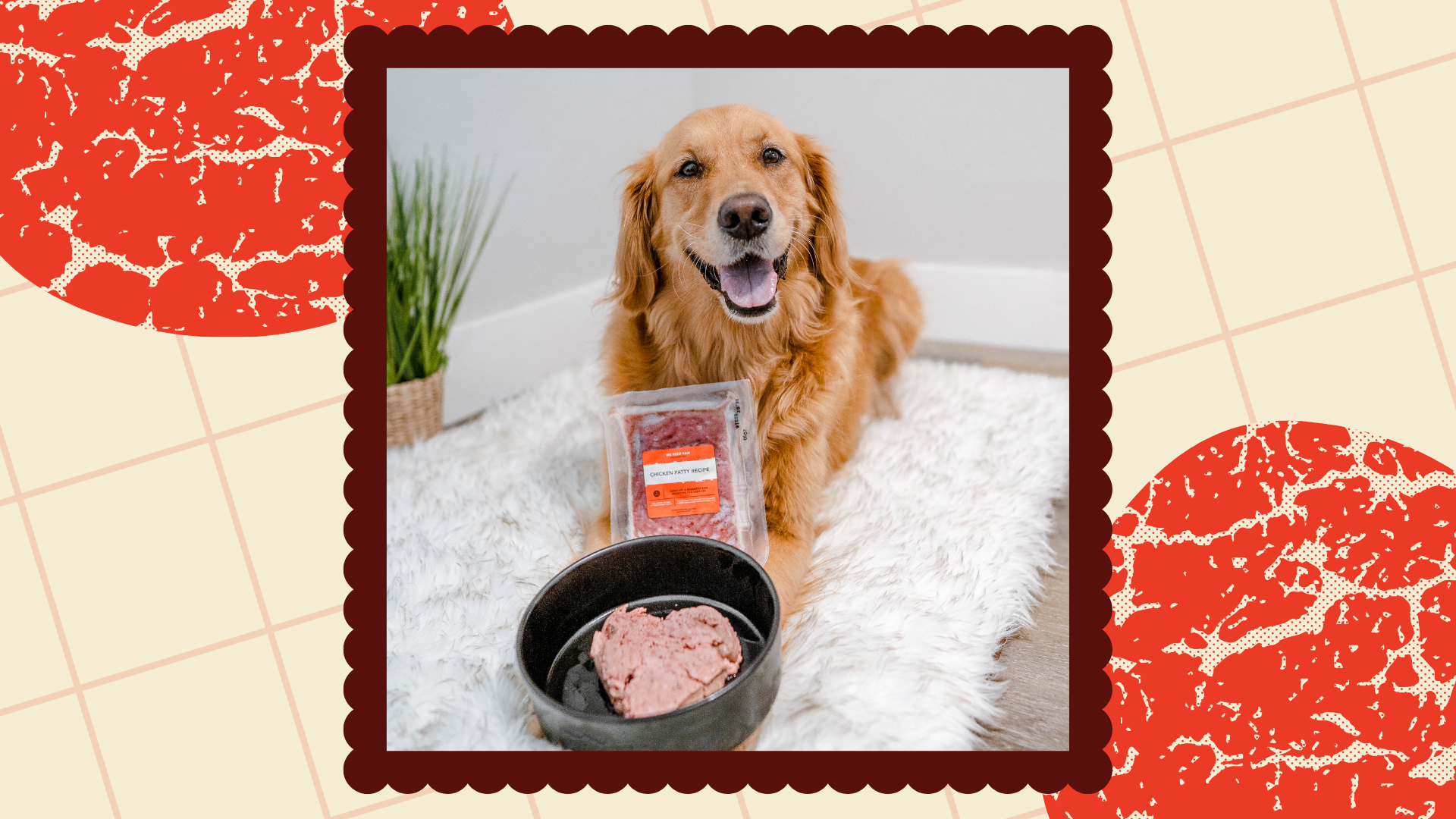
Credit: wefeedraw.com
Balancing The Raw Diet
Balancing a raw diet for your dog means more than just picking the right ingredients. It requires attention to portion sizes, the right supplements, and professional advice to keep your furry friend healthy and happy. Getting this balance right can transform mealtime into a nourishing experience that supports your dog’s energy, digestion, and overall well-being.
Portion Control
Feeding the right amount of raw food is crucial. Too much can lead to weight gain, while too little might leave your dog hungry or lacking nutrients.
Start by weighing your dog and learning their ideal daily calorie needs. A general rule is about 2-3% of their body weight in raw food per day, but this varies by activity level and age.
Keep an eye on your dog’s weight and energy. Adjust portions if you notice changes in their body condition or behavior. Have you noticed how much your dog’s appetite changes with the seasons or activity?
Supplements
Raw diets can be rich in nutrients, but sometimes your dog might need extra support. Supplements like fish oil for omega-3s or a multivitamin can fill gaps.
Calcium is especially important since raw diets often include bones. If you don’t feed bones regularly, consider a calcium supplement to protect your dog’s teeth and bones.
Keep in mind that too many supplements can cause imbalances. You don’t need to add everything—focus on what your dog truly needs based on their diet and health status.
Consulting A Vet
Every dog is unique, and a vet’s guidance can make a big difference. Share your raw feeding plan and ask for advice tailored to your dog’s breed, age, and health.
A vet can help you identify any nutrient deficiencies or health issues early. They might suggest blood tests or specific dietary tweaks to improve your dog’s vitality.
Don’t hesitate to ask about risks or concerns you might have about raw feeding. Your vet is your best ally in creating a safe, balanced diet for your dog.
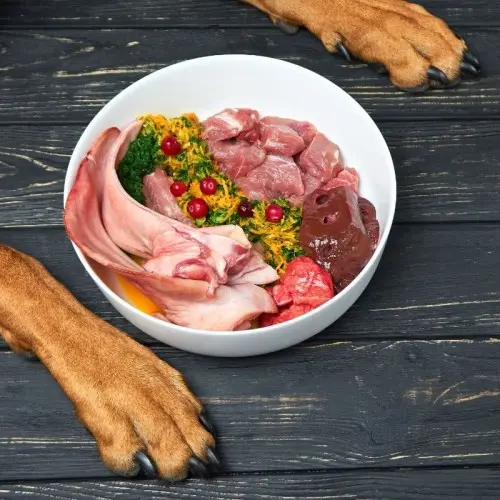
Credit: wefeedraw.com
Frequently Asked Questions
What Raw Foods Are Safe For Dogs To Eat?
Safe raw foods for dogs include lean meats, organs like liver, and raw bones. Fresh vegetables such as carrots and spinach are also beneficial. Avoid toxic foods like onions and grapes to keep your dog healthy and safe.
Can Dogs Eat Raw Vegetables And Fruits?
Yes, dogs can eat certain raw vegetables and fruits like carrots, apples, and blueberries. These provide vitamins and fiber but should be given in moderation. Always avoid toxic options like grapes, onions, and garlic.
How Do Raw Bones Benefit Dogs’ Health?
Raw bones improve dental health by reducing plaque and tartar. They also provide essential minerals like calcium. Avoid cooked bones as they can splinter and cause harm. Always supervise your dog while chewing bones.
Are Raw Diets Better Than Cooked Food For Dogs?
Raw diets can offer higher nutrient levels and better digestion. However, they require careful preparation to avoid bacteria risks. Consult a vet before switching to ensure balanced nutrition and safety for your dog.
Conclusion
Feeding dogs raw foods can boost their health and energy. Fresh meats, bones, and vegetables make strong meals. Always choose safe, clean ingredients for your dog’s diet. Watch how your dog reacts to new foods. Balance and variety keep meals interesting and nutritious.
Consult a vet before changing your dog’s diet. Raw feeding requires care but can improve your dog’s life. Simple, natural foods often lead to happier, healthier pets. Give your dog the best with thoughtful raw food choices.